How to Use the Most Common Mental Health Assessment Tools
An estimated 53.8 million people in the U.S. have near-daily experiences of depression, anxiety, or both, and an estimated 18.6 million of them have never spoken to a health care provider about these experiences. (Source) Standardized assessment tools cut through the noise, helping clinicians of all types accurately identify symptoms early, map out treatment, and measure real-time progress.
An estimated 53.8 million people in the U.S. have near-daily experiences of depression, anxiety, or both.
From brief screeners like the PHQ-2 and GAD-2 to more comprehensive assessments such as the PHQ-9, GAD-7, and Beck Depression Inventory (BDI-II), each tool serves a specific purpose. Understanding when and how to use these mental health assessment tools can improve the quality of care and strengthen documentation.
What You’ll Learn
- The most commonly used anxiety and depression screening tools
- When to use brief versus comprehensive assessments
- How the PHQ and GAD assessments compare
- Other evidence-based behavioral health assessments to consider
- Tips for selecting the right assessment for your clients
- How case management software can simplify assessments and documentation
Let’s get started
Watch this video:
or
read the guide below.
What Are Anxiety and Depression Assessment Tools?
Anxiety and depression screening tools are standardized questionnaires that help clinicians identify symptoms, estimate severity, and monitor changes over time. While these assessments do not diagnose a mental health condition on their own, they provide valuable clinical information that supports interviews, observations, and diagnostic criteria found in the DSM-5.
Most behavioral health assessments are designed to be:
- Quick to administer
- Easy for clients to complete
- Scientifically validated
- Reliable across different populations
- Useful for measuring progress during treatment
Many organizations incorporate these assessments into their mental health intake assessment process so they can establish a baseline before treatment begins.
💡All-in-one Case Management Software.
Everything in one place: clients, notes, forms, appointments, reports, and outcomes.
👉 Try it Free - No credit card needed
Which Anxiety Assessment Tools Are Used Most Often?
The GAD assessment is one of the most widely used anxiety screening questionnaires in clinical practice. There are two versions to fit different clinical settings.
GAD-7 (Generalized Anxiety Disorder-7)
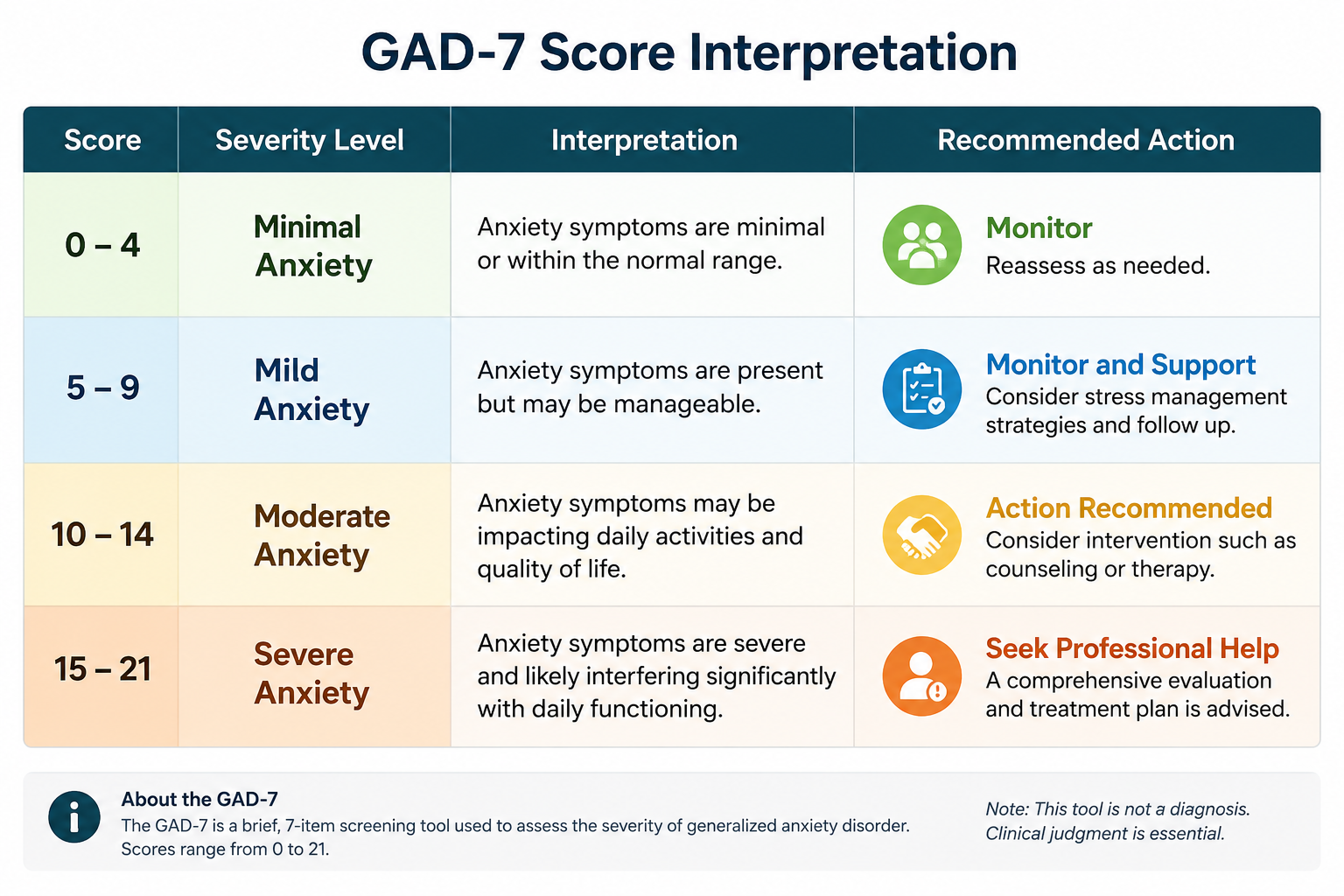
The GAD-7 consists of seven questions that measure symptoms experienced over the previous two weeks.
It helps clinicians:
- Screen for generalized anxiety disorder
- Measure symptom severity
- Track treatment outcomes
- Support ongoing clinical documentation
Scores are categorized as minimal, mild, moderate, or severe anxiety, making it particularly useful for measurement-based care.
GAD-2 Screening Tool
The GAD-2 screening tool contains the first two questions from the GAD-7 and serves as a rapid initial screening.
Many providers use the GAD-2 during intake appointments because it takes less than one minute to complete. If a client’s score suggests elevated anxiety, the clinician can follow up with the full GAD-7 assessment.
This combination provides an efficient workflow while minimizing assessment fatigue.
👉 Try it Free - Free Case Management System
Which Depression Assessment Tools Are Most Common?
Several validated depression assessment tools are commonly used across healthcare and behavioral health settings.
PHQ-9 Assessment
The PHQ-9 assessment is considered the gold standard for depression screening in many clinical environments.
It evaluates:
- Depressed mood
- Loss of interest
- Sleep disturbances
- Appetite changes
- Fatigue
- Concentration difficulties
- Feelings of worthlessness
- Psychomotor changes
- Thoughts of self-harm
Because it includes a question related to suicidal thoughts, clinicians should always have appropriate follow-up procedures in place whenever elevated risk is identified.
The PHQ-9 is frequently used to:
- Screen for depression
- Measure symptom severity
- Support treatment planning
- Monitor client progress over time
PHQ-2 Screening Tool
The PHQ-2 screening tool asks two brief questions about mood and interest in activities.
Similar to the GAD-2, it functions as an initial screener. Clients with higher scores typically complete the full PHQ-9 for additional evaluation.
For busy practices, nonprofits, and integrated care settings, the PHQ-2 offers an efficient first step in identifying individuals who may benefit from further assessment.
All-in-One Case Management Software
Sign Up Today, Free
No credit card needed!
Do You Have a Team? | ||
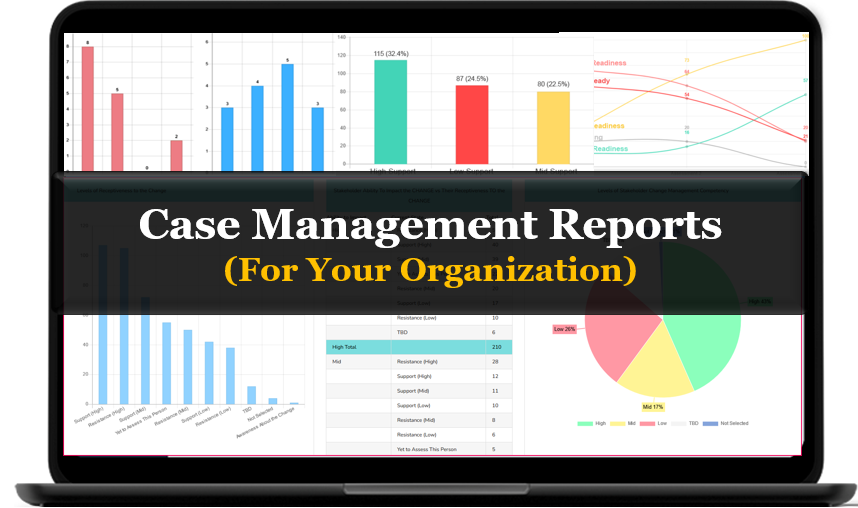
Our best all-in-one client and top case management software simplifies everything from client intake and assessments to programs, projects, goals tracking, planning, scheduling, documentation, reporting dashboard, and progress tracking.
What Other Mental Health Assessment Tools Should You Consider?
Although the PHQ and GAD assessments are among the most commonly used, several additional clinical assessment tools for mental health may be appropriate depending on the client population.
Beck Depression Inventory (BDI-II)
The BDI-II is a comprehensive self-report measure that evaluates depressive symptoms and their severity. It is commonly used in behavioral health clinics, research, and private practice.
Beck Anxiety Inventory (BAI)
The BAI focuses on anxiety symptoms, particularly physical manifestations such as nervousness, dizziness, and heart palpitations.
Hospital Anxiety and Depression Scale (HADS)
Originally developed for medical settings, HADS evaluates both anxiety and depression while minimizing the influence of physical illness symptoms.
Edinburgh Postnatal Depression Scale (EPDS)
The EPDS is specifically designed to screen for postpartum depression and is widely used in obstetric and maternal health settings.
Kessler Psychological Distress Scale (K10)
The K10 measures overall psychological distress rather than focusing exclusively on anxiety or depression. It is often used in community health programs and population-based screening initiatives.
Columbia-Suicide Severity Rating Scale (C-SSRS)
Although not a depression screening tool itself, the C-SSRS is commonly administered when suicide risk needs additional assessment following responses on instruments such as the PHQ-9.
How Do the PHQ and GAD Assessments Compare?
The PHQ and GAD families of assessments complement one another because anxiety and depression frequently occur together.
| Assessment | Primary Purpose | Number of Questions | Typical Use |
| PHQ-2 | Initial depression screening | 2 | Quick intake screening |
| PHQ-9 | Depression assessment | 9 | Diagnosis support, severity, progress monitoring |
| GAD-2 | Initial anxiety screening | 2 | Quick intake screening |
| GAD-7 | Anxiety assessment | 7 | Diagnosis support, severity, progress monitoring |
Many organizations administer both the PHQ-9 and GAD-7 during intake appointments to obtain a broader picture of a client’s mental health.

How Do You Choose the Right Mental Health Assessment Tool?
Selecting the appropriate mental health assessment tools depends on several factors.
Consider:
- The client’s presenting concerns
- Age and population served
- Clinical setting
- Time available during appointments
- Whether ongoing progress monitoring is needed
- Licensing or copyright requirements for specific assessments
For example, a community nonprofit conducting brief screenings may begin with the PHQ-2 and GAD-2 before administering longer assessments when indicated. A behavioral health clinic providing ongoing therapy may routinely administer the PHQ-9 and GAD-7 every few weeks to measure improvement.
The best assessment is one that fits naturally into your workflow while providing meaningful information that supports clinical decision making.
🔥Still using spreadsheets for case management?
Switch to an all-in-one case management platform.
👉 Try it Free - No credit card needed
Why Is Documentation Just As Important As the Assessment?
Completing the assessment is only part of the process. Equally important is documenting the results accurately and consistently.
Many organizations use client assessment forms, progress notes, treatment plans, and outcome reports together to create a complete clinical record.
Modern case management systems can simplify this process by allowing clinicians to:
- Store completed assessments securely
- Track scores over time
- Attach assessments to client records
- Create documentation more efficiently
- Monitor client goals and treatment progress
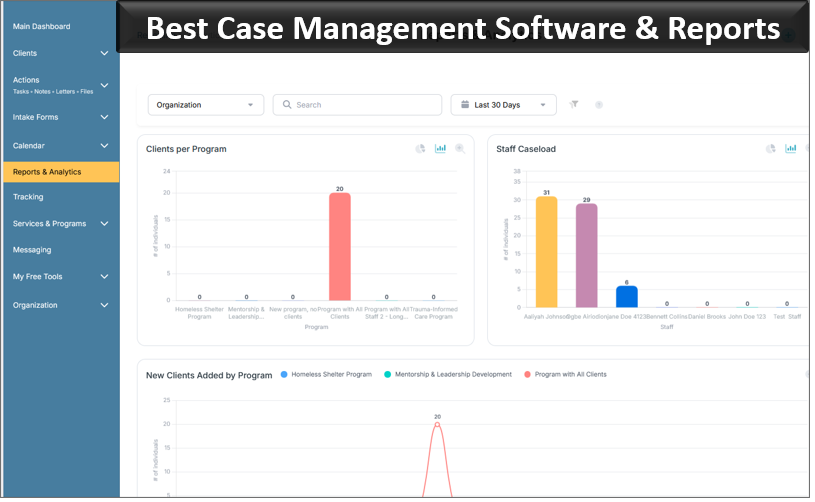
- Generate reports for supervisors, funders, and compliance requirements
- Make it easy and secure for clients to complete intakes & self-report assessments
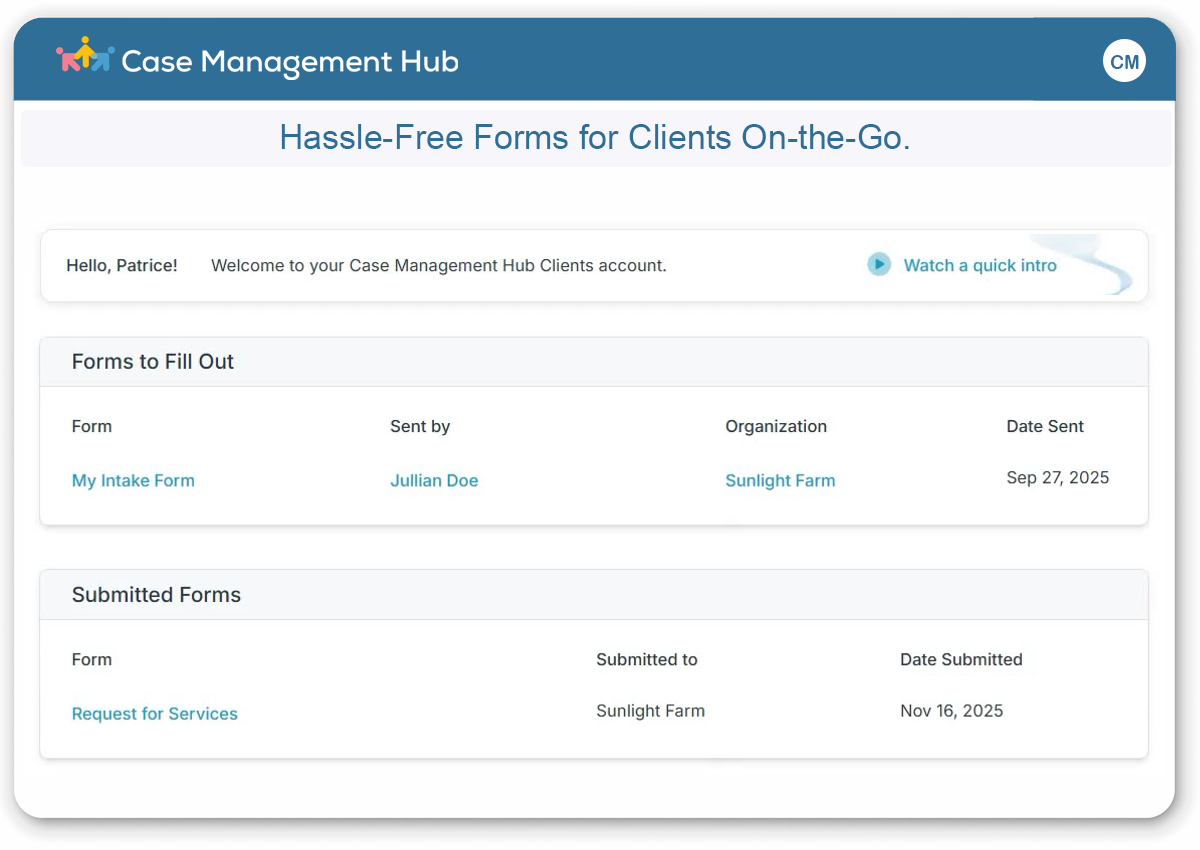
A Client Account in the Case Management Hub software. Making it easy for clients to complete and submit paperwork.
An all-in-one case management platform reduces duplicate work while helping maintain complete and organized client records.
👉 Try this Case Management Software free today
No credit card needed
How Can Case Management Software Help Manage Mental Health Assessments?
Administering assessments is just one part of effective client care. Organizations also need a secure way to manage appointments, documentation, treatment plans, client communication, progress tracking, reporting, and compliance.
The Social Work Portal’s case management software brings these essential functions together in one platform. In addition to helping organizations manage clients, scheduling, notes, forms, secure messaging, file storage, reporting, billing, and goal tracking, it supports a streamlined workflow that makes it easier to organize assessments alongside the rest of a client’s record. For social workers, therapists, nonprofits, and behavioral health organizations, having assessments and documentation in one secure system can reduce administrative burden while allowing more time to focus on client care.
Learn more about the platform here: https://www.socialworkportal.com/social-work-case-management-software/
💡All-in-one Case Management Software.
Everything in one place: clients, notes, forms, appointments, reports, and outcomes.
👉 Try it Free - No credit card needed
Frequently Asked Questions
Can the PHQ-9 diagnose depression?
No. The PHQ-9 is a validated depression screening questionnaire that helps identify symptoms and severity, but a diagnosis should always be made through a comprehensive clinical evaluation.
Should the GAD-2 always be followed by the GAD-7?
Not always. The GAD-2 serves as a brief screening tool. If results indicate elevated anxiety symptoms, administering the GAD-7 is generally recommended.
Are these assessments appropriate for social workers?
Yes. Screening tools for social workers such as the PHQ-9, PHQ-2, GAD-7, and GAD-2 are commonly used in healthcare, nonprofit, behavioral health, and community settings.
How often should clients complete these assessments?
Many clinicians administer them during intake and then at regular intervals, such as every few weeks or monthly, depending on the treatment plan and clinical setting.
What is the difference between screening and assessment?
Screening identifies individuals who may need additional evaluation. A comprehensive assessment gathers broader clinical information to support diagnosis and treatment planning.
Can these tools measure treatment progress?
Yes. One of the biggest advantages of standardized evidence-based mental health assessments is that they provide consistent scores that can be compared over time to evaluate improvement or identify when treatment adjustments may be needed.
👉 Try it free today - No credit card needed
Note: Content on this website (socialworkportal.com) is copyrighted and protected under applicable copyright laws. Unauthorized reproduction, distribution, or use of any content from the website, without explicit written permission, is strictly prohibited. Read: Terms of Use.
Social Work Portal Disclaimer: Social Work Portal is not a social work agency and we do not refer social workers. This web site is provided for educational and informational purposes only and does not constitute providing medical advice or professional social and healthcare services. The information provided should not be used for diagnosing or treating a health problem or disease, and those seeking personal medical advice should consult with ... Read our full disclaimer here: Social Work Portal Disclaimer.