A Practical Guide for Social Services: Core Definitions, Service Types, and Management Software
Social services show up in nearly every community, often without anyone calling them by name. A school counselor connecting a family to a food pantry, a caseworker helping an older adult arrange home care, a shelter that offers a bed and a path to housing: all of these are social services at work. If you are new to the field, researching a career, or running an agency, a clear definition is the best place to start.
By the end of this guide, you will know what social services are, which types and programs exist, who can access them, and how case management software helps agencies spend less time on paperwork and more time with the people they serve.
Let’s get started
Watch this video:
or
read the guide below.
What Are Social Services?
Social services are organized programs and activities that help people meet basic needs, solve personal or family problems, and take part fully in their communities. The goal is to improve wellbeing, especially for people who are facing poverty, illness, disability, family crisis, or other barriers.
Definitions vary by country and by law. In the United States, state statutes often list specific programs such as foster care, adoption services, child protective services, adult protective services, and domestic violence services.
In Europe, the term is often split into mainstream services that support groups of people, like early childhood education and long-term care, and targeted services that respond to individual needs, such as addiction rehabilitation or crisis centers. In both settings, the core idea is the same: structured help that strengthens individuals, families, and communities.
You will also see social services called social welfare services or human services. The terms overlap a great deal, though “human services” is usually used a bit more broadly, and “social welfare” often points to the wider system of public benefits.
👉 Try this Case Management Software free today
No credit card needed
What Do Social Services Do?
At the simplest level, social services connect people with support they cannot easily get on their own. That support usually falls into four jobs:
- Meeting basic needs. Food, shelter, income support, and health coverage.
- Protecting people from harm. Child protection, adult protection, and domestic violence response.
- Supporting independence. Job training, disability services, and in-home care that help people live on their own terms.
- Preventing bigger problems. Early intervention, counseling, and family support that reduce the need for crisis care later.
Most people use more than one service at a time, which is why coordination matters as much as the services themselves.
💡All-in-one Case Management Software.
Everything in one place: clients, notes, forms, appointments, reports, and outcomes.
👉 Try it Free - No credit card needed
What Are the Main Types of Social Services?
Programs differ by region, but most fall into these categories:
Child and family services
Child welfare, foster care, adoption, parenting support, early childhood programs, and family preservation.
Older adult and adult services
Home care, meal delivery, adult day programs, guardianship support, and adult protective services.
Health and behavioral health services
Mental health counseling, substance use treatment, care coordination, and hospital social work.
Housing and homelessness services
Emergency shelter, transitional housing, rental assistance, and supportive housing.
Income and food assistance
Cash assistance, nutrition programs, utility help, and tax support.
Employment and education services
Job placement, vocational rehabilitation, adult education, and youth programs.
Disability services
Case management, in-home supports, assistive technology, and community living programs.
Crisis and victim services
Hotlines, emergency response, advocacy for survivors of violence, and legal referrals.
Another way to sort them is by level of care. Some services work with individuals and families, some with groups and organizations, and some with whole communities through policy and advocacy.
👉 Try it Free - Free Case Management System
What Are Examples of Social Services in the United States?
A few well-known programs show how broad the category is:
- Supplemental Nutrition Assistance Program (SNAP): helps eligible households buy food.
- Women, Infants, and Children (WIC): provides nutrition support and education for pregnant and postpartum women, infants, and young children.
- Temporary Assistance for Needy Families (TANF): offers time-limited cash assistance and work support to families with children.
- Medicaid: provides health coverage for eligible low-income individuals and families.
- Child Protective Services (CPS): investigates reports of child abuse and neglect and connects families to help.
- Adult Protective Services (APS): responds to abuse, neglect, and exploitation of older adults and adults with disabilities.
- Head Start: supports early childhood education for children from low-income families.
- Housing Choice Vouchers: help eligible households pay rent in the private market.
- Meals on Wheels: delivers meals to older adults who have trouble shopping or cooking.
- 988 Suicide and Crisis Lifeline: offers free, confidential crisis support by call, text, or chat.
Local food banks, shelters, and community action agencies add many more services on top of these national programs.
All-in-One Case Management Software
Sign Up Today, Free
No credit card needed!
Do You Have a Team? | ||
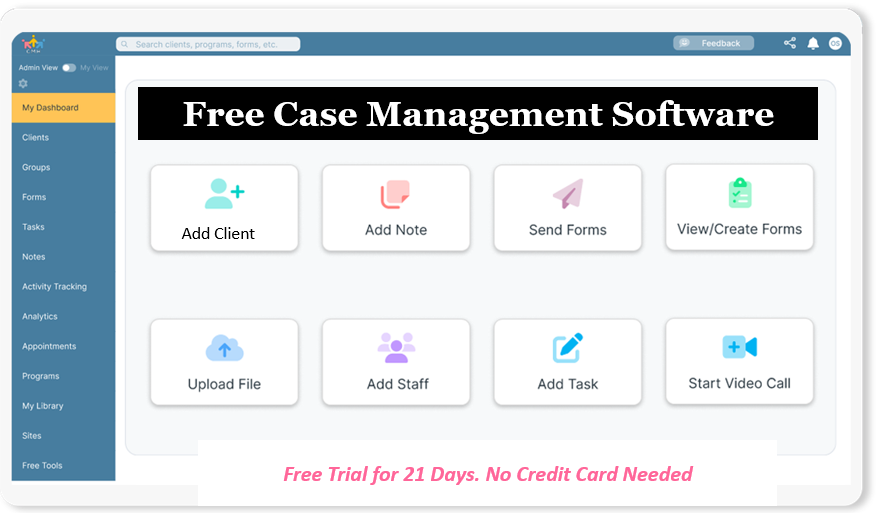
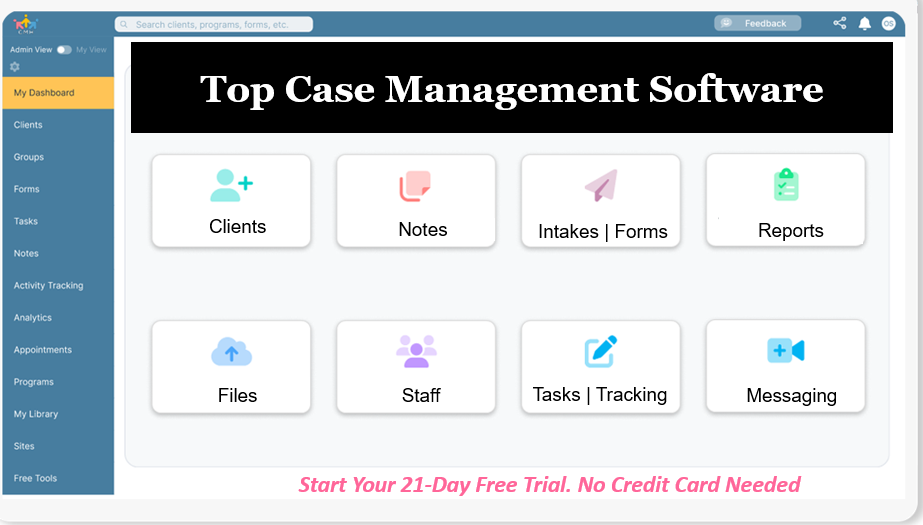
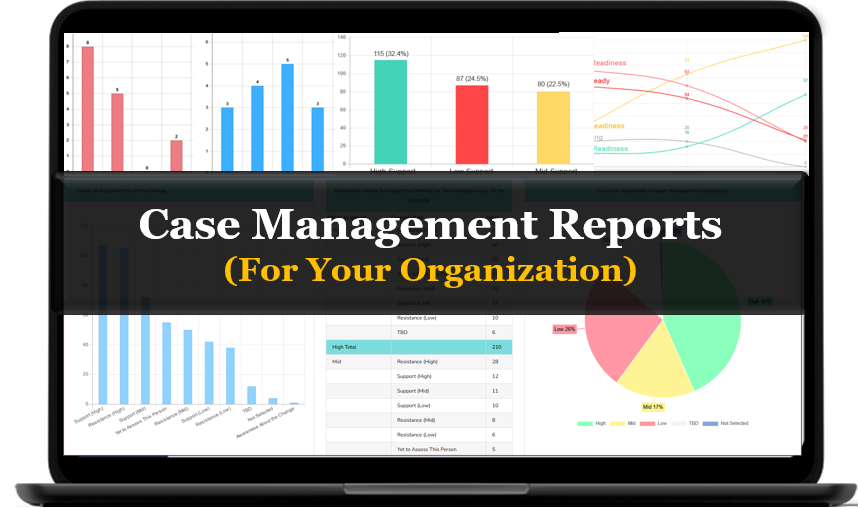
Our best all-in-one client and top case management software simplifies everything from client intake and assessments to programs, projects, goals tracking, planning, scheduling, documentation, reporting dashboard, and progress tracking.
Who Provides Social Services?
Four kinds of organizations carry most of the work. Government agencies at the federal, state, county, and city level run large public programs and fund many others. Nonprofit organizations deliver direct services, often under government contracts or grants. Faith-based and community groups fill gaps with food, shelter, and volunteer support. Private and for-profit providers deliver services such as home health, counseling, and care management.
Inside these organizations, the people doing the work include social workers, case managers, counselors, benefits specialists, peer support workers, and volunteers.

Who Qualifies for Social Services, and How Do You Apply?
Eligibility depends on the program. Common factors include household income, age, disability status, family size, residency, and citizenship or immigration rules for certain benefits. Some services, such as crisis lines and many community programs, have no eligibility requirements at all.
To apply, most people start with their state or county human services agency, many of which accept applications online, by phone, or in person. Nonprofit organizations can also often connect people to local social services programs. Expect an intake conversation and an assessment, where a worker asks about needs, income, health, and household situation to decide which services fit and to build a plan.
🔥Still using spreadsheets for case management?
Switch to an all-in-one case management platform.
👉 Try it Free - No credit card needed
How Do Social Workers Fit Into Social Services?
Social services are the system, and social work is one of the professions inside it. Social workers complete assessments, coordinate care, advocate for clients, provide counseling, and connect people to resources. Caseworkers, case managers, and benefits specialists carry out similar tasks, and not every one of them holds a social work degree.
The work also happens at different scales. Micro, mezzo, and macro practice describe how the same mission plays out with individuals, small groups, and whole communities.
💡All-in-one Case Management Software.
Everything in one place: clients, notes, forms, appointments, reports, and outcomes.
👉 Try it Free - No credit card needed
How Does Social Services Software Support Agencies?
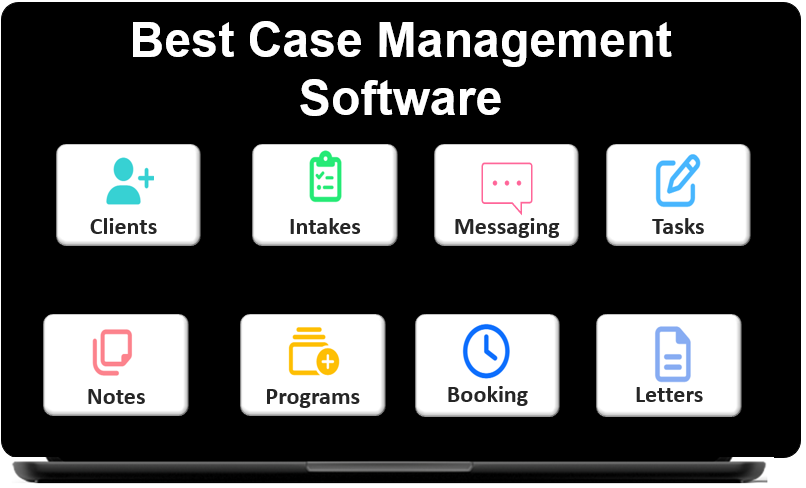
Behind every program is a steady stream of paperwork: intake forms, assessments, case notes, referrals, consent forms, and funder reports. Social services software, sometimes called human services software, brings that work into one secure system. Core features usually include:
- Digital intake and client records. One profile per client instead of scattered files.
- Assessments and case notes. Structured templates for formats such as SOAP, DAP, and BIRP.
- Service and goal tracking. A record of what was provided, when, and what changed.
- Scheduling and workflow. Appointments, reminders, tasks, and referrals in one place.
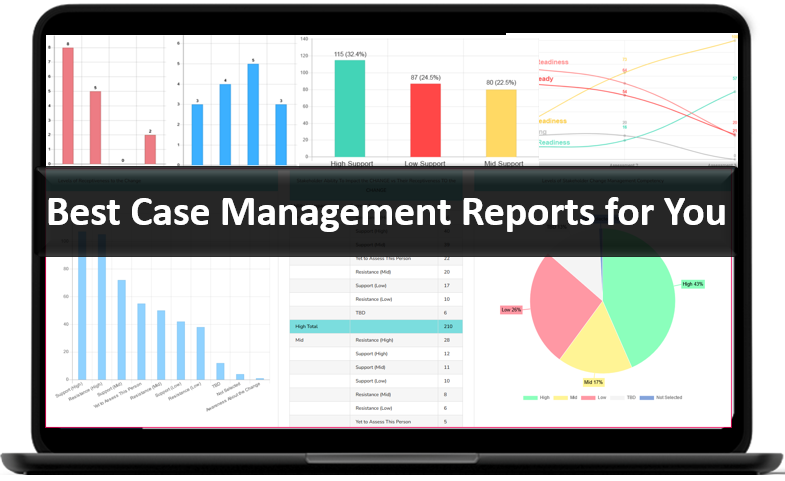
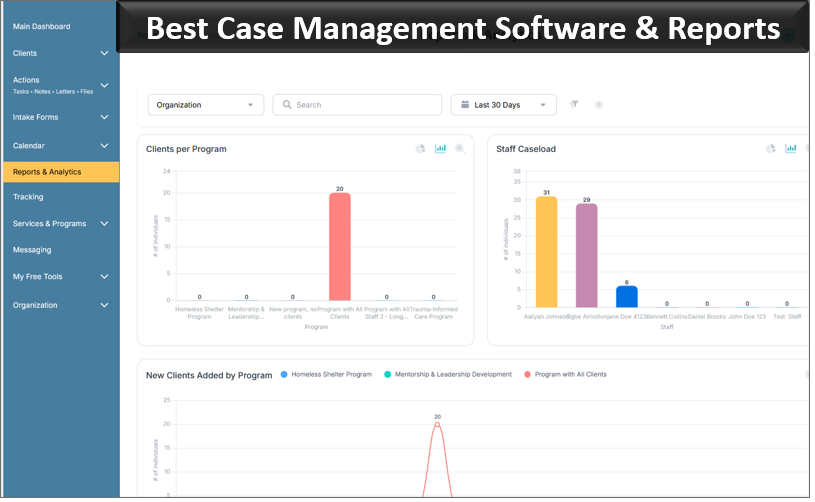
- Reporting. Outcome and activity reports for funders and compliance.
- Privacy and security. HIPAA-compliant storage and access controls for agencies that handle health information.
The practical benefit is time. Less duplicate data entry means more time with clients, and cleaner records make audits and grant reports far easier. When comparing platforms, look at ease of use, configurable forms, security, and pricing that fits the size of your team.
👉 Try it Free today - No credit card needed
Where Do You Go From Here?
Social services work best when people can find help quickly and workers have the time to give it. If you run or work in an agency and want a simpler way to manage intake, case notes, and reporting, Case Management Hub is a HIPAA-compliant case management platform built for social workers and human services teams. You can explore the case management software overview or start a free trial to see how it fits your workflow.
👉 Try it Free today - No credit card needed
FAQ: What Do People Ask Most About Social Services?
What is the simple definition of social services?
Social services are programs and professional support that help people meet basic needs, solve problems, and improve their wellbeing. They are delivered by government agencies, nonprofits, and community organizations.
What is the difference between social services and social work?
Social services are the programs and systems that provide help. Social work is a profession that operates within those systems, alongside other roles such as case managers and benefits specialists.
Are social services free?
Many are free or low cost, particularly those funded by government or nonprofit grants. Some programs use a sliding fee scale based on income, and some require insurance or a copay.
How do I find social services near me?
Contact your county or state human services agency, or ask a local nonprofit, hospital social worker, or school counselor for a referral.
What is social services software used for?
Agencies use it to manage intake, client records, case notes, assessments, scheduling, and reporting in one secure place.
👉 Try it free today - No credit card needed
Note: Content on this website (socialworkportal.com) is copyrighted and protected under applicable copyright laws. Unauthorized reproduction, distribution, or use of any content from the website, without explicit written permission, is strictly prohibited. Read: Terms of Use.
Social Work Portal Disclaimer: Social Work Portal is not a social work agency and we do not refer social workers. This web site is provided for educational and informational purposes only and does not constitute providing medical advice or professional social and healthcare services. The information provided should not be used for diagnosing or treating a health problem or disease, and those seeking personal medical advice should consult with ... Read our full disclaimer here: Social Work Portal Disclaimer.