Prepare for a Social Work Interview – Practical Tips & Expert Advice
Preparing for a social work interview can feel overwhelming, especially when you are trying to anticipate the types of social work interview questions you may be asked. Whether you are a new MSW graduate, a seasoned clinician, or a social services professional transitioning into a new role, understanding how interviewers evaluate your communication skills, ethical reasoning, documentation habits, and client engagement strategies can help you walk in with clarity and confidence.
Social work interviews are unique because they blend behavioral questions, scenario-based questions, and values-driven questions. Hiring managers want to understand how you think, how you respond under pressure, and how you uphold the NASW Code of Ethics in real-world situations.
Before diving into social work interview questions, it helps to understand the purpose behind them. Interviewers are not simply checking for correct answers. They are assessing your ability to demonstrate empathy, boundaries, trauma-informed thinking, and professional judgment.
Below, We’ll Cover:
- Types of social work interview questions
- How to answer behavioral and scenario-based questions
- How to highlight strengths and weaknesses
- How to discuss documentation and reporting
- How to show readiness for client engagement
- How to prepare for MSW and entry-level interviews
Let’s get started
Watch this video:
or
read the guide below.
What Social Work Interview Questions Are Most Common?
Social work interview questions often fall into predictable categories. Interviewers want to understand your approach to client engagement, crisis response, ethical dilemmas, communication skills, and documentation. Common social work interview questions include:
- Tell me about a time you managed a crisis
- How do you handle ethical dilemmas
- Describe your approach to client assessment
- How do you manage time and competing priorities
- What is your experience with case management documentation
These questions help employers compare candidates based on consistency, clarity, and professional judgment. For example, two candidates may describe similar crisis situations, but the interviewer will pay attention to how each candidate explains their decision-making process, communication style, and follow-up actions.
💡All-in-one Case Management Software.
Everything in one place: clients, notes, forms, appointments, reports, and outcomes.
👉 Try it Free - No credit card needed
How Should You Answer Behavioral Social Work Interview Questions?
Behavioral social work interview questions are designed to reveal how you have handled real situations. Interviewers want to understand your thought process, your communication skills, and your ability to maintain professional boundaries.
When answering behavioral questions, focus on clarity and authenticity. Social workers often feel pressure to give perfect answers, but interviewers are looking for honesty and reflection. For example, if asked about a time you managed a crisis, describe the situation, your role, the steps you took, and the outcome.
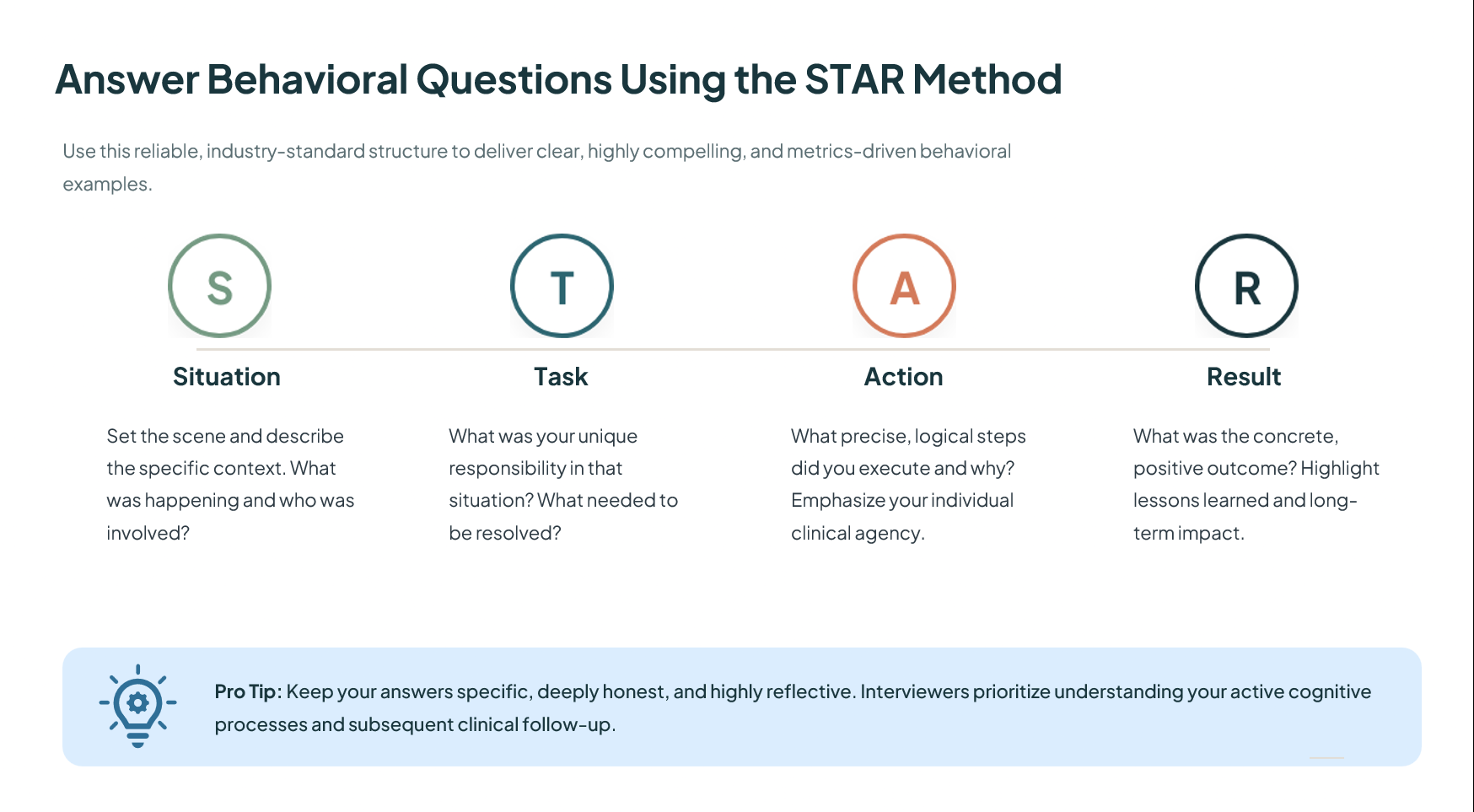
Comparison matters here. Candidates who give vague answers often struggle to stand out. Candidates who provide specific examples, even if the situation was challenging, tend to demonstrate stronger professional judgment.
Interviewee considerations:
- New social workers often worry about not having enough experience
- Clinicians may struggle to choose examples that fit the job description
- Nonprofit professionals may need to highlight transferable skills
Decision-making factors:
- Choose examples that show empathy and boundaries
- Highlight collaboration with colleagues or supervisors
- Show how you documented the situation and followed up
👉 Try it Free - Free Case Management System
What Strengths and Weaknesses Should Social Workers Mention?
Strengths and weaknesses are common social work interview questions because they reveal self-awareness. Interviewers want to know how you evaluate your own performance and how you grow professionally.
Strong strengths to mention:
- Trauma-informed communication
- Active listening
- Clear documentation and reporting
- Cultural humility
- Time management
- Client engagement
Thoughtful weaknesses to mention:
- Taking on too many responsibilities
- Difficulty delegating
- Spending too much time on documentation
- Needing more experience with a specific population
Comparison matters here as well. Candidates who give generic strengths such as “I work hard” often blend in. Candidates who give strengths tied to social work practice stand out.
Decision-making factors:
- Choose strengths that match the job description
- Choose weaknesses that show growth and reflection
- Avoid weaknesses that raise red flags such as poor boundaries
All-in-One Case Management Software
Sign Up Today, Free
No credit card needed!
Do You Have a Team? | ||
Our best all-in-one client and top case management software simplifies everything from client intake and assessments to programs, projects, goals tracking, planning, scheduling, documentation, reporting dashboard, and progress tracking.
How Do Scenario-Based Social Work Interview Questions Work?
Scenario-based social work interview questions test your ability to think critically. Interviewers want to understand how you respond to situations involving crisis intervention, mandated reporting, client resistance, or ethical dilemmas.
Examples include:
- What would you do if a client refused services
- How would you respond to suspected abuse
- How would you handle a conflict with a colleague
Scenario-based questions allow interviewers to compare how candidates think. One candidate may focus on policy, while another may focus on empathy. The strongest answers blend both.

Interviewee considerations:
- Students may not have real-world examples
- Clinicians may need to adapt examples to the new role
- Nonprofit professionals may need to highlight collaboration
Decision-making factors:
- Show your reasoning step by step
- Mention documentation and follow-up
- Highlight communication with supervisors

How Should You Discuss Documentation and Reporting in a Social Work Interview?
Documentation is one of the most important topics in social work interview questions. Interviewers want to know how you manage notes, assessments, progress tracking, and reporting.
Strong points to mention:
- Timely and accurate documentation
- Clear and objective language
- Consistency with agency policies
- Use of case management software
- Secure storage of client information
Comparison matters because documentation habits vary widely among candidates. Interviewers often prefer candidates who demonstrate structured and organized documentation practices.
Decision-making factors:
- Mention how you prioritize documentation
- Explain how you avoid subjective language
- Highlight your experience with digital tools
🔥Still using spreadsheets for case management?
Switch to an all-in-one case management platform.
👉 Try it Free - No credit card needed
How Can You Prepare for Entry-Level and MSW Social Work Interviews?
New and student social workers often worry about not having enough experience. Interviewers understand this and focus more on potential, communication skills, and values.
Strong preparation strategies include:
- Reviewing common social work interview questions
- Practicing scenario-based answers
- Highlighting internships and volunteer experience
- Demonstrating knowledge of trauma-informed care
- Showing readiness to learn agency policies
Comparison matters because entry-level candidates often give short answers. Candidates who provide thoughtful examples from internships or coursework stand out.
Decision-making factors:
- Choose examples that show growth
- Highlight collaboration with supervisors
- Show readiness to learn documentation systems
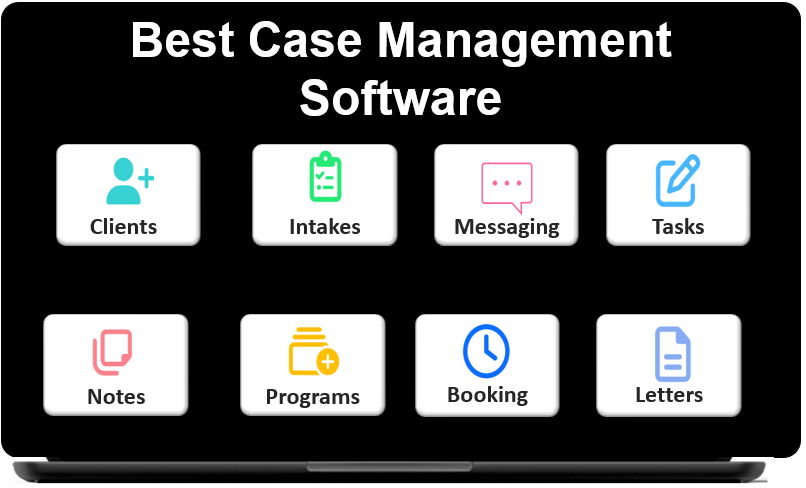
👉 Try this Case Management Software free today
No credit card needed
How Can Case Management Software Support Your Social Work Practice?
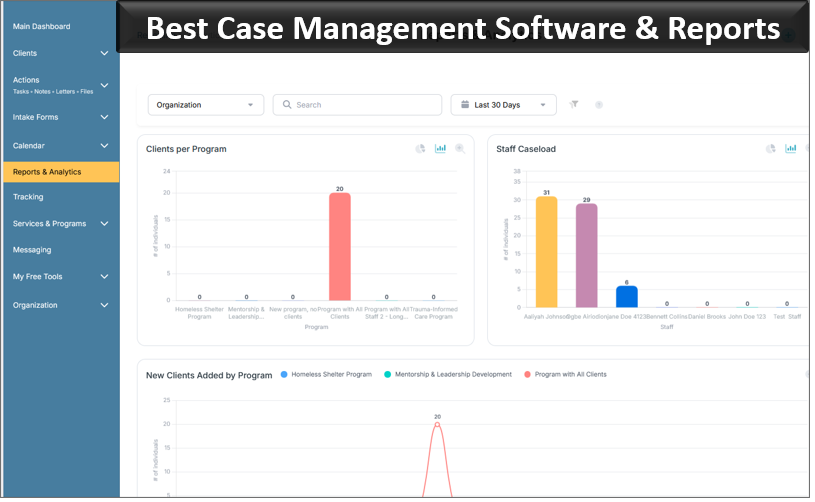
Strong interview performance often includes discussing how you manage documentation, reporting, client progress tracking, and secure data storage. Many agencies now rely on digital tools to streamline these tasks. Case management software can help social workers manage clients, appointments, intakes, forms, secure messaging, notes, and reporting in one place.
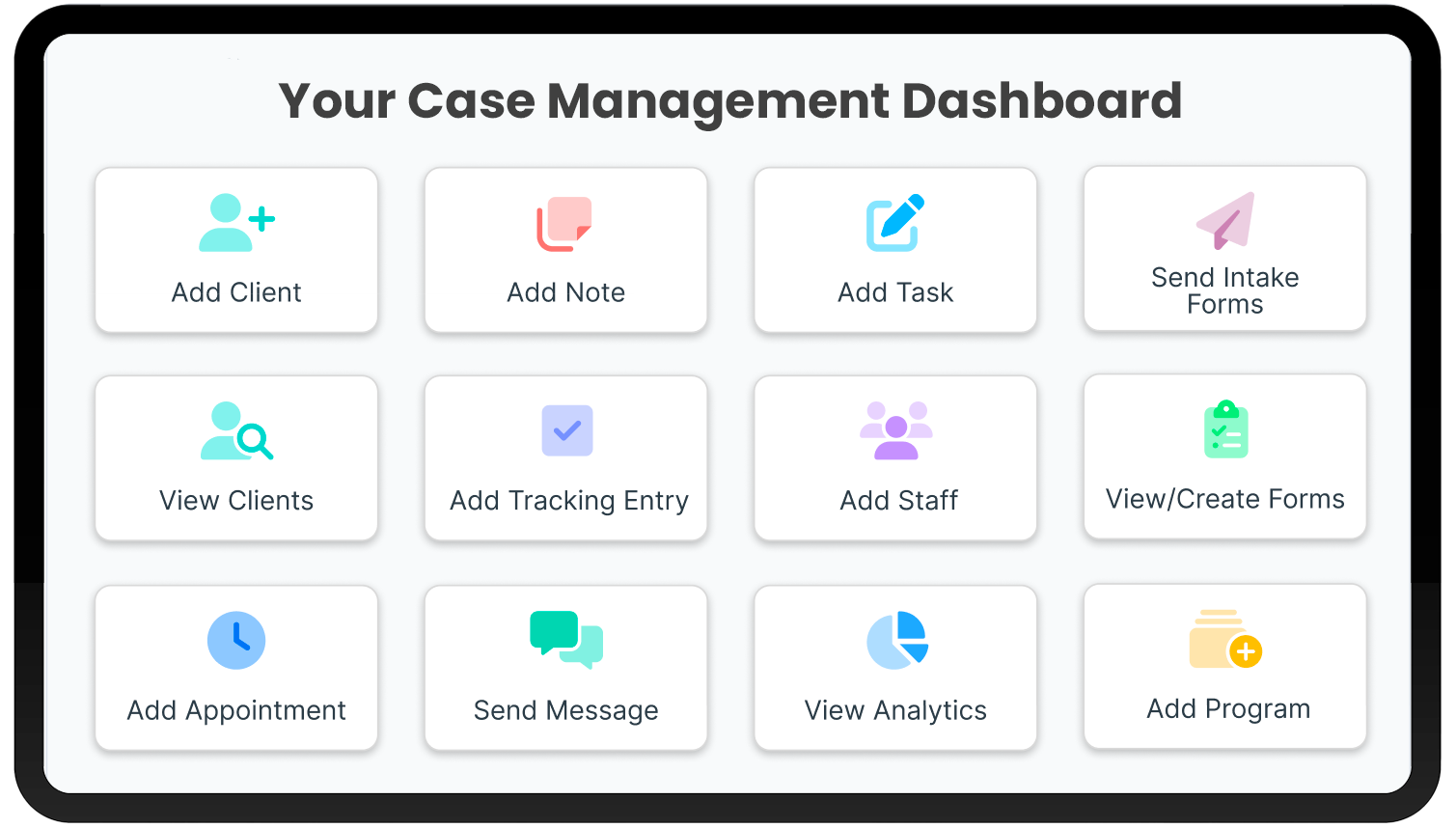
If you want to explore a platform designed specifically for social workers, clinicians, and nonprofit organizations, you can learn more here: https://www.socialworkportal.com/social-work-case-management-software/
This type of software supports the same skills you highlight in interviews, including organization, documentation, and client engagement.
💡All-in-one Case Management Software.
Everything in one place: clients, notes, forms, appointments, reports, and outcomes.
👉 Try it Free - No credit card needed
FAQs Social Worker Interview Questions
What are the most common social work interview questions?
Common questions include crisis management, ethical dilemmas, client engagement, documentation habits, and communication skills.
How do I prepare for a social work interview?
Review common questions, practice behavioral answers, and prepare examples from your experience.
What strengths should social workers mention?
Strong strengths include active listening, trauma-informed communication, documentation skills, and cultural humility.
What weaknesses are acceptable to mention?
Choose weaknesses that show growth such as taking on too many responsibilities or spending too much time on documentation.
How do scenario-based questions work?
Interviewers present a situation and ask how you would respond. Focus on reasoning, communication, and documentation.
How do I discuss documentation in an interview?
Highlight accuracy, timeliness, objectivity, and experience with digital tools or case management software.
👉 Try it free today - No credit card needed
Note: Content on this website (socialworkportal.com) is copyrighted and protected under applicable copyright laws. Unauthorized reproduction, distribution, or use of any content from the website, without explicit written permission, is strictly prohibited. Read: Terms of Use.
Social Work Portal Disclaimer: Social Work Portal is not a social work agency and we do not refer social workers. This web site is provided for educational and informational purposes only and does not constitute providing medical advice or professional social and healthcare services. The information provided should not be used for diagnosing or treating a health problem or disease, and those seeking personal medical advice should consult with ... Read our full disclaimer here: Social Work Portal Disclaimer.