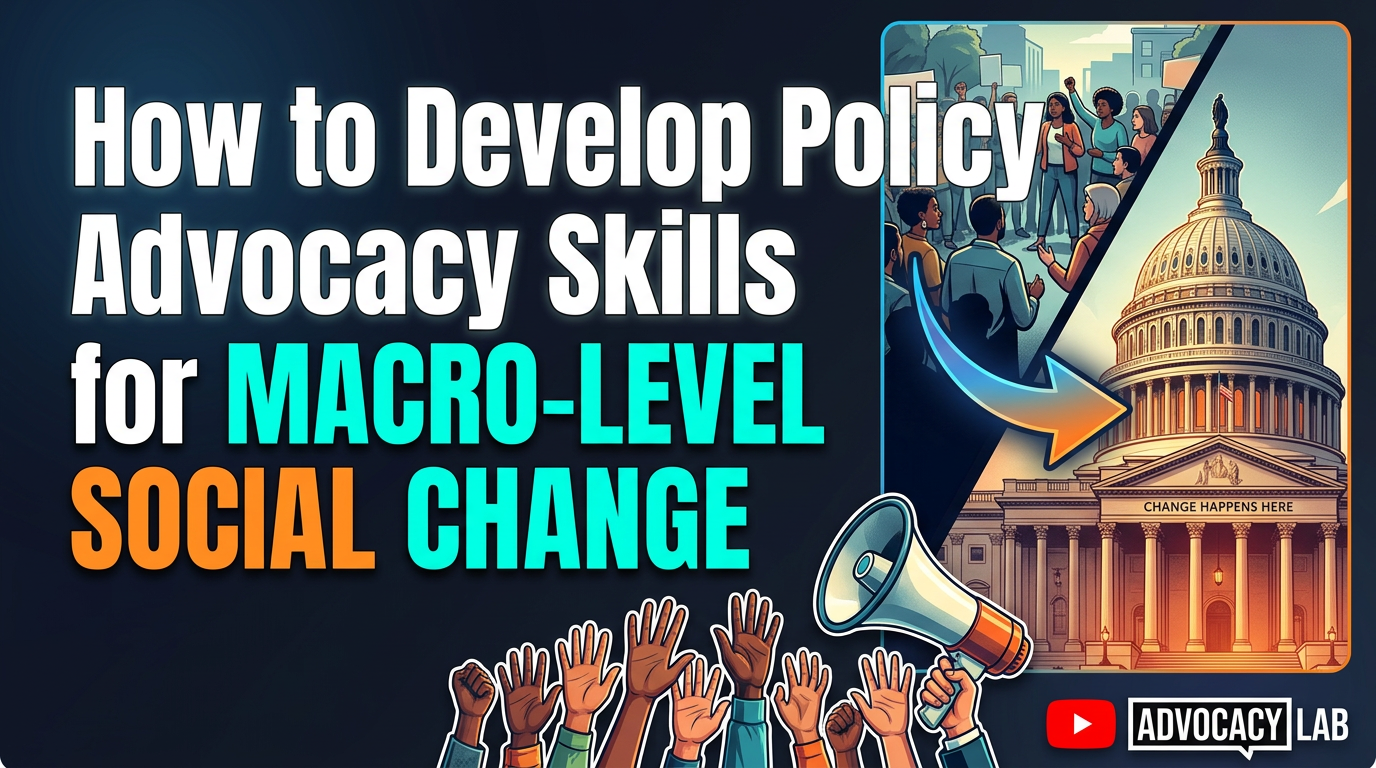
Mastering Macro Social Work: How to Develop Policy Advocacy Skills for Systemic Impact
Moving from individual case interventions to structural change is one of the most powerful shifts a human services professional can make. When you learn to influence the systems that govern funding, legislative priorities, and community resources, you amplify your impact from helping one person at a time to transforming entire communities.
Building expertise in policy influence requires intentional practice, strategic communication, and an understanding of organizational leadership. Whether you are an MSW student entering the field, a nonprofit director, or an experienced practitioner transitioning to macro practice, mastering macro social work policy advocacy skills allows you to drive real, lasting change.
Let’s get started
Watch this video:
or
read the guide below.
What You Will Learn
- Core Frameworks: How to analyze laws and translate community experiences into legislative proposals.
- Coalition Tactics: Strategies for building nonprofit coalitions to maximize political leverage.
- Skill Development: Essential techniques for grass-roots organizing, lobby visits, and campaign messaging.
- Data Management: How operational organization and data-driven policy reporting strengthen campaign outcomes.
- Career Growth: Actionable pathways for MSW graduates, researchers, and organizers stepping into systemic leadership.
💡All-in-one Case Management Software.
Everything in one place: clients, notes, forms, appointments, reports, and outcomes.
👉 Try it Free - No credit card needed
How Do You Translate Direct Practice Experience into Macro-Level Social Work Practice and Advocacy?
Direct service providers witness the daily impact of flawed systems on real people. Connecting those frontline observations to systemic reform is the core of macro-level social work practice and advocacy.
When you notice patterns—such as client after client losing housing due to specific administrative barriers—you are looking at a policy issue. Developing policy advocacy strategies for social change starts by gathering this qualitative evidence and framing it for decision-makers. Translating frontline realities into policy action requires three main steps:
- Documenting Systemic Barriers: Move beyond individual case notes to track recurring legislative or bureaucratic friction points across your organization.
- Framing Human Experiences: Combine real community stories with empirical data to illustrate the human cost of current policy gaps.
- Drafting Actionable Solutions: Propose concrete, statutory amendments rather than simply pointing out system failures.
What Frameworks Are Best for Social Work Policy Analysis and Framework Implementation?
Effective advocacy relies on structured social work policy analysis and framework implementation. Without a clear analytical model, policy proposals risk missing critical implementation details or unintended consequences.
The table below compares three common analytical frameworks used by advocacy organizations staff, think tank researchers, and policy analysts:
| Framework | Primary Focus | Best Used For | Key Advantage |
| Bardach’s Eight-Fold Path | Step-by-step problem-solving and decision analysis | Legislative drafting and structural policy evaluation | Provides a logical, methodical path from problem identification to solution selection |
| Gilbert & Terrell Framework | Allocation, benefits, delivery, and financing mechanisms | Public welfare and benefits administration reform | Uncovers equity gaps in resource distribution and service delivery systems |
| Critical Race & Feminist Frameworks | Power dynamics, structural oppression, and intersectionality | Human rights advocacy and structural reform initiatives | Exposes root inequalities within historical and current policy proposals |
When selecting a framework, user considerations often center on campaign timelines, resource constraints, and target audiences. For instance, legislative staff usually need concise, cost-neutral solutions, making Bardach’s approach ideal. Community groups, on the other hand, often benefit from critical frameworks that address underlying equity issues.
According to data from the Bureau of Labor Statistics, employment in community and social service occupations is projected to expand steadily, with over 310,000 annual job openings driven by demand for healthcare, mental health, and policy professionals. As the field grows, professionals who master both analytical frameworks and practical application will be essential to leading impactful initiatives.
👉 Try it Free - Free Case Management System
How Can Community Organization and Legislative Advocacy Techniques Drive Legislative Reform?
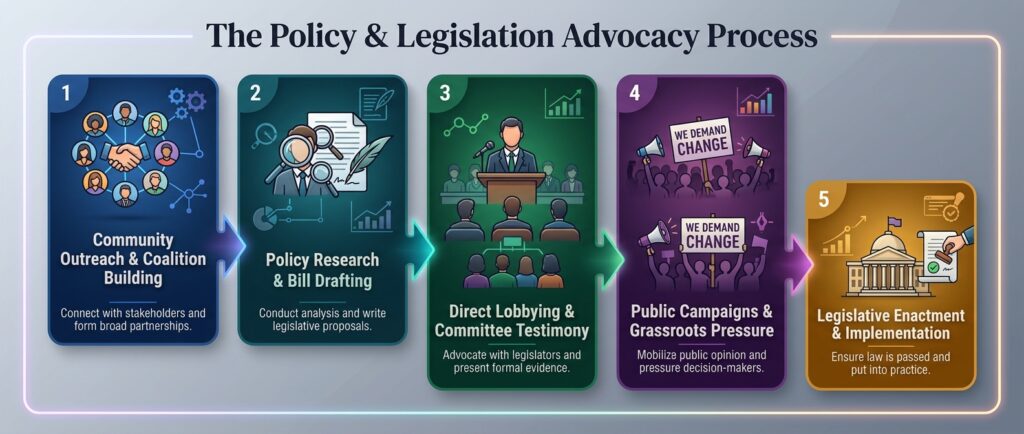
Passing legislation or reforming government programs requires blending grassroots energy with targeted legislative strategies. Relying on passion alone is rarely enough; successful campaigns use structured community organization and legislative advocacy techniques to move policy forward.
1. Build Multi-Sector Coalitions
Nonprofit coalition building for systemic change brings together diverse groups—such as labor union leaders, environmental advocates, public health professionals, and academic researchers in social sciences—to support a shared legislative agenda. Coalitions pool resources, distribute campaign workloads, and demonstrate broad public support to lawmakers.
2. Master Direct Lobbying and Committee Testimony
Personal visits with lawmakers and concise committee testimony remain critical tools. Focus your meetings on three core points: the specific community problem, your proposed solution, and the exact policy action you want the official to take.
3. Deploy Data-Driven Public Education
Modern advocacy depends heavily on public education campaigns. Translating social science research into policy action involves creating short policy briefs, digital infographics, and media statements that make complex research clear and compelling for everyday citizens.
Do You Have a Team? Our best all-in-one client and top case management software simplifies everything from client intake and assessments to programs, projects, goals tracking, planning, scheduling, documentation, reporting dashboard, and progress tracking.All-in-One Case Management Software
Sign Up Today, Free
No credit card needed!
What Role Do Operations Play in Managing Public Interest Campaign Workflows and Appointments?
While policy messaging gets the spotlight, the behind-the-scenes success of any advocacy effort relies on clear operations and management. Campaign teams must coordinate meetings, track stakeholder communication, manage volunteer schedules, and handle sensitive community data without missing a beat.
Without centralized management, campaigns waste time on administrative chaos instead of building relationships with decision-makers. Effective capacity building software for human rights and policy teams ensures that every outreach call, stakeholder meeting, and policy draft is tracked and organized.
Decision-making factors for advocacy team infrastructure usually include:
- Security & Privacy: Ensuring secure documentation and file storage for advocacy organizations to protect sensitive client testimonies and strategic plans.
- Coordination: Using secure messaging and intake systems for community organizing to streamline volunteer onboarding and outreach.
- Resource Optimization: Applying nonprofit timekeeping and project cost tracking software alongside integrated billing and scheduling for social work agencies to keep grant-funded campaigns on budget.

People Also Ask
How do social workers influence policy change?
Social workers influence policy change by conducting policy research, providing expert testimony at legislative hearings, organizing community campaigns, lobbying elected officials, and building multi-sector coalitions to advance social justice legislation.
What is macro-level social work practice?
Macro-level social work practice focuses on changing large-scale systems, communities, and organizations. Unlike micro social work, which supports individuals or families directly, macro practice targets policy development, administrative reform, and structural social change.
What skills are needed for policy advocacy?
Essential policy advocacy skills include policy analysis, legislative drafting, strategic communication, coalition building, grassroots community organizing, media relations, data analysis, and program management.
How do nonprofits build effective advocacy coalitions?
Nonprofits build effective advocacy coalitions by identifying shared policy goals across diverse organizations, establishing clear communication structures, sharing resources, and aligning strategic actions to influence public decision-makers.
Why is data important in social policy advocacy?
Data is critical in social policy advocacy because it provides empirical evidence of social problems, proves the effectiveness of proposed policy solutions, supports grant writing and funding strategies for policy initiatives, and measures long-term campaign outcomes.
What careers involve macro social work policy advocacy?
Careers in macro policy advocacy include Policy Analyst, Legislative Director, Community Organizer, Nonprofit Executive Director, Advocacy Campaign Manager, Government Relations Specialist, Public Health Policy Coordinator, and Grant Writer.
Streamlining Your Practice Management and Campaign Infrastructure
Whether you operate a clinical practice, manage community programs, or run macro-level campaigns, administrative efficiency is essential for making a broad impact. Juggling client notes, appointment scheduling, secure messaging, and impact tracking across separate tools slows down your team and distracts from your core mission.
An all-in-one platform for macro practice and advocacy management helps streamline daily operations. With built-in tools for managing public interest campaign workflows and appointments, client and campaign progress tracking software for nonprofits, and program impact documentation for social work leaders, your team can spend less time on administration and more time creating real change.
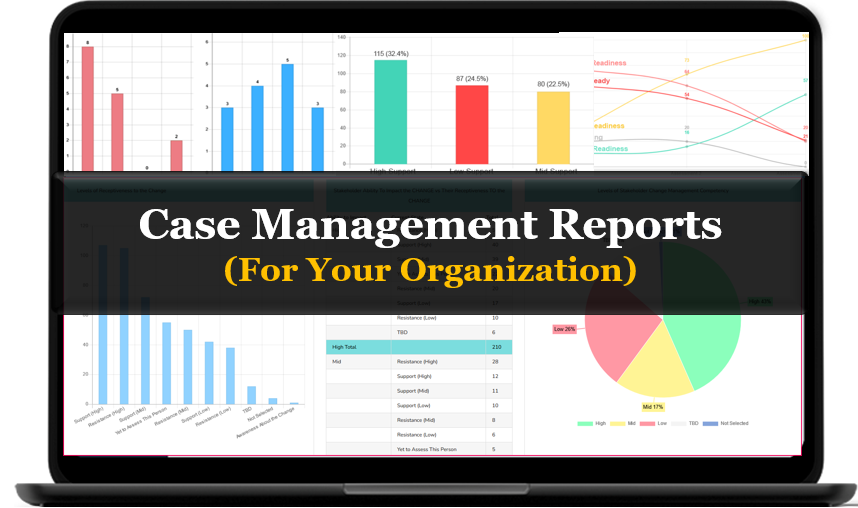
To track clients per program, live staff caseloads, demographic equity, and aggregated form data all from a single, centralized dashboard:
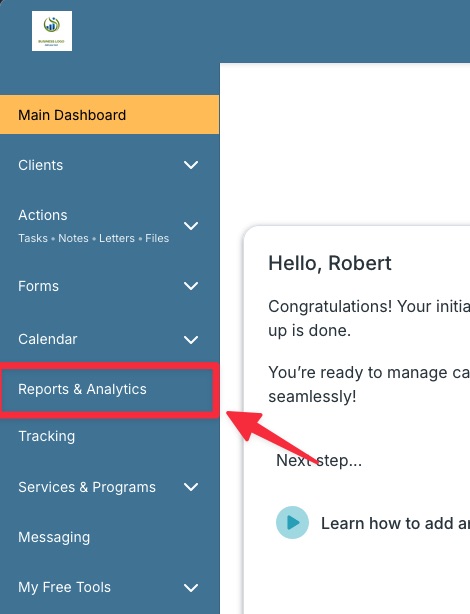
Step 1:
Navigate to the Reports & Analytics module from the sidebar.
Step 2:
Select whether you want view reports on: Organization (reports on clients per program, staff caseload, etc.) Demographics (reports on race, ethnicity, gender, marital status, etc.) Forms, or Goals.
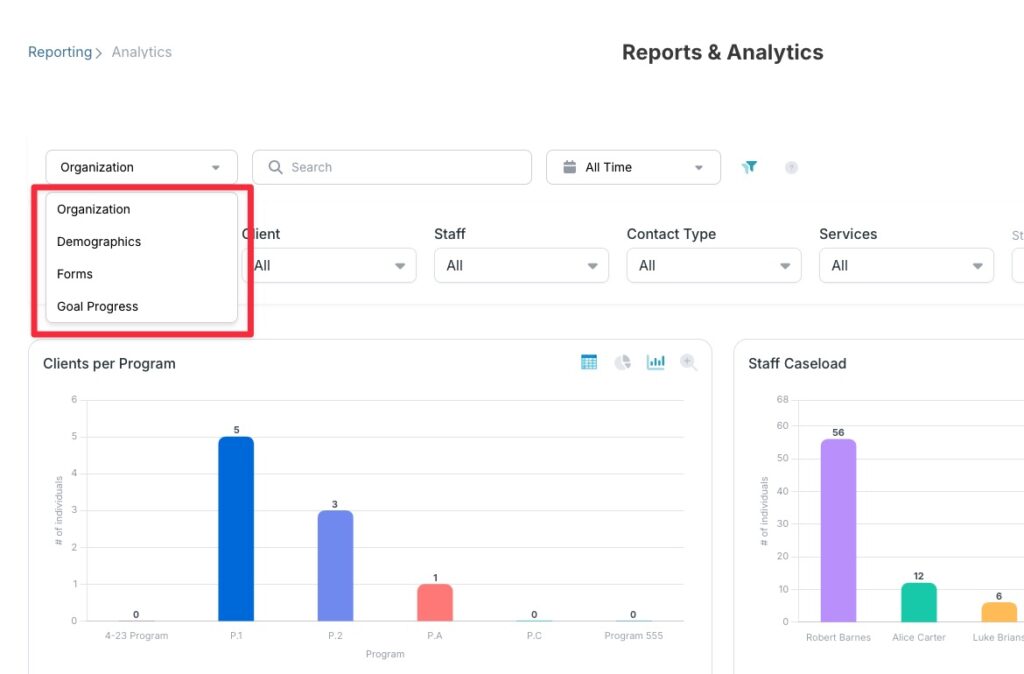
Tip: Reports can be filtered by date as well as other data such as program, client, staff, and much more.
Step 3:
Dig deeper into report details by clicking the magnifying glass. From the detailed popup you can export the graph and the data table.
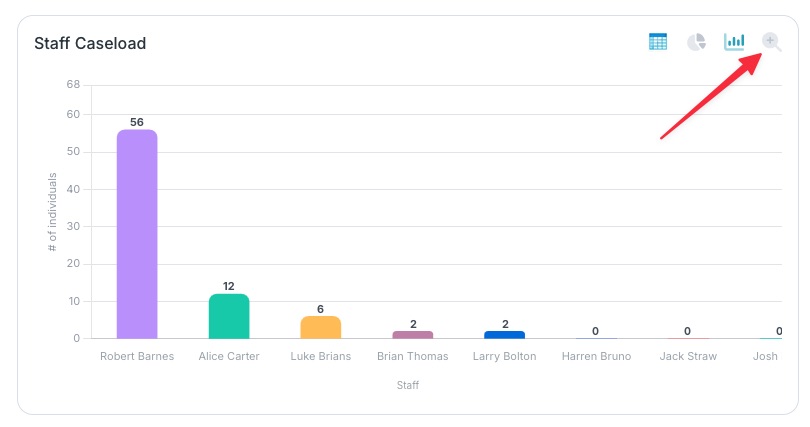
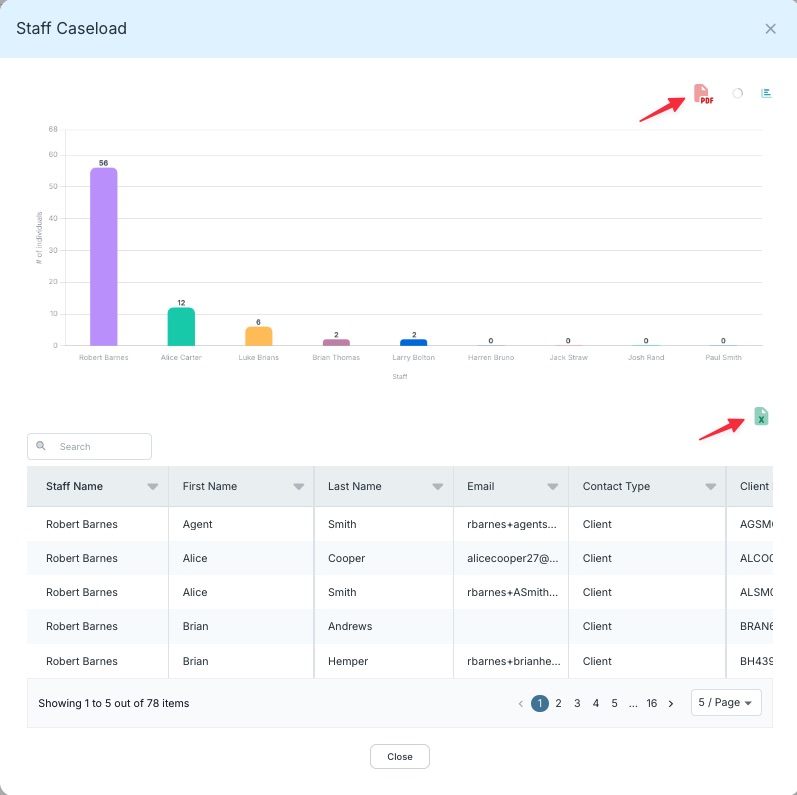
Tip: Graph reports can be viewed in either a bar or a pie chart for a better visual look.
Step 4:
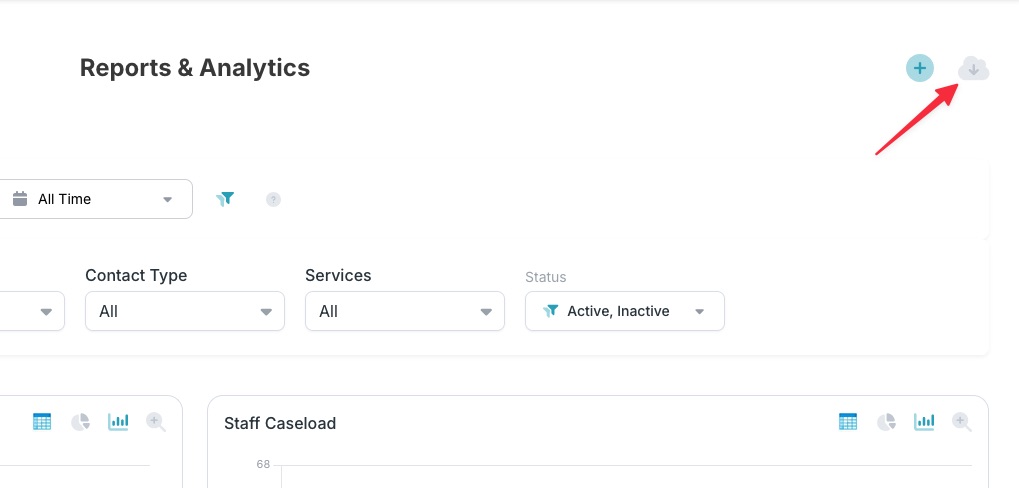
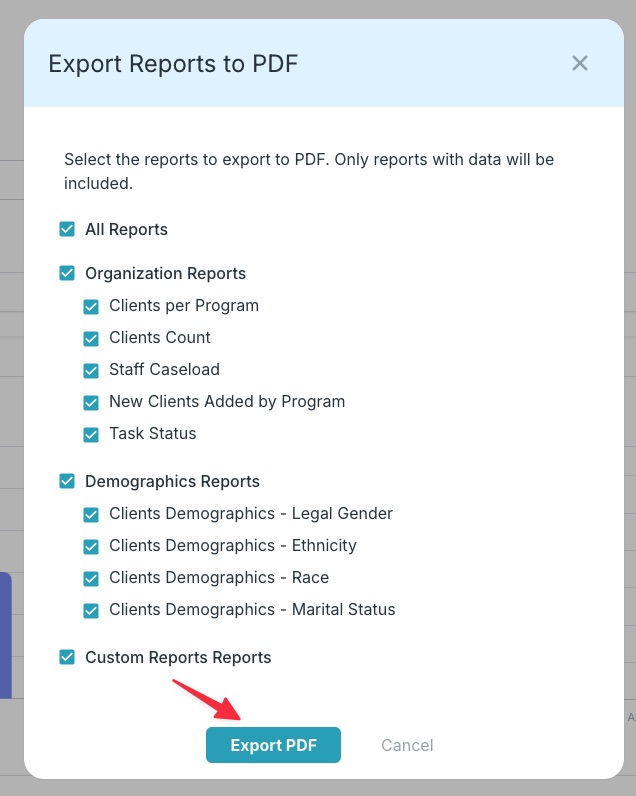
Export your entire dashboard or selected reports by clicking the cloud icon. When ready, click Export PDF.
Step 5:
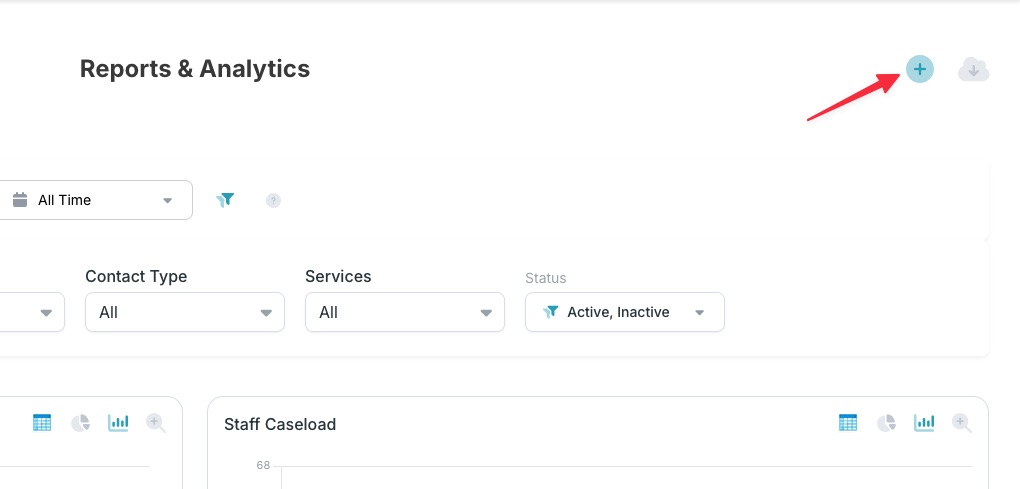
Create a new custom report by clicking the plus icon and selecting from either client, staff, or program fields. Generate instantly a truly personalized report. Once done, click Create.
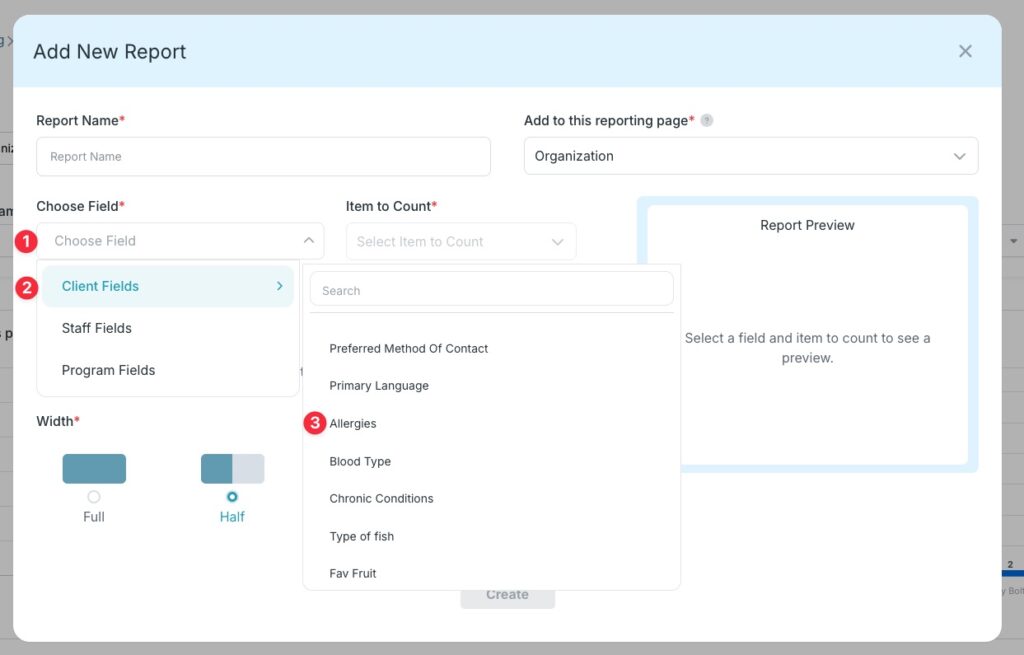
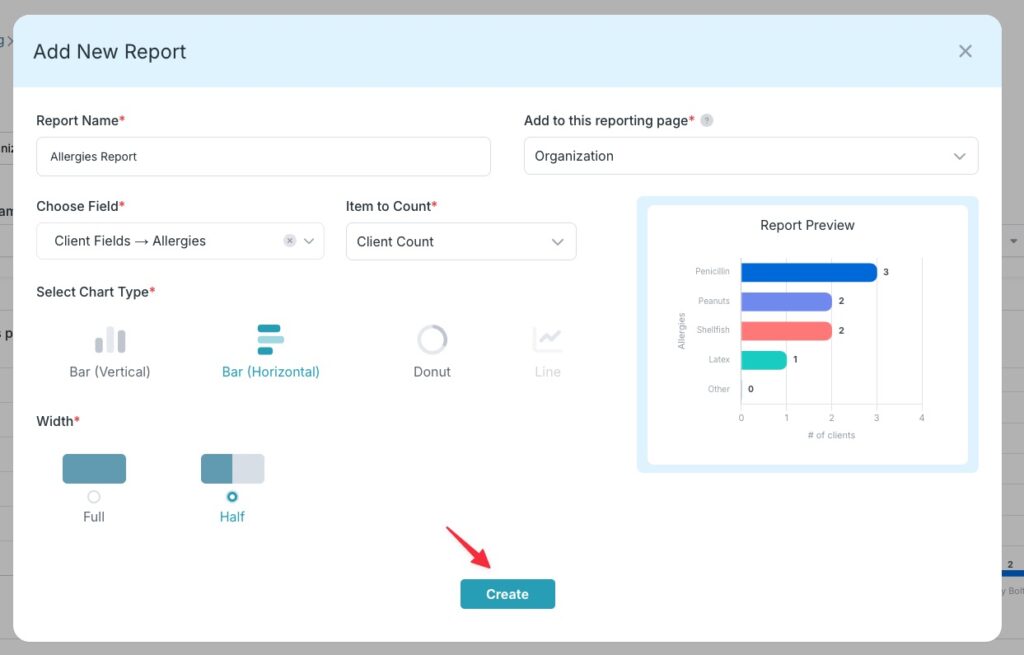
Tip: A report can also be created by selecting custom fields made on the client profile.
To see how an integrated platform can transform your organization’s workflow, sign up for a free 21-day trial today (no credit card required) and experience seamless management firsthand.
Frequently Asked Questions
Can clinical social workers successfully transition to macro policy practice?
Yes. Clinical social workers possess deep insight into systemic barriers and human behavior, making them exceptional policy advocates. Their direct experience with clients provides powerful qualitative evidence for policy reform.
How do grant writers support policy advocacy initiatives?
Grant writers secure the funding needed to run policy campaigns. They highlight data-driven policy reporting and outcome measurement to show grantmakers how legislative advocacy creates long-term structural change.
What is the difference between lobbying and policy advocacy?
Policy advocacy is a broad term that includes public education, research, community organizing, and media campaigns. Lobbying is a specific type of advocacy focused on attempting to influence explicit legislative votes or bills.
How can academic researchers make their findings more useful for policymakers?
Researchers can increase their policy impact by writing concise executive summaries, creating clear visual infographics, and building direct relationships with community organizations and legislative staffers.
What software tools do advocacy teams need to stay organized?
Advocacy teams need secure documentation and file storage for advocacy organizations, secure messaging, appointment scheduling, task management, and tracking tools to monitor campaign milestones and manage stakeholder communication efficiently.
Why is capacity building vital for human rights organizations?
Capacity building ensures that human rights organizations have the infrastructure, staff skills, and operational tools required to sustain long-term advocacy campaigns and react quickly to policy crises.
👉 Try it free today - No credit card needed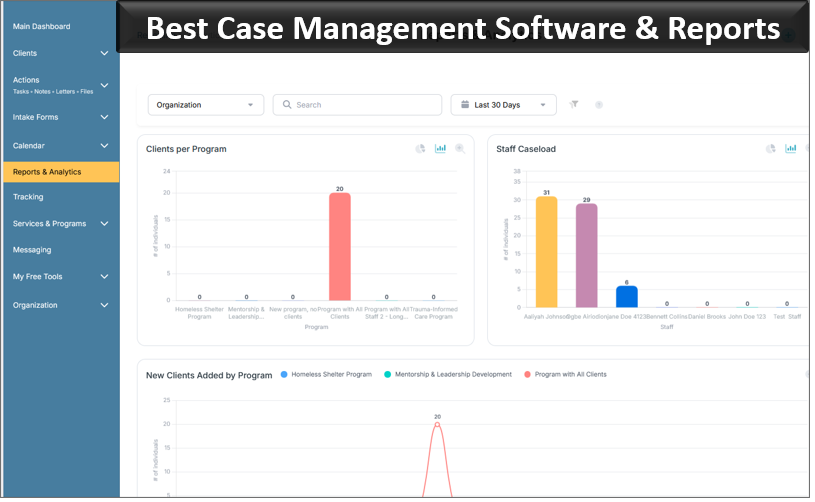
Note: Content on this website (socialworkportal.com) is copyrighted and protected under applicable copyright laws. Unauthorized reproduction, distribution, or use of any content from the website, without explicit written permission, is strictly prohibited. Read: Terms of Use.
Social Work Portal Disclaimer: Social Work Portal is not a social work agency and we do not refer social workers. This web site is provided for educational and informational purposes only and does not constitute providing medical advice or professional social and healthcare services. The information provided should not be used for diagnosing or treating a health problem or disease, and those seeking personal medical advice should consult with ... Read our full disclaimer here: Social Work Portal Disclaimer.