A Practical Privacy Workflow for Frontline Behavioral Clinicians
Finishing a 90-minute intake interview is mentally taxing on its own, yet the heaviest administrative work begins after the client walks out the door. Translating pages of fragmented shorthand across medical, psychiatric, trauma, and social history into a cohesive clinical narrative frequently consumes an extra hour of unpaid evening time. Many practitioners want to use generative tools like ChatGPT, Claude, Gemini, or Microsoft Copilot to organize raw intake notes faster, but hesitate out of a well-founded fear of exposing Protected Health Information (PHI) or jeopardizing their licensure.
You do not have to choose between charting late at night and risking a federal privacy breach. By combining strict de-identification rules with model-agnostic prompting guardrails and an encrypted clinical workspace, you can draft audit-ready evaluations in half the time while keeping complete clinical authority over every sentence.
Let’s get started
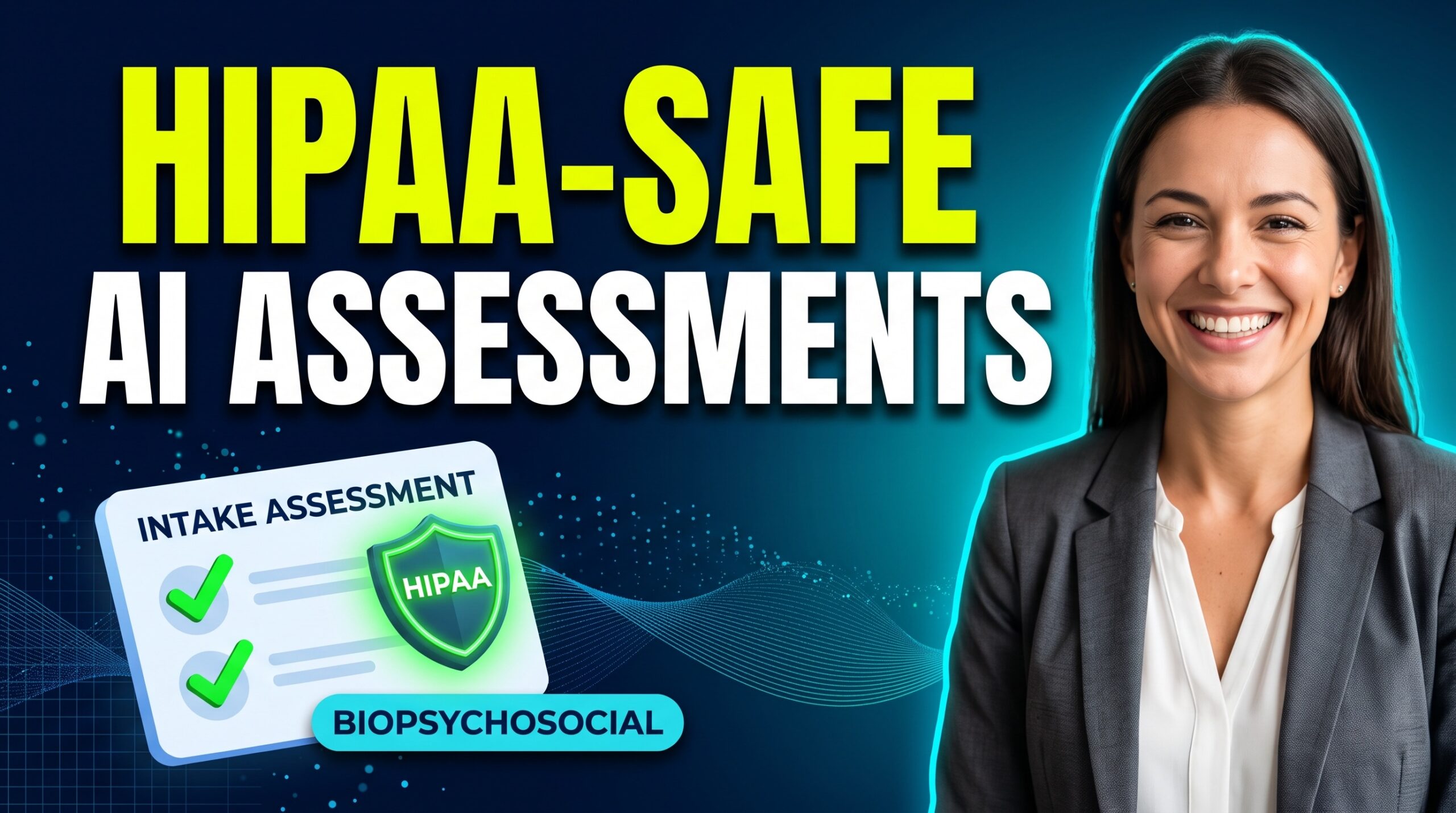
Watch this video:
or
read the guide below.
What You’ll Learn in This Guide
- How federal privacy laws apply across ChatGPT, Claude, Gemini, Copilot, and specialized AI scribes.
- A real before-and-after walkthrough for de-identifying client notes under HIPAA Safe Harbor rules.
- Copy-ready biopsychosocial assessment prompt examples for therapists and social workers that prevent AI fabrication.
- Essential human-in-the-loop AI clinical note guidelines to uphold NASW and licensing board standards.
- How HIPAA compliant case management software with intake forms keeps your finalized records organized and secure.
Free Download: Quick-Reference Desk Card: HIPAA-Safe AI Intake Workflow
Download your free Quick-Reference Desk Card: HIPAA-Safe AI Intake Workflow to keep at your desk, scrub all 18 Safe Harbor identifiers before prompting any AI model, and turn rough intake shorthand into structured, audit-ready biopsychosocial assessments in minutes.
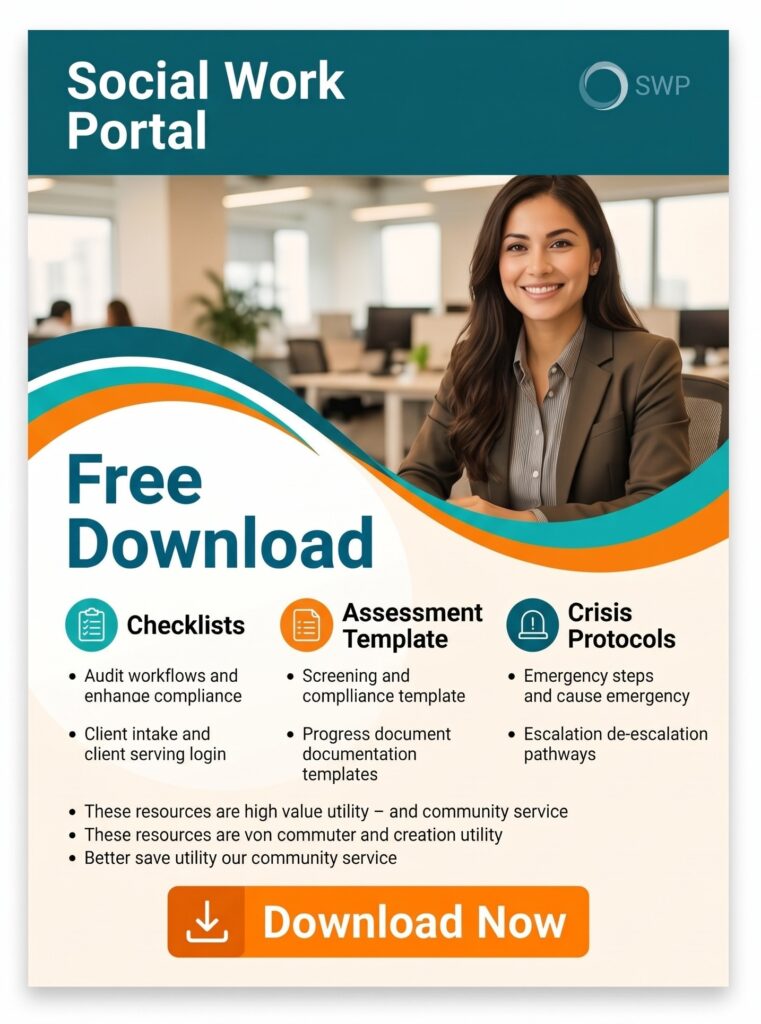
Download Your Free Resources Here
Everything in one place: clients, notes, forms, appointments, reports, and outcomes. 👉 Try it Free - No credit card needed💡All-in-one Case Management Software.
Are ChatGPT, Claude, Gemini, and Other AI Tools HIPAA Compliant?
If you are wondering, “is ChatGPT HIPAA compliant for mental health notes,” the short answer is no, and the same rule applies to standard consumer versions of Claude, Gemini, and Microsoft Copilot. Under federal regulations enforced by the U.S. Department of Health and Human Services, covered entities cannot transmit Protected Health Information to any third-party technology vendor unless that vendor signs a Business Associate Agreement (BAA). Without an executed BAA, entering identifiable client details into a public AI interface constitutes an unauthorized disclosure.
Many clinicians assume that turning off chat history, using temporary chats, or enabling privacy toggles makes consumer AI safe for clinical text. It does not. While OpenAI, Anthropic, Google Cloud, and Microsoft offer BAAs on qualifying enterprise API plans and paid business tiers, standard individual subscriptions lack legal HIPAA coverage. To master how to prevent HIPAA violations when using AI across any platform, treat every non-BAA prompt window as a public workspace and strip all identifying data before pasting a single line of clinical shorthand.
How Do You De-Identify Client Notes Across Any AI Platform?
Learning how to summarize intake interviews without exposing PHI relies on the HIPAA Safe Harbor de-identification standard. According to guidance from the U.S. Department of Health and Human Services, removing 18 categories of identifiers renders health data non-identifiable under federal law. Whether you are de-identifying client notes for ChatGPT, Claude, or Gemini, the sanitization protocol remains identical.
Before prompting any AI model, scrub four high-risk identifier groups from your raw notes:
- Names and Initials: Replace client, spouse, child, and provider names with neutral role tags like [Client], [Partner], or [Psychiatrist]. Never leave real initials in your text.
- Geographic and Exact Date Markers: Remove street addresses, cities, zip codes, and exact dates of birth, hospitalization, or arrest. Convert dates into relative durations such as “six months ago” or “age 41.”
- Contact, Account, and Identification Numbers: Delete phone numbers, email addresses, Social Security numbers, Medicaid or insurance IDs, and medical record numbers.
- Unique Employers or Rare Events: Generalize specific workplaces, schools, or publicized incidents into broad descriptions like “works night shifts in logistics” or “attends a state university.”
Here is how a messy intake snippet transforms into safe, model-agnostic input:
- Unsafe Raw Shorthand (Contains PHI): “Marcus Vance, DOB 04/12/1988, lives at 412 Oak St, Springfield. Referred by Dr. Patel after ER visit at Mercy General on 10/03/2026 for panic attack. Lost warehouse job at Apex Logistics two weeks ago. Drinks 4 beers nightly to sleep. Denies SI/HI. Wife Elena supportive.”
- Safe Harbor De-Identified Input (Ready for Any AI): “[Client], age 38, referred by [Primary Care Provider] following an emergency department visit three weeks ago for acute panic symptoms. Recently laid off from full-time warehouse employment two weeks ago. Reports consuming four beers nightly for sleep onset. Denies suicidal or homicidal ideation. Reports supportive relationship with [Spouse].”
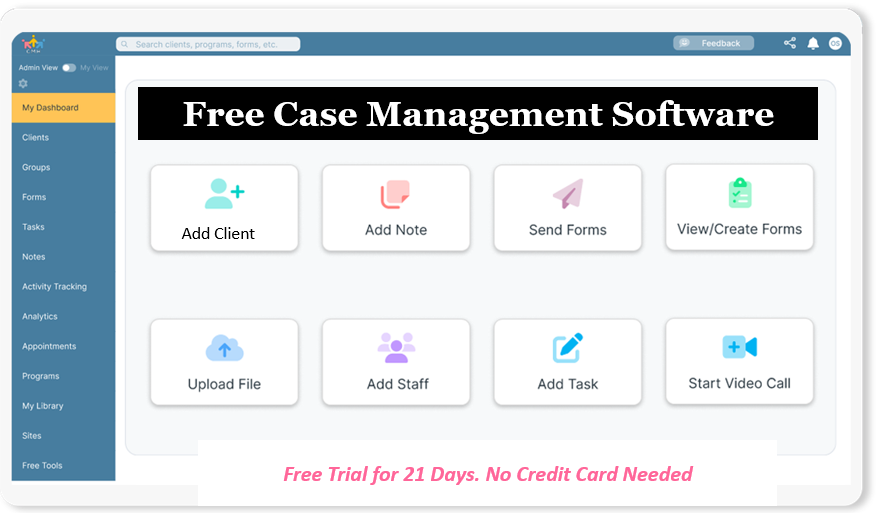
👉 Try it Free - Free Case Management System
What Are the Best Biopsychosocial Assessment Prompt Examples for Therapists?
Once your shorthand is sanitized, the quality of your draft depends entirely on prompt structure. Unstructured prompts cause large language models to over-summarize, blend client self-report with clinical observation, or invent diagnostic conclusions to sound helpful.
Use this universal prompt template across ChatGPT, Claude, Gemini, or Copilot to generate a clean, objective clinical draft:
Universal Clinical Assessment Prompt:
“Act as a licensed behavioral health clinician drafting a formal biopsychosocial assessment from de-identified intake shorthand. Organize the facts below into five sections: Presenting Problem and History, Biological Factors (medical conditions, medications, sleep, appetite, substance use), Psychological Factors (mental status observations, mood, trauma history, coping mechanisms), Social Factors (housing, employment, family dynamics, legal or financial stressors), and Clinical Risk and Strengths. Use objective, third-person clinical phrasing and distinguish client self-report (‘Client reports…’) from clinical observation. Refer to the individual strictly as [Client]. Do not infer unstated symptoms, fabricate clinical details, or assign a DSM-5-TR diagnosis. At the end, list any standard biopsychosocial domains missing from the shorthand so I can address them: [Paste Sanitized Notes]”
Asking the model to list missing domains at the bottom turns any AI tool into a built-in quality check, alerting you if you forgot to document family psychiatric history or substance use screening during a busy session.
All-in-One Case Management Software
Sign Up Today, Free
No credit card needed!
Do You Have a Team? | ||
Our best all-in-one client and top case management software simplifies everything from client intake and assessments to programs, projects, goals tracking, planning, scheduling, documentation, reporting dashboard, and progress tracking.
What Human-in-the-Loop AI Clinical Note Guidelines Protect Your License?
Using HIPAA compliant AI for clinical documentation speeds up narrative formatting, yet it never shifts legal or ethical accountability away from the practitioner. Per National Association of Social Workers ethical standards on technology and competence, clinicians remain solely responsible for the accuracy, clinical soundness, and confidentiality of every chart entry they sign.
Follow three practical human-in-the-loop AI clinical note guidelines before finalizing your evaluation:
- Verify Every Clinical Fact Against Raw Notes: AI models occasionally smooth over ambiguity by inserting plausible details you never documented. Cross-check every medication name, dosage, symptom timeline, and safety statement against your original intake shorthand.
- Write the Diagnostic Formulation Yourself: Let AI organize chronological background history, while you author the clinical summary, medical necessity justification, and diagnostic impression. Insurance auditors and clinical supervisors evaluate your individualized clinical reasoning, not generic prose.
- Maintain Transparent Informed Consent: Review agency policies around AI ethics in social work documentation and update your intake consent forms to explain how de-identified administrative tools support charting accuracy.
How Digital Tools Streamline Biopsychosocial Assessments
Even with disciplined de-identification habits, managing raw intake notes, browser tabs, static word-processing files, and separate task lists creates avoidable friction. According to workforce research from the National Council for Mental Wellbeing, excessive administrative and documentation requirements remain one of the leading drivers of burnout among behavioral health professionals. Copying drafts across disconnected windows also increases the chance of accidentally pasting unredacted names or losing track of follow-up referrals.
Purpose-built clinical software eliminates that fragmented workflow by housing intake collection, standardized templates, and client records inside one encrypted platform. Instead of piecing together scattered documents, practitioners can use a digital biopsychosocial evaluation form alongside customizable clinical note templates for ongoing care.
| Workflow Dimension | Manual / Paper-Based Workflow | Automated Digital Workflow |
| Intake Collection | Handwritten pads or static PDFs requiring manual re-entry into separate files | Customizable digital intake forms stored directly inside each client profile |
| Assessment Drafting | Building narratives from blank documents or fragmented copy-paste windows | Standardized biopsychosocial assessment template for social workers with clear sections |
| HIPAA & BAA Protection | High risk of misplacing paper notes or pasting unredacted PHI into public AI tools | Encrypted workspace protected by a signed Business Associate Agreement and access controls |
| Ongoing Care Continuity | Re-typing intake goals manually into separate progress note folders | Centralized client charts linking intake form reports with SOAP and DAP note templates |
| Follow-Up & Oversight | Sticky notes for referrals and manual spreadsheet audits for compliance | Manual staff task assignments, supervisor review workflows, and built-in clinical reporting |
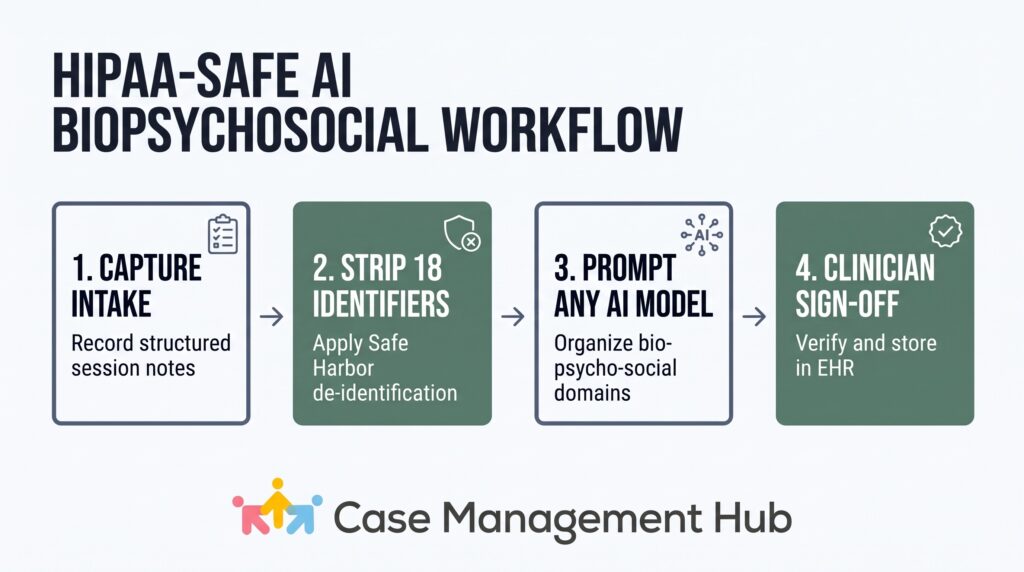
Pairing Safe Harbor prompting with automated clinical intake documentation software allows care teams to streamline mental health intake assessments while keeping every finalized record centralized and audit-ready.
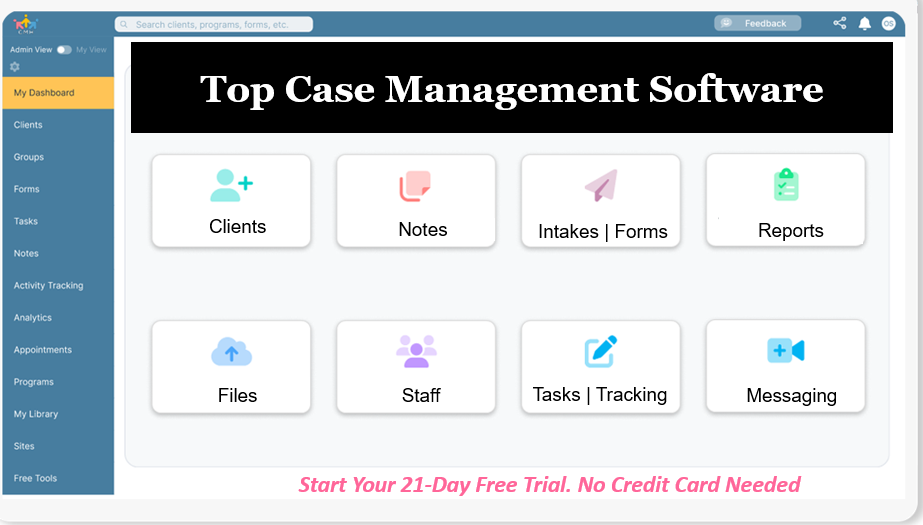
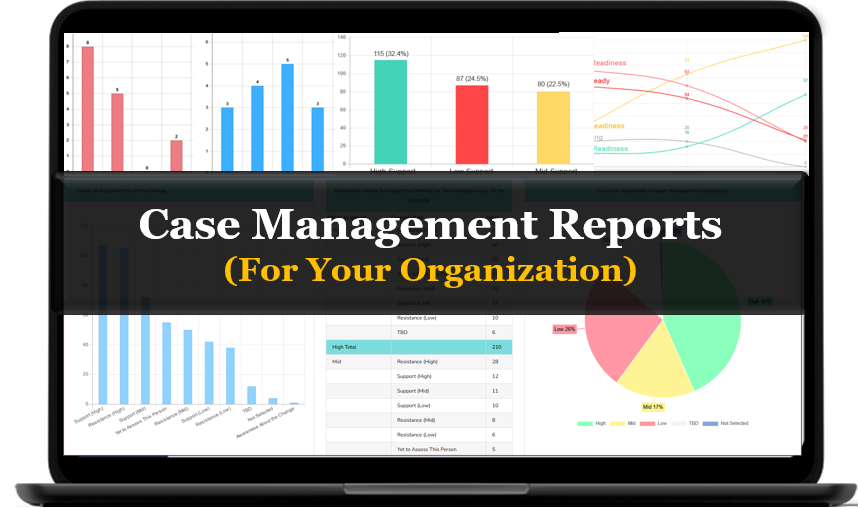

People Also Ask
Is any major AI tool HIPAA compliant out of the box?
No. Free and standard individual paid plans for ChatGPT, Claude, Gemini, and Microsoft Copilot do not include a Business Associate Agreement. Clinicians must either purchase an enterprise tier with an executed BAA or strictly remove all 18 HIPAA Safe Harbor identifiers before entering clinical notes into any AI model.
Can I use AI to summarize intake notes if I only remove the client’s name?
Removing only the client’s name violates HIPAA privacy standards. Under federal Safe Harbor guidelines, you must strip all 18 categories of identifiers, including dates, cities, zip codes, phone numbers, employers, and medical record numbers, before pasting text into a non-HIPAA-compliant platform.
Which AI model is best for organizing biopsychosocial assessments?
ChatGPT, Claude, and Gemini all perform well at organizing de-identified intake shorthand when given explicit section headers and strict anti-fabrication rules. Claude and Gemini are particularly strong at following formatting constraints on long intake transcripts, provided you verify every clinical detail manually before signing.
How much charting time can AI save on an intake evaluation?
When combined with structured intake templates and a reusable domain prompt, practitioners typically cut post-session drafting time from 60 minutes down to 15 or 20 minutes per evaluation. The biggest efficiency gain comes from letting AI structure chronological medical and social history while you focus on clinical formulation.
Do insurance payers audit notes differently if AI helped draft them?
Insurance reviewers evaluate whether the signed assessment establishes medical necessity, accurate symptom severity, and individualized treatment goals, regardless of whether an administrative tool helped format the text. A licensed clinician must review, edit, and sign the final note to assume full clinical responsibility.
Do clinicians need client consent to use AI for documentation?
While HIPAA permits using de-identified data without separate authorization, ethical guidelines from the National Association of Social Workers emphasize transparency and informed consent. Adding clear language to your intake paperwork explaining how encrypted software and de-identified tools support documentation protects client trust.
Centralize Your Intakes, Notes, and Tracking in One Secure Workspace
Using Safe Harbor rules to draft assessments with AI cleans up messy session shorthand, yet storing finalized evaluations across disconnected folders, calendars, and billing spreadsheets still drains valuable clinical hours. Case Management Hub brings your entire practice workflow into one HIPAA secure platform for behavioral health case management.
Built as an all-in-one software for social workers and case managers, Case Management Hub features a custom intake form builder for therapists and case managers alongside standardized clinical note templates for biopsychosocial evaluations, SOAP notes, and DAP notes. Every client profile connects intake form reports, goal and progress tracking, manual staff tasks, appointment scheduling, secure messaging, billing, and case management software with clinical reporting and notes under a signed Business Associate Agreement.
Start Your 21-Day Free Trial (No Credit Card Required)
Frequently Asked Questions
How do I write a biopsychosocial assessment with AI without violating HIPAA?
Take session shorthand using neutral placeholders like Client instead of names, dates, or addresses. Confirm that all 18 HIPAA Safe Harbor identifiers are removed, run your sanitized notes through a structured prompt covering biological, psychological, and social domains, and paste the draft into a HIPAA-compliant platform where you complete the diagnostic formulation and sign the record.
What is a Business Associate Agreement for AI clinical tools, and when do I need one?
A Business Associate Agreement (BAA) is a legally binding contract required under HIPAA whenever a third-party vendor creates, receives, maintains, or transmits Protected Health Information on behalf of a healthcare provider. You must have a signed BAA before entering identifiable client information into any AI platform, cloud storage service, or case management system.
How can clinical supervisors train graduate interns on safe AI use?
Supervisors should establish a clear agency policy prohibiting unredacted PHI in public AI interfaces, supply a printed 18-identifier redaction checklist, and compare early intern drafts directly against raw intake notes. Reviewing drafts together teaches interns to spot subtle AI extrapolations and maintain strong clinical reasoning habits.
How does secure client intake and SOAP note software improve daily documentation?
Digital intake forms allow clinicians and clients to capture structured background information inside an encrypted client profile from day one. Having intake form reports, standardized biopsychosocial templates, and ongoing SOAP or DAP note templates inside one system eliminates scattered files and speeds up supervisory reviews.
What sections belong in a complete biopsychosocial assessment template for social workers?
A thorough template should include presenting concerns, psychiatric and medical history, current medications, substance use screening, trauma and developmental history, mental status exam observations, family and community support systems, housing and financial stability, client strengths, and a clinical summary linked to measurable goals.
How do I stop AI models from inventing clinical interpretations?
Add explicit negative constraints to your prompt instructing the model to rely strictly on your provided shorthand, separate client self-report from clinician observation, avoid inferring unstated symptoms, and list missing domains instead of guessing. Always audit the finished draft line by line before adding your signature.
👉 Try it free today - No credit card needed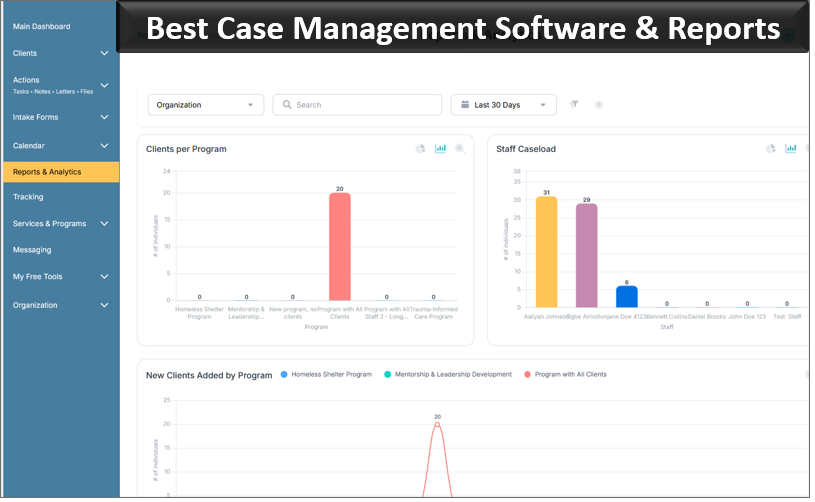
Note: Content on this website (socialworkportal.com) is copyrighted and protected under applicable copyright laws. Unauthorized reproduction, distribution, or use of any content from the website, without explicit written permission, is strictly prohibited. Read: Terms of Use.
Social Work Portal Disclaimer: Social Work Portal is not a social work agency and we do not refer social workers. This web site is provided for educational and informational purposes only and does not constitute providing medical advice or professional social and healthcare services. The information provided should not be used for diagnosing or treating a health problem or disease, and those seeking personal medical advice should consult with ... Read our full disclaimer here: Social Work Portal Disclaimer.