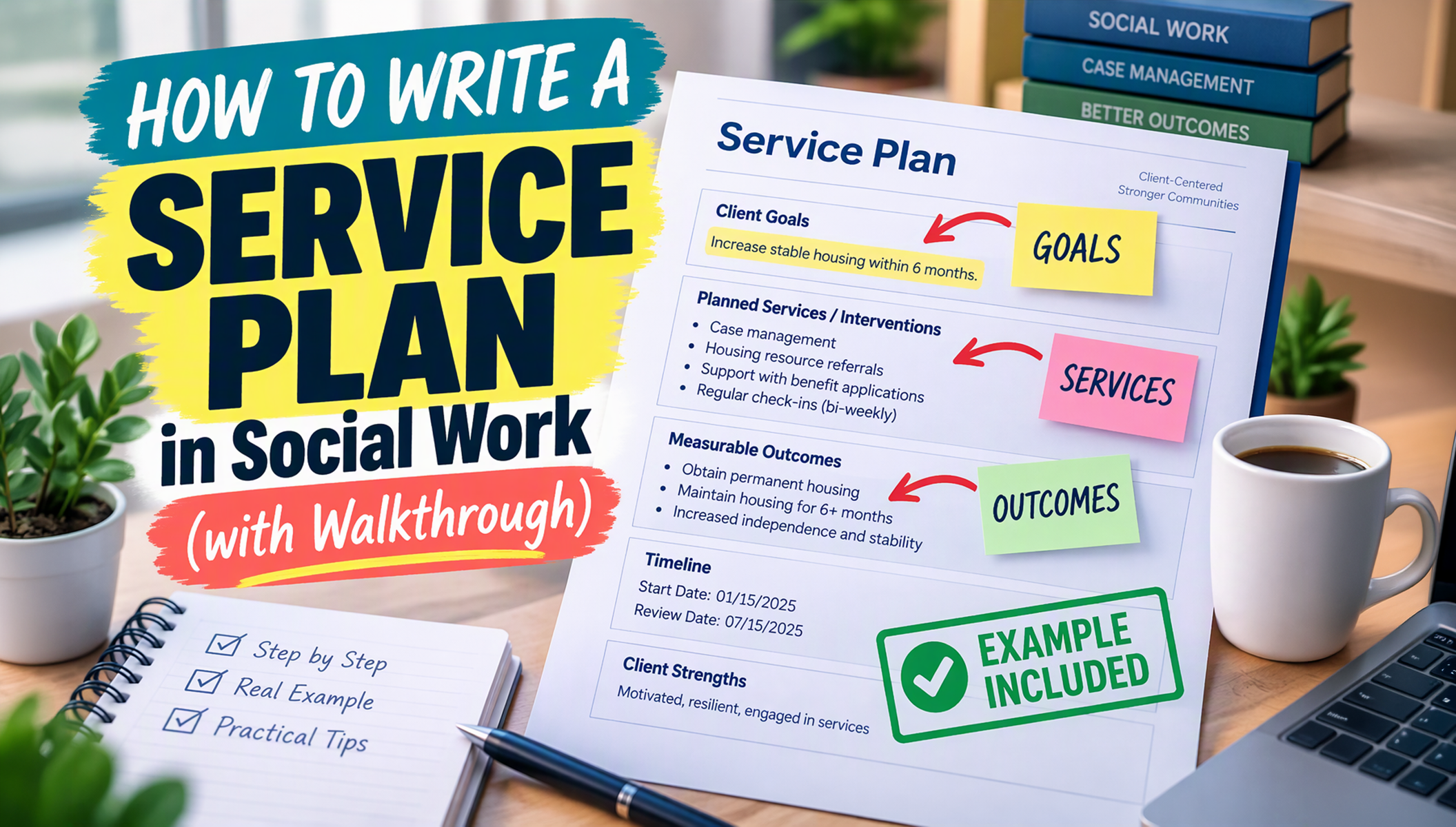
Learn How to Create a Case Management Service Plan Template
A service plan is the document that turns an assessment into action. It tells everyone involved what the client wants to change, what support will be provided, who is responsible for each piece, and how progress will be measured.
A strong service plan keeps your work focused and makes your documentation easier to defend during case reviews. A vague one gets filed and forgotten.
Read on or watch the video to learn what a social services service plan is, what belongs in it, how to write one step by step, and how to build SMART (Specific, Measurable, Achievable, Relevant, Time-Bound) goals. Bonus: Examples from several settings.
Watch this video:
or
read the guide below.
What Is a Service Plan in Social Work?
A service plan, sometimes called an individual service plan (ISP) or individualized service plan, is a written agreement that outlines a client’s goals, the services that will support them, and the steps each person will take. It is created after an assessment and built with the client.
Social workers, case managers, and human services professionals use service plans in child welfare, behavioral health, housing, aging services, disability services, and many other settings. The name and format vary by agency and funder, but the purpose stays the same: connect what the client needs to what will be done about it.
💡All-in-one Case Management Software.
Everything in one place: clients, notes, forms, appointments, reports, and outcomes.
👉 Try it Free - No credit card needed
How Is a Service Plan Different from a Treatment Plan or Care Plan?
The terms overlap, and agencies use them in different ways. A treatment plan usually focuses on clinical goals tied to a diagnosis, such as reducing symptoms of anxiety or depression. A care plan often centers on health and daily living needs, and is common in medical and long-term care settings.
A service plan is broader. It can bring housing, income, education, family relationships, transportation, and clinical care into one document. Many behavioral health programs use a service plan that contains treatment goals as one section. When in doubt, follow your agency’s required terminology and the language your funder or licensing body uses.
👉 Try it Free - Free Case Management System
What Should a Service Plan Include?
Requirements differ by program, but most service plans cover these elements:
- Client information and the date the plan was developed
- A summary of the assessment, including strengths, needs, and barriers
- Goals, written in the client’s own words where possible
- Measurable objectives that break each goal into smaller steps
- Services and interventions, with the provider, frequency, and duration
- Responsible parties and target dates
- The client’s signature and consent, plus any other required signatures
- Review dates and a place to record progress
All-in-One Case Management Software
Sign Up Today, Free
No credit card needed!
Do You Have a Team? | ||
Our best all-in-one client and top case management software simplifies everything from client intake and assessments to programs, projects, goals tracking, planning, scheduling, documentation, reporting dashboard, and progress tracking.
How Do You Write a Service Plan Step by Step?
Step 1 – Complete the assessment first.
A biopsychosocial or other strengths-based assessment gives you the needs, strengths, resources, and risks that the plan will respond to.
Step 2 – Meet with the client to set priorities.
Ask what matters most to them. A client who needs stable housing before anything else will not engage with a plan that opens with parenting classes.
Step 3 – Write goals in plain language.
Start with the client’s words, then shape them into a goal everyone can understand.
Step 4 (optional) – Turn each goal into SMART objectives.
Break larger goals into smaller steps that can be checked and measured.
Example of a service plan created in Case Management Hub
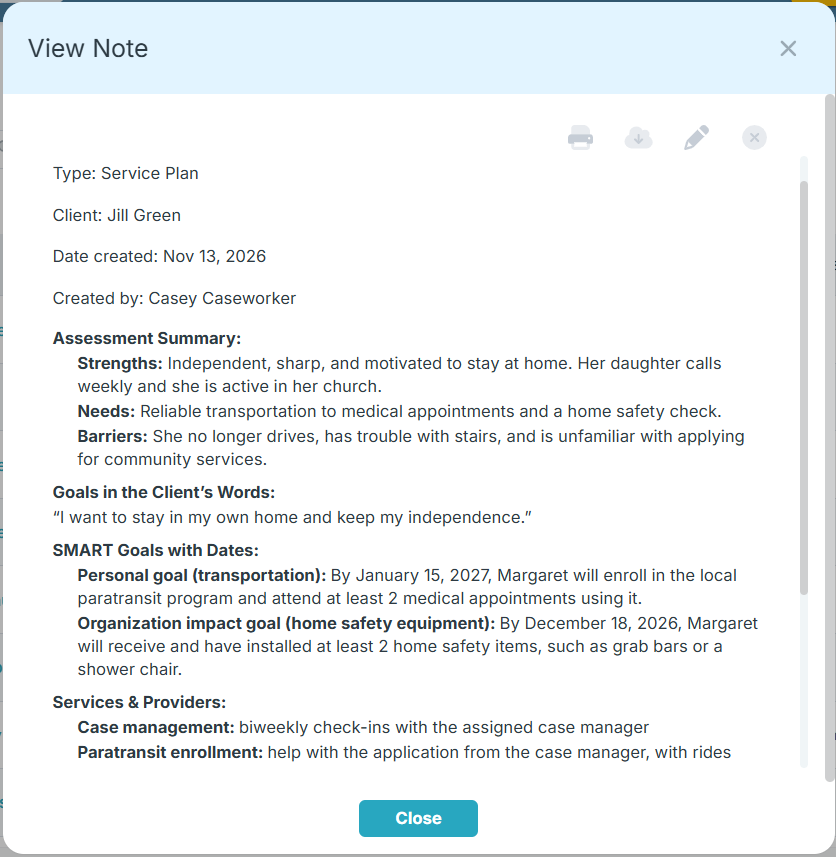
Watch the video to see how this service plan template was created.
Step 5 – Match services and supports to each objective.
List who will provide each service, how often, and for how long.
Step 6 – Assign responsibilities and dates.
Include tasks for the client, the worker, and any other providers so the plan does not rest on one person.
Step 7 – Review the plan with the client.
Read it together, confirm they agree and understand it, and give them a copy.
Step 8 – Set review dates and document progress.
A plan only works if you return to it.
👉 Try it Free today - No credit card needed
What Are SMART Goals, and How Do You Write Them for Clients?
SMART stands for Specific, Measurable, Achievable, Relevant, and Time-Bound. A SMART goal replaces a vague intention with something that both the client and the worker can check.
- Specific: names exactly what will change
- Measurable: includes a number, a frequency, or an observable result
- Achievable: realistic given the client’s current resources and circumstances
- Relevant: matters to the client and connects to the assessment
- Time-Bound: has a target date
Here is the difference in practice. A weak goal reads, “Client will improve mental health.” A SMART version reads, “Within 90 days, the client will attend at least 10 of 12 scheduled counseling sessions and report a drop of at least five points on the PHQ-9 (Patient Health Questionnaire-9).”
What Do Service Plans Look Like in Different Settings?
A SMART goal is easier to understand when you see it inside a complete plan. These four short examples show how the client’s goal, measurable objectives, services, and review schedule fit together. Adjust the details and timelines to match your program and each client’s situation.
Child Welfare
- Client situation: A parent working toward reunification with two children in foster care.
- Client goal: “I want my kids back home safely.”
- Objectives: Within 60 days, the parent will complete an eight-session parenting course. Over the next 90 days, the parent will attend at least 90 percent of scheduled supervised visits.
- Services: Parenting education, supervised visitation, and weekly caseworker contact.
- Review: Every 30 days.
Behavioral Health
- Client situation: An adult experiencing frequent panic episodes that make it hard to work.
- Client goal: “I want to feel calm enough to go to work every day.”
- Objectives: Within 12 weeks, the client will attend at least 10 of 12 counseling sessions, use a coping skills worksheet four days a week, and reduce panic episodes from daily to no more than twice a week.
- Services: Weekly individual counseling, a coping skills group, and a case manager check-in every two weeks.
- Review: Every 30 days.
Housing
- Client situation: An adult leaving a shelter who needs stable housing.
- Client goal: “I want a place of my own.”
- Objectives: Within 45 days, the client will submit five rental applications and gather the required documents, including identification, proof of income, and references. Within 90 days, the client will sign a lease.
- Services: Housing search support, a rental assistance application, and weekly case manager meetings.
- Review: Every 30 days.
Older Adults
- Client situation: A 78-year-old living alone who has missed medical appointments because of transportation barriers.
- Client goal: “I want to stay in my own home and get to my appointments.”
- Objectives: Within 30 days, the client will enroll in the local paratransit program. By day 60, the client will attend at least two scheduled medical appointments using that service.
- Services: Help with transportation enrollment, care coordination with the primary care office, and a monthly home visit from the case manager.
- Review: Every 60 days.

How Do You Keep a Service Plan Person-Centered?
Person-centered planning treats the client as the expert on their own life. A few habits make this real. Use the client’s words when you write goals. Ask about strengths and what has worked for them before. Offer choices between services whenever possible. Check in regularly on whether the goals still fit.
A strengths-based approach asks what the client already does well, so goals build on existing skills instead of only addressing problems. Trauma-informed practice adds attention to pacing, consent, and avoiding a plan that feels imposed. Clients tend to engage more with plans they helped shape.
🔥Still using spreadsheets for case management?
Switch to an all-in-one case management platform.
👉 Try it Free - No credit card needed
How Often Should a Service Plan Be Reviewed?
The schedule depends on your program, funder, and state or local rules. Many programs review plans every 30, 60, or 90 days. Some require a review at least every six months, or whenever circumstances change significantly, such as a move, a hospitalization, or a loss of income. Check your agency policy and any applicable regulations.
At each review, record progress on every objective, note any barriers, and revise goals that no longer fit. A plan that changes with the client is more useful than one that stays the same for a year.
👉 Try this Case Management Software free today
No credit card needed
How Can I Create a Digital Service Plan Template?
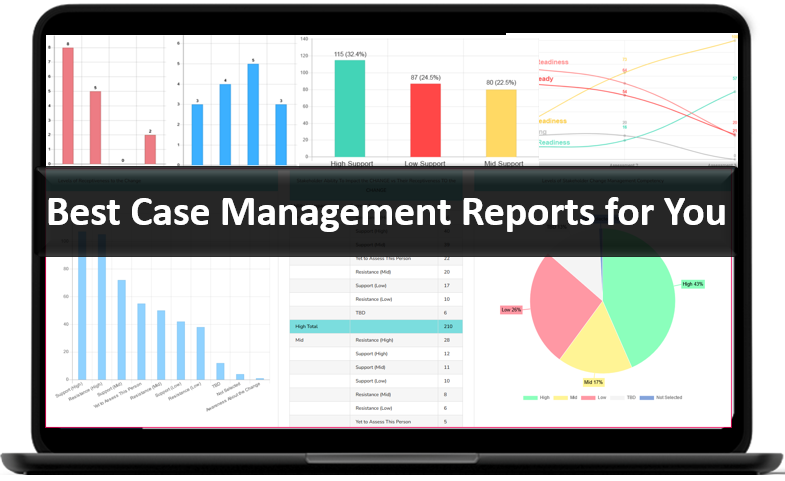
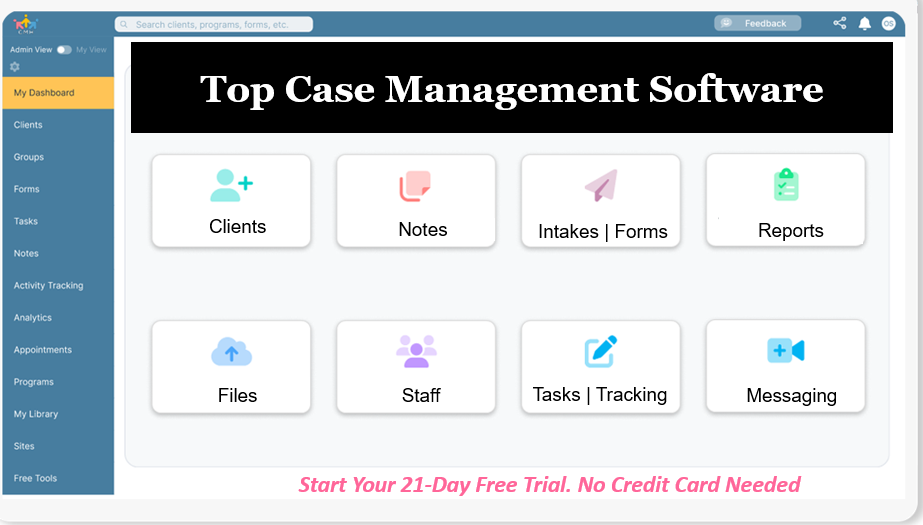
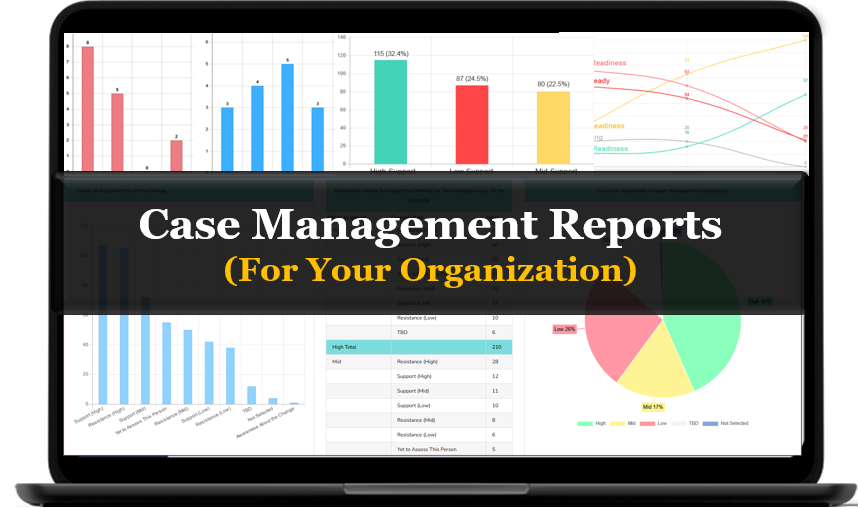
Paper forms and spreadsheets are hard to update, easy to lose, and slow to pull together at review time. Case management software keeps service plans, assessments, and case notes in one place, so progress is documented as it happens instead of reconstructed later.
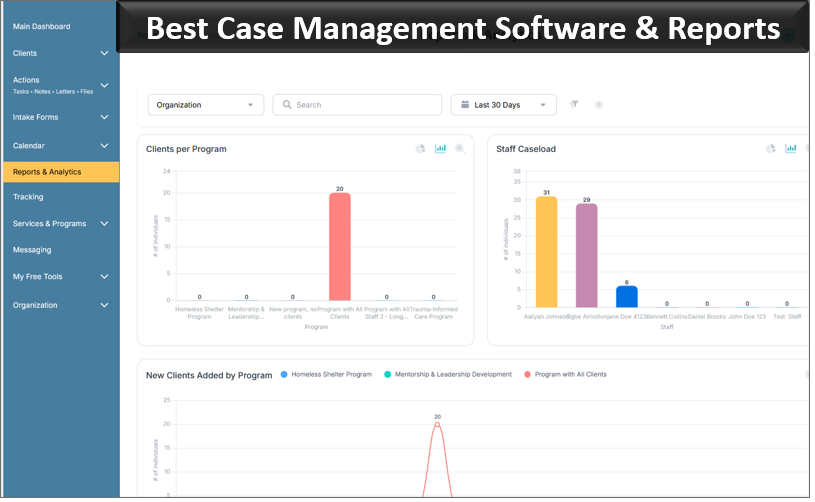
Case Management Hub is HIPAA-compliant case management software built for social workers, social services professionals, and behavioral health teams. It supports the daily work around intakes, assessments, documentation, billing and more. The custom note template feature is perfect for adding your service plan template, so plans are consistent every time and connect to the rest of the client record.
Start a free trial today to see how it fits your workflow (no credit card needed).
👉 Try it Free - Free Case Management System
Common Questions Asked About Social Work Service Plans
What is the purpose of a service plan?
A service plan documents what the client wants to achieve, which services will support them, and how progress will be tracked. It also gives providers a shared reference and supports accountability to funders and regulators.
Who writes the service plan in case management?
The case manager or social worker usually leads, working directly with the client. Supervisors, other service providers, and family members may contribute, depending on the program and the client's wishes.
How many goals should a service plan have?
Most plans work best with a small number of priority goals, often two to four. Too many goals can overwhelm the client and make progress harder to track. You can always add new goals as earlier ones are met.
Can a client refuse part of a service plan?
In most voluntary programs, yes. Clients have the right to self-determination. Document their concerns, explore alternatives, and revisit the item later. Plans that are court-ordered or required for a program may have requirements that cannot be waived, so explain those clearly.
👉 Try it free today - No credit card needed
Note: Content on this website (socialworkportal.com) is copyrighted and protected under applicable copyright laws. Unauthorized reproduction, distribution, or use of any content from the website, without explicit written permission, is strictly prohibited. Read: Terms of Use.
Social Work Portal Disclaimer: Social Work Portal is not a social work agency and we do not refer social workers. This web site is provided for educational and informational purposes only and does not constitute providing medical advice or professional social and healthcare services. The information provided should not be used for diagnosing or treating a health problem or disease, and those seeking personal medical advice should consult with ... Read our full disclaimer here: Social Work Portal Disclaimer.