Elevating Clinical Efficiency: Your Ultimate Guide to Ultra-Brief Screeners
In busy healthcare settings, balancing thorough patient assessment with limited time is an ongoing operational challenge. Primary care providers, emergency department staff, and behavioral health specialists need rapid, validated methods to gauge client needs immediately.
The PHQ-4 screening tool manual provides an evidence-based roadmap for implementing a four-item questionnaire that targets the core symptoms of both anxiety and depression. By embedding this ultra-brief instrument into standard intake protocols, clinics can optimize their workflows, improve diagnostic pathways, and connect vulnerable individuals with targeted interventions more quickly.
Let’s get started
Watch this video:
or
read the guide below.
What You Will Learn in This Article
- How to score and interpret the 4-item Patient Health Questionnaire
- Strategies for integrating ultra-brief measures into clinical workflows
- A clear comparison of standard screening tools versus rapid options
- How digital platforms streamline high-volume behavioral health triage
- Legal, privacy, and security considerations for digital data collection
- How to choose the right intake system for your practice
Everything in one place: clients, notes, forms, appointments, reports, and outcomes. 👉 Try it Free - No credit card needed💡All-in-one Case Management Software.
Why Is the PHQ-4 Essential for Rapid Mental Health Triage Protocols?
Mental health crises and comorbid psychological conditions frequently surface outside of traditional psychiatric offices. Hospital intake coordinators, school counselors, and primary care physicians are often the first line of defense. Unfortunately, long-form diagnostic tools can slow down operations, leading to lengthy waiting times and clinical bottlenecks.
Implementing rapid mental health triage protocols centered around the Patient Health Questionnaire-4 addresses these challenges directly. Composed of two items from the PHQ-9 (depression) and two items from the GAD-7 (anxiety), this combined scale measures symptom severity over the past two weeks.
According to research published in Psychosomatics, the PHQ-4 is a highly reliable instrument; factor analysis demonstrates that its two discrete subscales account for 84% of total variance in symptom presentation. By using an ultra-brief mental health assessment, triage personnel can flag high-risk individuals within ninety seconds, making it an indispensable asset for high-volume environments like emergency rooms and community health centers.
How Do You Use the Four-Item Patient Health Questionnaire Scoring System?
The true power of this screener lies in its simplicity. Each of the four questions is scored on a Likert scale from 0 to 3, depending on symptom frequency:
- 0: Not at all
- 1: Several days
- 2: More than half the days
- 3: Nearly every day
The total score ranges from 0 to 12. Clinicians use a standardized PHQ-4 clinical interpretation guide to categorize the results:
- 0–2: Normal
- 3–5: Mild
- 6–8: Moderate
- 9–12: Severe

Additionally, the subscales can be evaluated independently. Items 1 and 2 make up the GAD-2 (anxiety subscale), while items 3 and 4 form the PHQ-2 (depression subscale). A score of 3 or higher on either subscale serves as a critical clinical threshold, suggesting that the patient requires a more exhaustive follow-up assessment, such as the full DSM-5 cross-cutting symptom measures.
| Screening Tool | Administration Time | Primary Target | Ideal Clinical Setting |
| PHQ-4 | Under 2 minutes | Anxiety & Depression | Emergency Triage, Primary Care Intake, Schools |
| PHQ-9 | 5–10 minutes | Depression Only | Dedicated Mental Health Therapy, Psychiatric Care |
| GAD-7 | 5–10 minutes | Anxiety Only | Outpatient Behavioral Health, Psychiatry |
👉 Try it Free - Free Case Management System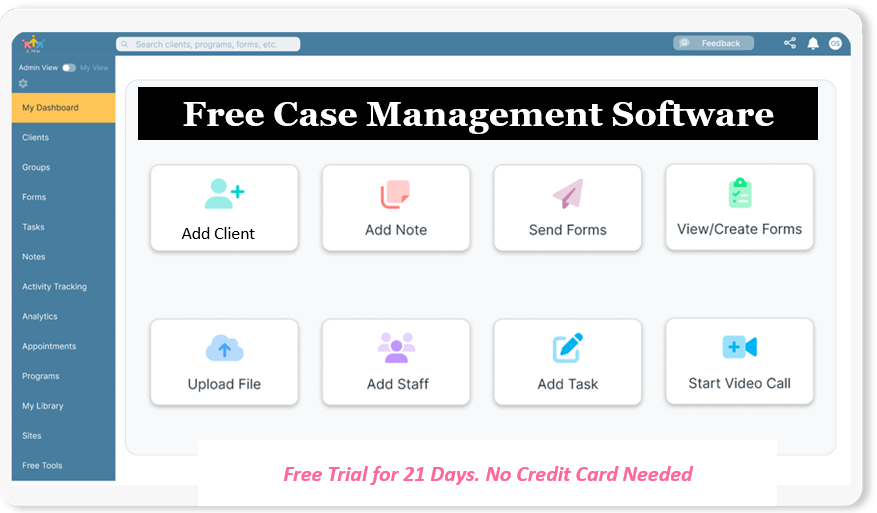
What Role Does Technology Play in Integrated Behavioral Health Workflows?
Transitioning from paper-based forms to digital infrastructure is crucial for modern healthcare administrators and clinic directors. Relying on a physical patient health questionnaire 4 PDF can lead to manual scoring errors, lost documentation, and delayed care coordination.
Integrating automated patient health questionnaires into your digital ecosystem eliminates these issues. When a patient completes their digital intake form via a secure portal, the system instantly calculates the score and routes the data to the provider’s dashboard.
In integrated behavioral health workflows, this automated triage allows medical assistants and nurses to flag critical scores before the physician even steps into the exam room. This immediate availability of data directly improves clinical decision-making and patient safety.
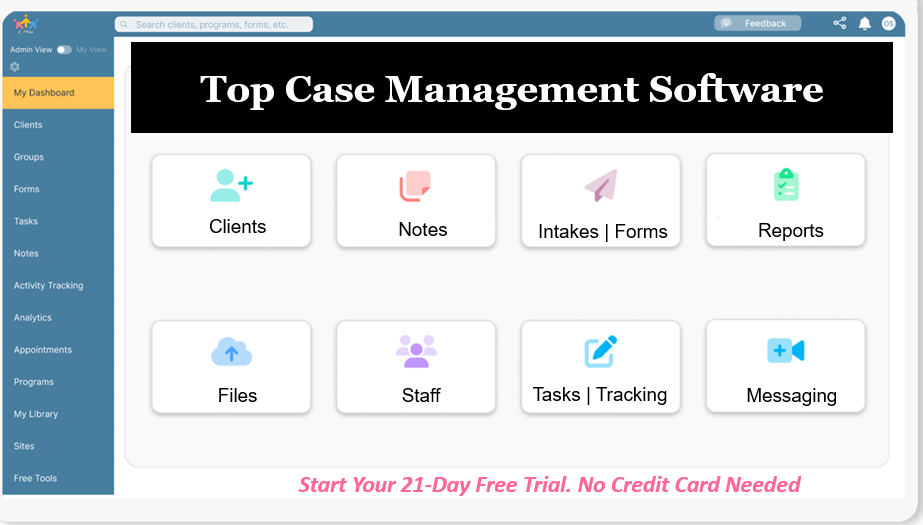
Do You Have a Team? Our best all-in-one client and top case management software simplifies everything from client intake and assessments to programs, projects, goals tracking, planning, scheduling, documentation, reporting dashboard, and progress tracking.All-in-One Case Management Software
Sign Up Today, Free
No credit card needed!
How Do All-in-One Platforms Enhance Client Progress Tracking?
Managing a behavioral health practice or a fast-paced clinic requires tools that look beyond the initial intake. Once an initial risk score is established, tracking patient outcomes over time becomes the primary clinical objective for social workers, case managers, and counselors.
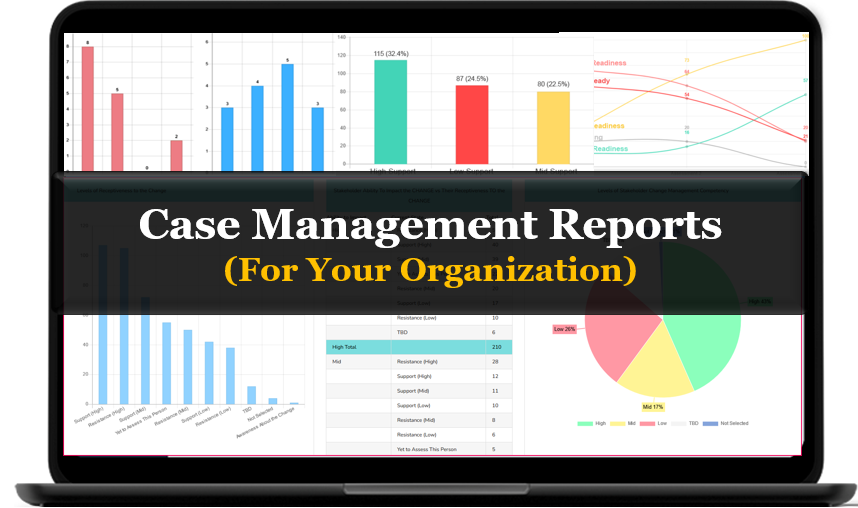
Using a secure client progress tracking platform ensures that subsequent PHQ-4 scores are mapped visually over time. This continuous tracking helps clinicians monitor treatment efficacy and adjust therapeutic goals or medical interventions dynamically. Furthermore, having an all-in-one clinical intake software allows providers to link these clinical outcome metrics directly with their broader operations, including scheduling, documentation, and secure peer-to-peer communication.

People Also Ask
What is the PHQ-4 screening tool used for?
The PHQ-4 is an ultra-brief, four-item self-report questionnaire designed to rapidly screen for the presence and severity of anxiety and depression symptoms.
How do you score and interpret the PHQ-4?
The tool is scored from 0 to 12. Individual items are rated 0 to 3. Total scores of 3–5 indicate mild symptoms, 6–8 indicate moderate symptoms, and 9–12 suggest severe symptoms. Subscale scores of 3 or higher on the GAD-2 or PHQ-2 warrant further diagnostic evaluation.
Is the PHQ-4 a diagnostic tool?
No, the PHQ-4 is strictly a preliminary screening tool. It indicates symptom severity and flags potential risks, but it cannot be used to make a formal clinical diagnosis without a comprehensive clinical interview.
Can the PHQ-4 be used for adolescents?
Yes, clinical studies have validated the use of the PHQ-4 in both adolescent and adult populations, making it highly effective for routine mental health screening in schools and pediatric clinics.
What is the difference between the PHQ-4 and the PHQ-9?
The PHQ-4 screens for both anxiety and depression using four brief questions, whereas the PHQ-9 focuses exclusively on depression using nine distinct diagnostic criteria items.
Why is an automated PHQ-4 better than paper screening?
Automated tools eliminate manual scoring errors, save immediate administrative time, upload data instantly to the patient record, and alert providers to high-risk scores without delay.
Streamlining Your Practice with Purpose-Built Software
When running a clinical practice, managing data across multiple disconnected applications creates administrative fatigue and operational vulnerabilities. Social workers, care coordinators, and mental health professionals require a centralized workspace to handle their administrative responsibilities safely and efficiently.
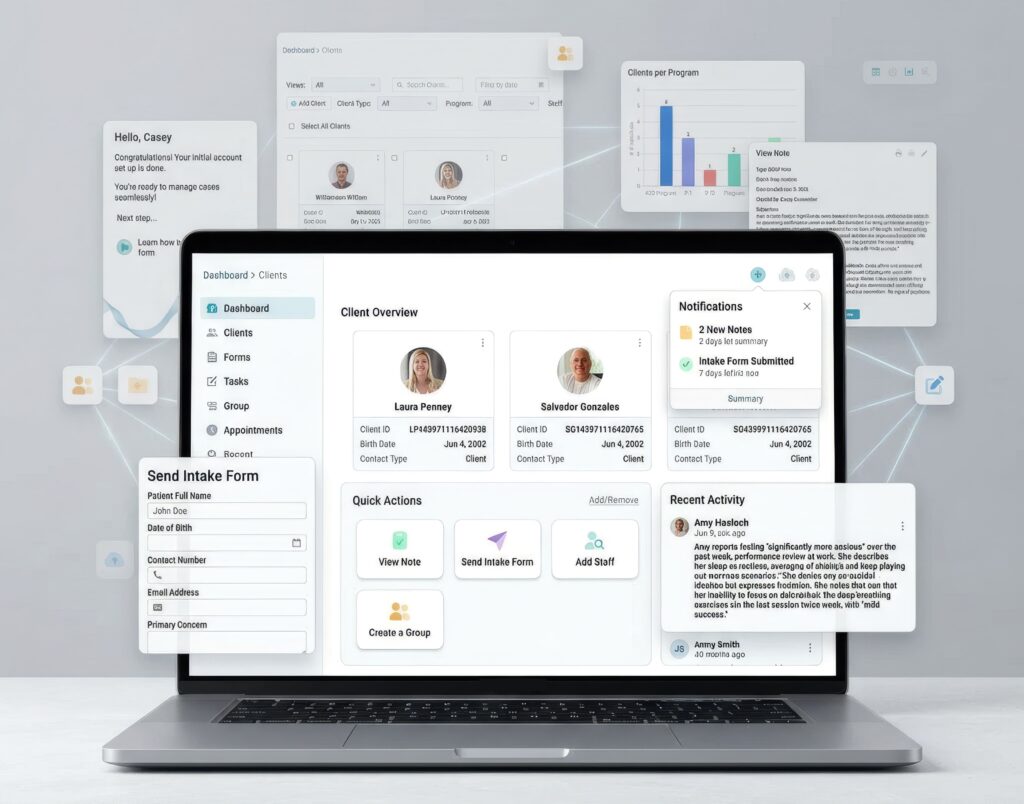
This is especially critical when tracking initial clinical indicators. For instance, when an initial screening triggers a moderate distress score of 6 to 8 on the PHQ-4, rapid escalation protocols should immediately be triggered. Case Management Hub has you completely covered with the built-in ease of being able to instantly send out targeted, secondary diagnostic forms such as the full GAD-7 or PHQ-9 directly to the patient.
See how easy it is to Create, Edit, and Send a form in Case Management Hub (Quick tip: These same steps work perfectly for any of our other form templates, too!):
Step 1:
From the sidebar, click on the Forms module, search for Basic Intake Form, then click the title to open it.
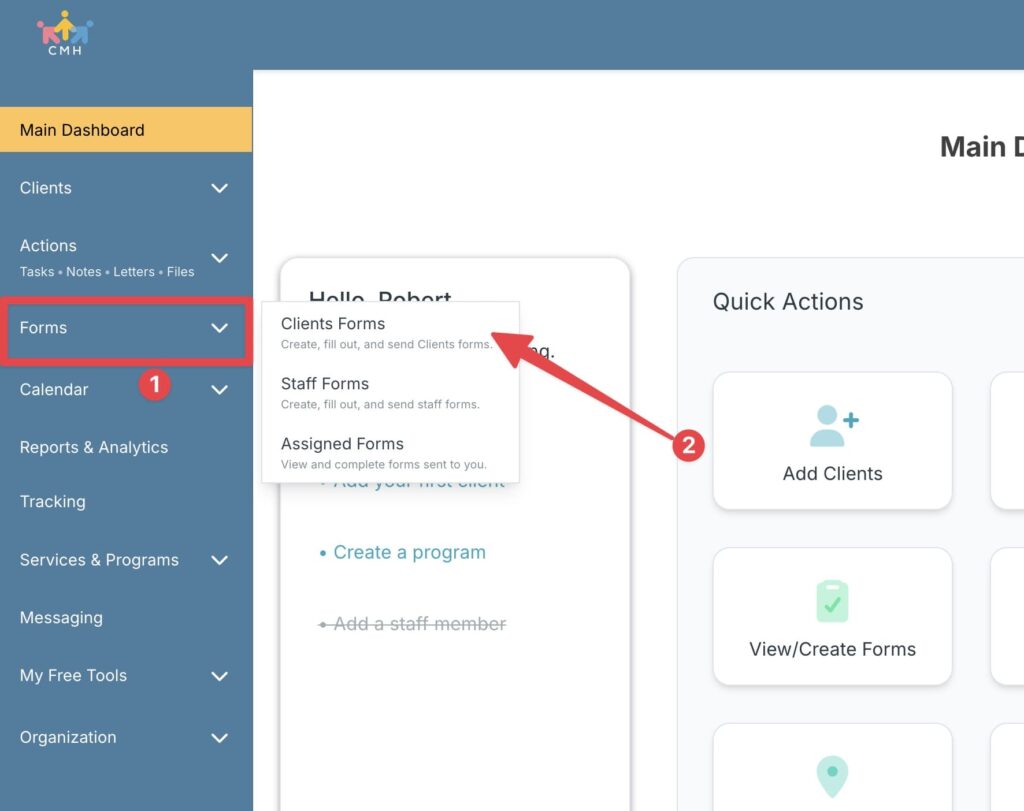
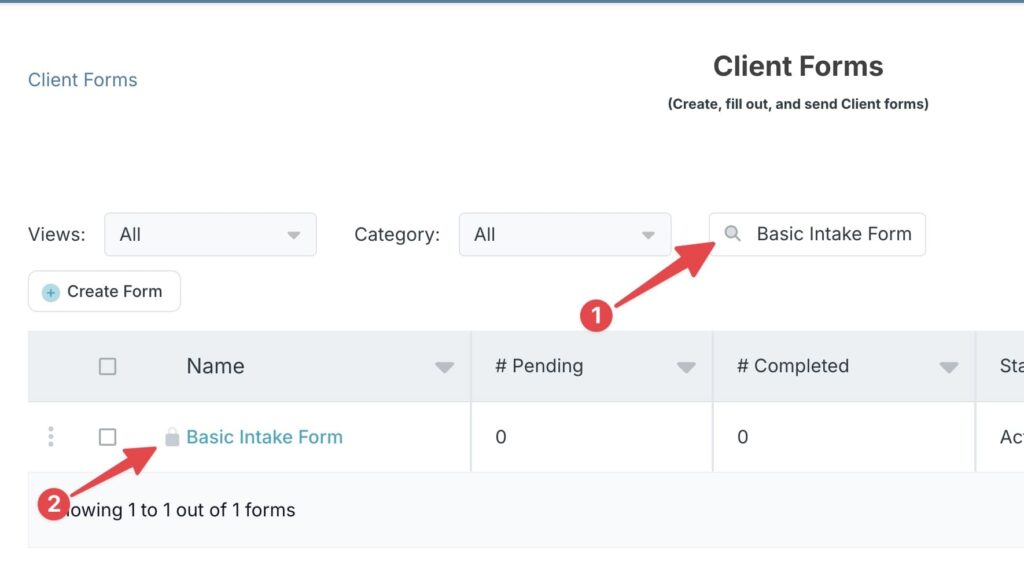
Tip: Forms with a padlock are master templates provided by Case Management Hub to help you get started. You can easily customize these to make them your own.
Step 2:
Click Edit Template to start customizing the form to your needs. Once done, click Save.
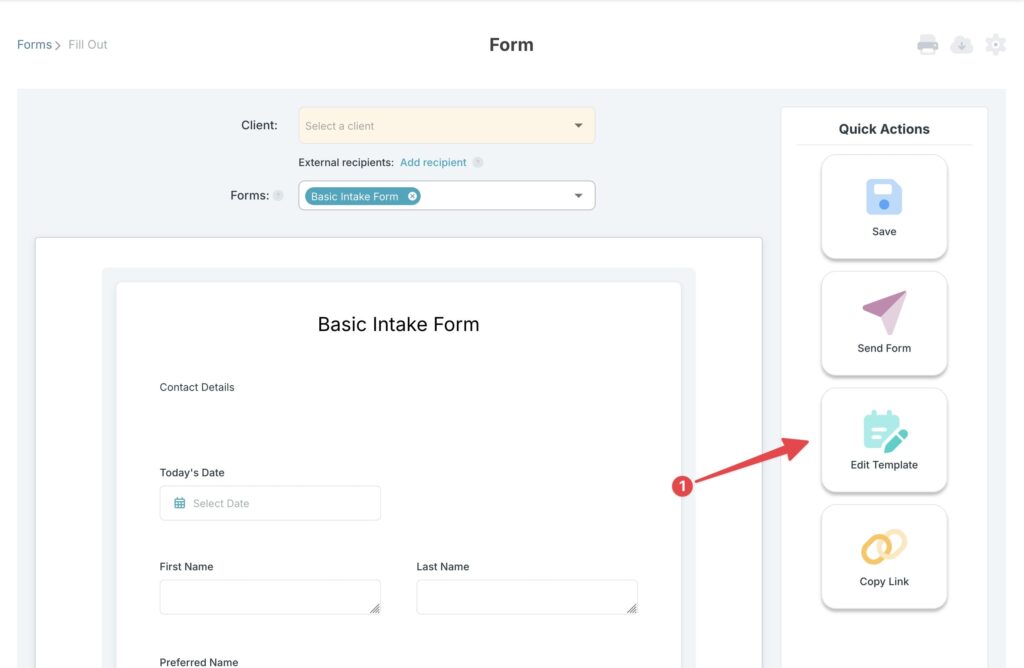
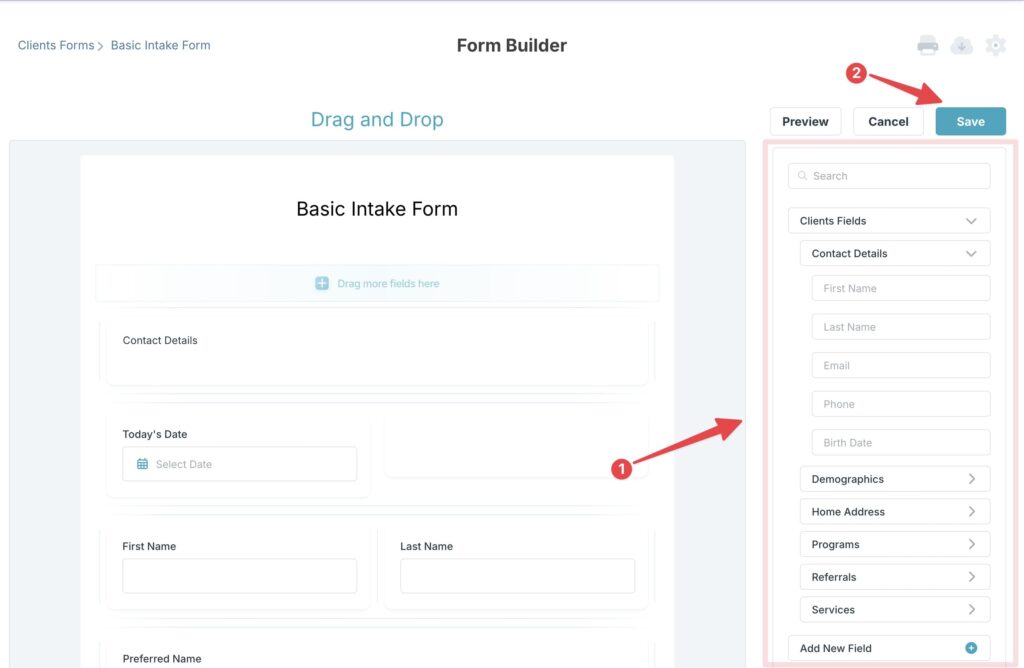
Tip: You can add new form fields using the right sidebar. Just drag them straight into your form.
Step 3:
Select a client to start filling out the form on their behalf. Once done, click Save.
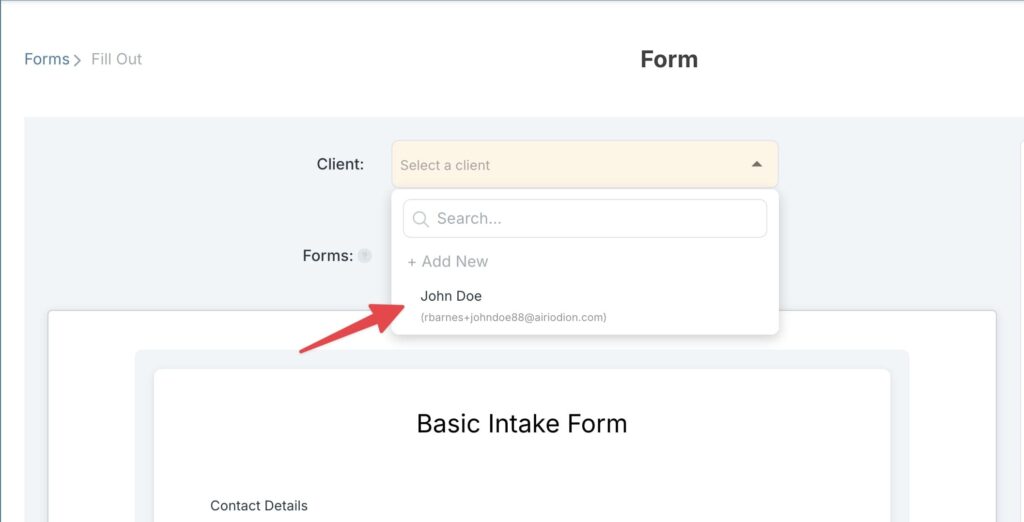
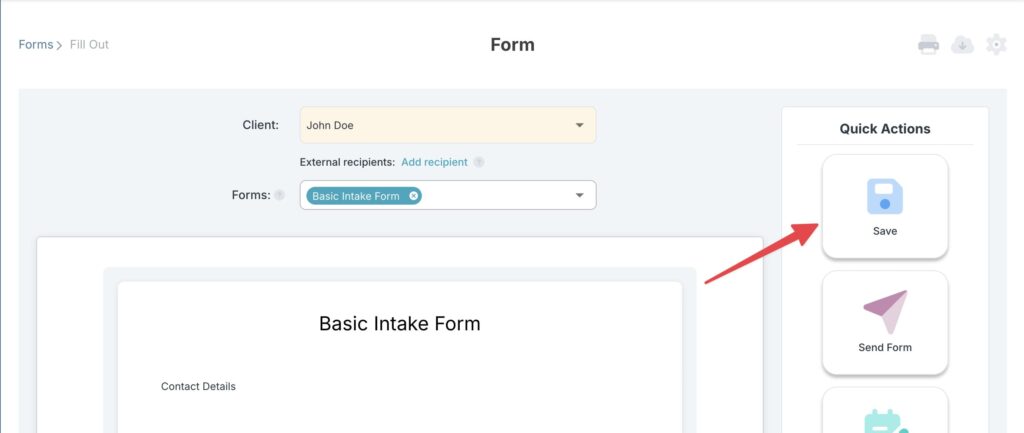
Tip: No need to re‑type your client’s data, it magically fills in the form for you, saving you time.
Step 4:
Or to send the form directly to a client, click Send Form, then select the clients. When you’re ready click Send.
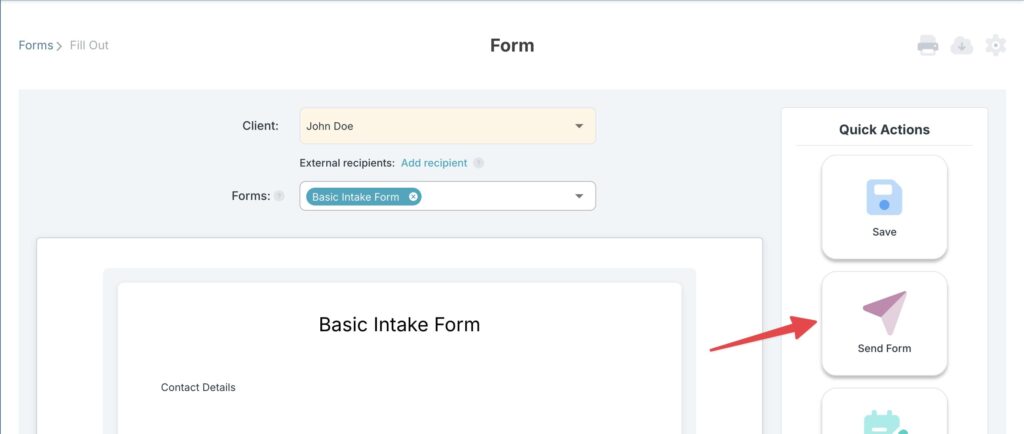
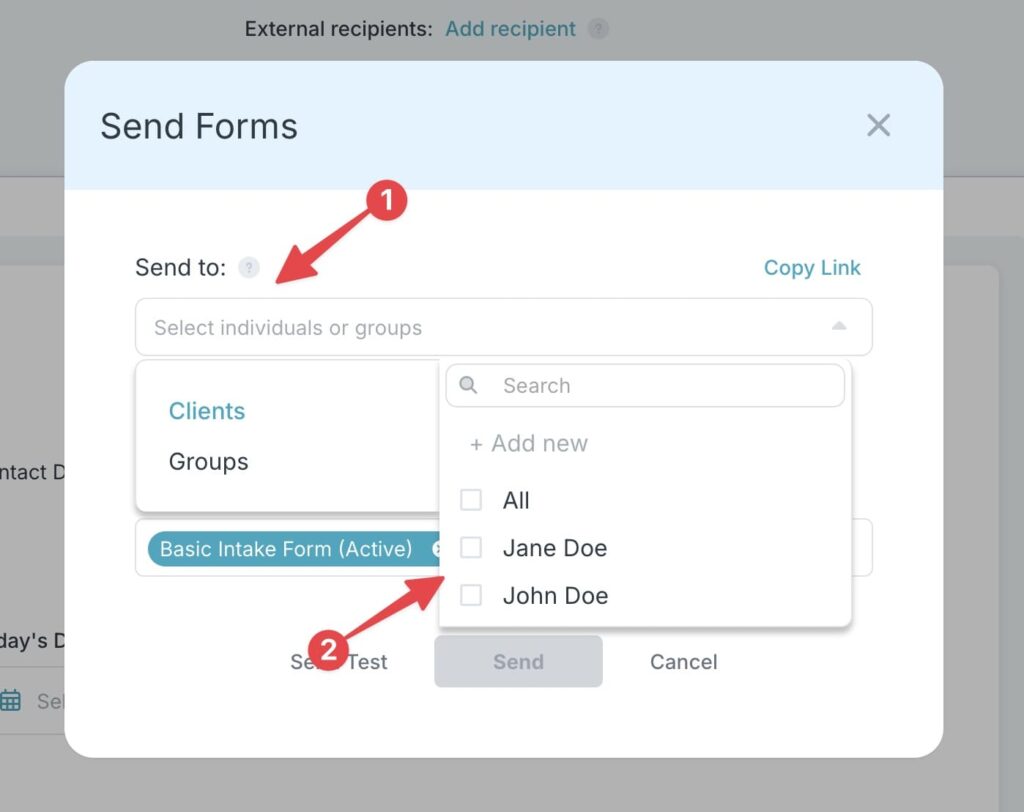
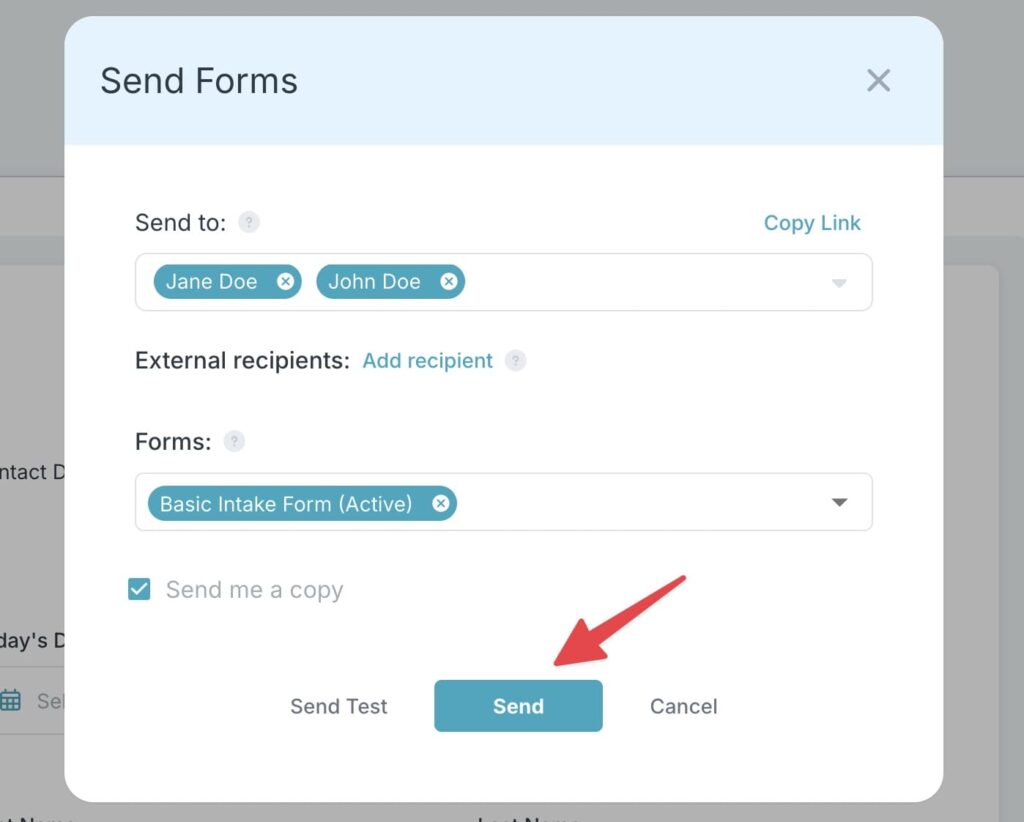
Tip: You can send the form to clients that are not yet part of Case Management Hub (External recipients) by clicking “Add recipient” and filling out their email, first name, and last name.
Step 5:
Create a public link for your form so you can easily share it with anyone. Just click Copy Link to publish your online form.
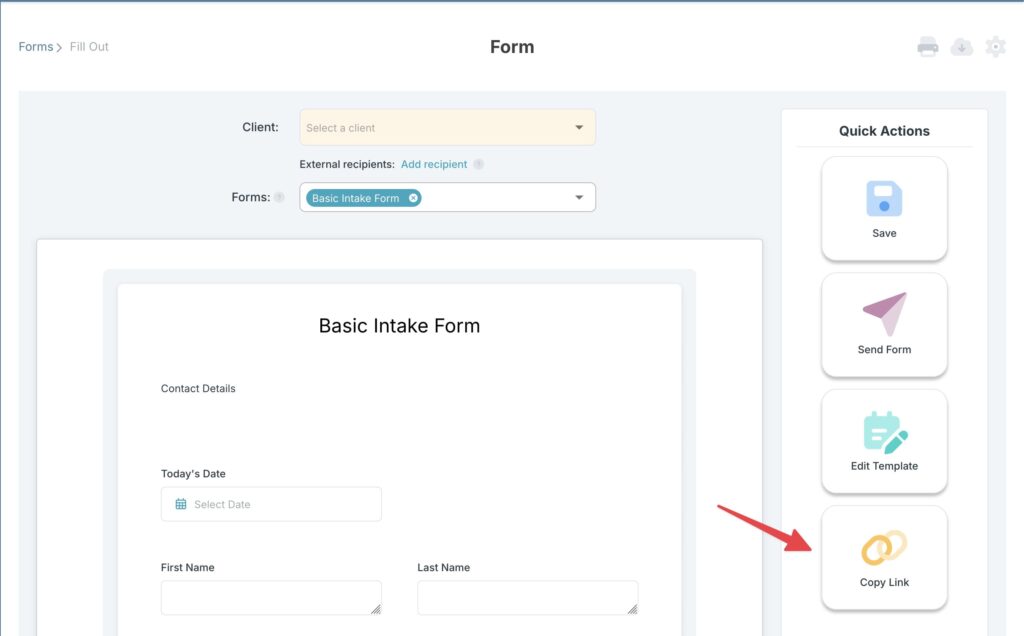
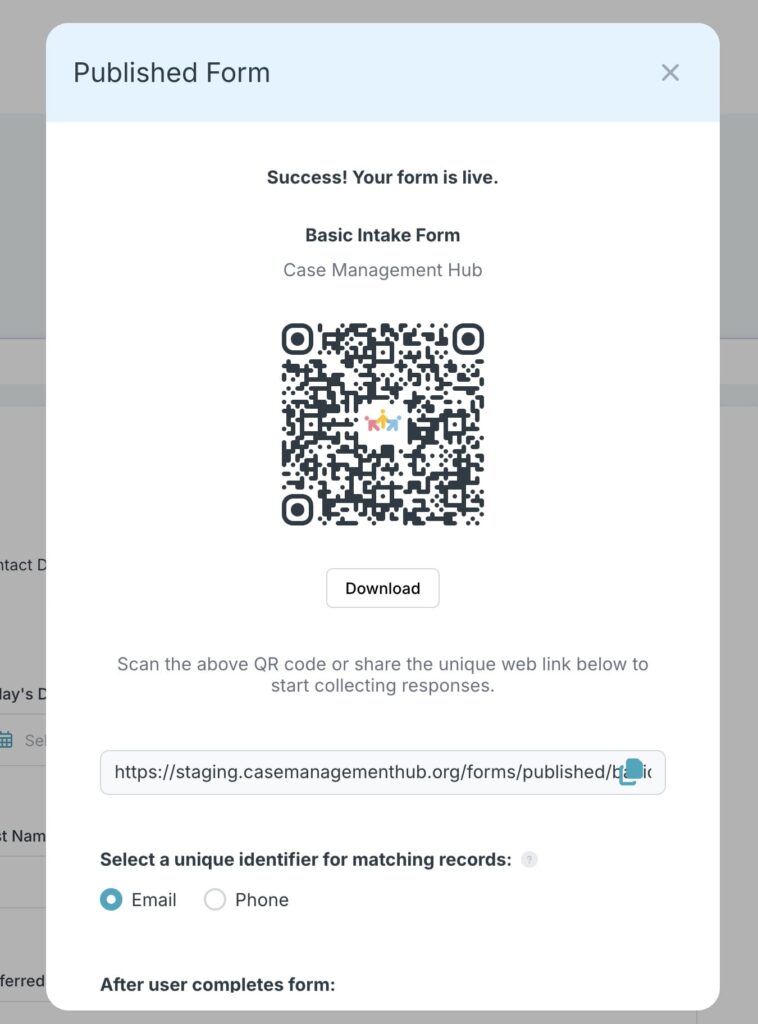
Tip: A link will automatically be created for you but you can always edit this and other form settings even after creating the online form. Just click on the gear icon in the top right corner of the form page to bring up the form settings.
Ready to see how an all-in-one platform can transform your organization’s workflow? Sign up for a free 21-day trial today, no credit card required, and experience seamless case management firsthand.
Frequently Asked Questions
How does the PHQ-4 support routine mental health screening in schools?
The tool's brevity allows school counselors to check in on large student populations efficiently without disrupting academic schedules, making it easy to identify at-risk youth who need deeper psychological support.
What are the compliance requirements for digital intake forms for healthcare providers?
Digital intake tools must maintain HIPAA-compliant documentation and storage frameworks. This involves utilizing advanced end-to-end data encryption, managing strict user-access privileges, and maintaining detailed audit trails to protect sensitive patient health information.
Can an electronic health record system improve clinical timekeeping and cost tracking?
Yes, an advanced behavioral health EHR with integrated notes connects clinical documentation directly to back-office management. This allows administrators to monitor time spent per case, track operational costs, and streamline reporting for insurance or grant funding.
How do hospital intake coordinators benefit from rapid triage tools?
In high-stress environments, streamlining psychiatric intake workflows with brief screeners helps triage staff allocate emergency psychiatric beds safely, manage waitlists effectively, and reduce overall emergency department overcrowding.
Why is patient secure messaging and scheduling tools important for follow-up care?
Once an elevated PHQ-4 score is flagged, providers must act quickly. Integrated messaging and scheduling portals allow clinical staff to coordinate immediate follow-up consultations, send automated reminders, and maintain continuous contact without violating privacy regulations.
Does the PHQ-4 capture specific anxiety and depression symptoms accurately?
Yes, it targets core indicators: item one and two look at nervousness and uncontrollable worry (anxiety and depression screening in primary care essentials), while items three and four measure anhedonia and depressed mood.
👉 Try it free today - No credit card needed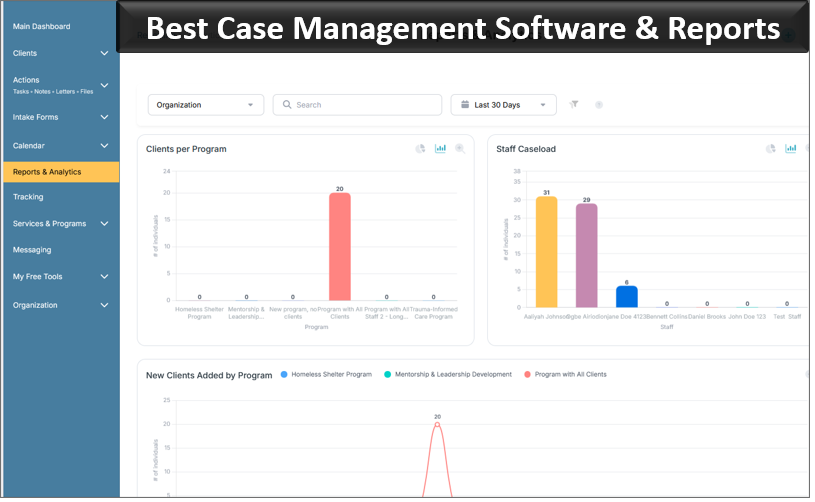
Note: Content on this website (socialworkportal.com) is copyrighted and protected under applicable copyright laws. Unauthorized reproduction, distribution, or use of any content from the website, without explicit written permission, is strictly prohibited. Read: Terms of Use.
Social Work Portal Disclaimer: Social Work Portal is not a social work agency and we do not refer social workers. This web site is provided for educational and informational purposes only and does not constitute providing medical advice or professional social and healthcare services. The information provided should not be used for diagnosing or treating a health problem or disease, and those seeking personal medical advice should consult with ... Read our full disclaimer here: Social Work Portal Disclaimer.