Transforming Agency Workflows with Equitable Practice Management
Making the conscious choice to move away from legacy methods requires deep structural change. For leaders in the human services sector, discovering how to transition your social work agency to anti-oppressive models is not a temporary policy adjustment. It is a fundamental rewiring of how power, service, and administrative data intersect.
Traditional agency models often mirror the structural inequities present in wider society, inadvertently turning well-meaning programs into mechanisms of social control. Transitioning to an anti-oppressive framework means evaluating every operational branch, from how the front desk handles community engagement to the way administrative teams select digital data platforms.
Let’s get started
Watch this video:
or
read the guide below.
What You Will Learn in This Guide
- How to define and operationalize anti-oppressive social work practice across all levels of agency leadership.
- Structural methods for deconstructing systemic bias in social services and dismantling traditional hierarchy.
- Strategies for cultivating trauma-informed agency leadership to drastically reduce secondary trauma and employee burnout.
- Clear criteria for shifting from compliance-heavy documentation to ethical documentation practices in social work.
- How to align administrative infrastructure with an all-in-one social work practice management software to improve data equity.
- Decision-making factors for investing in scalable, secure, and accessible client engagement tools.
Everything in one place: clients, notes, forms, appointments, reports, and outcomes. 👉 Try it Free - No credit card needed💡All-in-one Case Management Software.
Why Is Anti-Oppressive Practice Essential for Modern Social Service Agencies?
The core tenet of anti-oppressive social work practice is the active recognition and dismantling of systemic imbalances. Historically, social service networks have frequently functioned within a paternalistic “expert-versus-client” paradigm. This dynamic silences the lived experiences of vulnerable individuals, treating them as passive recipients of care rather than active agents of change.
By restructuring your agency around anti-oppressive design principles, leadership shifts the operational focus from mere compliance to genuine liberation. This approach requires evaluating structural barriers and identifying how institutional practices isolate or marginalize the very people they are meant to support.

Furthermore, changing the philosophical foundation of an organization without updating its operational infrastructure causes immediate friction. True systemic evolution requires updating physical processes, policies, and the technology utilized to record and track client interactions. When your administrative systems remain rigid, tracking equity or protecting client dignity becomes incredibly difficult.
A crucial driver of this transition is addressing the systemic strain placed on the workforce. A study published in the Journal of Social Work highlighted that 56% of social workers and case managers experience symptoms of compassion fatigue and severe operational stress. The data proves that burnout is largely generated by institutional factors, including cumbersome administrative procedures, ambiguous management workflows, and a profound lack of supportive organizational infrastructure.
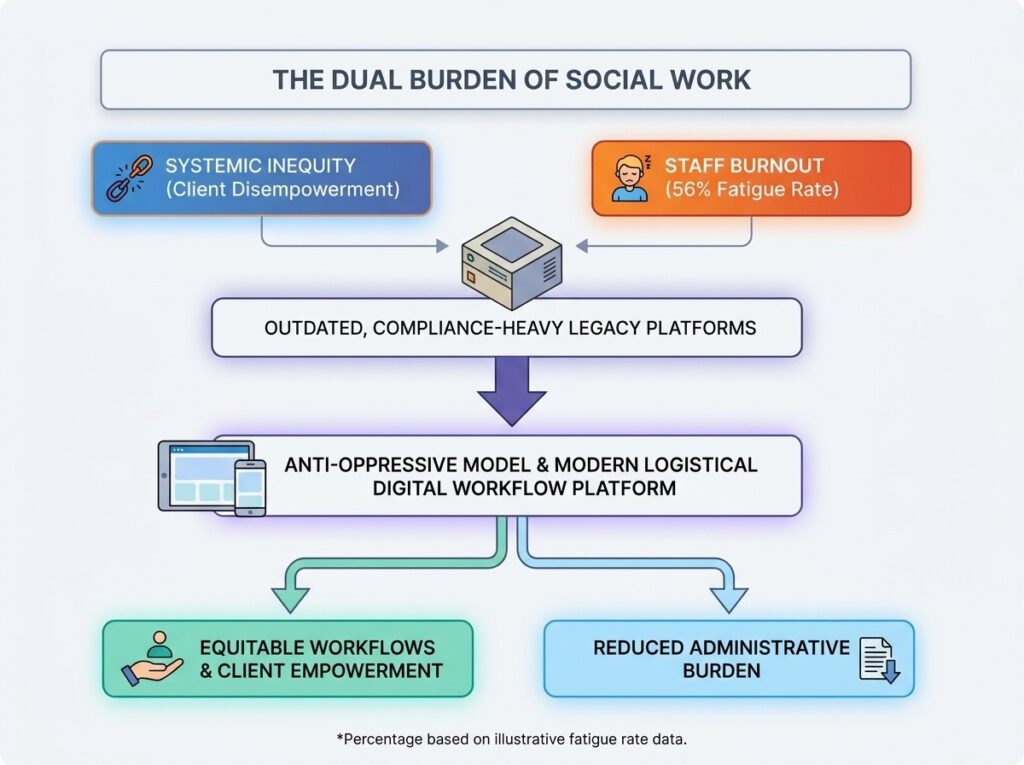
Transitioning away from a top-down model directly helps mitigate this administrative fatigue by establishing equitable case management workflows that prioritize both the provider and the client.
How Do Leadership Teams Begin Deconstructing Systemic Bias in Social Services?
Dismantling institutional bias starts with a complete evaluation of agency governance. Traditional top-down management structures often exclude frontline workers, community organizers, and service users from the decision-making process. To initiate true decolonizing social work management, executive teams must redistribute authority and build a culture of shared governance.
| Legacy Agency Model | Anti-Oppressive Agency Model |
| Hierarchy: Rigid, top-down decision-making without frontline input. | Governance: Collaborative, democratic circles involving community leaders. |
| Documentation: Deficit-based narrative focusing heavily on client failure. | Documentation: Strength-based, co-authored narrative tracking resilience. |
| Client Intake: Complicated, inaccessible, paper-heavy onboarding steps. | Client Intake: Accessible, digital-first, self-directed engagement. |
| Data Silos: Disconnected local networks with zero transparency. | Data Systems: Integrated, secure platforms with client access portals. |
Implementing an anti-racist social service administration strategy means examining how your internal policies impact marginalized employees. For instance, rigid, westernized clinical models can alienate practitioners of color who bring culturally distinct healing practices to their caseloads. Agency directors must actively support culturally responsive clinical supervision, creating safe spaces for staff to examine power dynamics, personal biases, and institutional racism without fear of administrative retaliation.
👉 Try it Free - Free Case Management System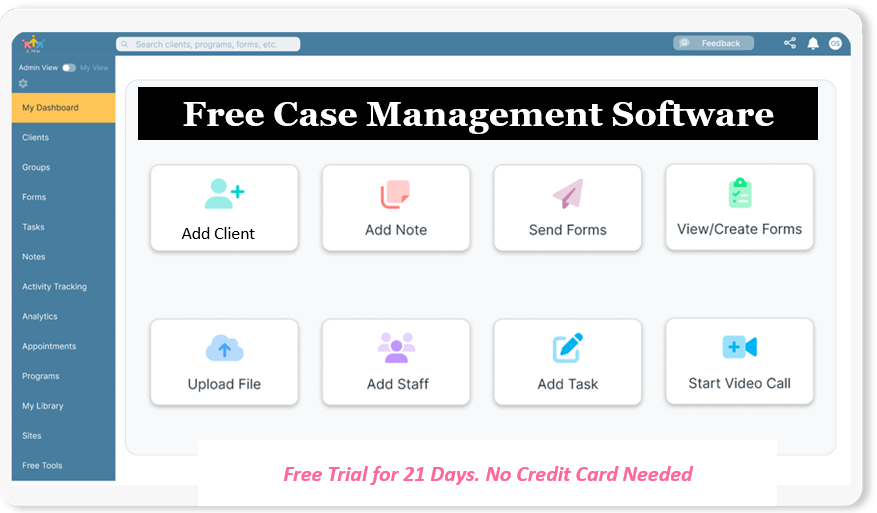
What Role Does Technology Play in Supporting Equitable Case Management Workflows?
A common mistake when moving toward anti-oppressive practice is separating philosophical values from administrative workflows. If an organization preaches liberation but requires clients to complete repetitive, deficit-focused intakes on paper, the underlying system remains oppressive. Modernizing your digital infrastructure is essential to establishing a healthy, sustainable organizational culture.
Implementing a dedicated non-profit case management platform bridges the gap between organizational values and practical application. When social services adopt an all-in-one social work practice management software, they replace outdated tracking systems with elegant, transparent, and collaborative processes.
1. Promoting Autonomy Through Self-Directed Intake Form Processes
Traditional intake steps can feel like an interrogation. Transitioning to a model built on accessible client intake forms and scheduling allows individuals to share their life experiences on their own terms. Utilizing digital, self-led portals gives clients control over how and when they provide personal histories, immediately balancing the initial power dynamic.
2. Safeguarding Digital Equity and Security
Protecting client confidentiality is a matter of basic digital safety, particularly for undocumented immigrants, domestic violence survivors, and housing-insecure families. Storing sensitive files across fragmented drives exposes people to privacy risks. Transitioning to a centralized framework guarantees a secure HIPAA-compliant client data storage setup, ensuring sensitive case files remain encrypted and protected from unauthorized access.
3. Transforming Case Notes Into Co-Authored Documentation
Traditional case records often feature objective-sounding, deficit-based language that alienates the individual receiving care. Transitioning to an anti-oppressive model means prioritizing ethical documentation practices in social work. Practitioners utilize a collaborative client progress and goal tracking tool to build a shared narrative, allowing individuals to review, co-sign, and add their own voice to their case file.
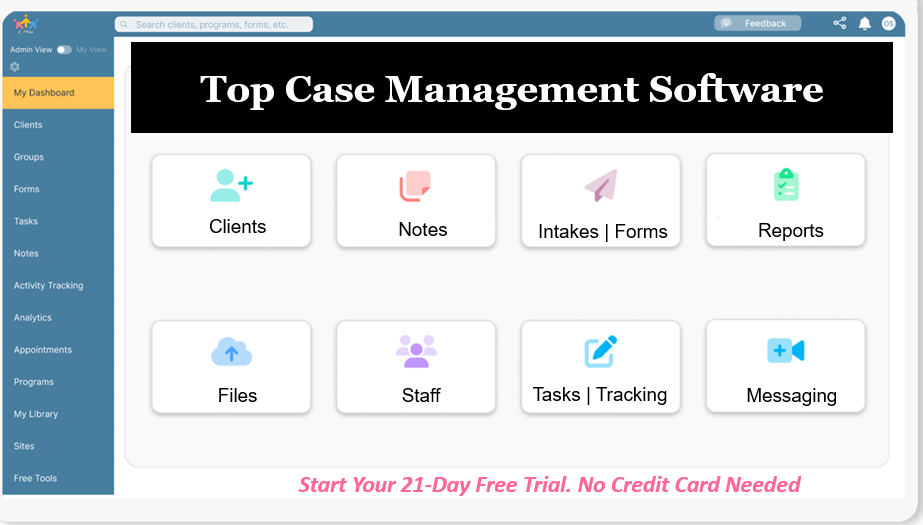
Do You Have a Team? Our best all-in-one client and top case management software simplifies everything from client intake and assessments to programs, projects, goals tracking, planning, scheduling, documentation, reporting dashboard, and progress tracking.All-in-One Case Management Software
Sign Up Today, Free
No credit card needed!
What Design Factors Should Social Service Administrators Evaluate When Upgrading Platforms?
Selecting software tools involves more than comparing pricing tiers; it requires matching your logistical workflows with your ethical commitments. Directors and board members must assess how new technology affects operational accessibility and client dignity.
- User Experience & Digital Accessibility: Is the platform accessible to individuals with limited internet access or cognitive differences? Look for tools featuring automated intake and secure messaging for social work that operate smoothly on mobile screens.
- Administrative Burden: Does the system save time or create new hurdles? Highly efficient setups integrate social service billing and timekeeping software into a single dashboard, allowing clinicians to spend more time working directly in the community and less time navigating spreadsheets.
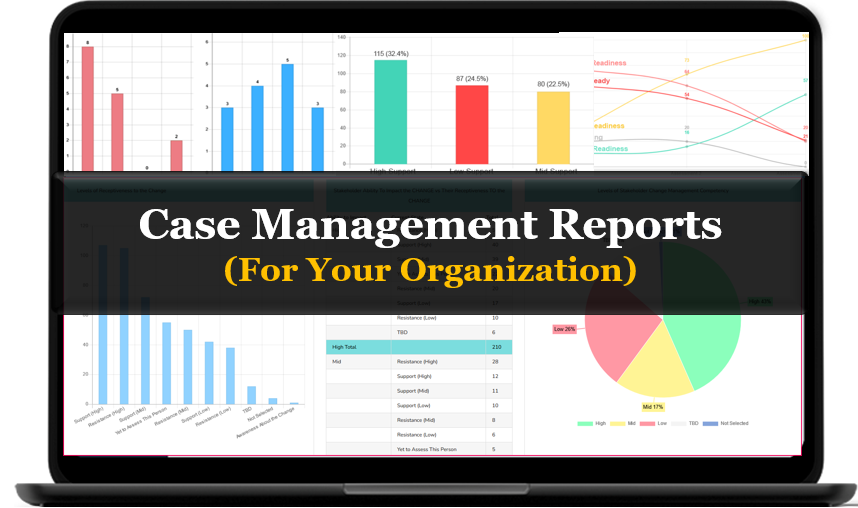
- Holistic Outcome Reporting: Avoid tracking tools that view people as simple data points or financial liabilities. Look for platforms that deliver integrated reporting and outcome tracking for agencies, highlighting both systemic trends and individual milestones.
Prioritizing these parameters allows administrative teams to focus on scaling anti-oppressive models in non-profits while successfully reducing staff burnout through efficient agency software.

People Also Ask
What is anti-oppressive practice in social work?
Anti-oppressive social work practice is a holistic, social-justice-oriented framework that identifies, challenges, and dismantles systemic inequalities and power imbalances within social systems and organizations. Rather than viewing personal issues as isolated individual failures, it links challenges directly to institutional barriers such as racism, sexism, and economic inequality.
How do you decolonize social work management?
Decolonizing social work management involves shifting away from traditional, Eurocentric top-down management structures. It replaces rigid hierarchies with collaborative decision-making, embraces culturally diverse healing practices, and actively includes frontline workers and community members in agency governance.
What are ethical documentation practices in social work?
Ethical documentation practices focus on transparency, strength-based storytelling, and collaboration. It moves away from pathologizing language, opting instead to co-author progress notes and goals alongside the client while utilizing secure systems to protect client privacy.
How does administrative software reduce social work burnout?
Modern practice management platforms eliminate manual data entry, disconnected tracking files, and complex compliance reporting. Automating billing, scheduling, and intake reduces administrative overhead, allowing social work professionals to focus on direct client care.
What features are required for a non-profit case management platform?
A high-quality non-profit platform must provide secure HIPAA-compliant data storage, automated intake forms, integrated billing, scheduling systems, and comprehensive reporting features to monitor program performance and client goals in a single dashboard.
Why is culturally responsive clinical supervision important?
Culturally responsive clinical supervision provides a supportive space where supervisors and clinicians can openly analyze power dynamics, institutional biases, and structural barriers. This process improves service delivery and helps prevent compassion fatigue among minoritized staff members.
Streamlining Your Organizational Transformation
Transitioning your team to an anti-oppressive framework requires removing the structural hurdles that drain your staff’s energy. Case Management Hub provides an all-in-one case management platform designed specifically around real social service workflows.
The system unifies automated intakes, client documentation, scheduling, progress tracking, and secure notes into a highly secure, intuitive dashboard. By eliminating disconnected tracking tools, your team cuts down on administrative friction and regains the time needed to focus on true community empowerment.
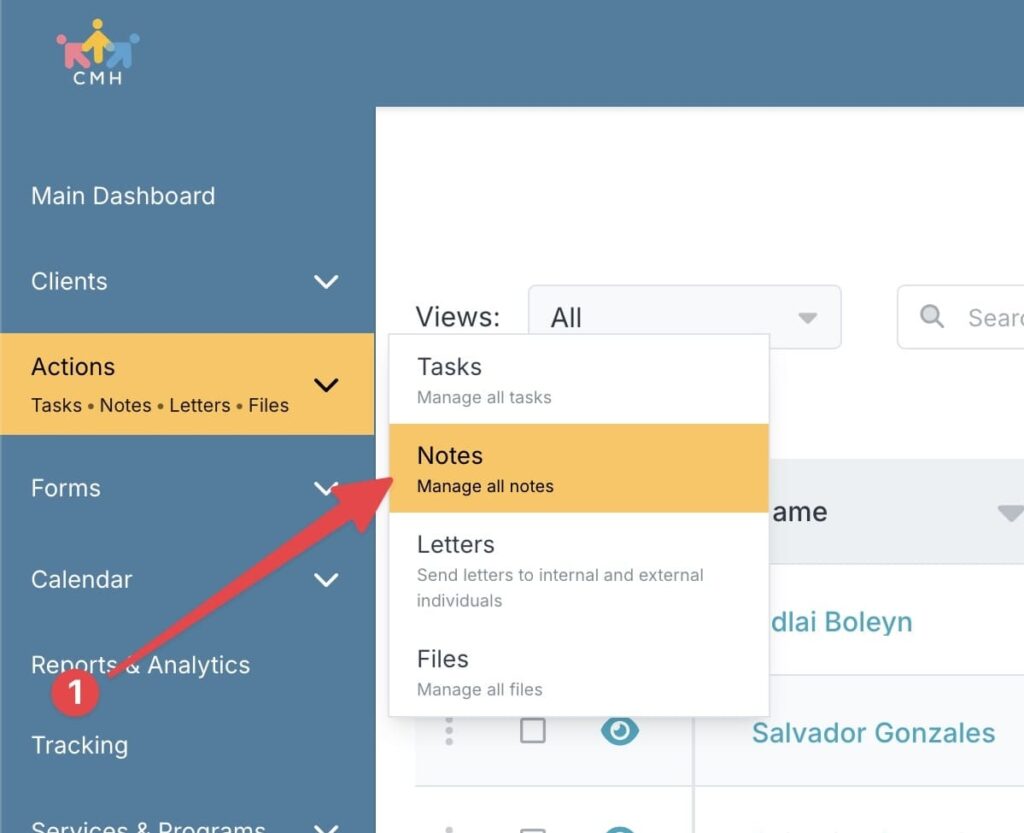
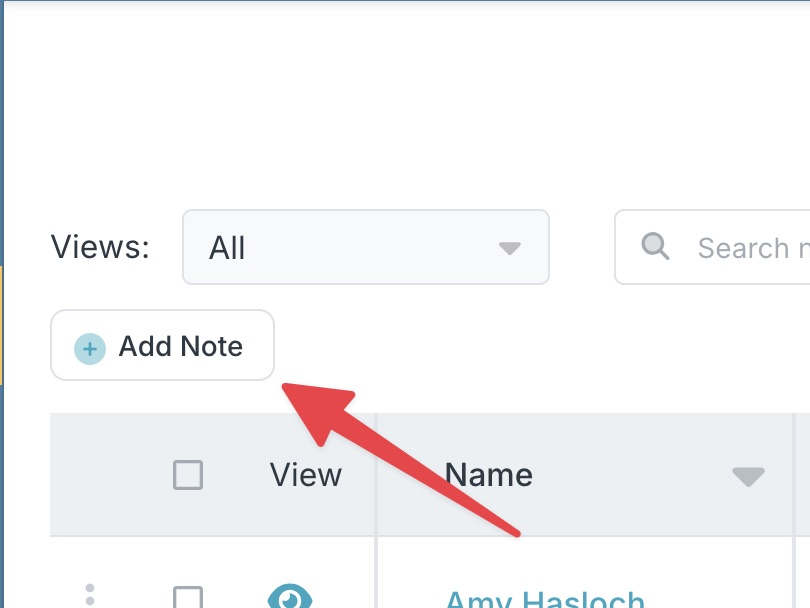
See how simple it is to create SOAP notes in Case Management Hub:
Step 1:
Navigate to the Notes module from the sidebar and click Add Note
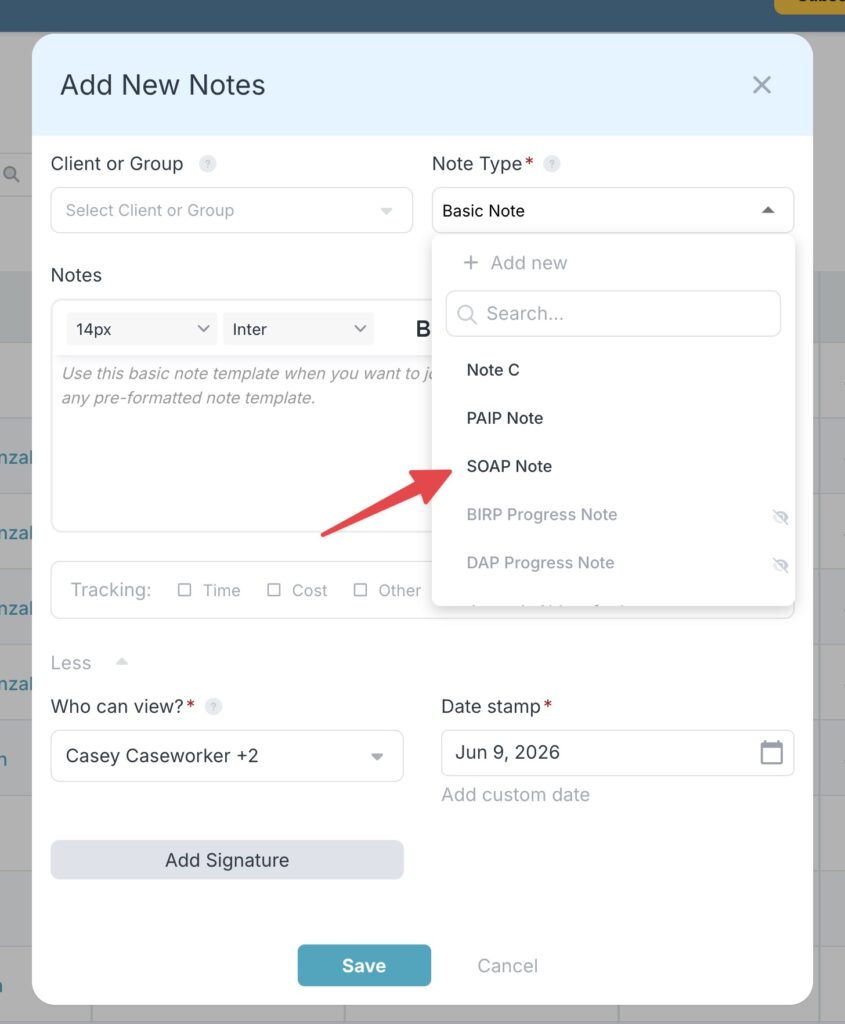
Step 2:
From the note type dropdown select the SOAP note template
Step 3:
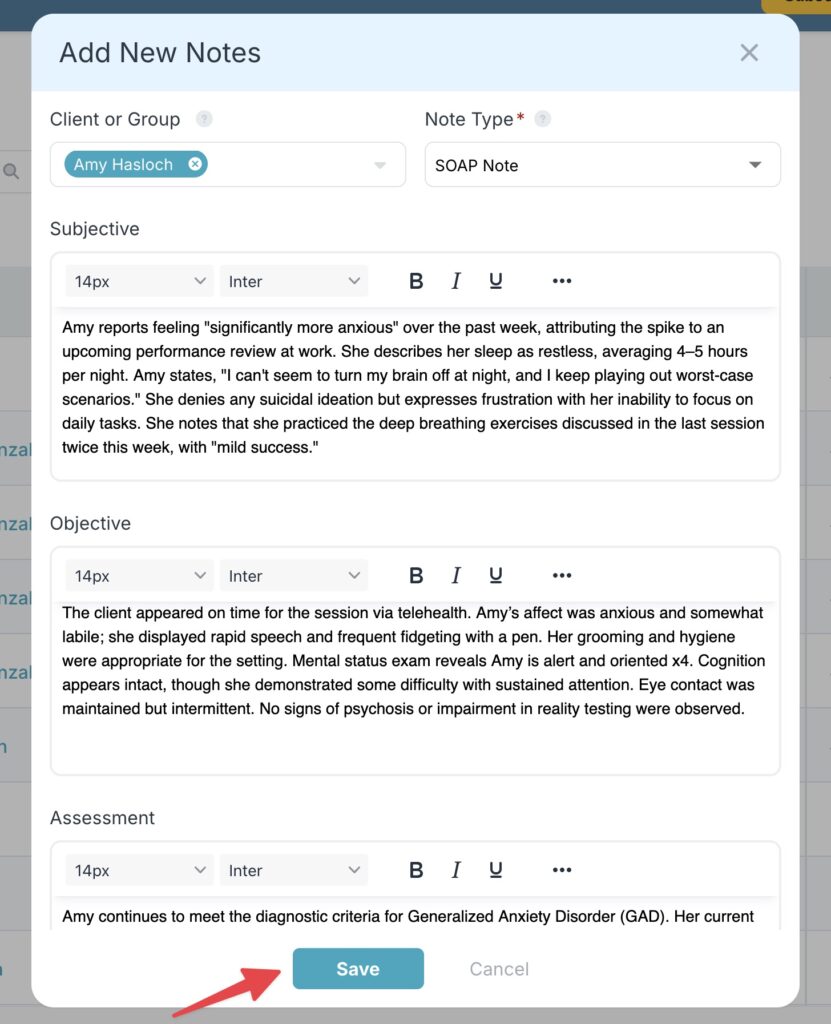
Add your note details to the four sections of the SOAP note, select the client, and then click save.
Step 4:
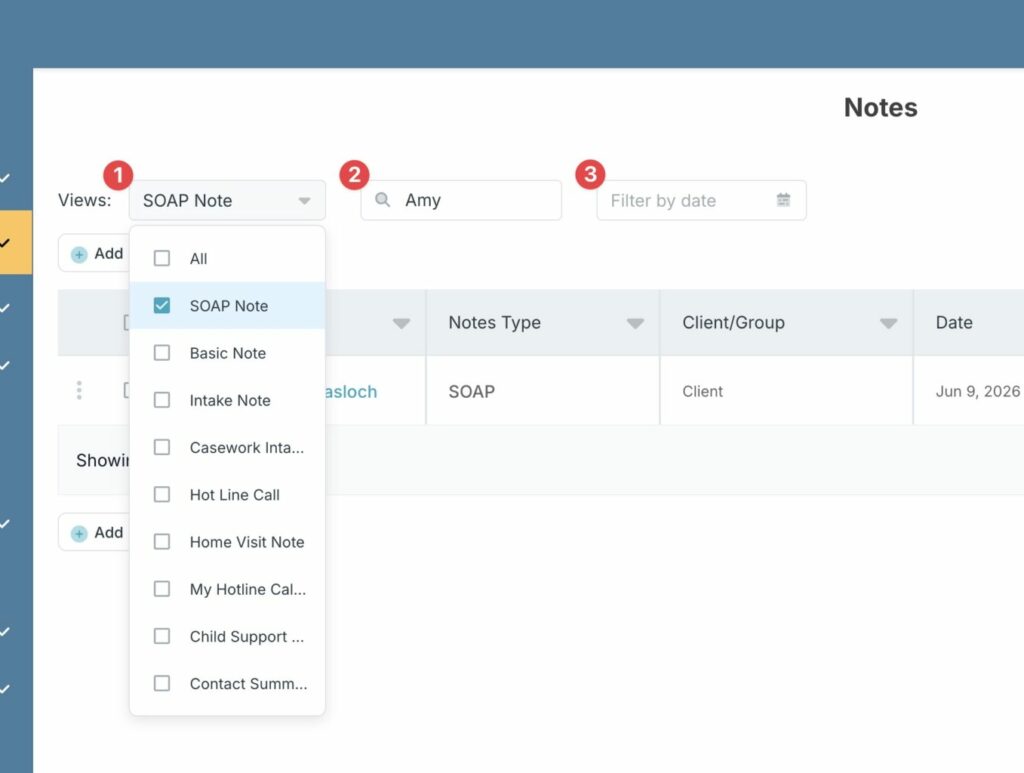
View, search and filter all of your client notes, including the SOAP notes in one place.
Step 5:
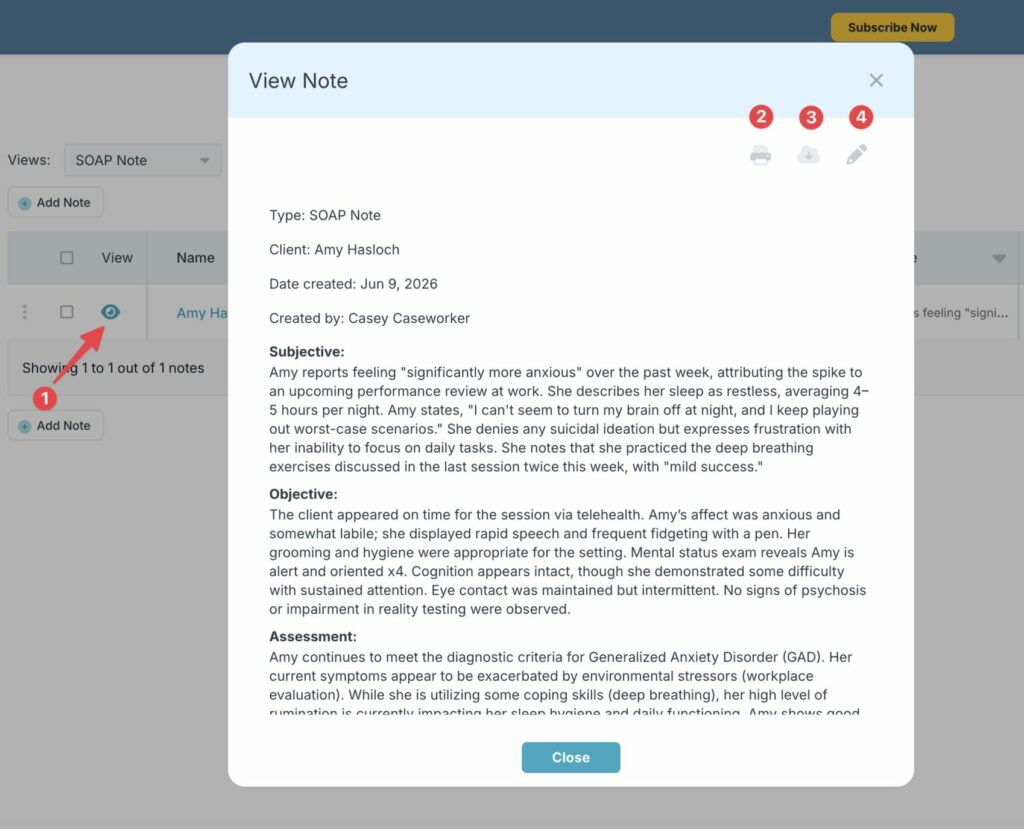
Click the eye icon to view or edit the details of the note
Take the first step toward modernizing your workflows. Sign up for a free 21-day trial of Case Management Hub today and enjoy full operational access with no credit card required.
👉 Try it Free today - No credit card needed
Frequently Asked Questions
How long does it take to transition an agency to an anti-oppressive model?
Shifting institutional culture is an ongoing structural evolution. While updating software systems and changing intake procedures can happen over a few weeks, restructuring agency governance and mastering anti-oppressive methods typically requires months of dedicated training.
Can an all-in-one software solution handle complex non-profit grant reporting?
Yes. Modern case management platforms provide integrated data tracking and custom reporting features. This enables your administrative team to easily export demographic information and program milestones for funder reviews, compliance audits, and grant renewals.
How do secure digital tools protect vulnerable communities?
By utilizing end-to-end encryption, role-based access controls, and secure cloud environments, these systems prevent unauthorized data exposure. This ensures sensitive personal stories and legal records remain fully confidential.
Does anti-oppressive social work require eliminating all standard forms?
No. It changes how those forms are designed and delivered. It shifts the paperwork from an intrusive interrogation to a collaborative, transparent, and self-directed process that respects client autonomy.
What is the most effective way to introduce new practice management software to resistant staff?
Highlight how the tool reduces manual paperwork and eliminates repetitive daily tasks. Choosing a platform that requires minimal technical training makes onboarding smooth, helping your team focus on client support rather than complex software setup.
How do equitable case management workflows improve client outcomes?
When workflows respect self-determination and reduce structural barriers, clients engage more deeply with services. Co-authoring goals builds trust and helps produce more accurate progress tracking.
👉 Try it free today - No credit card needed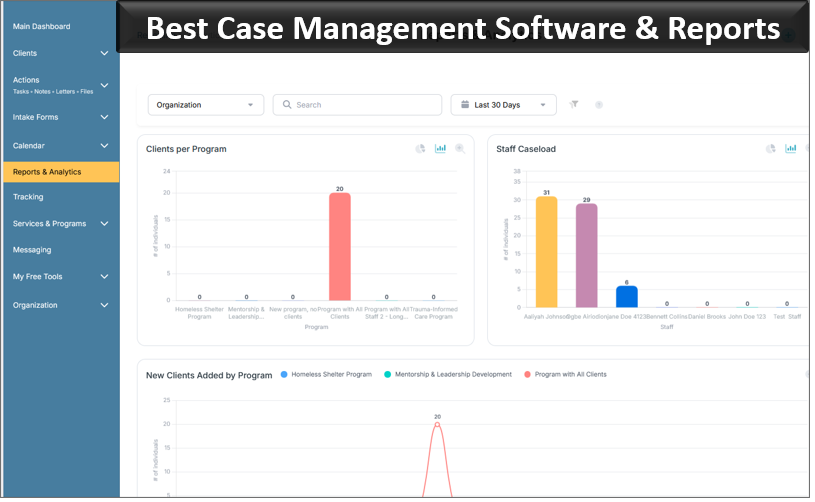
Note: Content on this website (socialworkportal.com) is copyrighted and protected under applicable copyright laws. Unauthorized reproduction, distribution, or use of any content from the website, without explicit written permission, is strictly prohibited. Read: Terms of Use.
Social Work Portal Disclaimer: Social Work Portal is not a social work agency and we do not refer social workers. This web site is provided for educational and informational purposes only and does not constitute providing medical advice or professional social and healthcare services. The information provided should not be used for diagnosing or treating a health problem or disease, and those seeking personal medical advice should consult with ... Read our full disclaimer here: Social Work Portal Disclaimer.