Is Transitioning from Entry-Level Human Services to a Licensed Practice Worth the Investment?
Stepping into the human services sector often begins with a deep desire to help others. Many dedicated professionals start their journeys as child welfare workers, mental health technicians, non-profit employees, or state agency workers. While entry-level roles provide invaluable front-line experience, they frequently come with high caseloads, heavy administrative burdens, and limited upward mobility.
If you are currently operating as a caseworker, sociology graduate, or social service assistant, you might find yourself hitting a career ceiling. The most sustainable way to break through this ceiling is to learn how to transition from caseworker to licensed social worker. Earning a professional license unlocks advanced clinical roles, higher earning potential, and the ability to practice independently.
Let’s get started
Watch this video:
or
read the guide below.
What You Will Learn in This Comprehensive Guide
- The fundamental differences between frontline casework and a licensed clinical or macro social work career path.
- Step-by-step academic and registration requirements needed to make a successful career pivot.
- Core strategies to balance your current employment workload with advanced social work licensure requirements for career changers.
- How to prepare for and pass the critical ASWB examination on your first try.
- Critical operational tools and tech considerations that streamline documentation during your transition.
- Key decision-making factors to evaluate when choosing your ultimate social work specialization.
Everything in one place: clients, notes, forms, appointments, reports, and outcomes. 👉 Try it Free - No credit card needed💡All-in-one Case Management Software.
What Is the Core Difference in the Caseworker vs Licensed Social Worker Career Path?
According to the 2026 State of Social Work Report published by Agents of Change, 52% of case management professionals reported being highly likely to change their jobs within the next 12 months, with 58% citing the desire to earn a higher salary as their primary motivator. Moving from entry-level social services to LMSW/LCSW roles provides a direct path to satisfying those career goals while dramatically lowering burnout rates.
Understanding the distinct boundaries between these two professional tiers is essential before investing time and financial resources into a career pivot. Caseworkers and social service assistants generally focus on immediate crisis intervention, connecting clients to community resources, and facilitating basic public services. They operate under the regulations of their specific agency or state department, and their scope of practice rarely includes clinical diagnosis or specialized therapeutic interventions.
In contrast, becoming a Licensed Master of Social Work (LMSW) or a Licensed Clinical Social Worker (LCSW) radically shifts your professional boundaries. Licensed professionals are legally recognized clinical or macro practitioners. They possess the training to diagnose mental health conditions, design complex behavioral treatment plans, and provide psychotherapy.
| Feature / Metric | Frontline Caseworker / Human Services Staff | Licensed Social Worker (LMSW / LCSW) |
| Minimum Education Required | Bachelor’s Degree (Sociology, Psychology, Human Services) | Master of Social Work (MSW) from a CSWE-accredited university |
| Clinical Scope of Practice | Resource coordination, basic advocacy, service intake processing | Mental health diagnosis, independent psychotherapy, clinical supervision |
| Average Initial Career Autonomy | Managed heavily by agency protocols and strict state guidelines | High; capability to transition into private practice or clinical leadership |
| Credentialing Exam Requirement | Typically none required for entry-level positions | Association of Social Work Boards (ASWB) Master or Clinical Exam |
How Can a Human Services Professional Earn an MSW Efficiently?
For academic advisors, career coaches, and healthcare coordinators looking to guide others, or for the professionals themselves making the leap, the educational pivot is non-negotiable. To achieve licensure, you must obtain a Master of Social Work (MSW) from a program accredited by the Council on Social Work Education (CSWE).
If you hold a Bachelor of Social Work (BSW), you may qualify for advanced standing programs, which can cut your graduate school timeline in half. For sociology graduates, career changers, and those with unrelated bachelor’s degrees, a traditional two-year or three-year extended MSW program is the standard path.
Fortunately, modern educational institutions heavily cater to working professionals. Many state agency workers and child welfare staff complete their coursework through hybrid or asynchronous online programs. This flexibility allows you to continue gaining field hours and maintaining a steady income while completing the rigorous advanced practicum requirements necessary for your graduate degree.
👉 Try it Free - Free Case Management System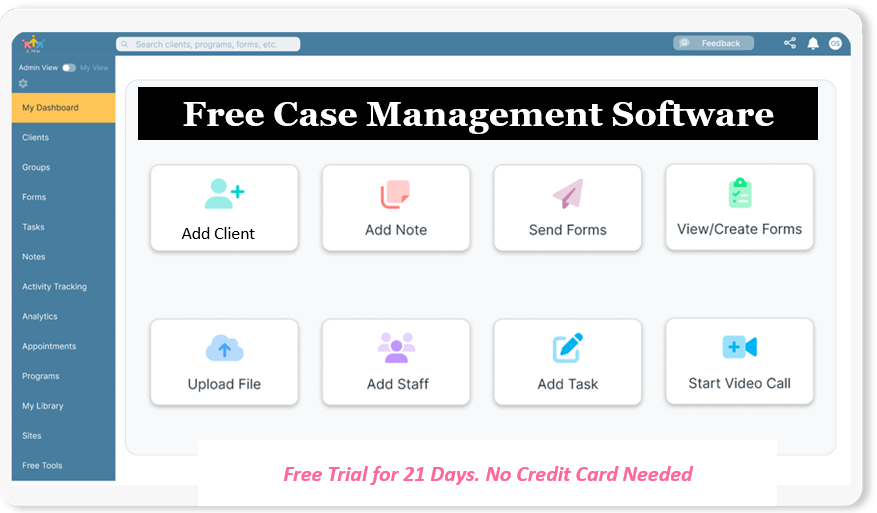
What Are the Licensing Steps and ASWB Exam Realities?
Once the graduate degree is firmly in hand, the next phase involves navigating the specific state board guidelines to secure your license. The primary milestone in this phase is passing the national licensing examination administered by the Association of Social Work Boards (ASWB).
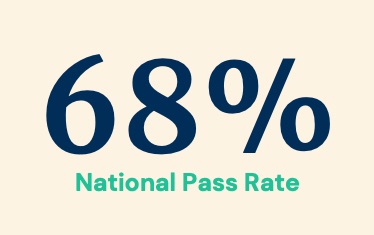
Data from the historical ASWB Pass Rate Analysis highlights that the first-time passing rate for national candidates generally hovers around 68%. This statistic underscores the reality that the exam requires a structured, comprehensive study plan. It is highly recommended that human service professionals dedicate at least 80 to 100 structured study hours and practice with hundreds of mock questions before attempting the test.
After passing the initial master-level exam and becoming an LMSW, those pursuing a clinical path must accumulate roughly two to three years of post-graduate supervised clinical experience (usually totaling around 3,000 hours, depending on state jurisdiction) to apply for full LCSW status.
Do You Have a Team? Our best all-in-one client and top case management software simplifies everything from client intake and assessments to programs, projects, goals tracking, planning, scheduling, documentation, reporting dashboard, and progress tracking.All-in-One Case Management Software
Sign Up Today, Free
No credit card needed!
How Do Workflow Considerations and Software Impact the Transition?
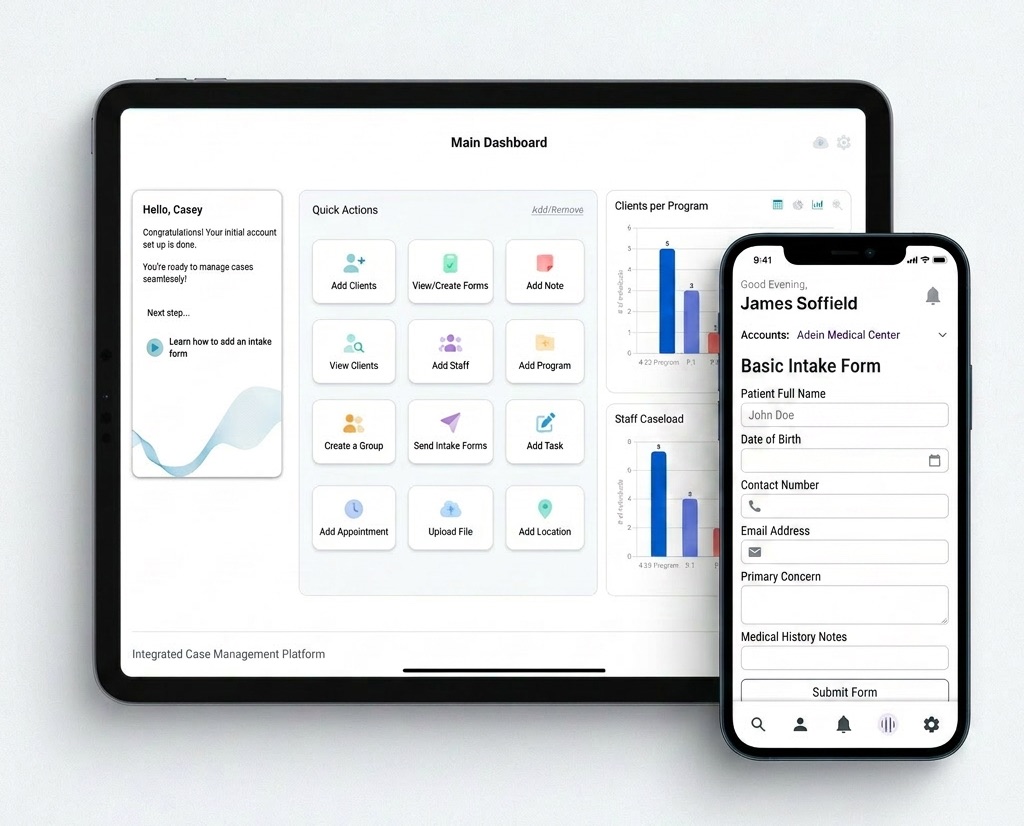
Navigating a massive career shift requires optimal time management. Juggling current employment duties, graduate courses, and clinical supervision hours can easily lead to severe organizational fatigue. This is precisely why many transitioning professionals actively seek an all-in-one platform for social workers to keep their work organized.
When transitioning to independent practice or clinical settings, you must consider the operational software required to run an efficient caseload. Transitioning professionals must shift away from disorganized spreadsheets and outdated legacy agency databases toward modern, cloud-based systems.
Essential Software Features for Transitioning Practitioners
- Automated Intakes and Forms: Streamlining the initial documentation workflow to save hours of administrative labor every single week.
- Secure Messaging and Documentation: Ensuring that all interactions with vulnerable populations remain completely private.
- HIPAA-Compliant Data and File Storage: Safely storing clinical assessments, treatment plans, and confidential case files without risk of data breaches.
- Client Goals and Progress Tracking Software: Visually monitoring clinical outcomes, behavioral patterns, and milestone achievements over long-term treatment.
- Scheduling and Appointment Tools: Seamlessly coordinating therapy sessions, clinical supervision check-ins, and multi-agency consultations.
Adopting these streamlined tools from the very start of your transition helps eliminate the structural inefficiencies that cause widespread burnout in entry-level social services, paving the way for a smooth, business-minded shift into private practice or clinical management.

People Also Ask
Can you be a social worker with a sociology degree?
Yes, you can hold entry-level social service positions like caseworker, family support worker, or intake specialist with a sociology degree. However, you cannot legally hold the title of “Licensed Social Worker” or practice clinical therapy without obtaining a Master of Social Work (MSW) degree and passing your state’s licensure exams.
How long does it take to move from a caseworker to an LCSW?
The transition generally takes between four to six years. If you already hold a non-social work bachelor’s degree, it will take two to three years to complete your MSW program, followed by an additional two to three years of post-graduate supervised clinical experience required to sit for the LCSW exam.
What is the difference between an LMSW and an LCSW?
An LMSW (Licensed Master of Social Work) has completed an accredited master’s program and passed the master-level ASWB exam, allowing them to practice under clinical supervision or work in macro/administrative roles. An LCSW (Licensed Clinical Social Worker) has completed thousands of hours of post-graduate clinical supervision, allowing them to diagnose mental illness and practice therapy completely independently.
Is the ASWB exam difficult for career changers?
The ASWB exam is notoriously rigorous, featuring situational, application-based questions rather than simple memorization. With a nationwide first-time pass rate sitting around 68%, career changers must utilize dedicated exam prep programs, study groups, and comprehensive practice exams to ensure success.
Do state agencies pay for caseworkers to get an MSW?
Many state agencies, particularly department of child and family services divisions, offer tuition reimbursement or federal Title IV-E funding programs. These initiatives cover graduate school costs for caseworkers in exchange for a commitment to work for the agency for a specified number of years post-graduation.
What software do independent licensed social workers use to manage clients?
Independent licensed social workers rely on comprehensive, HIPAA-compliant platforms that bundle client management software for human services, encrypted data storage, progress notes, automated scheduling, and billing systems into a centralized, secure interface.
Discover the Best All-in-One Client and Top Case Management Software
As you navigate the exciting path toward professional licensure, staying organized is your greatest defense against administrative burnout. Streamlining your administrative tasks allows you to focus fully on your education, clinical training, and client care.
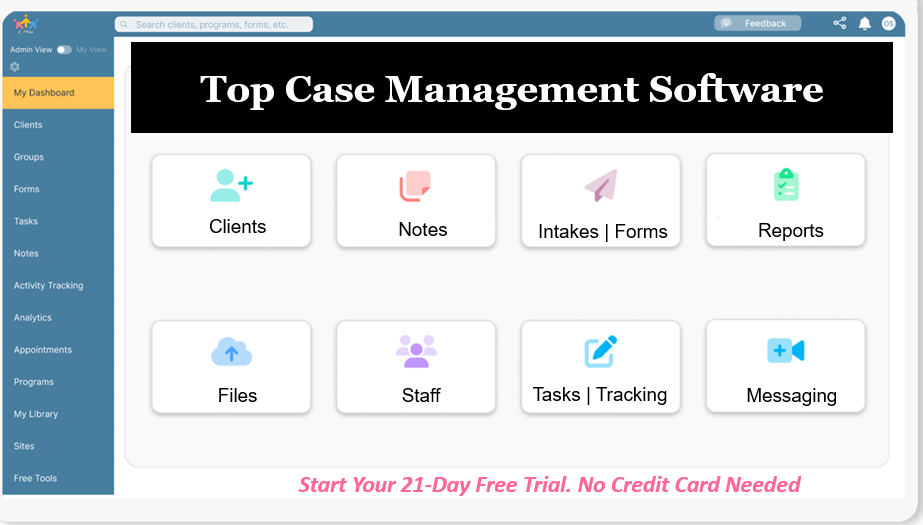
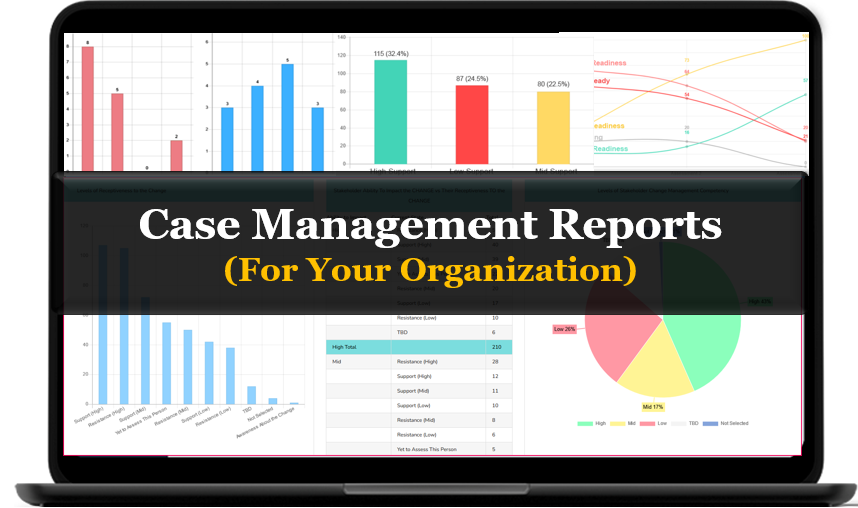
Case Management Hub provides a purpose-built, easy-to-use case management software platform designed around the precise workflows used by social workers, case managers, and human service teams. The platform simplifies everything from client intake and custom forms to HIPAA-compliant data storage, secure messaging, and client goals and progress tracking.
See how easy it is to setup client goals and review progress through a reports dashboard:
Step 1:
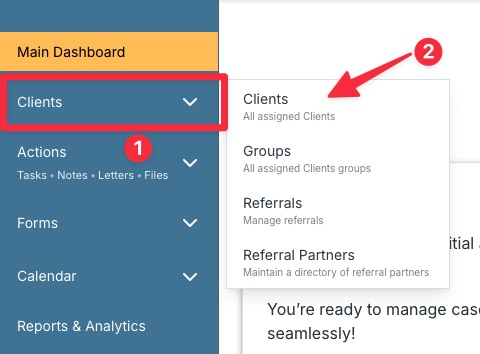
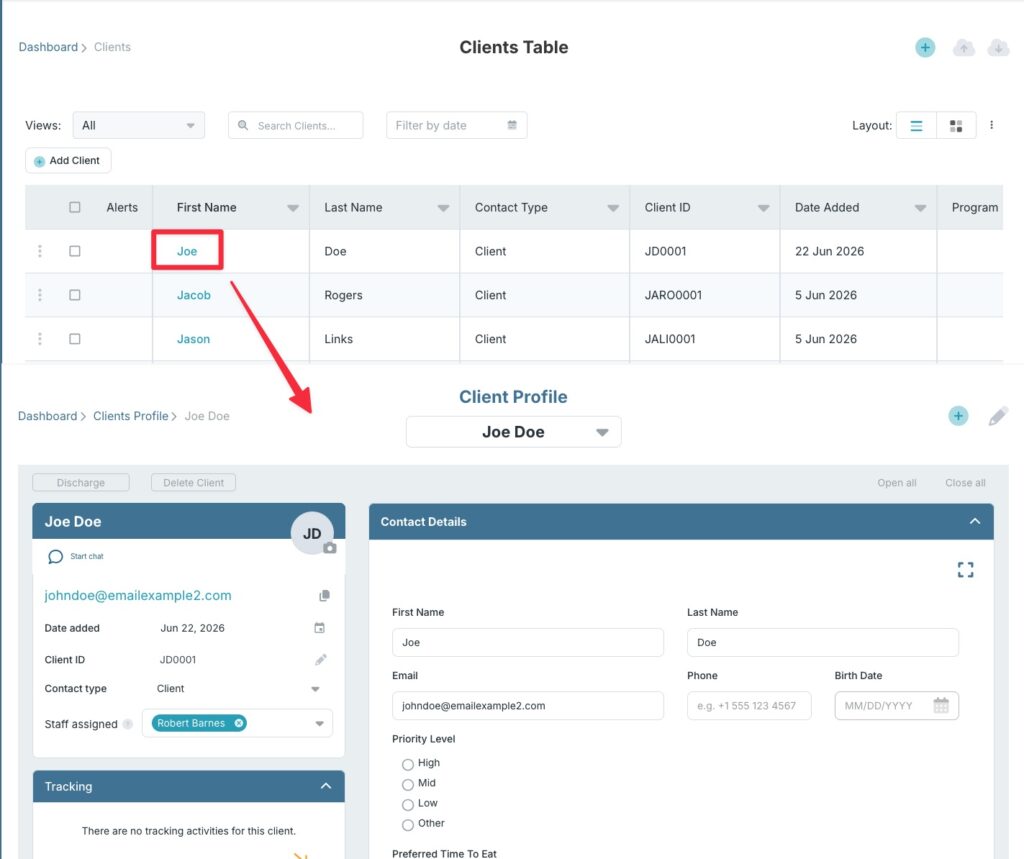
Navigate to the Client’s table and open a client profile.
Step 2:
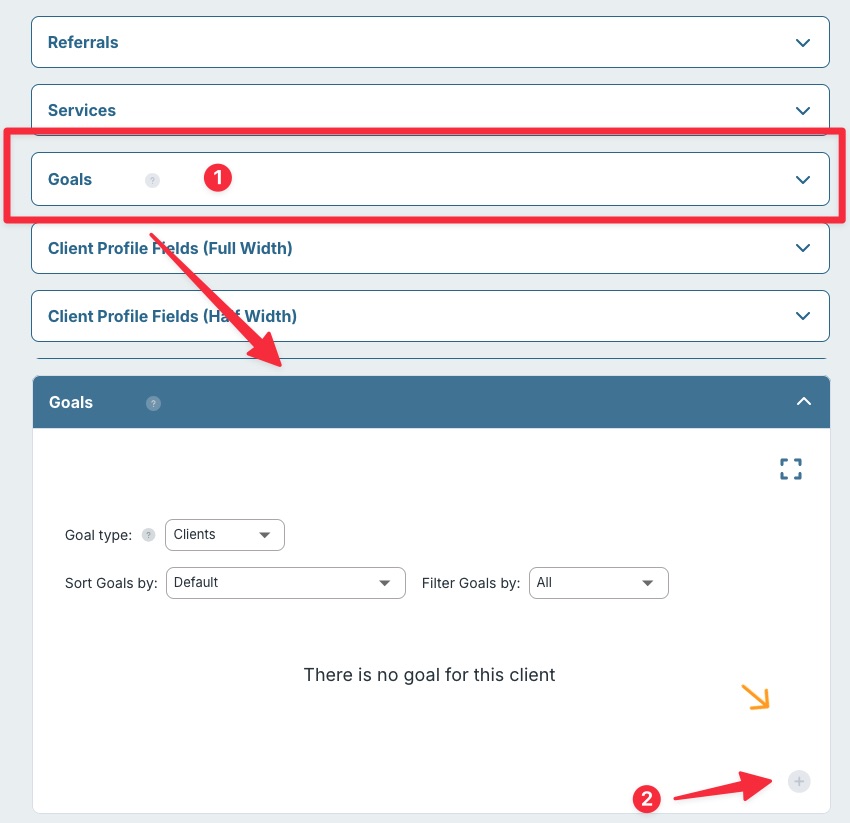
Scroll down to the Goals section and click the title to expand. Click the plus button to create new goal.
Step 3:
Give your goal a name and add in each of the steps required to achieve the goal. Start with the first step and add each subsequent step underneath it. When done, click Save.
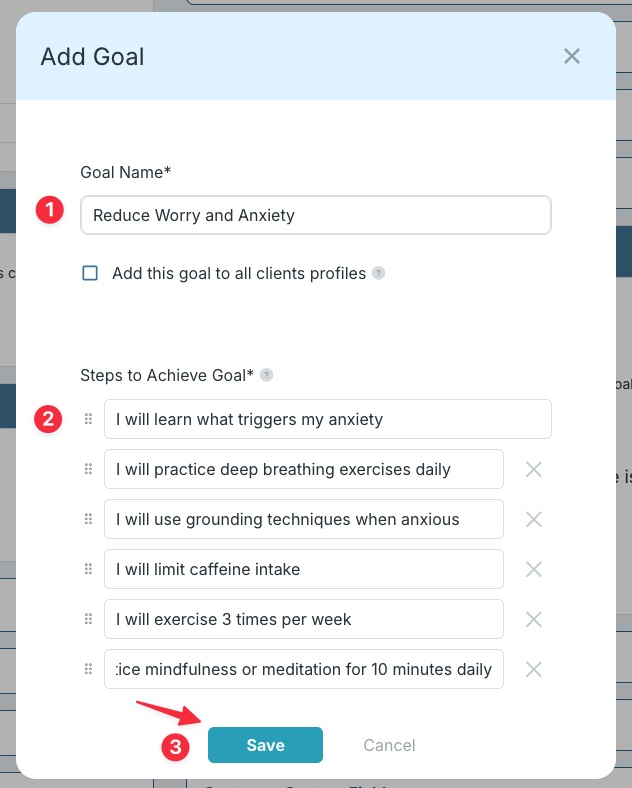
Tip: Goals can added automatically to all clients by placing a checkmark in “Add this goal to all students profiles”.
Step 4:
From the Goals section, you can manually mark steps as done, sort goals by date added, and filter out pending, in-progress, or completed goals.
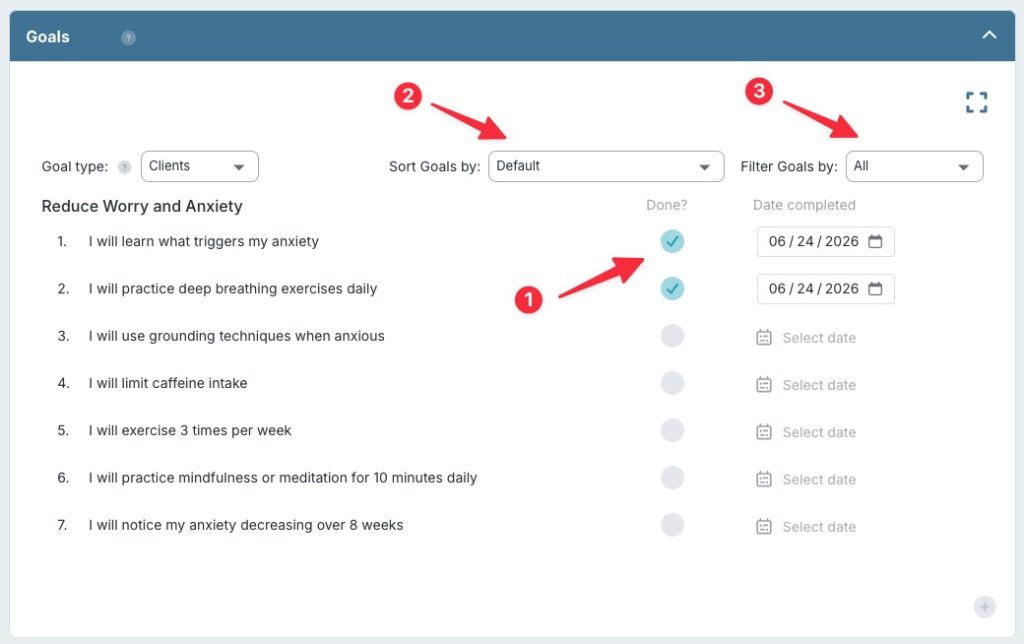
Tip: As you mark goals as done, the date completed field will automatically be filled in with today’s date, however you can change this by simply clicking on it and selecting the new date.
Step 5:
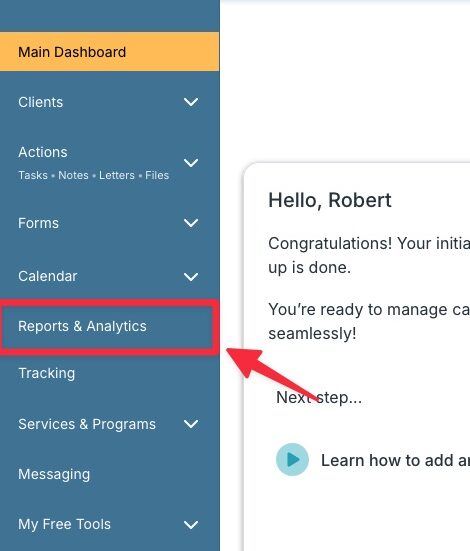
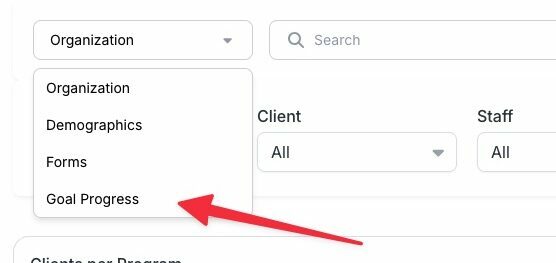
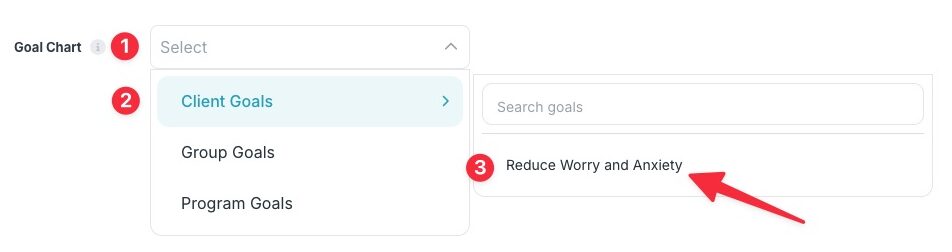
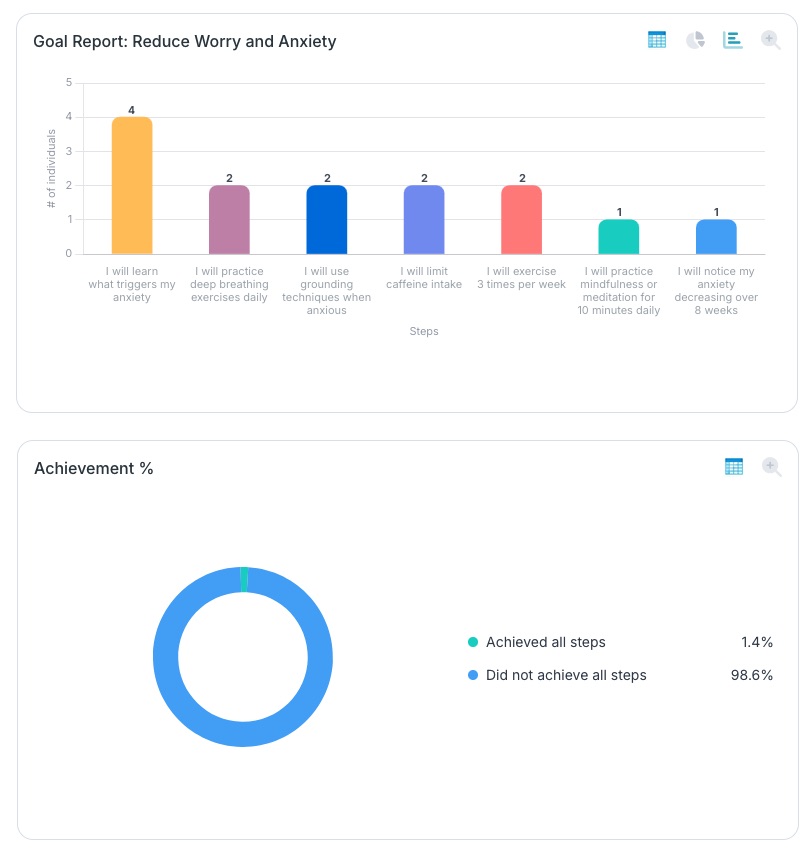
Review goal progress by heading to the Reports and Analytics module, selecting Goal Progress, and then selecting which goals. View reports on how many times a step was marked as done as well as the achievement percentage.
Take control of your workflow from day one. You can experience the difference firsthand by signing up for a free 21-day trial today, with absolutely no credit card required to get started.
Frequently Asked Questions
Most accredited graduate programs require a completed bachelor's degree from a regional university, transcripts demonstrating a solid GPA, letters of recommendation from professional references, and a personal statement outlining your dedication to social justice and the core values of the social work profession.
It is possible if your current workplace provides assignments that meet your state board's definition of clinical social work duties (such as psychotherapeutic assessments and interventions) and has a qualified LCSW on staff who can legally contract to supervise your hours.
Financially, the transition includes the cost of graduate school tuition, ASWB examination registration fees (typically around $230 to $260), state application fees, background checks, and investment in study preparation materials or specialized practice software.
If you do not pass on your first attempt, state boards and the ASWB require a mandatory 90-day waiting period before you are allowed to retake the exam. This period should be used to analyze your diagnostic score report and adjust your study habits.
Yes, state licensing boards do not differentiate between online and in-person degrees, provided that the graduate program is fully accredited by the Council on Social Work Education (CSWE) and fulfills your state's specific coursework criteria.
Clinical documentation shifts from simple, chronological activity tracking to formalized, diagnostic clinical notes. Licensed practitioners must maintain highly secure, legally defensible, and structured frameworks like SOAP, DAP, or BIRP notes that track precise therapeutic behavioral goals.What are the specific MSW admission requirements for career changers?
Can I complete my clinical supervision hours at my current caseworker job?
How much does it cost to transition from a caseworker to a licensed professional?
What happens if I do not pass the ASWB exam on my first try?
Are online MSW programs viewed favorably by licensing boards?
How does clinical documentation change once you become licensed?
👉 Try it free today - No credit card needed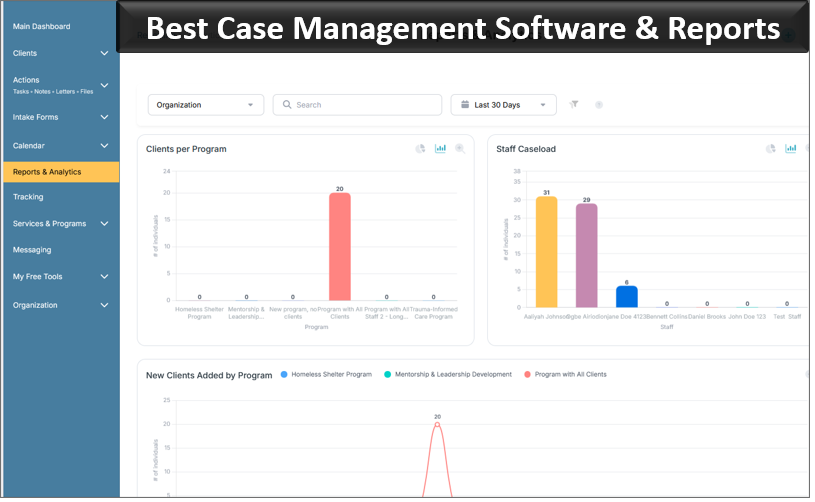
Note: Content on this website (socialworkportal.com) is copyrighted and protected under applicable copyright laws. Unauthorized reproduction, distribution, or use of any content from the website, without explicit written permission, is strictly prohibited. Read: Terms of Use.
Social Work Portal Disclaimer: Social Work Portal is not a social work agency and we do not refer social workers. This web site is provided for educational and informational purposes only and does not constitute providing medical advice or professional social and healthcare services. The information provided should not be used for diagnosing or treating a health problem or disease, and those seeking personal medical advice should consult with ... Read our full disclaimer here: Social Work Portal Disclaimer.