A Guide to Preventing Readmissions and Reducing Bottlenecks
Every inpatient case manager and hospital social worker knows the midday panic of a discharge order written before the post-acute plan is ready. The attending physician signs the departure paperwork, the bed board flashes red for an incoming emergency transfer, and the floor nursing team needs the room cleaned. Meanwhile, the patient lacks home oxygen, the skilled nursing facility is still reviewing clinical records, and family members are confused about daily wound care responsibilities.
This daily friction compromises safety. According to the Agency for Healthcare Research and Quality (AHRQ), adult hospital readmissions within 30 days total approximately 3.8 million per year in the United States, generating an average cost of over $15,200 per readmission. The breakdown almost always traces back to fragmented handoffs, unaddressed social barriers, and communication breakdowns between inpatient care teams and community providers.
Streamlining the complex hospital discharge planning process requires a shift from reactive, last-minute discharge scrambles to proactive, structured coordination that begins upon admission.
Let’s get started
Watch this video:
or
read the guide below.
What You’ll Learn in This Guide:
- How to pinpoint early indicators of high-barrier discharge risk within 24 hours of admission.
- Standardized frameworks for addressing social determinants of health in discharge planning.
- Practical methods for interdisciplinary care coordination for complex discharges.
- A direct operational comparison of manual discharge documentation versus modern automated tracking.
- Actionable transitional care management best practices that protect patient autonomy.
- How dedicated case management software reduces delayed discharge days and post-acute gaps.
💡All-in-one Case Management Software.
Everything in one place: clients, notes, forms, appointments, reports, and outcomes.
👉 Try it Free - No credit card needed
Complex Patients?
The modern hospital discharge is not a single administrative event. It is a vulnerable care transition requiring dozens of time-sensitive handoffs between hospitalists, nurses, physical therapists, payers, family caregivers, and post-acute facilities.
When discharge planning is treated as a routine checklist at the end of a stay, several recurring friction points arise:
- Delayed Biopsychosocial Discovery: Teams often discover unstable housing, lack of caregiver support, or food insecurity only when the patient is clinically cleared for release. Applying inpatient psychosocial assessment methods late in an admission guarantees delays.
- Prior Authorization Roadblocks: Managed care plans and Medicaid programs frequently require multi-day review cycles for durable medical equipment (DME), specialized wound therapy, or post-acute facility placement.
- Fragmented Communication: Bedside rounds, therapy notes, and case management records often stay siloed in disparate charts, causing clinicians to miss conflicting transition updates.
- Caregiver Overwhelm: Handing family members thirty pages of discharge instructions without hands-on education leads to medication errors and rapid emergency room returns.
To overcome these barriers to safe hospital discharge transitions, hospitals must implement proactive operational workflows backed by purpose-built digital tools.
What Are the Key Stages of a Safer Discharge Workflow?
High-performing hospital discharge teams standardize their care paths across four predictable phases, combining clinical precision with unwavering advocacy.
1. Day-One Risk Stratification and Screening
Discharge planning begins at the moment of admission. Within 12 to 24 hours, care teams should screen every patient using a validated social work discharge planning checklist. This assessment evaluates:
- Cognitive function and decision-making capacity.
- Baseline functional mobility and activities of daily living (ADLs).
- Primary caregiver availability and physical capability.
- Key social risk factors including unstable housing, lack of personal transportation, food insecurity, and utility shutoff risks.
- Prior health system utilization, specifically emergency department visits within the last 90 days.
2. Structured Interdisciplinary Coordination
Effective interdisciplinary care coordination for complex discharges cannot rely on impromptu hallway chats. Leading hospitals hold daily 15-minute interdisciplinary rounds involving the charge nurse, attending physician, physical therapist, and clinical care manager.
During these rounds, the team agrees on an estimated date of discharge (EDD), reviews clinical criteria that must be met prior to release, and identifies pending social work authorizations. This structured alignment is one of the most effective hospital length of stay reduction strategies social work teams can deploy.
3. Patient Advocacy and Collaborative Planning
Balancing rapid discharge pressure with ethical care is the core responsibility of the care coordinator. Strong patient advocacy in complex hospital discharges requires giving patients and their designated surrogates an active voice in their post-acute settings. Case managers must provide genuine choices among qualified post-acute facilities, review coverage limitations transparently, and verify that the proposed post-discharge care environment aligns with the patient’s individual goals of care.
4. Post-Acute Warm Handoffs
A safe transition does not end when the patient rolls out the front doors. Following evidence-based transitional care management best practices, inpatient teams must confirm that:
- The post-acute receiving agency or skilled facility has received complete medication reconciliation records.
- Critical DME is delivered and tested in the home prior to patient arrival.
- Follow-up appointments with primary care or specialists are scheduled within 7 to 14 days.
- A transitional care coordinator conducts a follow-up check-in call within 48 to 72 hours of discharge.
This closed-loop coordination serves as the foundation for reducing 30-day hospital readmissions case management performance metrics.
👉 Try it Free - Free Case Management System
How Do Digital Tools Streamline Complex Hospital Discharge Workflows?
Manual coordination relying on sticky notes, scattered paper files, dry-erase boards, and disconnected spreadsheets leads to missed tasks and prolonged patient stays. Implementing dedicated hospital discharge planning software replaces manual friction with systematic oversight.
Step 1: Standardized Biopsychosocial Intake
Instead of retyping paper interview notes, clinicians use automated intake forms for hospital social work to capture social determinants, baseline functional abilities, and caregiver contacts on a tablet at the patient bedside. Data fields sync directly into the client record, making social risk flags immediately visible across the team.
Step 2: Structured Progress Documentation
Documenting patient updates, family meetings, and facility inquiries requires structured notes that reflect clinical reality. Utilizing electronic SOAP and DAP notes for hospital social work allows social workers and case managers to log comprehensive assessments and transition updates quickly, establishing a clear audit trail that supports utilization review.
Step 3: Centralized Transition and Referral Tracking
Transition coordinators can leverage patient care transition tracking software to monitor post-acute placement requests across multiple skilled nursing, assisted living, home health, and hospice providers simultaneously. By viewing real-time referral statuses in a single unified dashboard, discharge planners can quickly identify facilities that have accepted or declined referrals.
Step 4: Closed-Loop Task and Care Plan Visibility
With collaborative care planning software for discharge planners, every team member can view active transition milestones, assigned staff owners, and target completion dates. If home physical therapy requires insurance re-authorization, that specific task is assigned and monitored, preventing discharge delays.
Step 5: Secure Stakeholder Communication
Coordinating with community agencies, family members, and guardians often involves exchanging protected health information (PHI). Using secure messaging and coordination tools for case managers ensures that document sharing, consent verification, and family updates comply fully with HIPAA regulations without requiring unsecure text messaging or slow, unreliable fax machines.
Do You Have a Team? Our best all-in-one client and top case management software simplifies everything from client intake and assessments to programs, projects, goals tracking, planning, scheduling, documentation, reporting dashboard, and progress tracking.All-in-One Case Management Software
Sign Up Today, Free
No credit card needed!
How Does Manual Coordination Compare to Automated Discharge Management?
Transitioning from disjointed manual methods to modern workflow automation delivers immediate operational gains for care management departments.
| Workflow Component | Traditional Manual Process | Automated Case Management Workflow |
| Initial Assessment | Paper forms re-entered manually into disparate desktop software. | Standardized digital forms that populate patient profiles instantly. |
| Progress Documentation | Inconsistent narrative notes scattered across paper charts or generic fields. | Structured electronic SOAP and DAP templates with custom fields. |
| Referral Management | Manual paper faxes, untracked telephone calls, and missing placement confirmations. | Real-time referral dashboards tracking statuses across external partners. |
| Task Coordination | Handwritten checklists, dry-erase whiteboards, and verbal shift handoffs. | Automated task alerts, stage-based milestones, and role assignments. |
| Family Communication | Unsecured phone calls, unreturned voicemails, and unsecure messaging. | HIPAA-compliant messaging, shared client portals, and secure digital forms. |
| Readmission Analytics | Weeks spent compiling post-discharge spreadsheets for leadership review. | On-demand reporting on readmission trends, delays, and program outcomes. |

People Also Ask About Hospital Discharge Workflows
What is the primary role of a hospital social worker in discharge planning?
A hospital social worker evaluates the patient’s emotional, social, and financial circumstances to create a safe post-hospital transition plan. They connect patients with community resources, coordinate post-acute services, and advocate for patient choices during interdisciplinary medical planning.
When should discharge planning begin for hospitalized patients?
Discharge planning must begin within 24 hours of hospital admission. Identifying potential social, physical, and financial discharge barriers early gives care teams sufficient time to secure authorizations, order medical equipment, and arrange post-acute placement.
What are the most common causes of delayed hospital discharges?
The most frequent causes of delayed discharge include slow insurance prior authorizations, shortages of available beds in skilled nursing or rehabilitation facilities, pending durable medical equipment deliveries, and unresolved home caregiver arrangements.
How does discharge planning directly reduce 30-day hospital readmissions?
Effective discharge planning ensures patients understand their medication regimens, possess essential medical equipment, have secured follow-up appointments, and maintain access to necessary community and caregiver support, preventing avoidable post-acute complications.
What is the difference between a DAP note and a SOAP note in social work?
SOAP notes divide documentation into Subjective, Objective, Assessment, and Plan sections, making them ideal for clinical, multidisciplinary medical charts. DAP notes combine information into Description, Assessment, and Plan, providing a concise format preferred in behavioral health and social service tracking.
Why is interdisciplinary coordination critical during patient transitions?
Complex patient transitions involve medical, nursing, pharmacological, and social elements that cannot be managed by a single discipline. Daily interdisciplinary coordination aligns the entire care team on clinical targets, removing systemic bottlenecks before they delay safe patient release.
How Does Case Management Hub Solve Inpatient Transition Bottlenecks?
Navigating high patient censuses while safeguarding quality of care requires reliable digital infrastructure. Case Management Hub provides a unified, HIPAA compliant case management software for social workers and discharge planners designed to eliminate paperwork chaos and optimize transitional care workflows.
Case Management Hub consolidates every critical coordination tool into an intuitive, secure interface:
- Custom Intake and Screening Forms: Deploy standardized psychosocial assessments and social determinant intake tools that automatically map into client records.
- Streamlined Clinical Documentation: Maintain complete, consistent electronic SOAP and DAP notes with configurable templates and automated time-tracking features.
- Centralized Referral Tracking: Oversee incoming and outgoing referrals with external post-acute providers, reducing communication breakdowns and placement delays.
- Automated Workflow Management: Assign tasks, monitor discharge milestones, and share updates across multidisciplinary team members in real time.
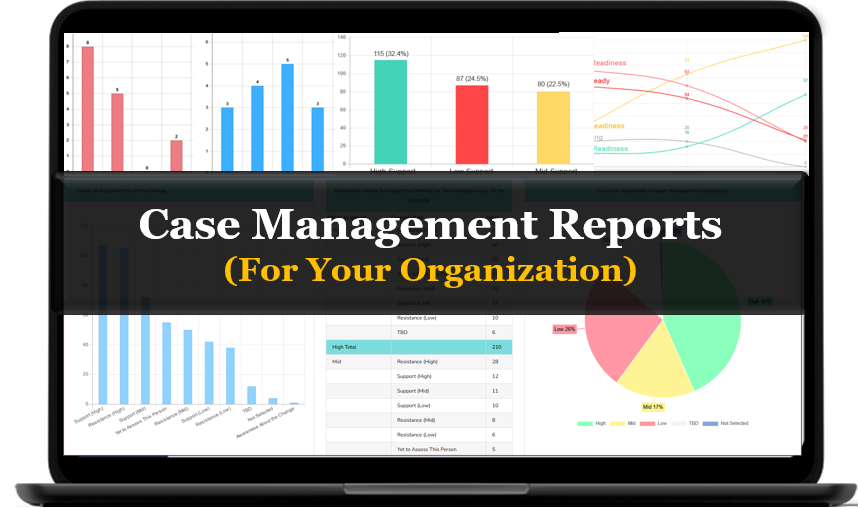
- Executive and Operational Analytics: Access a comprehensive social work case management platform with reporting that tracks client outcomes, referral patterns, and program impact without tedious spreadsheet maintenance.
Eliminate the administrative burden slowing down your care transitions. Start your 21-day free trial of Case Management Hub today with no credit card required, and see firsthand how inpatient case management workflow automation can transform your discharge workflows.
Frequently Asked Questions About Discharge Planning
How can small care teams manage high caseloads without missing critical discharge details?
Small teams must rely on standardized screening tools and automated reminders rather than memory. By creating structured intake workflows and utilizing standardized DAP or SOAP templates, care managers can quickly identify which patients require immediate, intensive coordination versus those with routine transitions, ensuring that high-risk cases receive timely intervention.
How do HIPAA regulations apply when sharing discharge records with external community providers?
Under HIPAA Privacy Rules, covered entities can share protected health information without explicit patient authorization for treatment and care coordination activities. However, transmission methods must remain secure. Using secure platforms with role-based access controls, encrypted messaging, and audit logging protects sensitive patient data when communicating with skilled nursing facilities, home health agencies, and outpatient clinics.
What steps should a case manager take when a patient refuses a medically recommended post-acute placement?
When a cognitively intact patient refuses recommended placement, the case manager acts as a patient advocate. Social workers must explore the reasons behind the refusal, clarify risks and alternatives, and conduct a candid family conference. If the patient continues to decline placement, the team must respect patient autonomy while formulating the safest possible alternative harm-reduction home plan, documenting all discussions and patient education thoroughly.
How can hospital case managers effectively track delays caused by external insurance authorizations?
Case managers should use specialized tracking software that tags specific delay categories, such as prior authorization review, facility bed availability, or DME fulfillment. Logging timestamps for initial submission, follow-up inquiries, and final decisions provides concrete administrative data that leadership can use to address systemic payer bottlenecks.
What are the best methods for ensuring medication adherence after hospital discharge?
Ensuring medication adherence requires combining pharmacist-led medication reconciliation with teach-back patient education. Inpatient discharge planners should verify that discharge prescriptions are physically filled and delivered prior to hospital departure, confirm insurance formulary coverage, and connect low-income patients with co-pay assistance or community medication delivery programs.
How can social workers balance hospital length of stay pressures with safe clinical practice?
Social workers must ground their discharge timelines in objective risk assessments and clinical readiness rather than arbitrary administrative calendar dates. Participating actively in morning interdisciplinary rounds allows social workers to clearly state remaining non-clinical barriers, educate physicians on post-acute lead times, and leverage administrative reporting to show that rushed, unsafe discharges result in costly readmission penalties.
👉 Try it free today - No credit card needed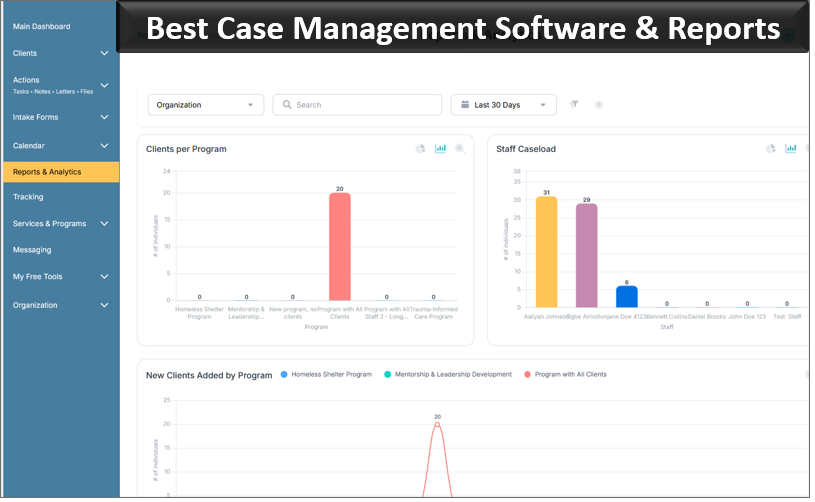
Note: Content on this website (socialworkportal.com) is copyrighted and protected under applicable copyright laws. Unauthorized reproduction, distribution, or use of any content from the website, without explicit written permission, is strictly prohibited. Read: Terms of Use.
Social Work Portal Disclaimer: Social Work Portal is not a social work agency and we do not refer social workers. This web site is provided for educational and informational purposes only and does not constitute providing medical advice or professional social and healthcare services. The information provided should not be used for diagnosing or treating a health problem or disease, and those seeking personal medical advice should consult with ... Read our full disclaimer here: Social Work Portal Disclaimer.