A Rapid Triage Guide for Frontline Clinicians and Staff
Every primary care physician, ER triage nurse, and outpatient clinic manager knows the math of a 15-minute visit. Handing a patient a nine-question paper form at check-in often triggers a cascading delay: clipboards stall in the waiting room, medical assistants spend precious rooming minutes tallying scores by hand, and providers enter the exam room behind schedule before the clinical conversation even starts.
Learning how to screen for depression in primary care workflow does not require stretching appointment slots or burning out support staff. By combining a validated two-tier screening protocol with pre-visit digital intake and automated scoring, clinics can identify high-risk patients in under a minute while keeping exam rooms turning on time.
Let’s get started
Watch this video:
or
read the guide below.
What You’ll Learn in This Guide
- How the two-step PHQ-2 to PHQ-9 clinical workflow screens out roughly 80% of patients in under 30 seconds.
- Word-for-word rooming and ER triage scripts that prevent patient pushback and speed up intake.
- Exact PHQ-9 score thresholds, CPT reimbursement alignment, and compliant SOAP note phrasing.
- A four-step digital workflow that eliminates clipboard bottlenecks and manual EHR transcription.
- HIPAA-safe methods for sharing positive screens with behavioral health referral partners.
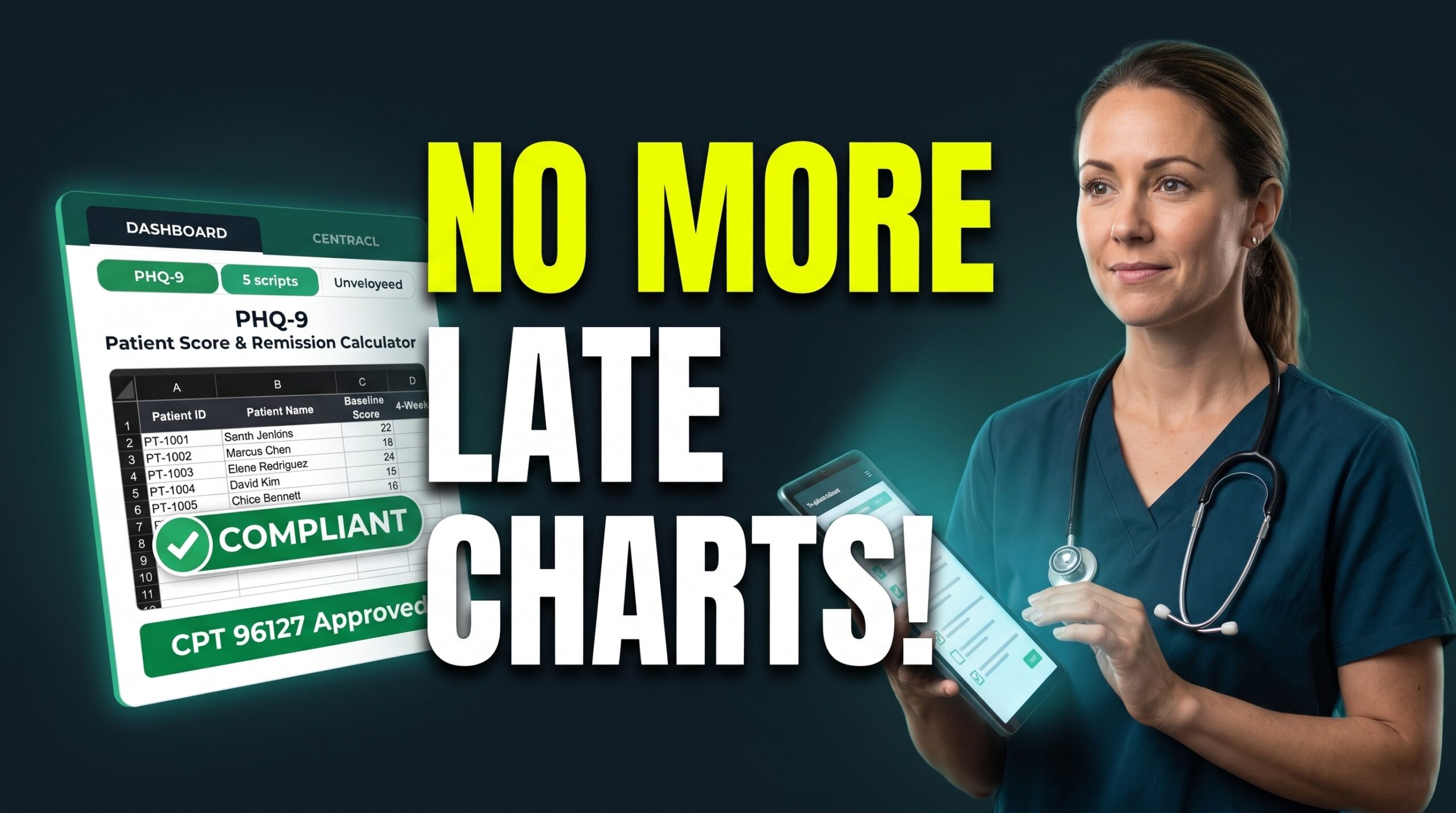
Free Spreadsheet Template: PHQ-9 Patient Score & Remission Calculator
Tracking follow-up PHQ-9 scores across 4-, 8-, and 12-week visits should not require manual math or digging through old chart notes. Download our free PHQ-9 Patient Score & Remission Calculator to monitor treatment response across your caseload in seconds.
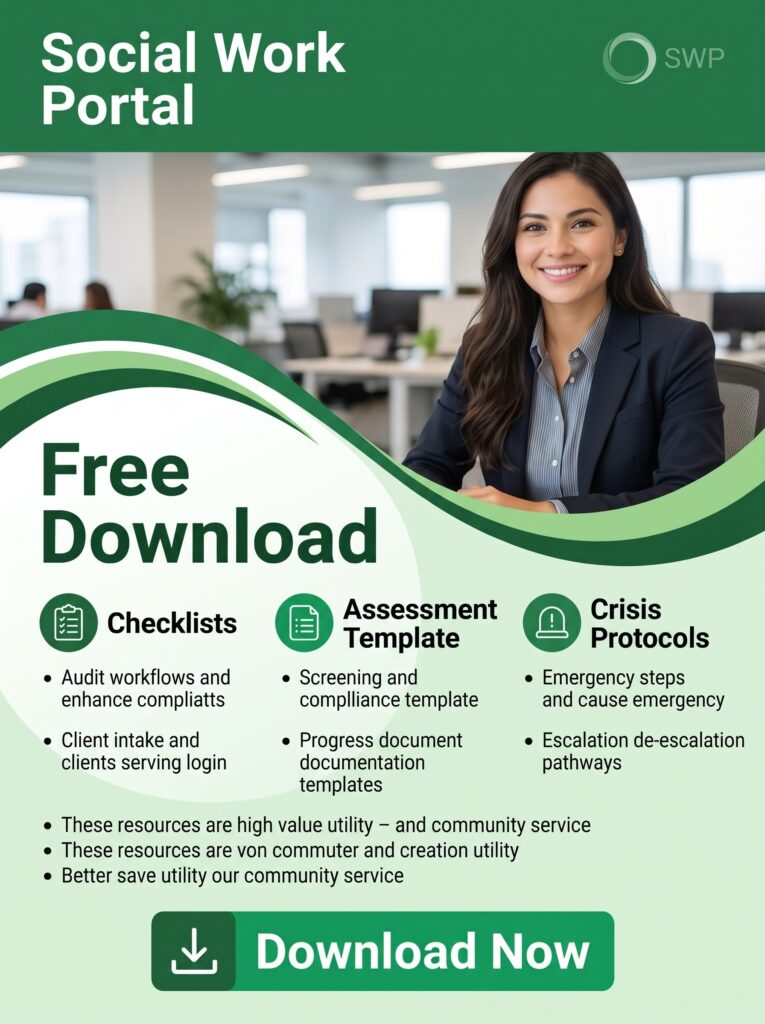
Download Your Free Resources Here
💡All-in-one Case Management Software.
Everything in one place: clients, notes, forms, appointments, reports, and outcomes.
👉 Try it Free - No credit card needed
How Can Clinics Screen for Depression in Under 60 Seconds?
The fastest way to eliminate waiting room bottlenecks is implementing two-step depression screening best practices rather than handing out full nine-question forms to every patient. In a high-volume clinic, universal administration of the full PHQ-9 creates unnecessary friction for asymptomatic patients and extra scoring work for staff.
Instead, frontline teams use the PHQ-2 as a rapid gatekeeper. The PHQ-2 evaluates just two core symptoms over the preceding two weeks: depressed mood and anhedonia (little interest or pleasure in doing things). Each item is scored from 0 (“Not at all”) to 3 (“Nearly every day”). According to the U.S. Preventive Services Task Force (USPSTF), routine depression screening in primary care adults significantly improves early detection and clinical outcomes when supported by structured follow-up protocols.
If a patient scores 0, 1, or 2 on the PHQ-2, the screening ends immediately. That entire interaction takes less than 30 seconds during standard intake. Only patients who score 3 or higher advance to the remaining seven questions of the PHQ-9 to establish symptom severity. Establishing a rapid depression screening protocol for emergency departments and busy outpatient practices relies on this exact conditional split: fast clearance for low-risk visits, and immediate depth for patients who need clinical attention.
What Is the Medical Assistant Role in Depression Screening?
Physicians should never be the ones handing out questionnaires or adding up numbers during a 15-minute visit. Defining the medical assistant role in depression screening embeds the workflow directly into the standard vitals and rooming sequence.
When rooming a patient, consistency and neutral framing prevent awkwardness and keep the clock moving. Medical assistants can use a standardized script right after checking blood pressure:
“As part of our routine health check for every patient today, I am going to ask you two quick questions about how you have been feeling over the past two weeks.”
If the patient’s answers total 3 or higher, the medical assistant immediately transitions to the remaining seven questions on a clinic tablet or paper sheet before exiting the room:
“Thank you for sharing that. Because you have been dealing with some low mood and energy lately, I am going to have you answer seven brief follow-up questions while you wait for the doctor so we can support you properly.”
Before stepping out, the assistant ensures the total score is visible in the chart and flags any score of 10 or higher, or any positive answer on Question 9, for the clinician. Beyond clinical efficiency, structured administration also supports practice sustainability: under CPT code 96127, clinics can bill for brief emotional and behavioral assessments using standardized instruments like the PHQ-9 when properly scored and documented in the medical record.
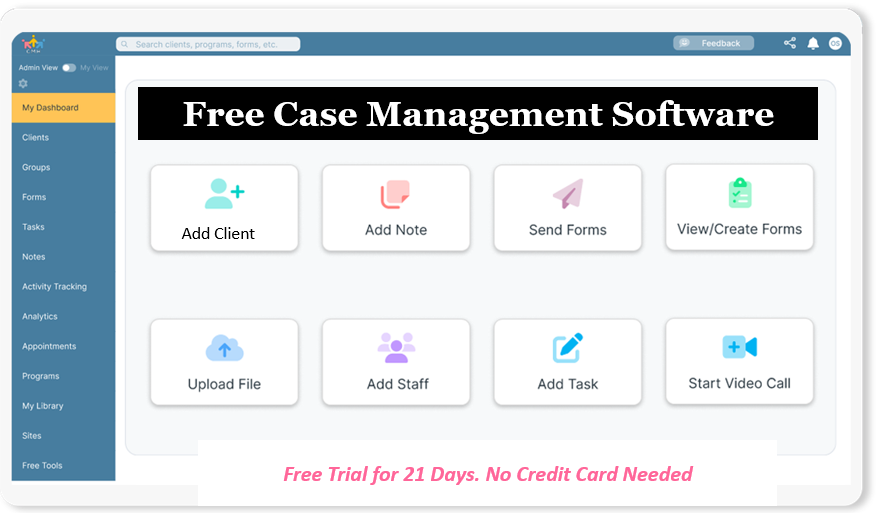
👉 Try it Free - Free Case Management System
How Should Clinicians Interpret PHQ-9 Scores and Document Risk?
Knowing how to interpret PHQ-9 scores for treatment planning gives providers an objective severity baseline before they knock on the exam room door. Total scores range from 0 to 27 and map directly to standardized clinical tiers:
- 0 to 4 (Minimal or None): No active depression treatment indicated; repeat screening annually or when clinical presentation changes.
- 5 to 9 (Mild Depression): Provide psychoeducation, review lifestyle stressors, and repeat the PHQ-9 at a four-week follow-up visit.
- 10 to 14 (Moderate Depression): Initiate a structured treatment plan, including brief behavioral counseling, psychotherapy referral, or first-line pharmacotherapy.
- 15 to 19 (Moderately Severe Depression): Start active treatment combining pharmacotherapy and psychotherapy, with close follow-up within two to four weeks.
- 20 to 27 (Severe Depression): Initiate pharmacotherapy immediately, arrange an expedited behavioral health specialist consultation, and establish frequent safety checks.
When learning how to document positive PHQ-9 screening in clinical notes, specificity protects both continuity of care and audit readiness. Avoid vague entries like “patient appears down.” Instead, anchor your SOAP note to the numeric score, functional impact, suicide risk status, and concrete next steps:
- Subjective: Patient completed PHQ-9 during intake (Score: 14, Moderate). Reports persistent fatigue, poor concentration, and depressed mood nearly every day for three weeks following job loss.
- Objective: Alert, cooperative, flat affect. PHQ-9 total = 14. Question 9 (self-harm/suicidal ideation) = 0.
- Assessment: Major depressive disorder, single episode, moderate (F32.1).
- Plan: Discussed treatment options. Initiated sertraline 50 mg daily; reviewed side effects and four-week onset timeline. Placed warm referral to integrated behavioral health social worker. Scheduled two-week follow-up visit.
Following best practices for PHQ-9 suicide risk follow-up is critical whenever Question 9 (“Thoughts that you would be better off dead, or of hurting yourself in some way”) receives a score of 1, 2, or 3. Even if the patient’s overall PHQ-9 total is below 10, any positive response on Question 9 requires an immediate secondary safety evaluation, such as the Columbia-Suicide Severity Rating Scale (C-SSRS), and documented safety planning prior to discharge.
All-in-One Case Management Software
Sign Up Today, Free
No credit card needed!
Do You Have a Team? | ||
Our best all-in-one client and top case management software simplifies everything from client intake and assessments to programs, projects, goals tracking, planning, scheduling, documentation, reporting dashboard, and progress tracking.
How Digital Tools Streamline Depression Screening Workflows
Even the sharpest clinical protocol stalls if staff are stuck chasing clipboards, calculating totals manually, and scanning paper sheets into charts. Addressing the root causes of reducing patient bottlenecks during mental health intake requires moving screening off paper and into an automated digital workflow.
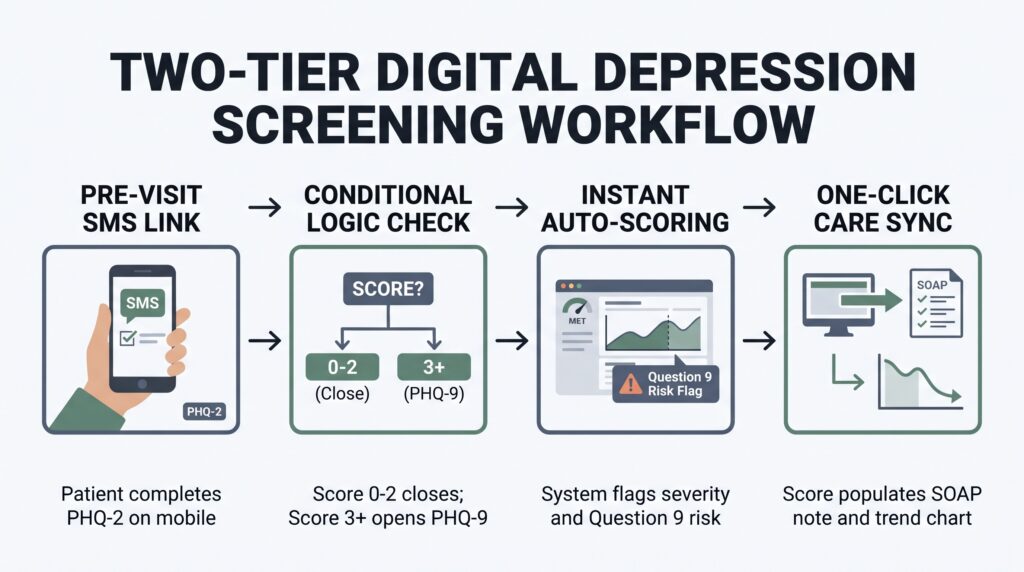
Modern clinical software removes administrative drag across four connected stages:
- Pre-Visit Mobile Intake: Clinics send pre-visit mental health screening tools via automated SMS or email links 24 hours before scheduled appointments. Patients complete forms privately on their smartphones without requiring a complex portal login, arriving at the clinic with their screening already logged.
- Electronic PHQ-2 to PHQ-9 Conditional Logic: Rather than displaying nine intimidating questions at once, smart intake forms present the two PHQ-2 items first. When a patient scores 3 or higher, the remaining seven questions expand automatically on screen, keeping low-risk intake under 30 seconds.
- Automated Scoring and High-Risk Alerts: Automated PHQ-9 scoring software calculates exact point totals the second a patient submits the form, assigns the corresponding risk tier, and dispatches instant email notifications to designated clinicians or triage nurses when scores cross moderate or severe thresholds.
- Longitudinal Rating Trend Reports: Patient progress tracking software plots each completed assessment onto a visual timeline. During follow-up visits, clinicians see immediately whether a patient’s score dropped from 16 to 9 over six weeks, validating treatment efficacy without digging through old notes.
| Workflow Stage | Manual / Paper-Based Workflow | Automated Digital Workflow |
| Form Distribution | Front desk hands out paper clipboards at check-in, creating lobby delays. | Automated SMS or portal links deliver HIPAA compliant digital intake forms before arrival. |
| Screening Logic | Every patient receives all 9 questions regardless of symptom presence. | Conditional logic expands PHQ-2 to PHQ-9 only when the initial score hits 3 or higher. |
| Score Calculation | Medical assistants tally numbers manually, risking math errors under pressure. | Software calculates totals instantly, assigns risk tiers, and sends high-risk staff alerts. |
| Chart Documentation | Clinicians re-type scores into SOAP notes and wait for front-desk scanning. | Assessment data syncs directly to client profiles, progress notes, and card views. |
| Outcome Tracking | Staff manually compare historical PDFs or spreadsheets across visits. | Visual rating trend charts display symptom progression over time automatically. |

People Also Ask
How long does a two-step PHQ-2 and PHQ-9 depression screening take?
Administering the PHQ-2 takes less than 30 seconds during standard vitals. Only the roughly 15% to 20% of patients who score 3 or higher need to complete the remaining seven questions of the PHQ-9, which takes under two minutes on a smartphone or clinic tablet.
Can medical assistants administer and score the PHQ-9 during rooming?
Yes, medical assistants can administer the PHQ-9 verbally or via tablet and record the numerical score as part of routine patient intake. However, clinical interpretation, diagnostic coding, and suicide risk assessment for positive Question 9 responses must always be handled by a licensed provider or behavioral health clinician.
What PHQ-9 score requires immediate clinical action?
A total score of 10 or higher indicates moderate to severe depression and warrants active clinical intervention, such as psychotherapy, pharmacotherapy, or specialist referral. Additionally, any score of 1 or higher on Question 9 requires an immediate suicide safety screening regardless of the patient’s total score.
How does conditional logic improve outpatient depression screening rates?
Conditional logic keeps the intake process brief for asymptomatic patients by hiding Questions 3 through 9 unless the initial PHQ-2 score reaches 3 or higher. Eliminating unnecessary questions reduces patient survey fatigue and boosts overall screening completion rates across busy practices.
Is it HIPAA compliant to send depression screening links via text or email?
Sending intake links via SMS or email is HIPAA compliant as long as the message body contains no protected health information and directs the patient to a secure, encrypted form portal. Clinics must also have an executed Business Associate Agreement (BAA) in place with their software provider.
How often should providers repeat the PHQ-9 during depression treatment?
Clinicians should re-administer the PHQ-9 every two to four weeks after initiating antidepressant therapy or counseling to evaluate treatment response. A reduction of 5 or more points from baseline generally signals a clinically meaningful improvement in symptoms.
Streamline Clinical Intake and Outcome Tracking With Case Management Hub
Eliminating intake bottlenecks works best when your screening tools connect directly to your clinical notes, referral workflows, and outcome reports. Case Management Hub is an all-in-one, HIPAA-compliant platform built to help healthcare teams, social workers, and care coordinators run rapid assessments without slowing down daily operations.
Using customizable digital forms and built-in rating fields, your clinic can deploy mobile-friendly PHQ-2, PHQ-9, and GAD-7 questionnaires via public links, QR codes, or client portals. The platform automatically calculates total scores, applies your clinic’s risk ranges and recommended interventions, and triggers instant email notifications when a patient flags for moderate or severe symptoms. Completed assessments sync directly to the centralized client profile alongside SOAP and DAP progress notes, customizable client card views, secure outgoing referrals, and automated rating trend analytics.
Start Your 21-Day Free Trial (No Credit Card Required)
Frequently Asked Questions
How do we prevent duplicate patient profiles when sending pre-visit screening links?
When patients submit online forms without logging into an account, your software should match records using a unique identifier like an email address or mobile phone number. Case Management Hub checks incoming submissions against your existing database using your selected unique identifier and attaches the completed screening directly to the patient's existing profile.
Can we configure automated staff alerts for specific PHQ-9 score ranges?
Yes. Inside Case Management Hub's rating field settings, administrators define exact score brackets, risk labels, and recommended clinical actions. You can enable automated email notifications so any submission landing in a moderate or severe range immediately alerts the assigned clinician or triage supervisor.
How can frontline clinicians spot high-risk scores at a glance on their caseload?
In Case Management Hub, teams can switch to the Client Card View and display up to five custom fields directly on the front of each client card. Administrators can also post color-coded Staff Alerts directly on a client's profile so triage nurses, medical assistants, and providers see active behavioral risk flags immediately upon opening the chart.
How do we securely share positive PHQ-9 results with external behavioral health partners?
Faxing paper screenings delays care and creates compliance gaps. Using Case Management Hub's referrals module, staff can log an outgoing referral and share selected assessment records with an outside provider through a view-only, password-protected guest account while maintaining a complete audit log.
What happens if a patient does not have a smartphone or struggles with digital forms?
A hybrid intake approach ensures universal access without breaking your data workflow. While most patients complete forms on their phones before arrival, front-desk staff or medical assistants can open the exact same digital form on a clinic tablet during check-in or enter answers verbally on the patient's behalf so every score feeds into the same automated reports.
How does automated reporting simplify value-based care and compliance audits?
Pulling screening metrics manually from paper charts drains hours of administrative time. Cloud-based clinical intake and outcome reporting software aggregates every completed PHQ-9 automatically, enabling clinic managers to filter completion rates and symptom score reductions by program, staff member, or date range and export audit-ready PDF or Excel files in seconds.
👉 Try it free today - No credit card needed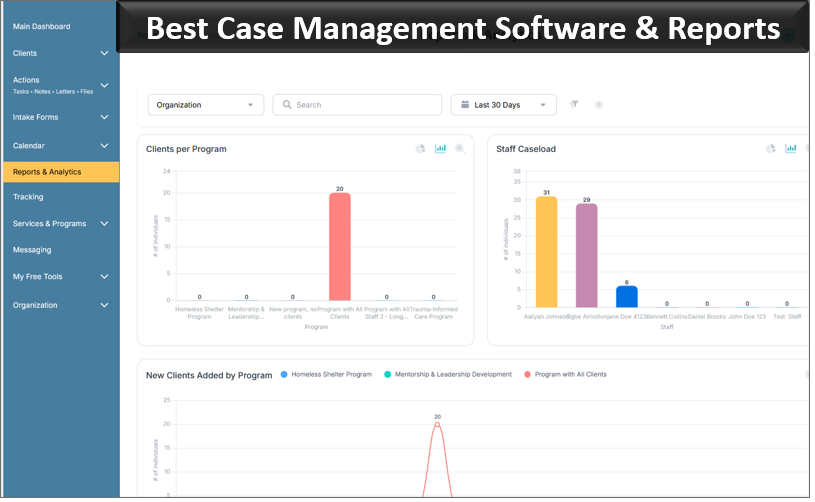
Note: Content on this website (socialworkportal.com) is copyrighted and protected under applicable copyright laws. Unauthorized reproduction, distribution, or use of any content from the website, without explicit written permission, is strictly prohibited. Read: Terms of Use.
Social Work Portal Disclaimer: Social Work Portal is not a social work agency and we do not refer social workers. This web site is provided for educational and informational purposes only and does not constitute providing medical advice or professional social and healthcare services. The information provided should not be used for diagnosing or treating a health problem or disease, and those seeking personal medical advice should consult with ... Read our full disclaimer here: Social Work Portal Disclaimer.