Accurately Triage Adolescent Substance Risk Without Intake Bottlenecks
Detecting substance experimentation before it escalates into a chronic disorder is critical, yet providers must navigate teen defensiveness, privacy concerns around parents in waiting rooms, and packed clinical schedules. These hurdles mirror broader systemic challenges in how to manage child mental health evaluations across outpatient environments.
Standardized instruments solve this problem by converting guarded conversations into objective clinical data. Validated for ages 12 to 21 and recommended by the American Academy of Pediatrics Bright Futures Guidelines, the CRAFFT questionnaire screens for alcohol, cannabis, nicotine, prescription misuse, and impaired driving risks. Mastering how to score the CRAFFT screening tool enables your team to identify diagnostic thresholds instantly, deliver targeted brief interventions, and maintain defensible documentation without slowing down clinic intake.
Let’s get started
Watch this video:
or
read the guide below.
What You’ll Learn in This Guide
- The conditional skip-pattern mechanics governing Part A frequency and Part B risk scoring.
- A clear, 3-step calculation model to eliminate administrative scoring errors.
- How to interpret CRAFFT composite cut-offs against DSM-5 substance use disorder probabilities.
- Concrete clinical protocol steps for patients screening at elevated risk tiers.
- How modern digital platforms automate scoring calculations, trigger risk alerts, and export data directly into clinical charting notes.
Free Download: CRAFFT 2.1 Screening Checklist & Clinical Action Sheet
Download your free Field Checklist & Clinical Action Sheet to keep at intake desks, navigate Part A and B skip patterns without calculation errors, and protect your clinic during supervisory file reviews.
Download Your Free Resources Here
💡All-in-one Case Management Software.
Everything in one place: clients, notes, forms, appointments, reports, and outcomes.
👉 Try it Free - No credit card needed
Why Are Standard Adolescent Substance Abuse Screening Tools Critical in Pediatric Care?
Adolescents rarely display the visible physiological dependencies or severe occupational disruptions common in adult substance use disorders. Screening instruments developed for adults, such as the CAGE assessment, fail when applied to adolescents because they focus on chronic alcohol dependency rather than binge patterns, social experimentation, or acute behavioral risks. Knowing how to choose the right assessment tool ensures clinicians do not apply adult diagnostic assumptions to developmental youth behaviors.
According to national surveillance data published by the Centers for Disease Control and Prevention from the Youth Risk Behavior Surveillance System, approximately 32% of high school students report current substance use, including alcohol, marijuana, prescription opioid misuse, or commercial tobacco products. Furthermore, with the proliferation of high-potency cannabis concentrates and vaping hardware, youth experimentation carries immediate health and neurodevelopmental consequences.
Adolescent substance abuse screening tools in pediatric environments must assess the developmental context of youth behavior. The CRAFFT questionnaire targets this exact reality. By examining whether an adolescent uses substances while alone, to manage emotional distress, or in moving vehicles, the tool detects behavioral patterns that predict clinical impairment long before formal physical dependence takes hold.
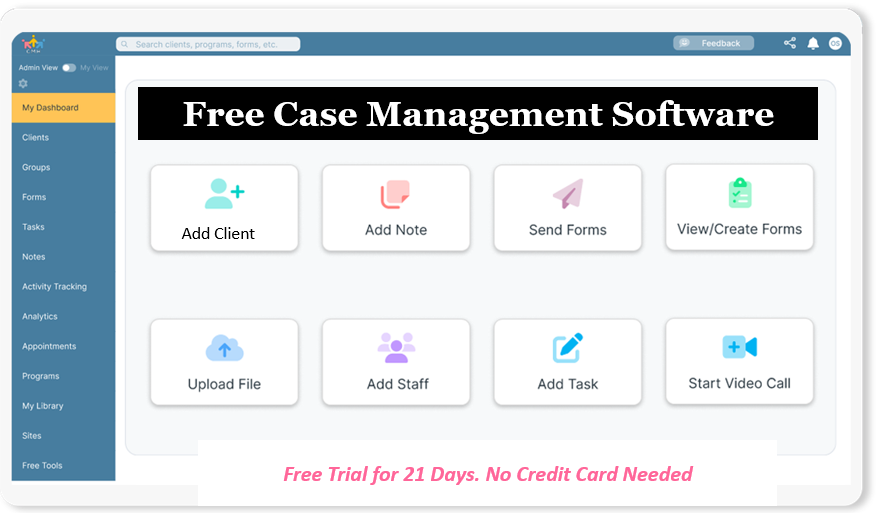
👉 Try it Free - Free Case Management System
What Are the CRAFFT Part A and Part B Scoring Rules?
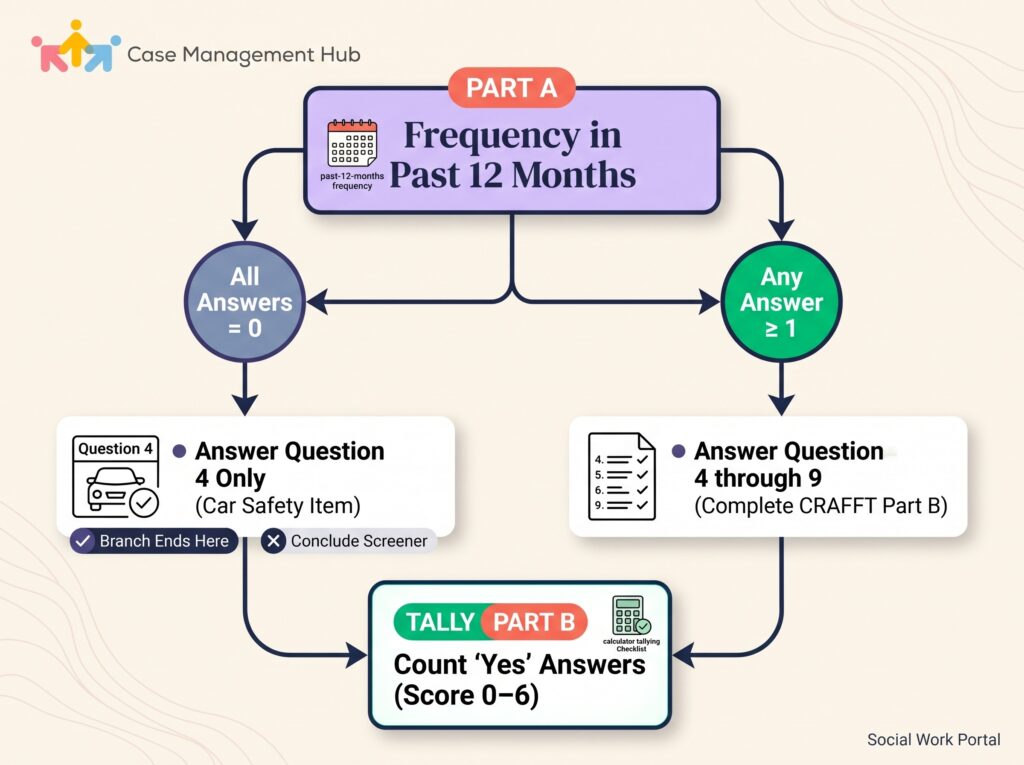
To score the instrument accurately, clinicians must understand the branch logic connecting Part A and Part B. The CRAFFT 2.1 scoring guide is structured to minimize questionnaire fatigue for abstinent youth while thoroughly evaluating patients with active substance exposure.
Part A: Past 12-Month Frequency Assessment
Part A asks the patient to record the total number of days they consumed substances over the preceding 12 months across three primary categories:
- Alcohol: More than a few sips of beer, wine, or liquor.
- Marijuana: Cannabis consumed via smoking, vaping, dabbing, edibles, or synthetic cannabinoids.
- Other Substances: Prescription medications taken without a prescription, over-the-counter compounds misused to alter mood, illicit drugs, or inhalants.
If your facility utilizes the CRAFFT+N variant, Part A includes a fourth prompt asking for the total number of days the adolescent used nicotine or tobacco delivery systems, including e-cigarettes, pod vapes, cigarettes, and nicotine pouches.
The Skip-Pattern Logic
The branch rule between sections is strict:
- All Zero Days: If the adolescent answers “0” across all categories in Part A, instruct them to answer only Question 4 (the Car question) in Part B, then conclude the assessment.
- One or More Days: If the adolescent enters “1” or higher for any category in Part A, they must complete all six questions (Questions 4 through 9) in Part B.
Part B: The Categorical Risk Questions
Part B evaluates behavioral consequences using the six-letter CRAFFT mnemonic:
- C (Car): Have you ever ridden in a car driven by someone (including yourself) who was high or had been using alcohol or drugs?
- R (Relax): Do you ever use alcohol or drugs to relax, feel better about yourself, or fit in?
- A (Alone): Do you ever use alcohol or drugs while you are by yourself, or alone?
- F (Forget): Do you ever forget things you did while using alcohol or drugs?
- F (Family / Friends): Do your family or friends ever tell you that you should cut down on your drinking or drug use?
- T (Trouble): Have you ever gotten into trouble while you were using alcohol or drugs?
Part A day counts provide qualitative context regarding use patterns. Only the affirmative answers in Part B contribute to the final numerical CRAFFT score.
How Do You Score the CRAFFT Screening Tool in 3 Steps?
Applying pediatric substance use assessment guidelines in active clinical practice requires a dependable calculation method. Follow these three steps to generate an accurate score.
Step 1: Verify the Part A Skip Pattern
Review Part A entries before calculating the final tally. Confirm whether the adolescent recorded zero across all substance types or reported active days of use. If zero days were reported, confirm that the youth completed only Question 4. If days were reported, verify that Questions 4 through 9 were all answered. If items were left blank, clarify them with the patient to prevent missing data.
Step 2: Sum the Affirmative Responses in Part B
Calculate the score based exclusively on the categorical items in Part B:
- Every “No” response earns 0 points.
- Every “Yes” response earns 1 point.
Sum these values together. The minimum possible score is 0, and the maximum possible score is 6. Never add the raw day counts from Part A into this numerical calculation.
Step 3: Map the Total to Clinical Risk Levels
Correlate the final Part B sum to established CRAFFT questionnaire risk levels:
- Score of 0 (With No Past-Year Use): Low risk. Provide positive reinforcement of healthy choices.
- Score of 0 or 1 (With Reported Past-Year Use): Moderate risk. Deliver targeted brief advice and educate on developmental risks.
- Score of 2 or Higher: Elevated risk. This represents a positive screen indicating an elevated probability of a diagnosable substance use disorder.
What Does a CRAFFT Score of 2 or Higher Meaning Imply for Clinical Action?
In adolescent medicine, a CRAFFT score cut off DSM-5 threshold of 2 is the universally accepted marker separating casual experimentation from clinically significant risk.
Clinical validation studies from the Center for Adolescent Behavioral Health Research demonstrate a direct relationship between Part B numerical scores and the probability of meeting DSM-5 criteria for a mild, moderate, or severe Substance Use Disorder (SUD):
- Score of 1: 32% likelihood of DSM-5 Substance Use Disorder
- Score of 2: 64% likelihood of DSM-5 Substance Use Disorder
- Score of 3: 79% likelihood of DSM-5 Substance Use Disorder
- Score of 4: 92% likelihood of DSM-5 Substance Use Disorder
- Score of 5 or 6: 100% likelihood of DSM-5 Substance Use Disorder
When an adolescent reaches or exceeds the cut-off score of 2, your care team must implement an immediate CRAFFT positive screen protocol:
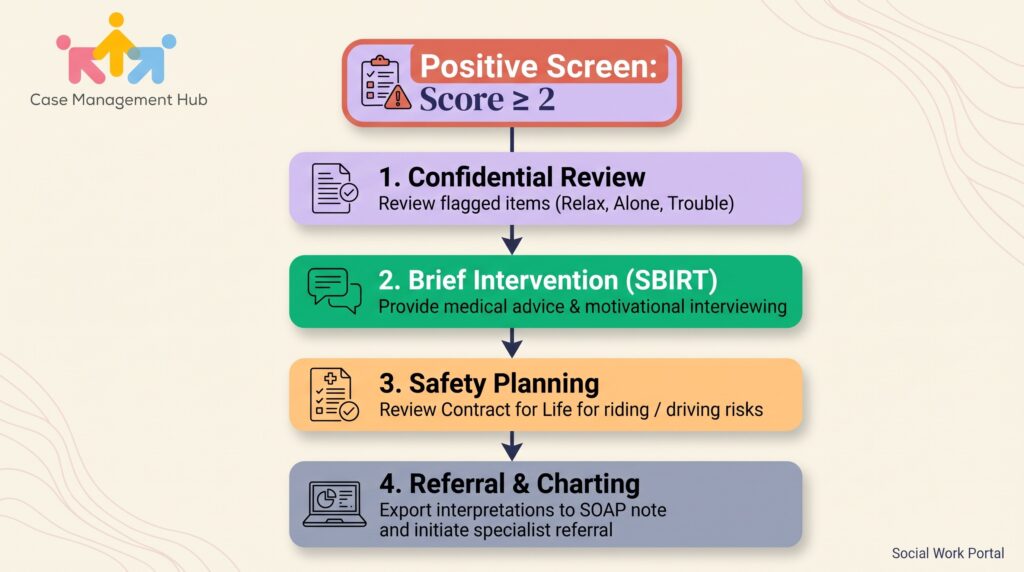
1. Confidential Exploration of Responses
Review the specific affirmative responses with the patient privately. Affirmative answers to the “Relax” and “Alone” questions are particularly critical, as they frequently point to self-medication for unaddressed anxiety, depression, or social isolation.
2. Brief Intervention and Medical Advice
Provide unambiguous, non-judgmental clinical guidance. Frame substance risks around adolescent brain development, motor coordination, and emotional regulation rather than moral judgments.
3. Motivational Interviewing
Engage the adolescent in identifying their own reasons for reducing or stopping substance use. Ask open-ended questions: “How does smoking weed during the week impact your focus for track practice?” or “What differences do you notice in your mood when you go a few days without drinking?”
4. Travel Safety Planning
Any affirmative answer to the Car question demands an immediate safety conversation, regardless of whether the overall score is 1 or 5. Clinicians should incorporate these travel risks into broader protocols on how to assess safety and risk in case management to ensure immediate protective agreements are in place.”
5. Specialized Referral Pathways
For adolescents scoring 4 or higher, coordinate a warm handoff to a pediatric addiction specialist, an intensive outpatient program, or an adolescent mental health clinician.
All-in-One Case Management Software
Sign Up Today, Free
No credit card needed!
Do You Have a Team? | ||
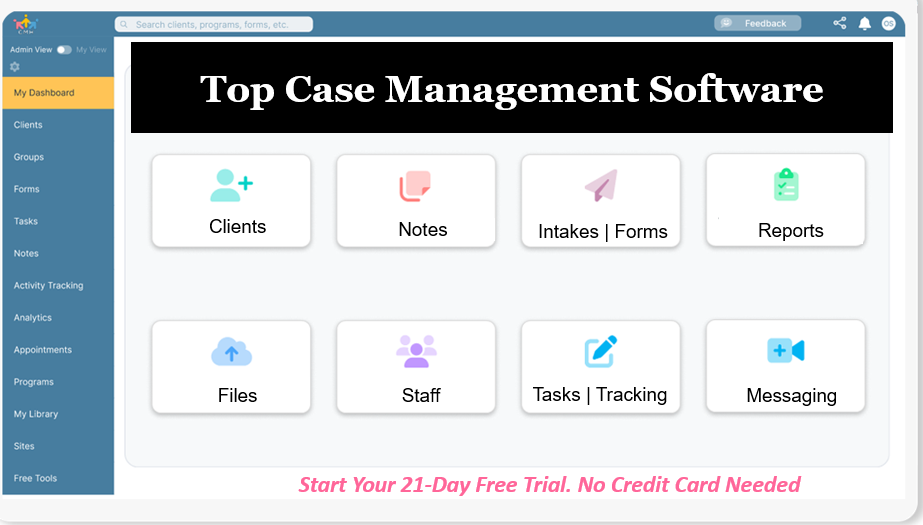
Our best all-in-one client and top case management software simplifies everything from client intake and assessments to programs, projects, goals tracking, planning, scheduling, documentation, reporting dashboard, and progress tracking.
How Digital Tools Streamline Adolescent Substance Abuse Screening?
Relying on physical paper forms for youth behavioral assessments creates friction across every phase of clinical intake. Paper clipboards handed to teenagers in shared waiting areas compromise confidentiality, as parents frequently look over their child’s shoulder, prompting inaccurate self-reporting. Furthermore, clinic staff lose valuable time manually calculating scores, navigating conditional skip patterns, and typing narrative summaries into charting systems.
Adopting specialized pediatric behavioral health intake workflow software eliminates these operational breakdowns by digitizing the entire screening lifecycle.
Step 1: Confidential, Mobile-Friendly Pre-Screening
Intake coordinators send an electronic CRAFFT intake form for teens directly via a secure web link, QR code, or client account invitation. Pairing this questionnaire alongside the most common social worker intake forms creates an uninterrupted, paperless onboarding package.
Step 2: Automated Branching and Real-Time Calculation
A modern automated CRAFFT scoring tool automatically executes the Part A skip pattern. If the adolescent inputs zero days across all substance classes, the digital form bypasses irrelevant items and routes the patient directly to the Car question. The system calculates the Part B sum in real time, preventing calculation errors and incomplete submissions.
Step 3: Instant Automated Alerts for Elevated Risk
When an adolescent records a score meeting or exceeding the threshold of 2, the software immediately flags the response. Providers can configure automated email notifications to alert clinical staff when a client scores in a high-risk range, allowing the care team to prepare intervention protocols before stepping into the exam room.
Step 4: Rapid Documentation and Progress Tracking
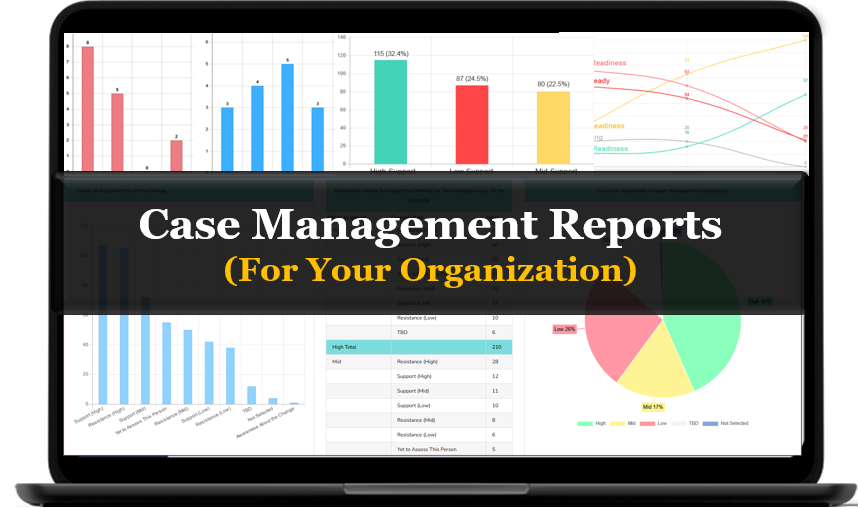
Instead of manually transcribing assessment answers, clinicians can export score interpretations and risk tiers directly to Excel to incorporate findings straight into clinical progress notes and SOAP documentation. Longitudinal rating trend reports chart changes in patient scores across repeated visits, giving providers an objective visual record of treatment progress over time.
Operational Comparison: Manual Workflows vs. Automated Intake Systems
| Intake Dimension | Traditional Paper Workflows | Automated Digital Screening Systems |
| Data Collection Privacy | High vulnerability to parental oversight in clinic waiting rooms | Confidential digital completion via private smartphone or clinic tablet |
| Scoring Precision | High rate of manual math mistakes and missed skip patterns | Automated branch logic with instant, accurate score calculation |
| Intake Velocity | Consumes 5 to 10 minutes of staff time for data entry and triage | Instant submission with immediate score interpretation |
| Clinical Charting | Clinicians manually re-type test metrics into progress notes | Export CRAFFT score interpretations to Excel for fast charting integration |
| Risk Notification | Elevated scores wait until the clinician manually reviews paper charts | Automated threshold alerts notify staff when scores reach high-risk levels |
| Longitudinal Tracking | Requires searching historical paper charts to track changes | Built-in rating trends reports show score improvements over time |

People Also Ask: Common Questions About CRAFFT Scoring
What is the clinical cut-off score on the CRAFFT screening tool?
A composite score of 2 or higher on Part B constitutes a positive screen. Research indicates that an adolescent reaching this threshold has a 64% or higher probability of meeting DSM-5 criteria for a Substance Use Disorder.
Does Question 4 (Car) count toward the final CRAFFT score?
Yes, the Car question represents the first item of Part B. An affirmative answer adds 1 point to the total score and mandates immediate travel safety counseling, even if the patient reports zero other risk factors.
How does the CRAFFT+N assessment differ from the standard CRAFFT 2.1?
The CRAFFT+N format adds an extra screening prompt in Part A regarding past-year use of e-cigarettes, vaping devices, and commercial tobacco. If answered affirmatively, the patient completes a ten-question supplemental module focused exclusively on nicotine dependence.
Can administrative staff score the CRAFFT questionnaire?
Medical assistants, intake coordinators, and administrative staff can administer the questionnaire and tally the score. However, interpreting the clinical findings, delivering motivational counseling, and managing referral pathways must be conducted by a licensed healthcare provider.
Why does research recommend self-administered CRAFFT forms over clinician interviews?
Clinical studies confirm that adolescents provide significantly more accurate and honest disclosures about sensitive substance behaviors on private, self-administered forms than during face-to-face provider interviews.
What is the validated age range for the CRAFFT screening tool?
The CRAFFT instrument is clinically validated for youth between the ages of 12 and 21.
How Can Case Management Hub Transform Your Adolescent Intake Workflow?
Disconnected intake spreadsheets, physical paper forms, and fragmented charting tools pull pediatric social workers and clinicians away from patient care. Case Management Hub brings your adolescent behavioral health workflows together inside a single, HIPAA-compliant platform built for clinicians, social workers, and care teams.
With Case Management Hub, your clinic can streamline adolescent substance use screening from start to finish:
- Configurable Rating Fields: Build digital CRAFFT questionnaire templates using the native Rating Field. Define point weights, establish custom score ranges, and embed specific clinical interpretation text directly into your forms.
- Automated Risk Notifications: Configure your assessment forms to send automated email alerts to clinicians the moment an adolescent scores within a high-risk tier, ensuring immediate clinical triage.
- Longitudinal Rating Trends Reports: Access dedicated progress reports that visually display whether a client’s scores are trending toward lower risk over repeated visits.
- Efficient Progress Note Integration: View completed assessment scores, risk levels, and suggested interventions, and export score interpretations directly to Excel to bring results right into your SOAP or DAP notes.
- Confidential Mobile Distribution: Publish online adolescent intake forms with auto score calculation via secure links or QR codes, allowing teens to complete assessments privately on mobile devices without needing to log in.
- Unified Practice Management: Coordinate client profiles, appointments, task tracking, custom demographic reporting, and secure messaging from one central workspace.
Eliminate manual paperwork, safeguard youth privacy, and give your clinical team the modern tools they need to protect adolescent health.
Start your 21-day free trial of Case Management Hub today with no credit card required, and experience how simple digital clinical intake can be.
Frequently Asked Questions: Operationalizing CRAFFT in Daily Practice
How should clinics manage confidentiality when an adolescent records an elevated score?
Providers must define confidentiality parameters at the outset of the visit with both the youth and their guardians. Explain that screening disclosures remain confidential unless there is an imminent risk of severe harm. When an elevated score necessitates caregiver involvement or specialist referral, work collaboratively with the teenager first, preparing them for the conversation and discussing which support options to present to their parents.
Which billing codes apply to CRAFFT screening and brief intervention?
Clinicians frequently bill adolescent substance use screening under SBIRT reimbursement frameworks. Common codes include CPT 96160 for administering a patient-focused health risk assessment, or CPT 99408 for conducting a structured screening and brief behavioral intervention lasting between 15 and 30 minutes, supported by documentation of time, scores, and intervention content.
What should a clinician do if a patient leaves Part A questions blank?
Never assume an unanswered item represents zero days of substance use. Clinicians should review the uncompleted fields privately with the adolescent, reaffirm that all patients receive the identical standard form, and confirm whether the omission was accidental or intentional before finalizing the score.
How does CRAFFT scoring integrate into clinical SOAP notes?
When documenting assessments in SOAP formatting, record the raw CRAFFT score, past-year use frequencies, and specific affirmative items under the Subjective section. Use the Objective section to document physical observations and mental status. Place your risk stratification and DSM-5 diagnostic analysis in the Assessment section, and record your safety contracts, motivational guidance, and referral intervals under the Plan section.
How frequently should healthcare teams rescreen adolescents using the CRAFFT?
According to the American Academy of Pediatrics Bright Futures guidelines, healthcare practices should administer the CRAFFT screen annually during routine preventive wellness examinations. Rescreening should take place earlier if the adolescent presents with sudden academic difficulties, behavioral changes, emergency department visits, or new psychiatric symptoms.
Does a positive CRAFFT score serve as an official Substance Use Disorder diagnosis?
No, the CRAFFT instrument functions strictly as a risk detection screener, not a definitive diagnostic instrument. A score of 2 or higher highlights a strong statistical probability of a disorder, but an official clinical diagnosis requires a comprehensive biopsychosocial assessment performed by a licensed behavioral health professional.
👉 Try it free today - No credit card needed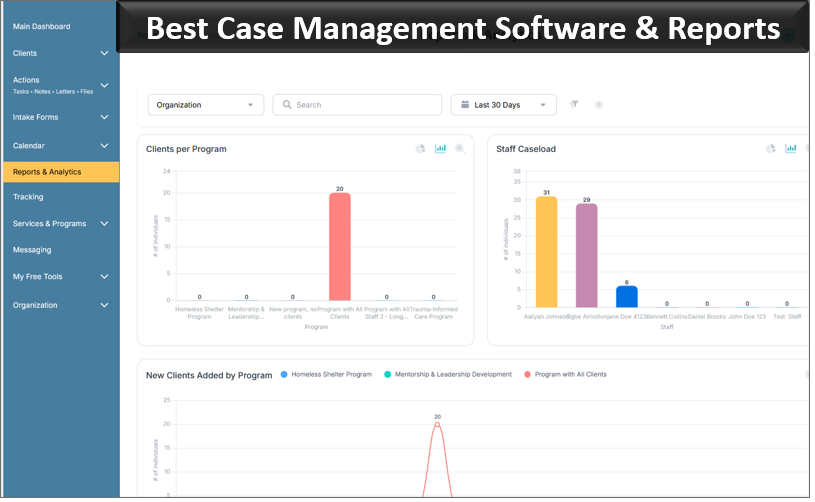
Note: Content on this website (socialworkportal.com) is copyrighted and protected under applicable copyright laws. Unauthorized reproduction, distribution, or use of any content from the website, without explicit written permission, is strictly prohibited. Read: Terms of Use.
Social Work Portal Disclaimer: Social Work Portal is not a social work agency and we do not refer social workers. This web site is provided for educational and informational purposes only and does not constitute providing medical advice or professional social and healthcare services. The information provided should not be used for diagnosing or treating a health problem or disease, and those seeking personal medical advice should consult with ... Read our full disclaimer here: Social Work Portal Disclaimer.