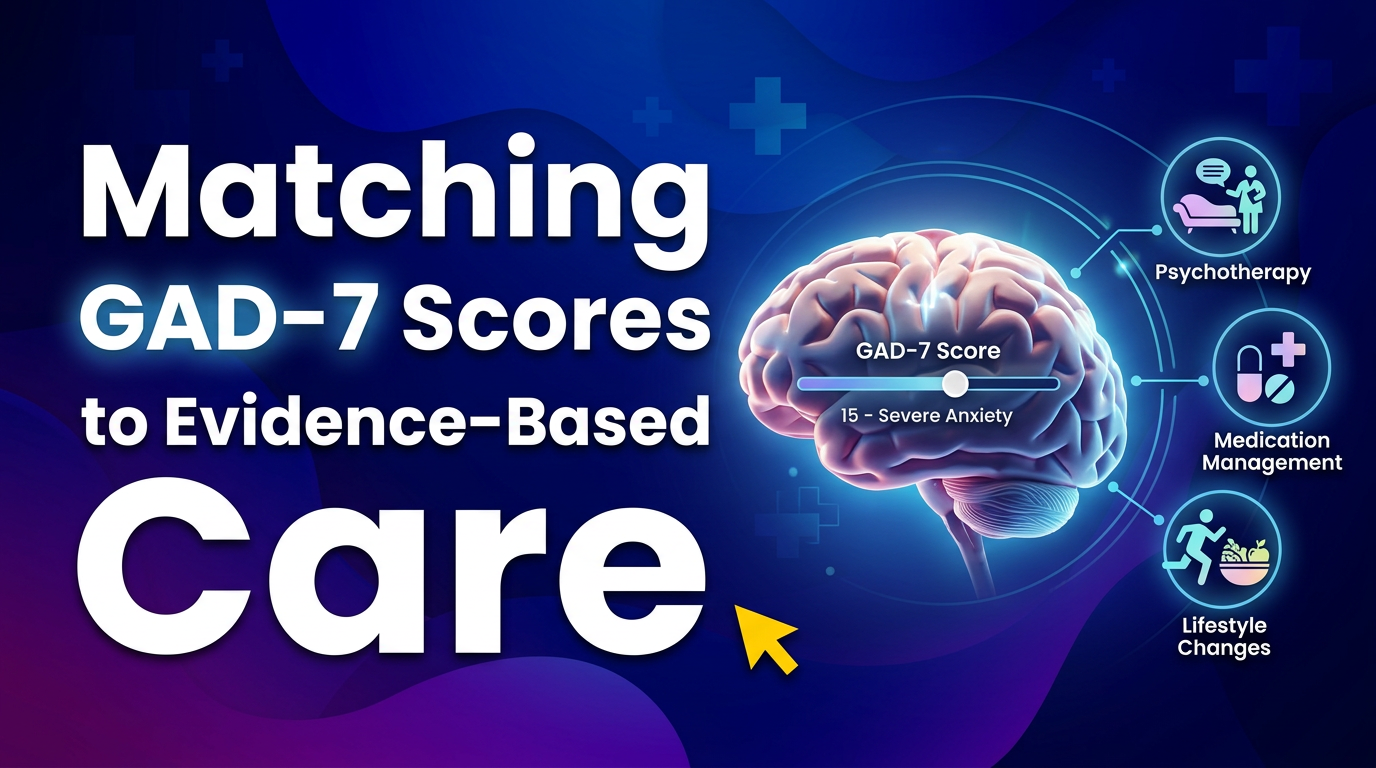
Optimizing the Care Pathway by Translating Diagnostic Screening Metrics into Actionable Behavioral Health Interventions
In the modern behavioral health landscape, standardized screening tools play a pivotal role in shaping clinical trajectories. The Generalized Anxiety Disorder-7 (GAD-7) scale stands out as one of the most widely utilized instruments to measure the presence and severity of anxiety symptoms.
However, simply calculating a numerical value is only the first step. The true value lies in a precise GAD-7 scoring clinical interpretation that translates a raw metric into highly individualized, evidence-based anxiety treatment pathways.
For multi-disciplinary providers, aligning these scores with appropriate clinical guidelines ensures patient safety, optimizes therapeutic outcomes, and satisfies stringent quality reporting standards. This guide provides an actionable framework for matching GAD-7 scores to interventions while exploring how streamlining psychiatric intake and diagnostic assessment workflow can enhance overall delivery of care.
Let’s get started
Watch this video:
or
read the guide below.
What You Will Learn in This Guide
- How to accurately interpret minimal, mild, moderate, and severe GAD-7 ranges
- Practical frameworks for matching GAD-7 scores to interventions safely
- Evidence-based anxiety treatment pathways tailored to specific score cutoffs
- Strategies for tracking patient outcomes using anxiety screening tools over time
- Methods for integrating clinical rating scales into EHR documentation efficiently
- Crucial clinical decision-making tools for anxiety that prevent diagnostic oversight
💡All-in-one Case Management Software.
Everything in one place: clients, notes, forms, appointments, reports, and outcomes.
👉 Try it Free - No credit card needed
How Do Clinicians Apply the GAD-7 Scoring Clinical Interpretation Framework?
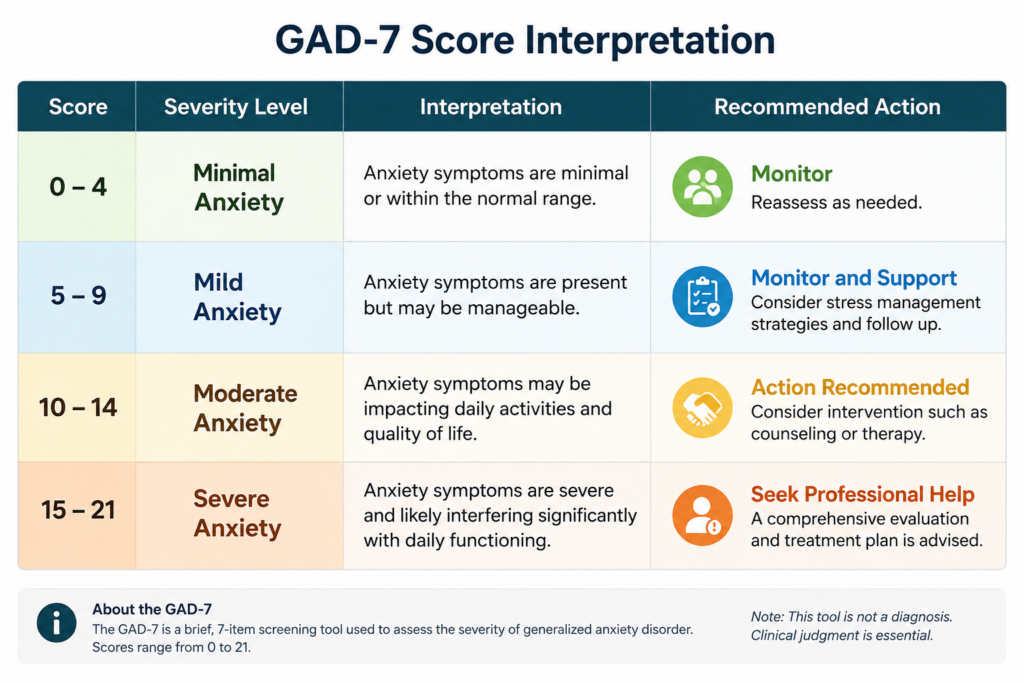
The GAD-7 is a self-reported psychometric questionnaire consisting of seven items scored from 0 to 3, yielding a total score range between 0 and 21. Each item maps directly to DSM-5 anxiety severity scale interventions and diagnostic criteria. When analyzing a patient’s completed screening, clinicians divide the total score into four distinct severity bands.
- Minimal Anxiety (Scores 0 to 4): Symptoms generally do not interfere with daily functioning.
- Mild Anxiety (Scores 5 to 9): Symptoms are noticeable but highly manageable.
- Moderate Anxiety (Scores 10 to 14): Symptoms frequently impact social, occupational, or daily life.
- Severe Anxiety (Scores 15 to 21): Symptoms cause profound impairment and distress.
A critical consideration for practitioners is that while a score of 10 or greater carries a sensitivity of 89% and a specificity of 82% for generalized anxiety disorder, this scale is also sensitive to other conditions. Elevated scores can frequently reflect underlying panic disorder, social phobia, or post-traumatic stress disorder (PTSD). Therefore, a high score must always be treated as an indication for further diagnostic verification rather than an automatic standalone diagnosis.
👉 Try it Free - Free Case Management System
What Are the Mild Moderate Severe Anxiety Treatment Protocols?
Once the score is categorized, clinicians can confidently implement specific mild moderate severe anxiety treatment protocols based on the established clinical thresholds.
Minimal to Mild Symptoms (Scores 0 to 9)
For patients scoring in this baseline range, active clinical interventions are rarely indicated immediately unless requested. According to established Generalized Anxiety Disorder clinical guidelines, the ideal path involves watchful waiting, low-intensity psychoeducation, and lifestyle adjustments. Providers should focus on sleep hygiene, stress reduction techniques, and bibliotherapy.
Moderate Symptoms (Scores 10 to 14)
A score of 10 represents a critical clinical pivot point indicating that a clinically significant condition is likely present. At this stage, matching GAD-7 scores to interventions requires moving toward high-intensity psychological therapies. Cognitive Behavioral Therapy (CBT) and Acceptance and Commitment Therapy (ACT) are the premier choices here. Providers should initiate structured, weekly or bi-weekly therapy sessions centered on cognitive restructuring and exposure protocols.
Severe Symptoms (Scores 15 to 21)
When dealing with the best evidence-based treatments for a GAD-7 score of 15 or greater, a combined treatment modality is highly recommended. Data indicates that severe presentations resolve much more effectively when pharmacotherapy is introduced alongside high-intensity CBT. First-line pharmacological options include Selective Serotonin Reuptake Inhibitors (SSRIs) such as escitalopram or sertraline, or Serotonin-Norepinephrine Reuptake Inhibitors (SNRIs) like duloxetine.
Which Decision-Making Factors Influence Anxiety Treatment Matching?
While standardized scores provide an objective baseline, clinical decision-making tools for anxiety must incorporate secondary patient-centered factors before finalizing a care plan. Practitioners must look beyond the raw number to evaluate several key dimensions:
- Functional Impairment: The eighth supplemental question on the standard GAD-7 asks how difficult symptoms have made it to work, manage home life, or get along with others. A patient with a moderate score of 12 who reports extreme difficulty functioning may require a treatment plan identical to someone with a severe score.
- Medical Comorbidities: Ruling out physical causes of anxiety is crucial. According to a study published by the Journal of the American Medical Association (JAMA), anxiety symptoms can frequently mimic or be exacerbated by thyroid disease, cardiovascular issues, or substance withdrawal.
- Patient Preference and History: A history of poor response to specific medications or a strong preference for non-pharmacological approaches must fundamentally steer the final intervention pathway.
How Does Tracking Patient Outcomes Over Time Drive Success?
Ample research confirms that tracking patient outcomes using anxiety screening tools significantly improves the velocity of recovery. The American Psychological Association (APA) reports that measurement-based care reduces treatment drop-out rates and allows clinicians to recognize non-responders up to several weeks faster than subjective assessment alone.
When administering the GAD-7 at regular milestones, such as every two to four weeks, clinicians can visualize progress directly. A change of 6 points or more on the scale represents a clinically significant, reliable change index. If a patient’s score remains stagnant or climbs higher despite 6 weeks of active therapy, this objective data serves as a clear indicator that a step-up in care, a medication adjustment, or an alternative therapeutic approach is required.
Do You Have a Team? Our best all-in-one client and top case management software simplifies everything from client intake and assessments to programs, projects, goals tracking, planning, scheduling, documentation, reporting dashboard, and progress tracking.All-in-One Case Management Software
Sign Up Today, Free
No credit card needed!
How Can Providers Seamlessly Integrate Clinical Rating Scales into Documentation?
Operating a modern behavioral health or psychiatric practice requires a delicate balance between rigorous clinical accuracy and administrative sustainability. Manually tracking, scoring, and charting paper-based screening questionnaires slows down patient care and introduces a high risk of operational errors. Clinicians must focus on integrating clinical rating scales into EHR documentation via automated digital pathways.
Utilizing an all-in-one mental health practice software allows practices to send automated mental health intake forms directly to patients prior to their appointments. The system automatically scores the instrument, flags elevated results for the provider, and logs the data securely within the client goals and progress tracking platform.
By centralizing secure clinical documentation and GAD-7 storage, providers completely eliminate redundant manual entries. Furthermore, combining behavioral health reporting and outcomes tracking alongside integrated clinical notes and billing solutions ensures the clinic stays compliant with insurance requirements, maintains robust HIPAA-compliant secure messaging for therapists, and secures streamlined, error-free operations from intake to final discharge.

People Also Ask
What is a clinically significant change on the GAD-7 scale?
A clinically significant or reliable change on the GAD-7 is defined as an increase or decrease of 6 points or more. Changes smaller than this threshold may simply reflect normal daily symptom fluctuations rather than a true systemic shift in clinical status.
Can the GAD-7 be used to diagnose panic disorder or PTSD?
No, the GAD-7 cannot be used as a standalone diagnostic tool for panic disorder or PTSD. While an elevated score of 8 or higher frequently flags symptoms common to these conditions, a formal clinical interview and mental status examination are strictly required to establish a proper diagnosis.
What treatment is recommended for a severe GAD-7 score?
For a severe GAD-7 score between 15 and 21, the gold standard recommendation is a combined treatment approach. This typically consists of high-intensity Cognitive Behavioral Therapy (CBT) paired with first-line pharmacotherapy, such as an SSRI or SNRI medication.
How often should a clinician re-administer the GAD-7?
Clinicians should ideally re-administer the GAD-7 every 2 to 4 weeks during active treatment, or prior to follow-up visits. This consistent interval allows providers to track clinical progress accurately, measure intervention efficacy, and adjust treatment protocols based on objective data.
Is the GAD-7 screening tool free for clinical use?
Yes, the original GAD-7 screening tool is public domain and can be reproduced or utilized by researchers and clinicians for their patients without copyright permissions. However, utilizing automated digital screening platforms may involve associated software subscription fees.
What is the primary cutoff score for generalized anxiety disorder on the GAD-7?
The primary clinical cutoff score is 10. A total score of 10 or greater is strongly associated with a confirmed diagnosis of Generalized Anxiety Disorder, boasting a sensitivity of 89% and a specificity of 82%.
Optimize Your Practice Workflows Effortlessly
Managing clinical assessments like the GAD-7 alongside complex caseloads requires tools that work as hard as you do. Our specialized all-in-one platform supports all aspects of social work case management and behavioral health workflows.
From automated client intake to progress tracking and secure documentation, we help you reduce administrative burdens so you can focus entirely on patient outcomes. Take control of your daily operations today.
See how easy it is to Create, Edit, and Send a form in Case Management Hub (Quick tip: These same steps work for any of our built in form templates, like the GAD-7):
Step 1:
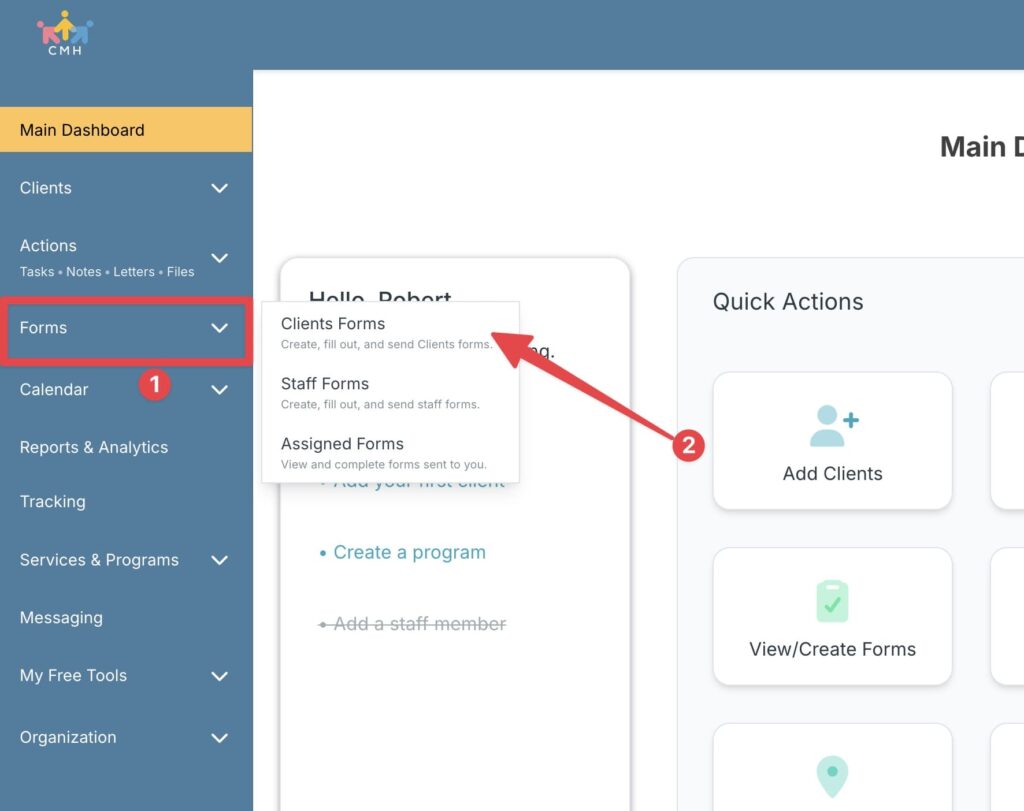
From the sidebar, click on the Forms module, search for Basic Intake Form, then click the title to open it.
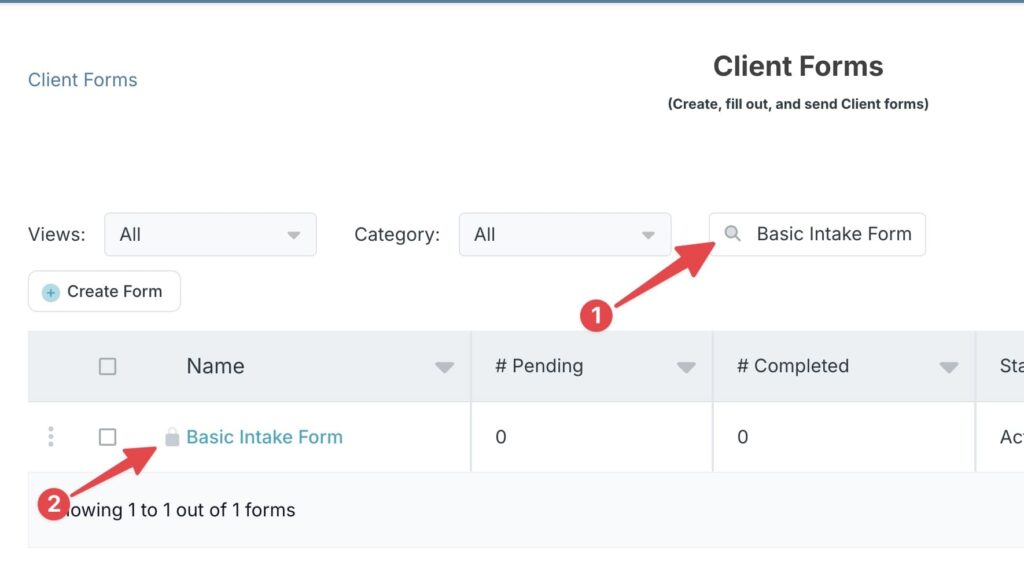
Tip: Forms with a padlock are master templates provided by Case Management Hub to help you get started. You can easily customize these to make them your own.
Step 2:
Click Edit Template to start customizing the form to your needs. Once done, click Save.
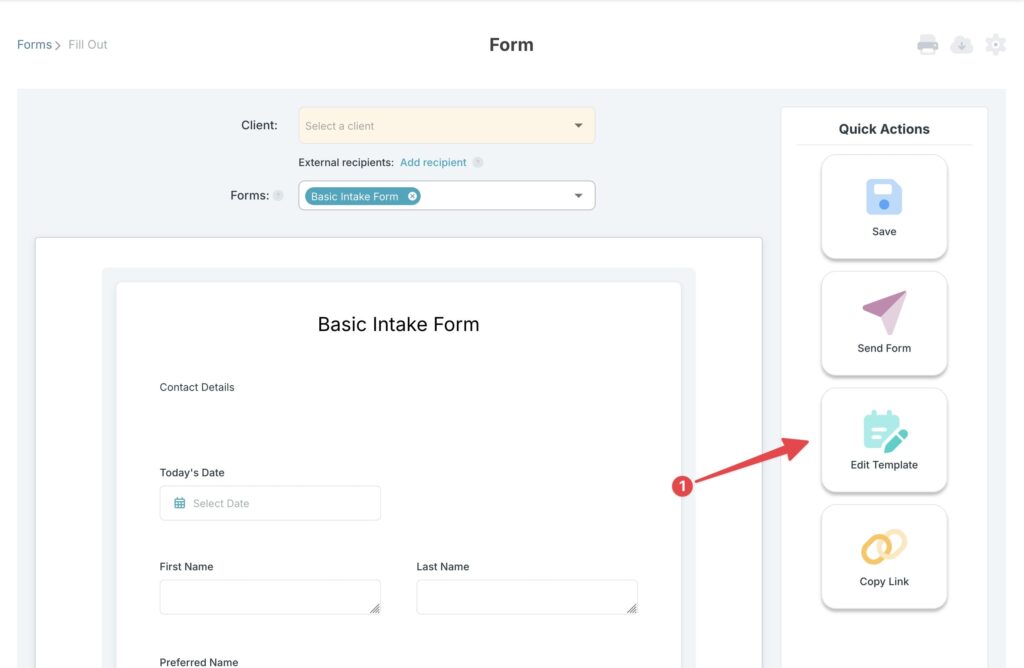
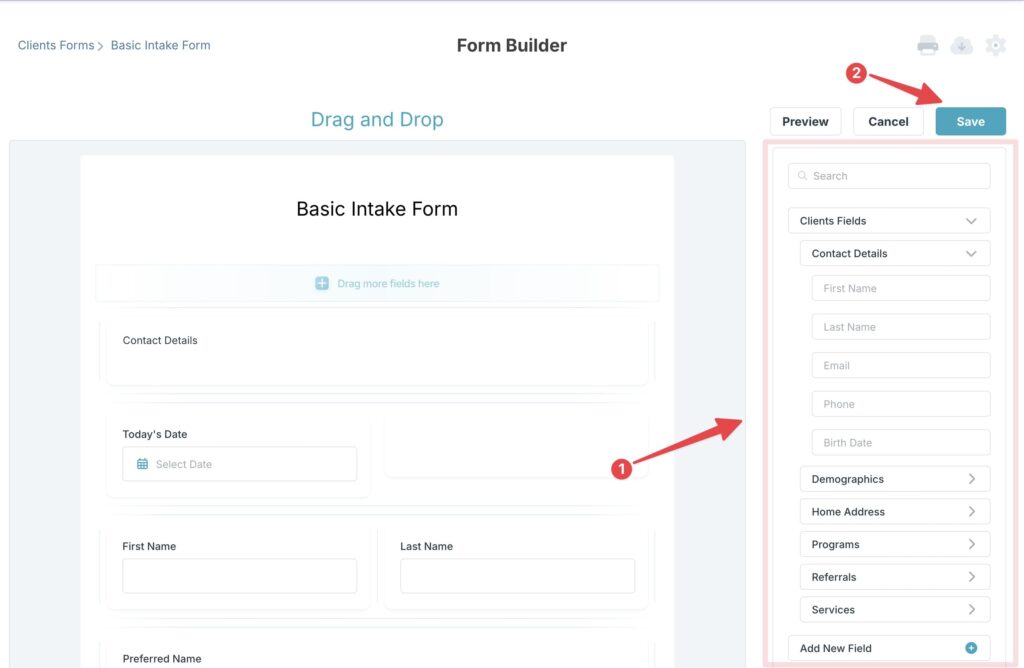
Tip: You can add new form fields using the right sidebar. Just drag them straight into your form.
Step 3:
Select a client to start filling out the form on their behalf. Once done, click Save.
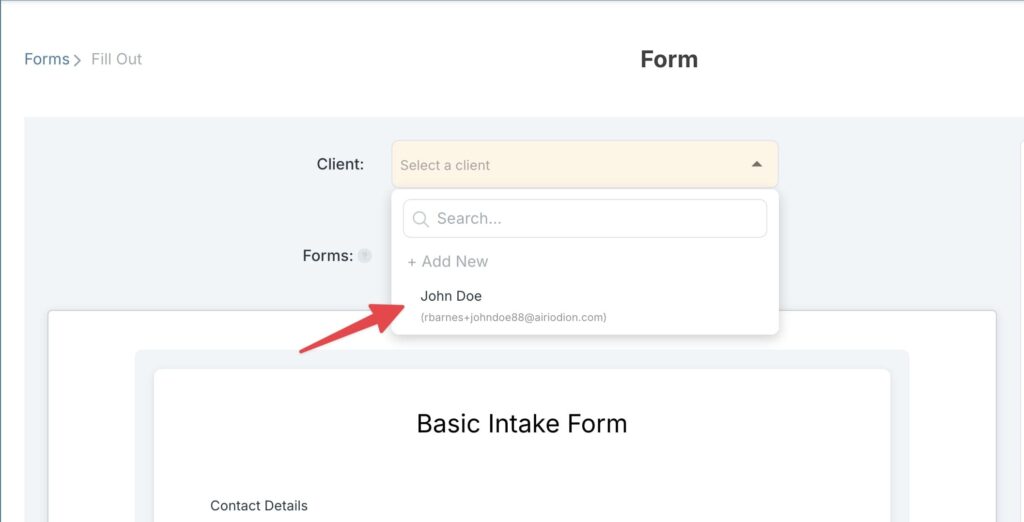
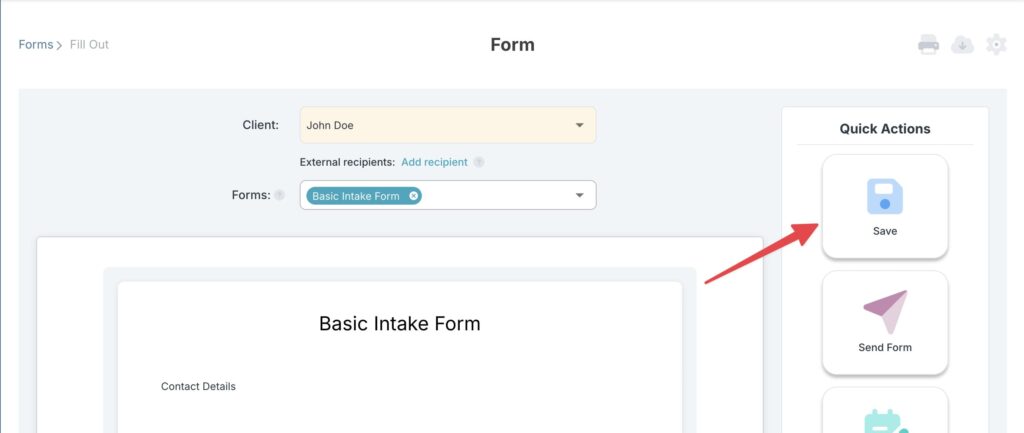
Tip: No need to re‑type your client’s data, it magically fills in the form for you, saving you time.
Step 4:
Or to send the form directly to a client, click Send Form, then select the clients. When you’re ready click Send.
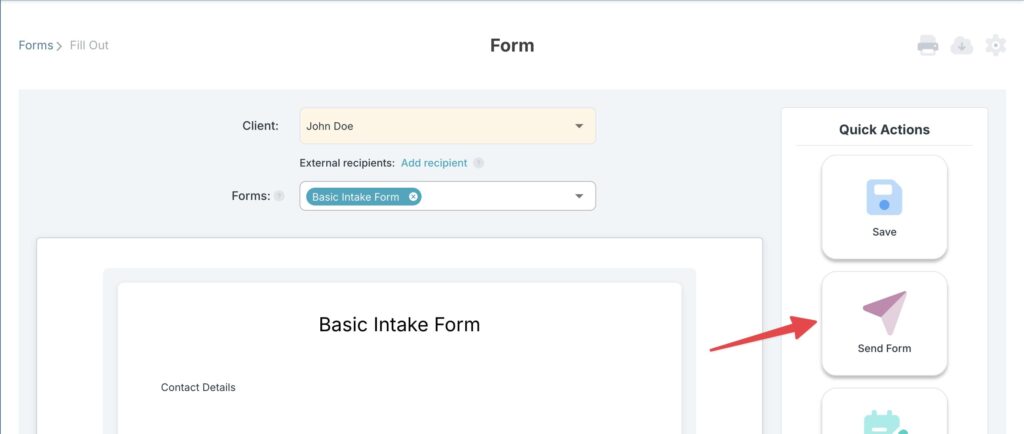
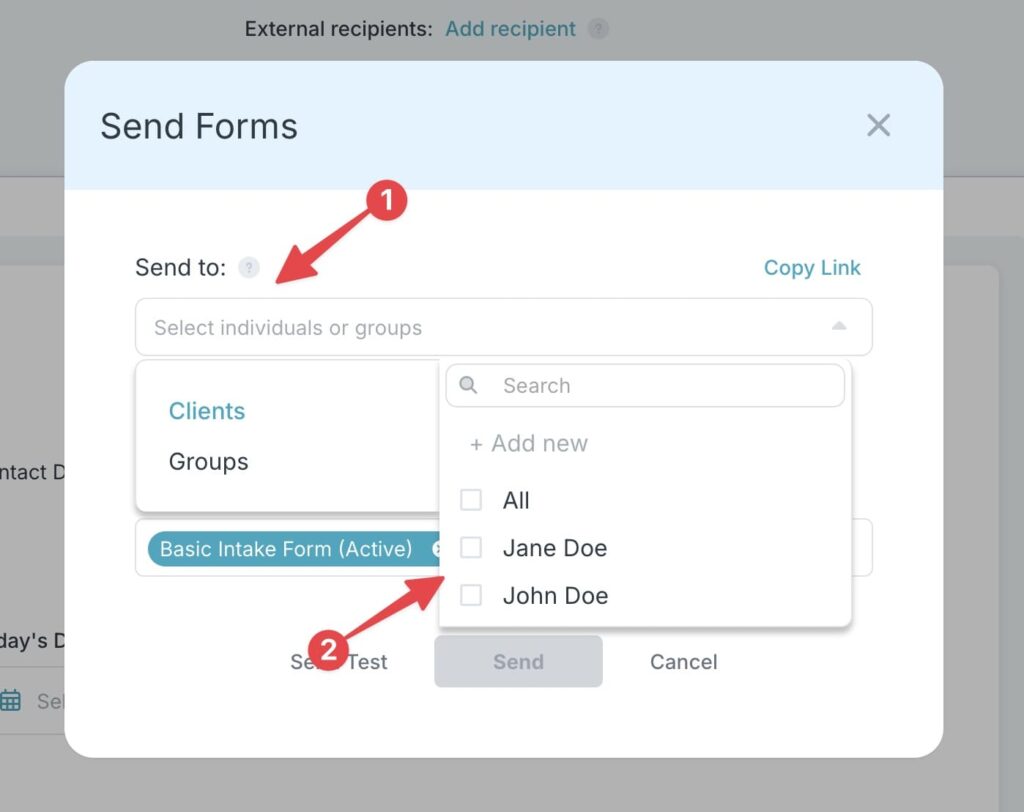
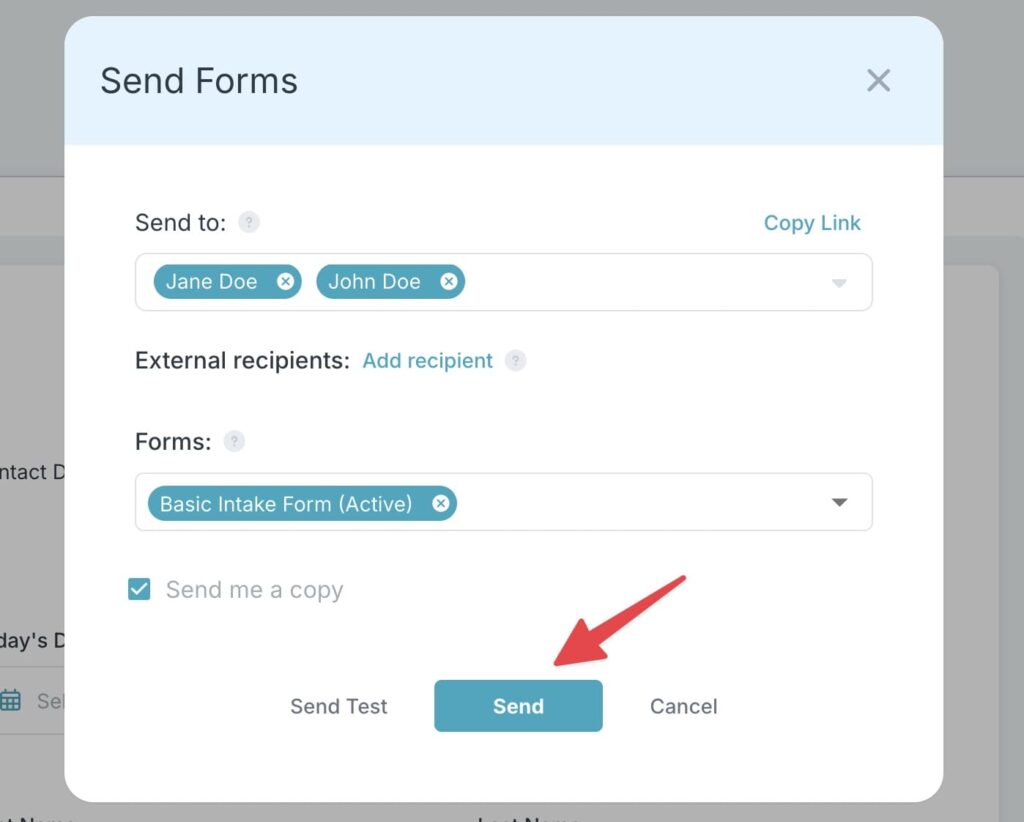
Tip: You can send the form to clients that are not yet part of Case Management Hub (External recipients) by clicking “Add recipient” and filling out their email, first name, and last name.
Step 5:
Create a public link for your form so you can easily share it with anyone. Just click Copy Link to publish your online form.
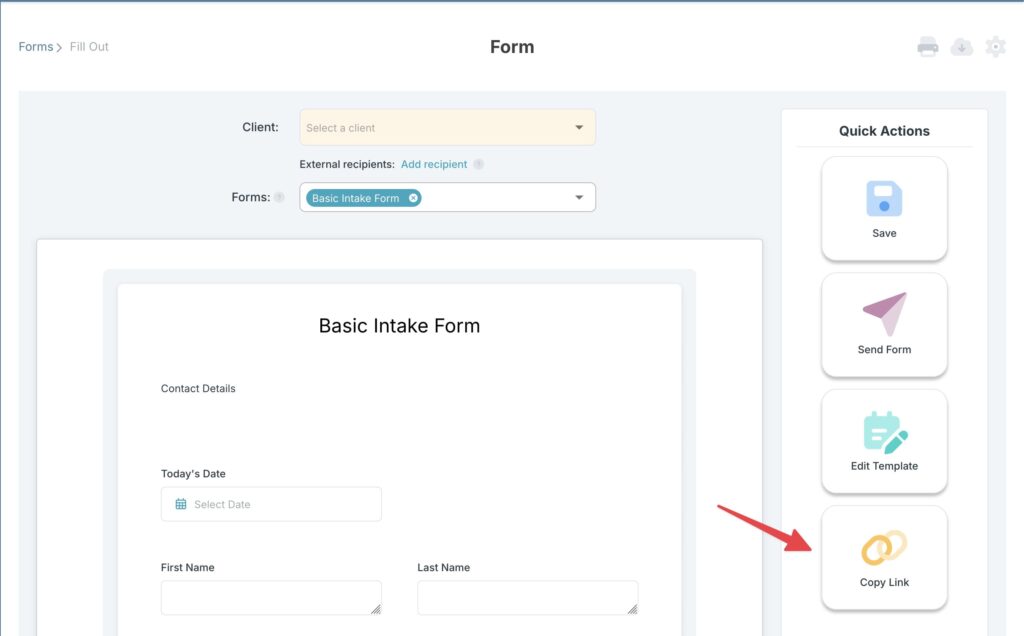
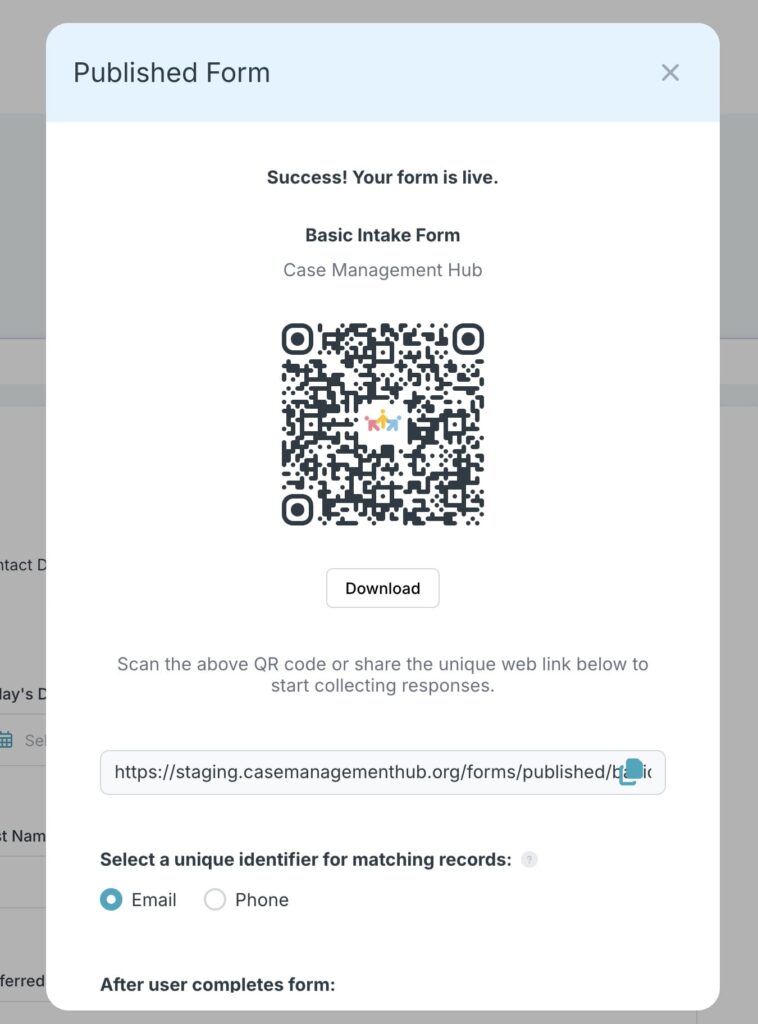
Tip: A link will automatically be created for you but you can always edit this and other form settings even after creating the online form. Just click on the gear icon in the top right corner of the form page to bring up the form settings.
Sign up for your free 21-day trial today—no credit card required!
Frequently Asked Questions
What does a GAD-7 score of 5 to 9 mean clinically?
A score within the 5 to 9 range indicates mild anxiety symptoms. The standard clinical approach focuses on monitoring the patient, offering psychoeducation, and tracking if symptoms escalate over time.
Does a low GAD-7 score completely rule out an anxiety disorder?
Not necessarily. While a low score indicates a minimal presence of generalized anxiety symptoms, a patient may still be suffering from specific phobias, localized panic episodes, or OCD which are not fully captured by the GAD-7 items.
Can non-clinical staff score the GAD-7 assessment?
Administrative or non-clinical staff can easily calculate the numerical score using an answer key or digital tool. However, the actual clinical interpretation and subsequent treatment matching must always be performed by a qualified, licensed professional.
Which medications are commonly used for high GAD-7 scores?
First-line choices generally include SSRIs (such as sertraline, escitalopram, or fluoxetine) and SNRIs (such as duloxetine or venlafaxine). Any medication strategy must be tailored to the patient’s health history.
How does the GAD-7 differ from the PHQ-9 scale?
The GAD-7 is specifically designed to screen for and measure anxiety symptoms. In contrast, the Patient Health Questionnaire-9 (PHQ-9) is utilized to screen for, diagnose, and monitor the severity of depression.
Why is measurement-based care important for anxiety treatment?
Using objective tools like the GAD-7 removes clinical guesswork. It ensures treatments are adjusted dynamically based on data, significantly improving overall recovery rates and insurance reimbursement compliance.
👉 Try it free today - No credit card needed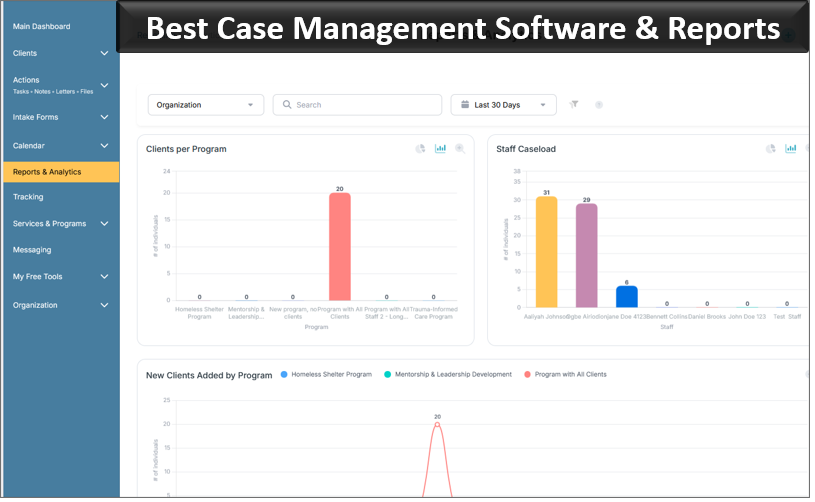
Note: Content on this website (socialworkportal.com) is copyrighted and protected under applicable copyright laws. Unauthorized reproduction, distribution, or use of any content from the website, without explicit written permission, is strictly prohibited. Read: Terms of Use.
Social Work Portal Disclaimer: Social Work Portal is not a social work agency and we do not refer social workers. This web site is provided for educational and informational purposes only and does not constitute providing medical advice or professional social and healthcare services. The information provided should not be used for diagnosing or treating a health problem or disease, and those seeking personal medical advice should consult with ... Read our full disclaimer here: Social Work Portal Disclaimer.