A Clinical Guide to Effective Client Intakes and Assessment Strategies
As a clinical social worker, case manager, or mental health counselor, your first meeting with a client is the foundation for everything that follows. It is the moment where clinical intuition meets structured assessment. The intake session is more than a administrative hurdle; it is a delicate balancing act. You must gather highly sensitive biological, psychological, and social details while simultaneously establishing a safe, trusting environment.
But how do you move past a rigid, checklist-style interrogation to conduct an interview that feels like a natural, therapeutic dialogue?
Mastering this process requires a blend of evidence-based interviewing techniques, strategic preparation, and the right workflow supportive tools. When done correctly, a successful initial session sets up both the clinician and the client for long-term success.
Let’s get started
Watch this video:
or
read the guide below.
What You Will Learn in This Guide
- The Core Questions: The essential inquiries to include in every intake.
- Building Rapport: Practical methods for building therapeutic alliance in intake sessions.
- Modern Workflows: How to transition to paperless client intake forms to save time.
- Documentation Mastery: Balancing active client engagement with clinical note-taking.
- EHR Integration: Leveraging secure file storage for clinical notes.
- Key Decisions: Factors to consider when choosing practice management tools.
Everything in one place: clients, notes, forms, appointments, reports, and outcomes. 👉 Try it Free - No credit card needed💡All-in-one Case Management Software.
Why Is Building Therapeutic Alliance in Intake Important?
The therapeutic alliance is the single most influential factor in predicting positive clinical outcomes. Research consistently demonstrates that the quality of the relationship established in the very first session dictates whether a client remains in treatment or drops out early.
According to a landmark meta-analysis published in the journal Psychotherapy, the therapeutic alliance accounts for roughly 8% of the variance in treatment outcomes, making it a far more reliable predictor of success than the specific treatment modality used.
When a client enters your office or joins a telehealth call, they are often at their most vulnerable. If they feel judged, rushed, or treated like a number on a casework pile, they will likely withhold critical information. Conversely, utilizing active listening techniques in social work creates a holding environment where clients feel heard and seen.
From a user perspective, the intake workflow needs to feel seamless. If a client is forced to spend twenty minutes filling out repetitive, physical paperwork in a waiting room, they arrive at the interview frustrated and fatigued. Transitioning to a digital workflow with paperless client intake forms allows clients to complete necessary documentation at their own pace in the comfort of their homes. This simple shift reduces anxiety and allows the face-to-face interview to focus entirely on human connection rather than administrative data entry.
👉 Try it Free - Free Case Management System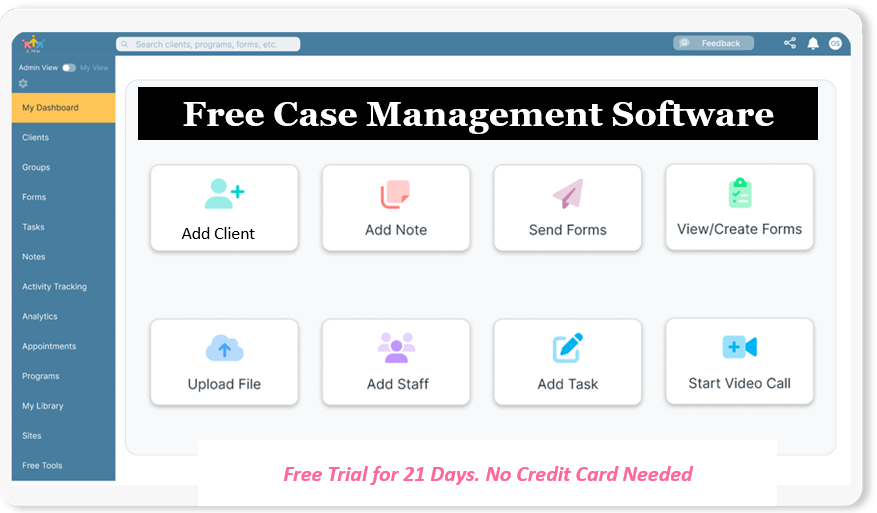
What Are the Essential Social Work Client Interview Questions?
To conduct a thorough assessment, you must cover multiple domains of a client’s life. Rather than reading from a script, utilizing open-ended questions for social work allows the client to share their narrative in their own words, while you gently guide the conversation to fill in clinical gaps.
The Biopsychosocial Framework
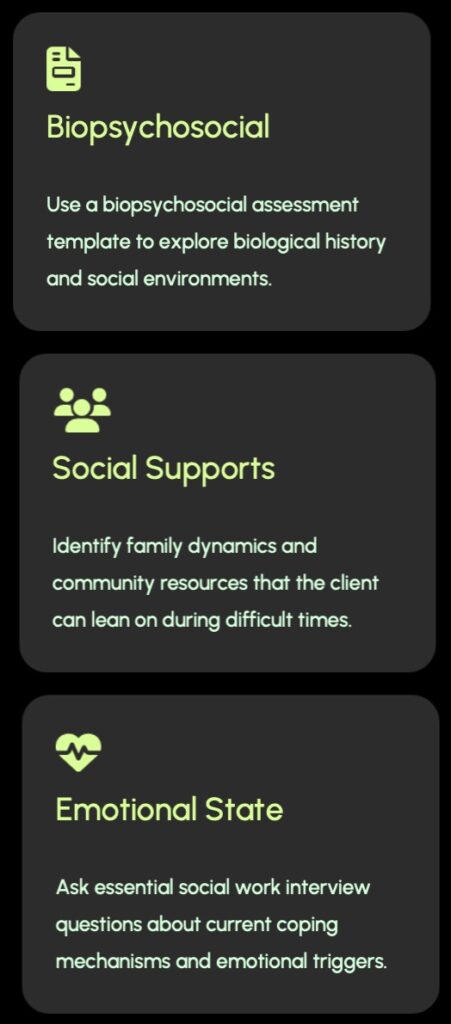
A comprehensive evaluation relies heavily on a robust biopsychosocial assessment template. This framework guides the practitioner through biological histories, psychological symptoms, and social influences.
| Assessment Domain | Clinical Focus Area | Example Essential Social Work Interview Questions |
| Biological & Medical | Genetic predispositions, physical health, substance use | “Can you describe any chronic physical symptoms or recent changes in your health and sleep patterns?” |
| Psychological & Emotional | Coping mechanisms, trauma history, mental state | “When you feel overwhelmed by anxiety, what steps do you typically take to regain a sense of calm?” |
| Social & Environmental | Support systems, housing security, financial stability | “Who are the individuals in your immediate community or family that you can rely on during a crisis?” |
Beyond these standard domains, practitioners must also weave in crisis intervention screening tools. Asking direct questions about self-harm, ideation, or safety risks is mandatory during the initial social work intake assessment questions phase to ensure immediate ethical and clinical compliance.
How Do Modern Searcher Considerations Impact Behavioral Health Workflows?
When behavioral health administrators, clinical supervisors, and community health workers look for guidance on interviewing, they are rarely searching in a vacuum. Modern practitioners face severe time constraints, high caseloads, and strict regulatory demands. Therefore, searchers are actively looking for ways to synthesize clinical practices with operational efficiency.
User Considerations in the Digital Era
- Time Allocation: Practitioners want to spend less time typing and more time engaging in active listening in clinical social work.
- Data Accuracy: Hand-written notes or fragmented systems lead to transcription errors, which can compromise the integrity of behavioral health progress tracking tools.
- Regulatory Anxiety: Compliance with healthcare privacy laws is a primary concern for independent contractors and large agencies alike.
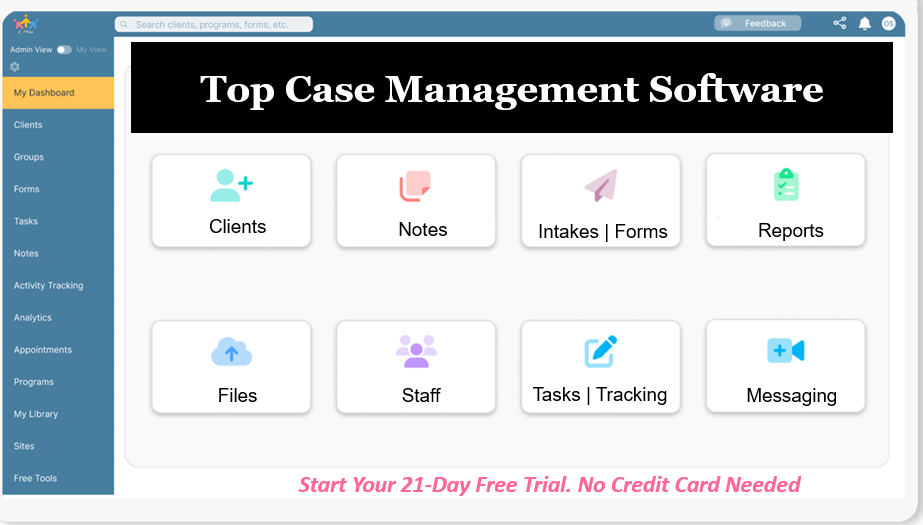
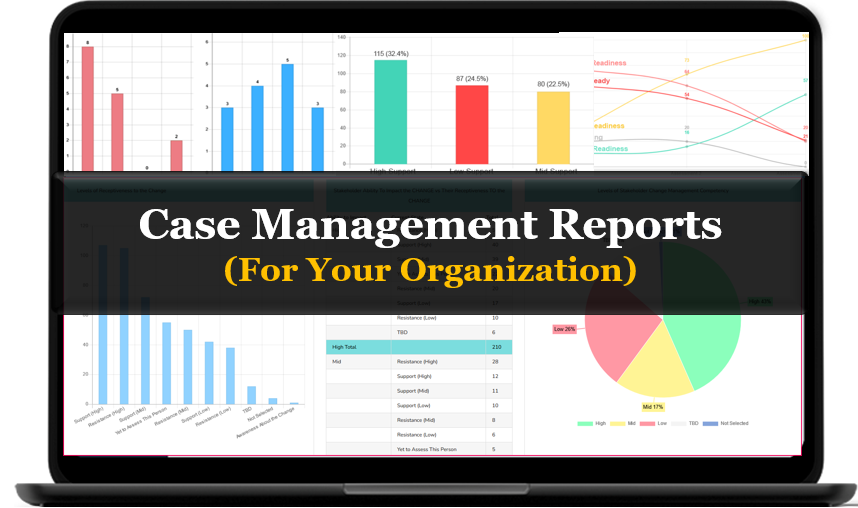
Do You Have a Team? Our best all-in-one client and top case management software simplifies everything from client intake and assessments to programs, projects, goals tracking, planning, scheduling, documentation, reporting dashboard, and progress tracking.All-in-One Case Management Software
Sign Up Today, Free
No credit card needed!
What Are the Key Decision-Making Factors for Case Management Tools?
Choosing how to manage the data generated during a client interview is just as important as the interview itself. When evaluating how to transition from an interview to long-term care, clinical teams must analyze several distinct operational factors.
Manual Workflows vs. Integrated Systems
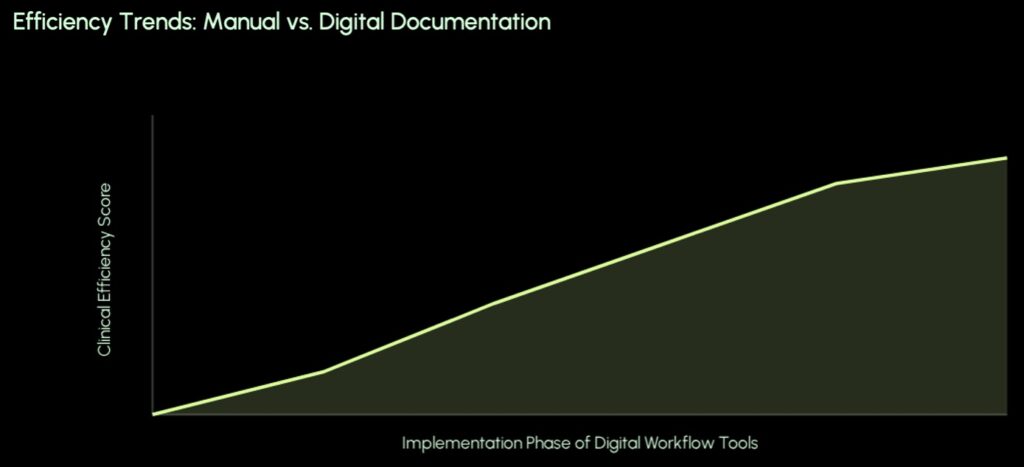
Many agencies still rely on a patchwork of disconnected applications. They might use one tool for email, a separate spreadsheets file for tracking goals, and paper forms for the initial intake.
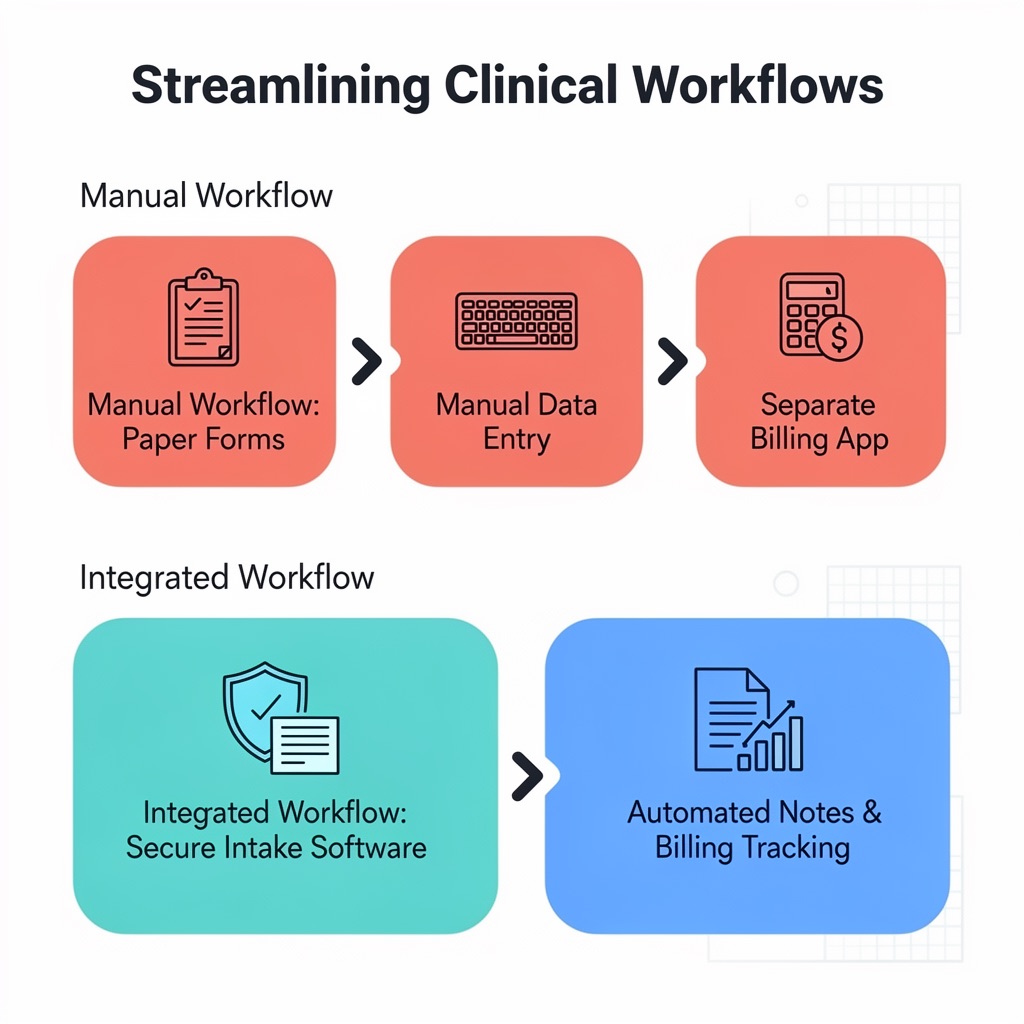
This fragmented approach introduces significant security risks and administrative delays.
Critical Software Decision Matrix
- Security Infrastructure: Is the platform built around a secure client intake software model that protects sensitive client data?
- All-in-One Capabilities: Does the platform function as an all-in-one case management software, or will your team have to jump between multiple subscriptions?
- Clinical and Financial Unity: Can the software seamlessly connect a clinical note to a mental health billing and cost tracking system without duplicating data entry?
By focusing on streamlining behavioral health workflow from intake to billing, organizations can reduce administrative overhead by dozens of hours per month, allowing staff to refocus on direct client care.
How Do You Convert Raw Interview Data into Actionable Client Progress?
Once the interview concludes, the real work of documentation begins. The insights gathered from essential social work interview questions must be translated into a formal care plan. This is where best practices for documenting client goals and progress become vital.
Best Practices for Documentation
- Immediate Synthesis: Complete your social work documentation and notes platform entries within 24 hours of the session while clinical observations remain fresh.
- Objective Language: Focus on measurable behaviors and verifiable statements rather than subjective impressions.
- Collaborative Goal Setting: Ensure the client’s voice is reflected in the tracking metrics to encourage long-term engagement.

People Also Ask
What is the primary goal of a social work client interview?
The primary goal of a social work client interview is to establish a secure therapeutic alliance while gathering comprehensive biopsychosocial data. This information is used to assess the client’s current needs, identify systemic strengths and challenges, and co-create an actionable, evidence-based treatment plan.
How do you build rapport with a resistant client during an intake?
Building rapport with a resistant client requires utilizing active listening in clinical social work, demonstrating unconditional positive regard, and avoiding premature problem-solving. Practitioners should validate the client’s feelings, acknowledge any systemic barriers or involuntary status, and allow the client to guide the pace of the conversation whenever clinically safe.
Why is an all-in-one case management software important for social workers?
An all-in-one case management software is important because it eliminates fragmented workflows by unifying scheduling, secure intake paperwork, clinical documentation, progress tracking, and billing into a single ecosystem. This reduces administrative errors, ensures strict compliance with data privacy regulations, and saves practitioners valuable time.
How Case Management Hub Can Help
Navigating the complexities of client intakes, clinical notes, and state compliance requirements can quickly overwhelm even the most dedicated practitioners. If you are tired of juggling separate tools for scheduling, billing, and documentation, it is time to upgrade your workflow.
Our comprehensive all-in-one case management software is specifically designed for behavioral health professionals. From secure client intake digital forms to an integrated cost tracking system, our platform handles the administrative burden so you can focus entirely on your clients.
See how easy it is to Create, Edit, and Send a form in Case Management Hub:
Step 1:
From the sidebar, click on the Forms module, search for Basic Intake Form, then click the title to open it.
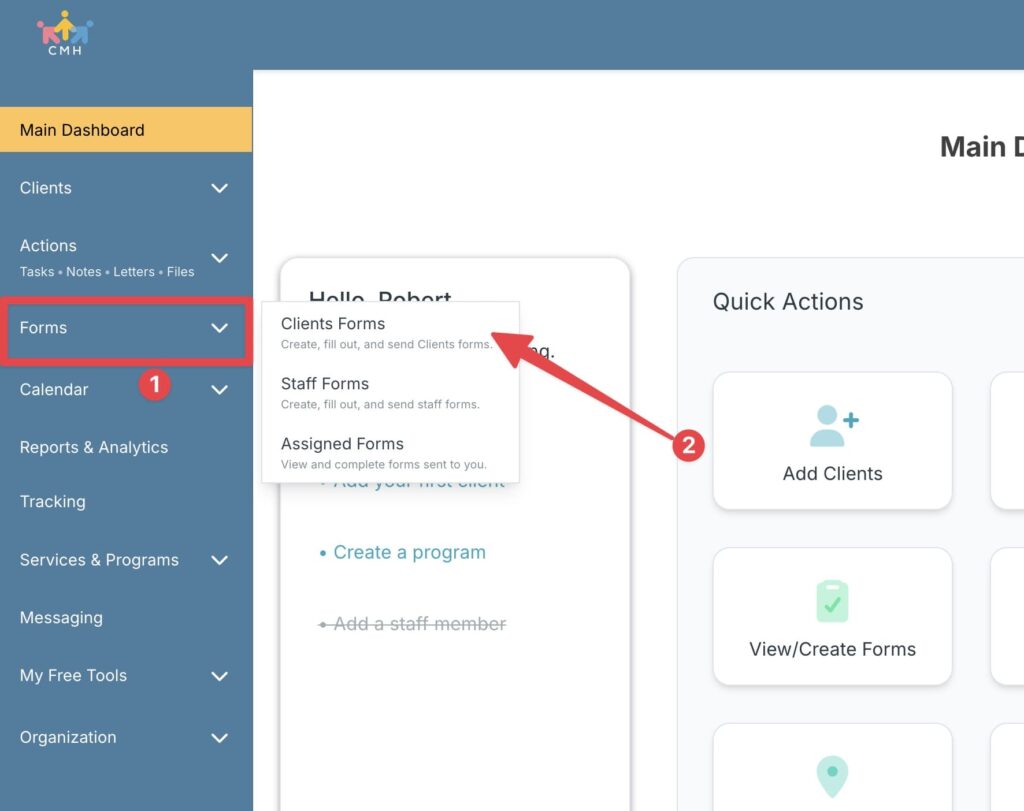
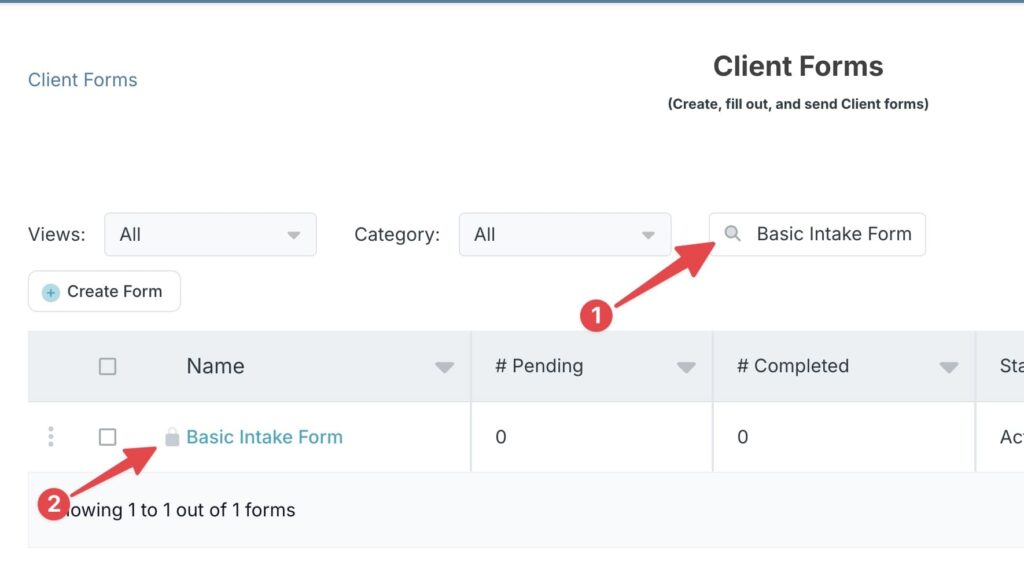
Tip: Forms with a padlock are master templates provided by Case Management Hub to help you get started. You can easily customize these to make them your own.
Step 2:
Click Edit Template to start customizing the form to your needs. Once done, click Save.
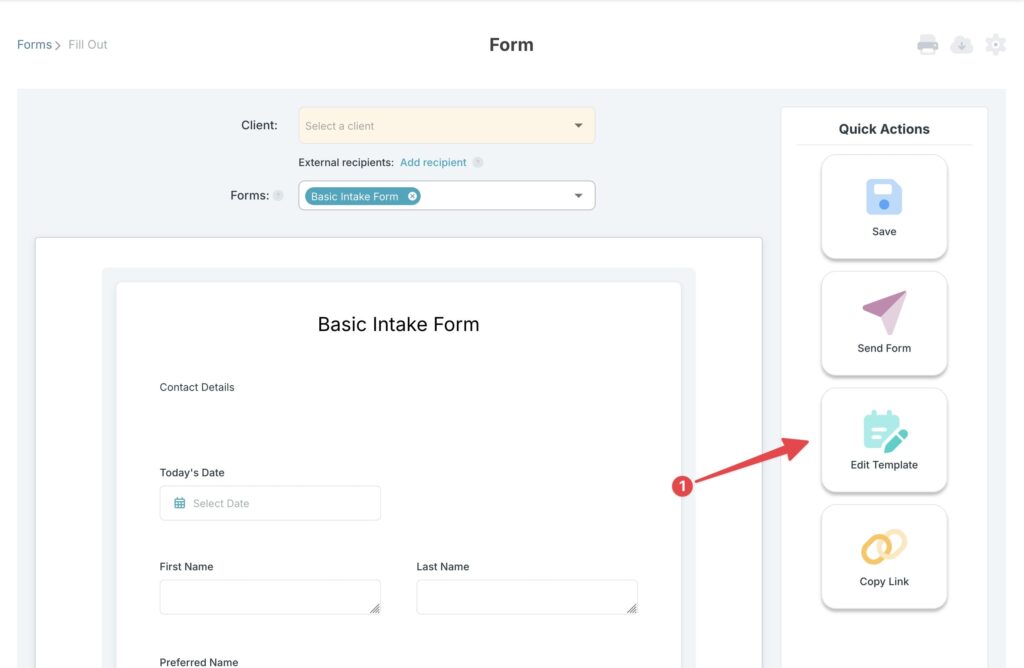
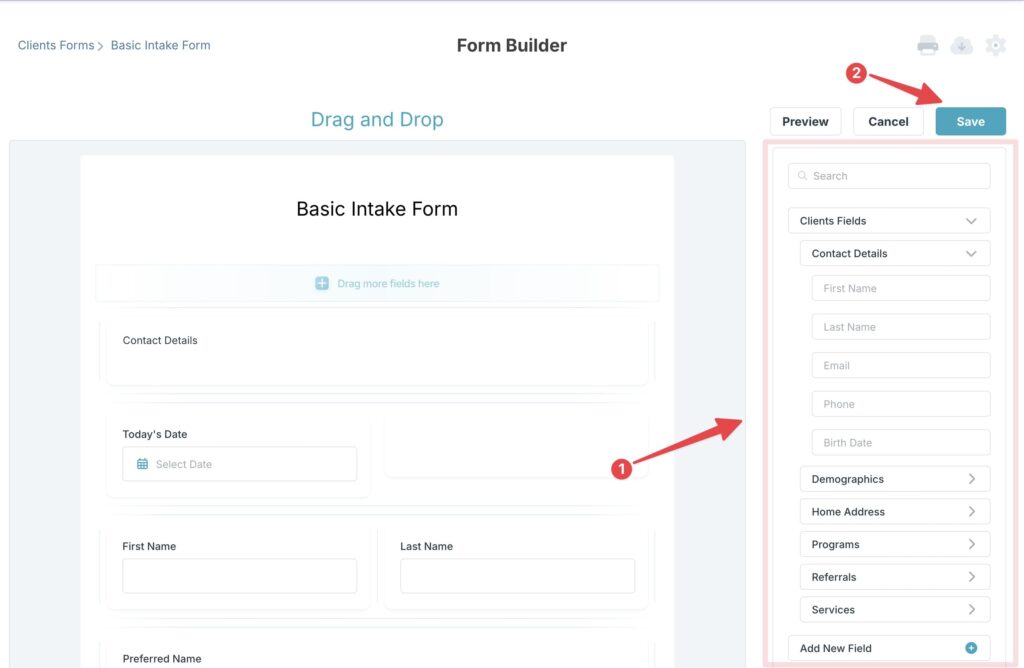
Tip: You can add new form fields using the right sidebar. Just drag them straight into your form.
Step 3:
Select a client to start filling out the form on their behalf. Once done, click Save.
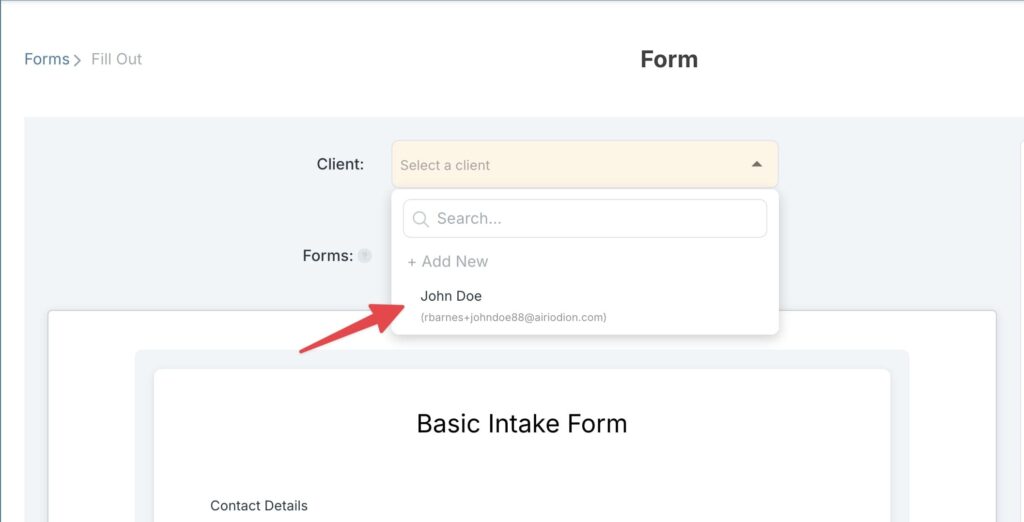
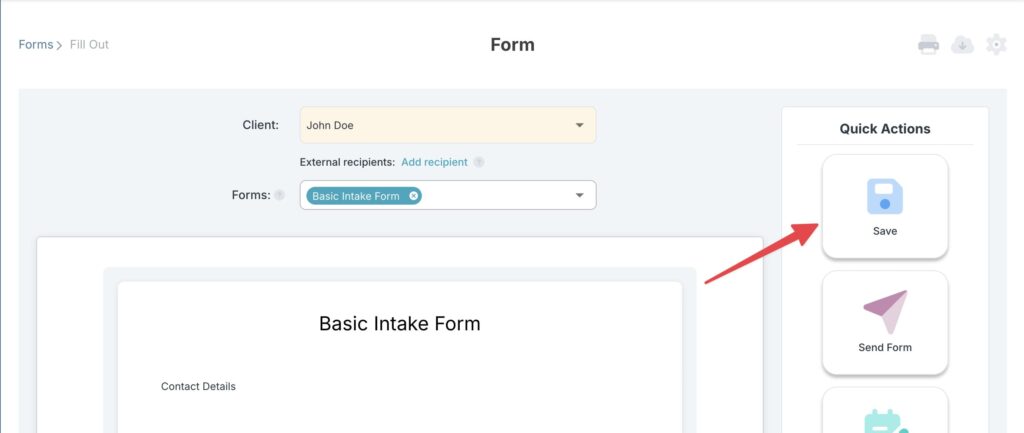
Tip: No need to re‑type your client’s data, it magically fills in the form for you, saving you time.
Step 4:
Or to send the form directly to a client, click Send Form, then select the clients. When you’re ready click Send.
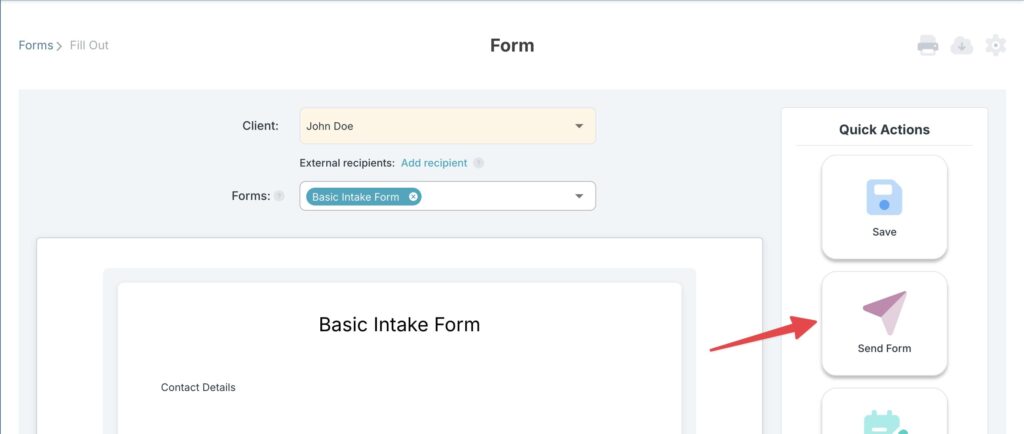
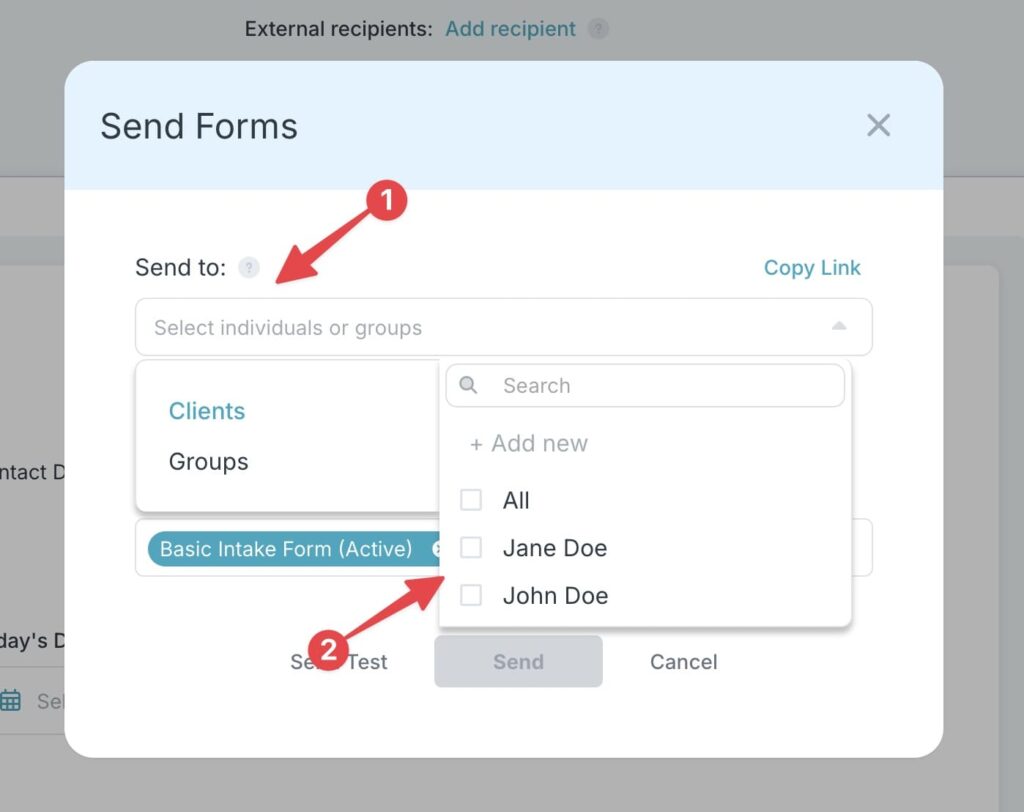
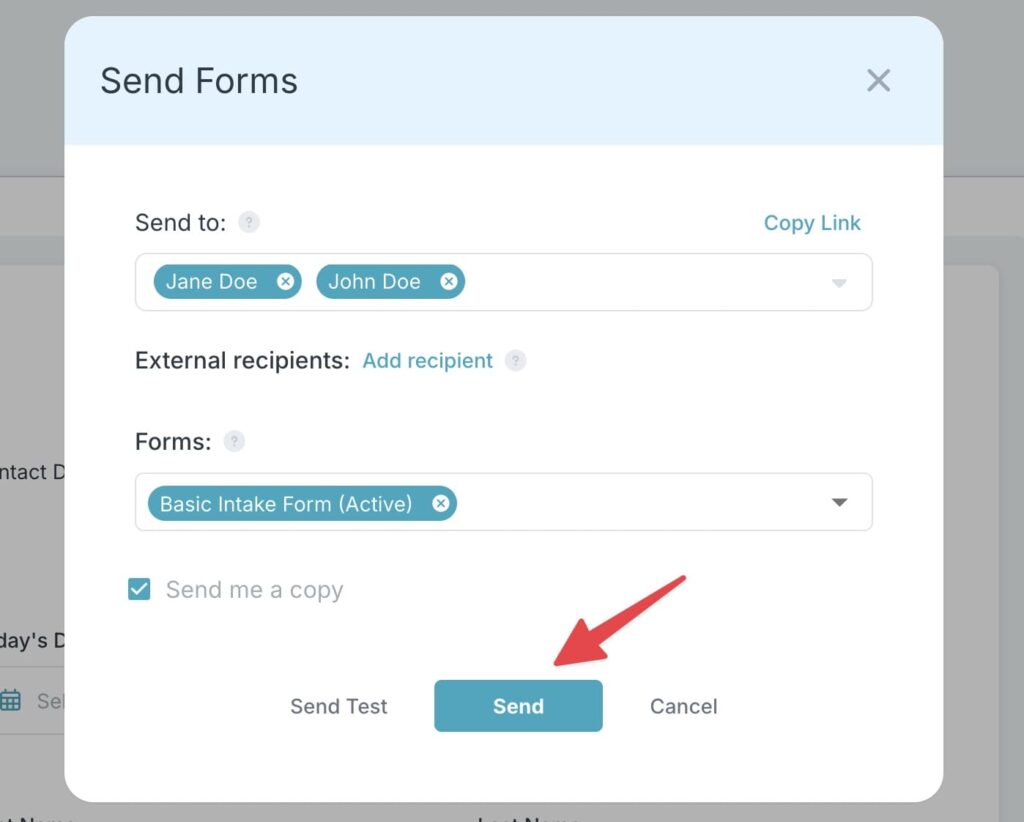
Tip: You can send the form to clients that are not yet part of Case Management Hub (External recipients) by clicking “Add recipient” and filling out their email, first name, and last name.
Step 5:
Create a public link for your form so you can easily share it with anyone. Just click Copy Link to publish your online form.
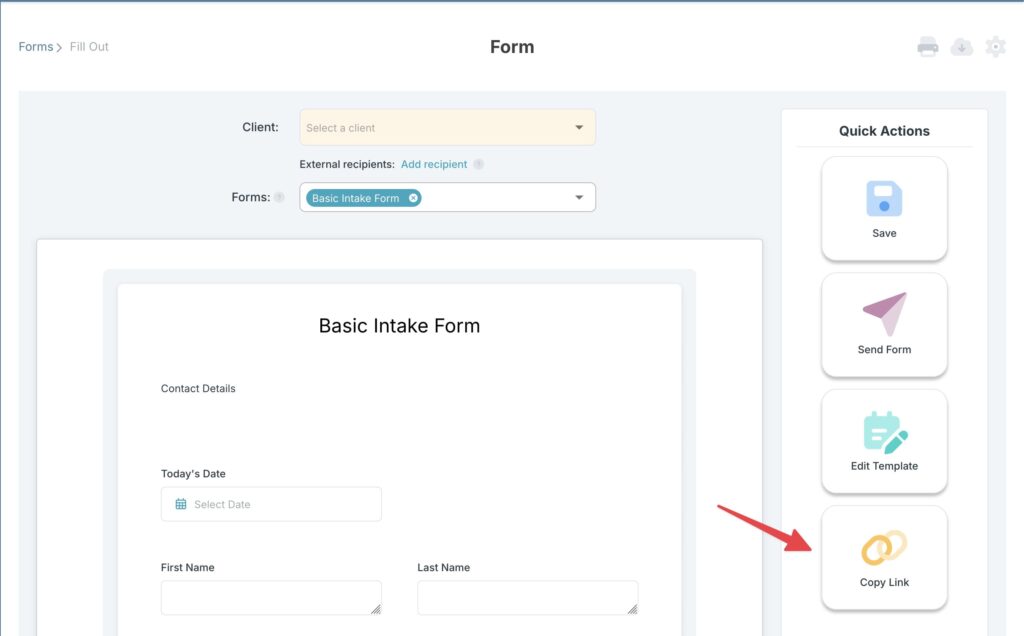
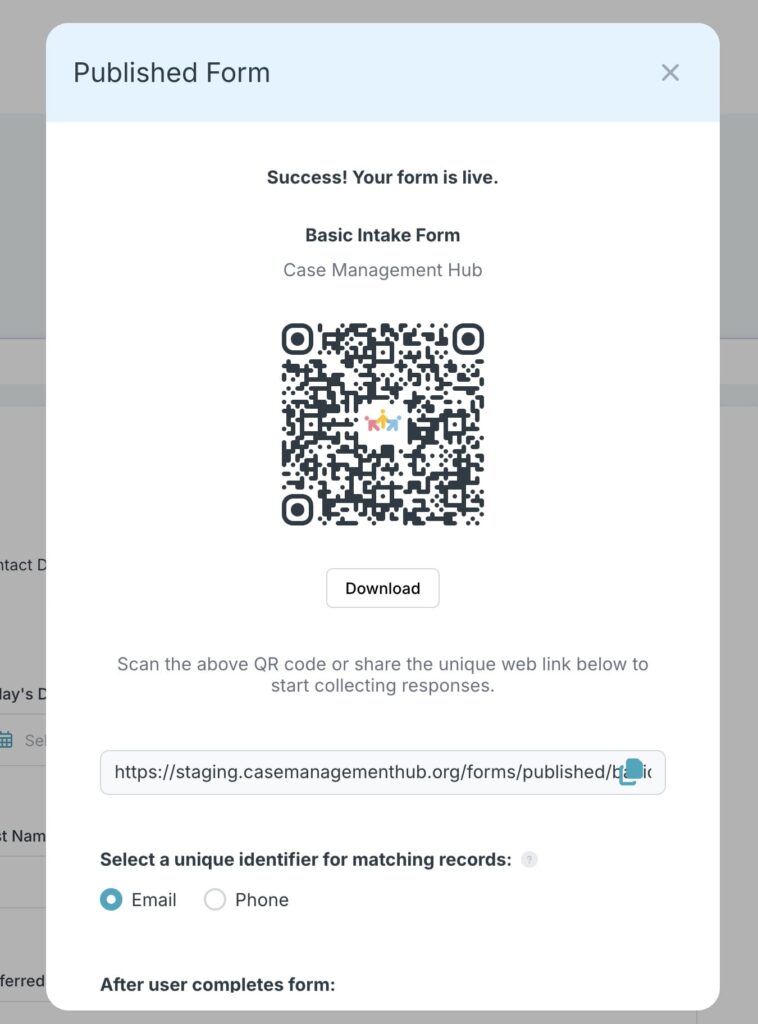
Tip: A link will automatically be created for you but you can always edit this and other form settings even after creating the online form. Just click on the gear icon in the top right corner of the form page to bring up the form settings.
Experience the difference of a streamlined clinical workflow. Sign up for our free 21-day trial today to unlock full access, no credit card is required to get started.
Frequently Asked Questions
A standard template must include medical history, psychological symptoms, developmental milestones, family dynamics, employment status, housing stability, spiritual beliefs, and an assessment of immediate safety or crisis risks.
Automated client scheduling for social workers allows clients to book, reschedule, or cancel appointments online based on real-time availability. This eliminates phone tag, reduces no-show rates through automated reminders, and frees up front-desk staff for more complex tasks.
Digital forms and data storage for clinical supervisors must utilize advanced encryption standards both in transit and at rest. The platform must also feature role-based access controls, detailed audit logs, and secure user authentication protocols to protect client privacy.
A dedicated social work documentation and notes platform protects confidentiality by isolating client records within a highly secure, restricted-access environment. It replaces vulnerable paper files or unencrypted word processors with time-stamped, unalterable digital logs that meet modern healthcare privacy laws.
Yes, a professional mental health billing and cost tracking system is designed to process multiple payment structures. It allows practitioners to generate industry-standard superbills, submit electronic insurance claims, track co-pays, and manage sliding-scale private fees within a single dashboard.
Best practices include utilizing standardized formats like SOAP or BIRP notes, aligning every note with an established treatment plan goal, specifying measurable behavioral indicators of change, and updating progress milestones regularly alongside the client.What should be included in a standard biopsychosocial assessment template?
How can automated client scheduling for social workers improve clinic efficiency?
What security standards are required for digital forms and data storage for clinical supervisors?
How does a social work documentation and notes platform protect client confidentiality?
Can a mental health billing and cost tracking system accommodate insurance and private pay?
What are the best practices for documenting client goals and progress?
👉 Try it free today - No credit card needed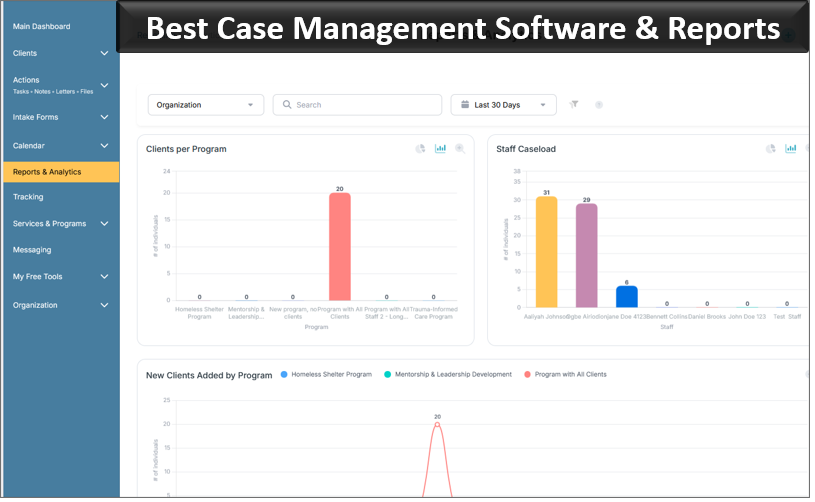
Note: Content on this website (socialworkportal.com) is copyrighted and protected under applicable copyright laws. Unauthorized reproduction, distribution, or use of any content from the website, without explicit written permission, is strictly prohibited. Read: Terms of Use.
Social Work Portal Disclaimer: Social Work Portal is not a social work agency and we do not refer social workers. This web site is provided for educational and informational purposes only and does not constitute providing medical advice or professional social and healthcare services. The information provided should not be used for diagnosing or treating a health problem or disease, and those seeking personal medical advice should consult with ... Read our full disclaimer here: Social Work Portal Disclaimer.