Delivering Precision Care and Managing Caseloads
Direct practice forms the front line of social transformation. When you sit across from a person navigating trauma, acute housing loss, or a behavioral crisis, textbook theory meets messy human reality. Practicing micro level social work requires bridging personal empathy with clinical discipline to help individuals, couples, and families stabilize and move forward.
At this personal level of intervention, every interaction counts. Frontline case managers, medical social workers, and clinical therapists do not just listen; they assess complex systems, design intervention plans, and facilitate navigation through community programs. Administrative realities often complicate this mission.
According to landmark workforce studies published by the National Association of Social Workers (NASW), case management duties make up a massive portion of daily workloads, with professionals spending more than half their working hours purely on administrative tasks rather than direct client care.
Mastering this discipline requires balancing interpersonal rapport with streamlined workflows. When you minimize operational friction, you protect your energy and elevate the quality of your interventions.
Let’s get started
Watch this video:
or
read the guide below.
What You Will Learn
- The structural boundaries separating micro, mezzo, and macro systems
- Foundational micro skills needed to build genuine therapeutic rapport
- Step-by-step methods for conducting comprehensive biopsychosocial intakes
- Strategies for implementing strengths-based interventions across complex cases
- Comparative approaches for managing high-volume casework and clinical notes
- Key decision factors for selecting software tools that reduce admin burnout
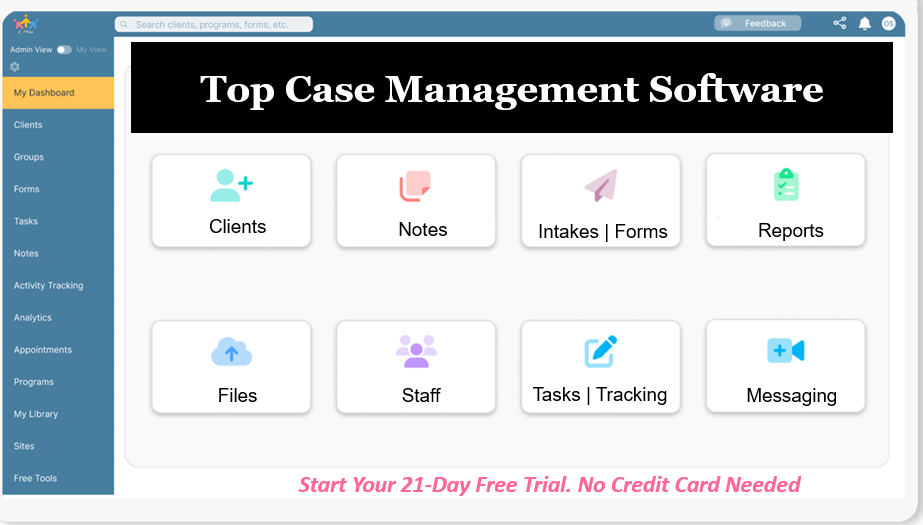
💡All-in-one Case Management Software.
Everything in one place: clients, notes, forms, appointments, reports, and outcomes.
👉 Try it Free - No credit card needed
What Is Micro Level Social Work and How Does It Function Across Practice Levels?
Understanding micro practice starts with understanding its operational scope within the wider human services field. Social services operate across three distinct tiers:
- Micro Practice: The tightest operational tier, centered on direct, face-to-face services delivered to individuals, families, and intimate groups.
- Mezzo Practice: The intermediate level, addressing institutional, neighborhood, or small-group challenges through community programs, schools, or local treatment centers.
- Macro Practice: The broadest scope, concentrating on systemic reform, social policy analysis, legislative advocacy, and nationwide research initiatives.
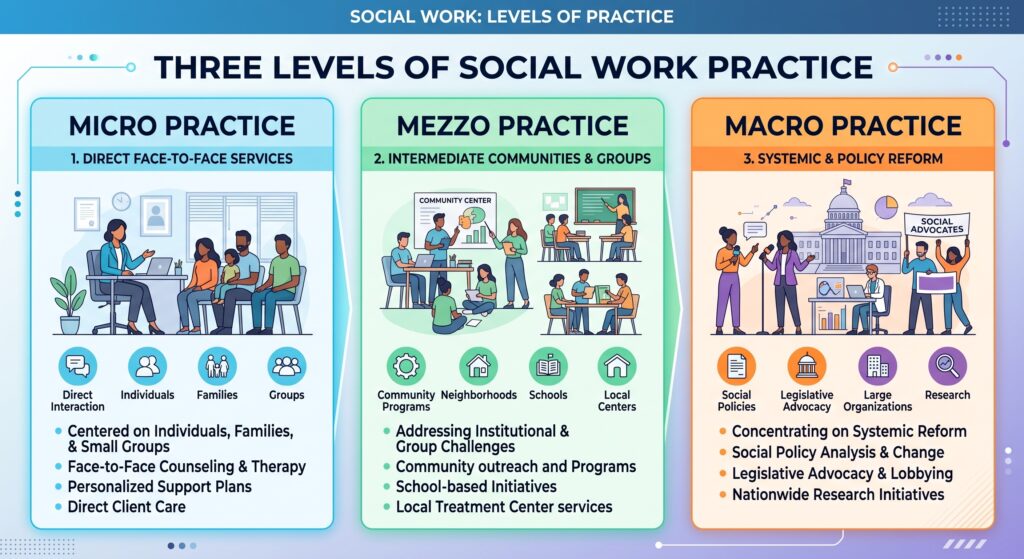
These tiers do not exist in isolation. A macro-level policy establishing a state nutrition initiative depends directly on mezzo-level school districts to organize food hubs, which in turn relies on micro-level social workers to connect individual families to those meals. Frontline practitioners serve as the tangible execution point of broader policy intentions.
| Dimension | Micro Social Work | Mezzo Social Work | Macro Social Work |
| Primary Focus | Individuals, couples, single families | Organizations, schools, support groups | Communities, state laws, health systems |
| Core Delivery Method | One-on-one sessions, family counseling | Group facilitation, program management | Policy creation, systemic research, lobbying |
| Typical Caseworkers | Caseworkers, clinical therapists, intake staff | Group coordinators, agency program leads | Policy analysts, community organizers |
| Direct Client Contact | Continuous and intensive | Periodic, group-centered | Rare or indirect |
| Operational Impact | Personal stabilization, individual growth | Group cohesion, organizational workflows | Legislative reform, widespread equity |
What Core Skills Define High-Impact Direct Practice Social Work?
Direct client care requires specialized competencies. The National Association of Social Workers Code of Ethics identifies the “importance of human relationships” as an indispensable standard. Translating that value into practice demands nuanced engagement.
A primary competency is building a strong therapeutic alliance. Research published in peer-reviewed clinical literature demonstrates that the collaborative alliance between client and practitioner accounts for significant variance in treatment outcomes, often predicting success across therapeutic modalities regardless of theoretical orientation. Empathy, active listening, and responsive body language establish the safety clients need to share vulnerabilities.
At the same time, high-impact direct practice requires clear professional boundaries. Working in crisis environments can trigger compassion fatigue. Practitioners must remain deeply invested in client autonomy while preserving professional limits. Cultural humility, adaptability, and active problem-solving ensure that your intervention respects each client’s dignity and background.
👉 Try it Free - Free Case Management System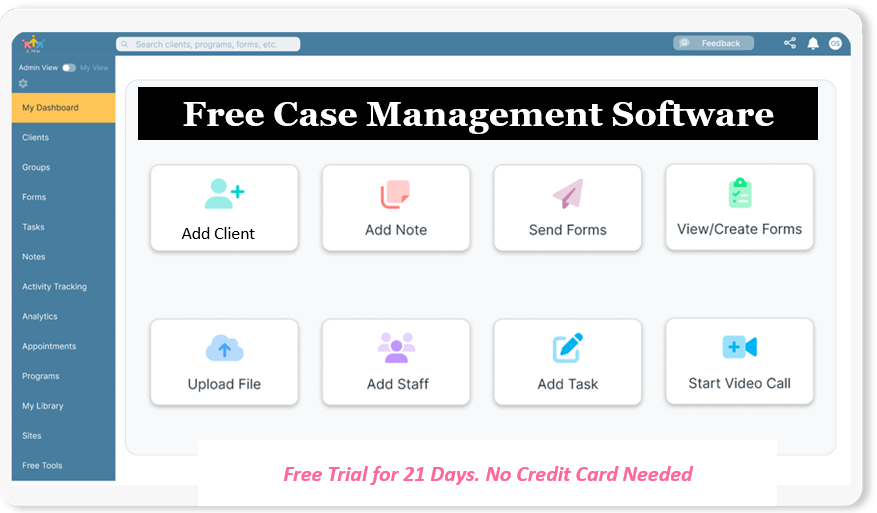
How Do You Conduct a Rigorous Biopsychosocial Intake and Assessment?
A strong intake sets the trajectory for subsequent interventions. Rather than approaching initial assessments as rigid checklists, treat them as collaborative discovery conversations.
A thorough biopsychosocial intake explores three distinct client domains:
- Biological Factors: Medical history, physical limitations, genetics, prescription compliance, substance use, and nutritional habits.
- Psychological Dynamics: Emotional stability, trauma history, coping mechanisms, cognitive processing, and self-esteem.
- Social Systems: Family structure, housing security, economic resources, community connections, and institutional barriers.
Structure this assessment by validating the client’s current emotional state before diving into sensitive background questions. Engaging people through open-ended inquiries allows them to define their priorities, transforming the intake from a sterile diagnostic screening into an empowering exploration of resources.
How Can Practitioners Implement Strengths-Based Interventions?
Deficit-centered casework views clients solely through their diagnoses, traumas, or material deficiencies. Strengths-based social work interventions, by contrast, focus on existing client resilience, community connections, and past problem-solving victories.
Consider an individual experiencing homelessness paired with chronic depressive symptoms. A deficit-based plan might note only unstable housing and persistent lethargy. A strengths-based intervention documents the client’s consistent connection to a faith community, reliable self-advocacy skills, and strong interest in vocational mechanical work.
To deploy this approach effectively:
- Co-Design Actionable Milestones: Frame objectives around the client’s personal aspirations rather than agency mandates.
- Identify Internal Strengths: Highlight how the individual navigated historical adversity and adapt those techniques to present obstacles.
- Map Ecological Assets: Pinpoint community allies, family supports, and local organizations that reinforce the client’s social foundation.
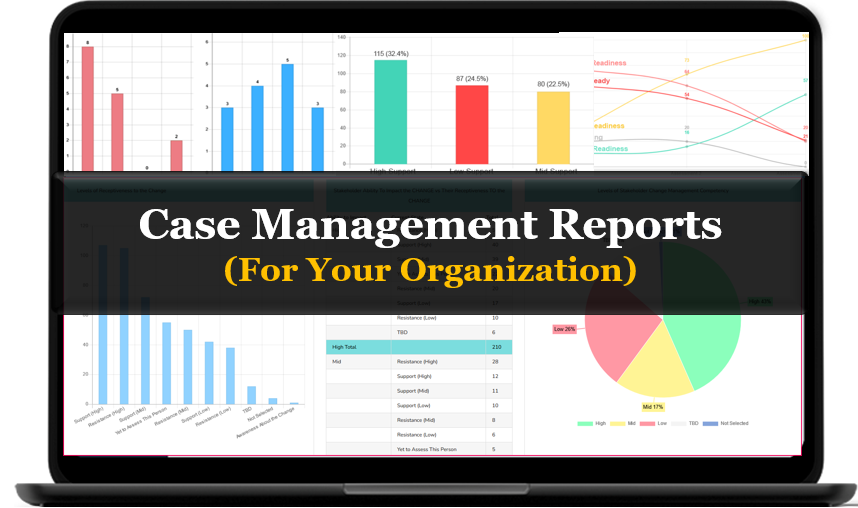
Do You Have a Team? Our best all-in-one client and top case management software simplifies everything from client intake and assessments to programs, projects, goals tracking, planning, scheduling, documentation, reporting dashboard, and progress tracking.All-in-One Case Management Software
Sign Up Today, Free
No credit card needed!
How Do Manual Administrative Methods Compare to Modern Automated Systems?
Mastering micro practice is difficult when paperwork dominates your day. Juggling handwritten documents, physical filing systems, and disconnected calendars creates operational roadblocks. Switching to an integrated digital hub transforms daily case routines.
| Operational Workflow | Manual & Fragmented Methods | Modern Automated Case Systems |
| Client Intake & Onboarding | Paper packets, manual data re-entry | Digital self-service forms that auto-populate records |
| Caseload Scheduling | Paper diaries, phone tag, frequent missed visits | Automated calendar syncing with SMS/email reminders |
| Progress Notes | Disjointed Word docs, uneven compliance | Standardized templates (SOAP, BIRP, DAP) |
| Client Records Management | Cabinets and decentralized digital folders | Centralized, role-based cloud data storage |
| Goal Tracking & Reporting | Manual spreadsheets, complex data audits | Visual milestone tracking and one-click reporting |
What Factors Should Guide Your Practice Management Software Decisions?
Evaluating platforms requires balancing day-to-day usability against strict compliance mandates. For clinical supervisors, independent counselors, and human services administrators, several key decision-making criteria should guide the selection process:
- Ease of Staff Adoption: Software must feature an intuitive user interface so frontline case managers and community aides can use it without extensive technical training.
- Regulatory Compliance: Security is non-negotiable. The platform must meet all HIPAA Security Rule requirements, maintain encrypted data pathways, generate audit logs, and provide a signed Business Associate Agreement (BAA).
- Unified Capabilities: Using separate tools for client messaging, timekeeping, notes, and invoicing introduces data errors and increases operational expenses. A unified hub brings all client touchpoints together.
- Customization Options: Case management varies across child welfare, clinical therapy, and medical navigation. Your software must allow flexible form builders, tailored goal trackers, and custom note configurations.
People Also Ask
What is the primary difference between micro and macro social work?
Micro social work focuses on direct, one-on-one interventions with individuals, families, and small groups to solve personal challenges. Macro social work targets large systems, addressing widespread issues through social policy development, community advocacy, systemic program planning, and legislative research.
What are common examples of micro level social work jobs?
Micro social workers work across healthcare, education, and social safety nets. Examples include hospital discharge planners, child welfare caseworkers, military trauma therapists, outpatient substance abuse counselors, school social workers, and homeless shelter intake coordinators.
Which documentation format is best for micro social work progress notes?
Widely accepted documentation structures include SOAP (Subjective, Objective, Assessment, Plan), BIRP (Behavior, Intervention, Response, Plan), and DAP (Data, Assessment, Plan) formats. These standardized frameworks ensure clinical clarity, maintain ethical standards, and protect agencies during legal reviews and compliance audits.
How do micro social workers help prevent professional burnout?
Practitioners reduce burnout by enforcing firm interpersonal boundaries, participating in regular peer supervision, engaging in evidence-based self-care, and leveraging modern case management technology to minimize manual paperwork burdens.
Can micro level interventions influence community policy changes?
Yes. Micro practitioners collect firsthand client data and observe systemic roadblocks in real time. This clinical feedback provides the qualitative and quantitative evidence that mezzo supervisors and macro policy researchers need to design effective public programs.
Why is an intake assessment critical in micro practice?
The intake assessment establishes the clinical baseline for the entire therapeutic or case management relationship. It identifies immediate safety risks, uncovers root biopsychosocial stressors, highlights personal client strengths, and informs the initial individualized service plan.
Modernize Your Caseload with Purpose-Built Case Management Software
Juggling handwritten client notes, scattered calendar appointments, and fragmented intake sheets pulls your focus away from frontline advocacy. Case Management Hub offers an all-in-one software platform tailored to the exact needs of social workers, clinical therapists, case managers, and human services organizations.
Centralize your intake forms, client notes, appointment scheduling, secure messaging, goal tracking, and administrative reporting inside an intuitive, HIPAA-compliant platform. Free your team from repetitive documentation bottlenecks so you can spend your time supporting clients.
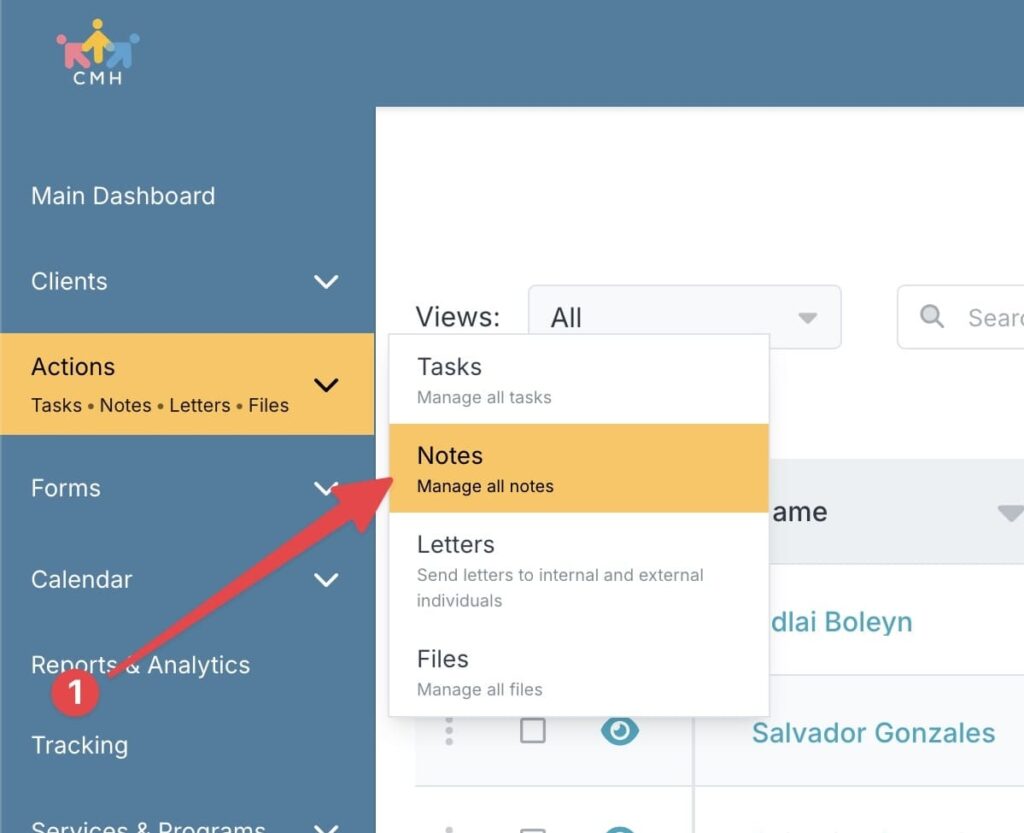
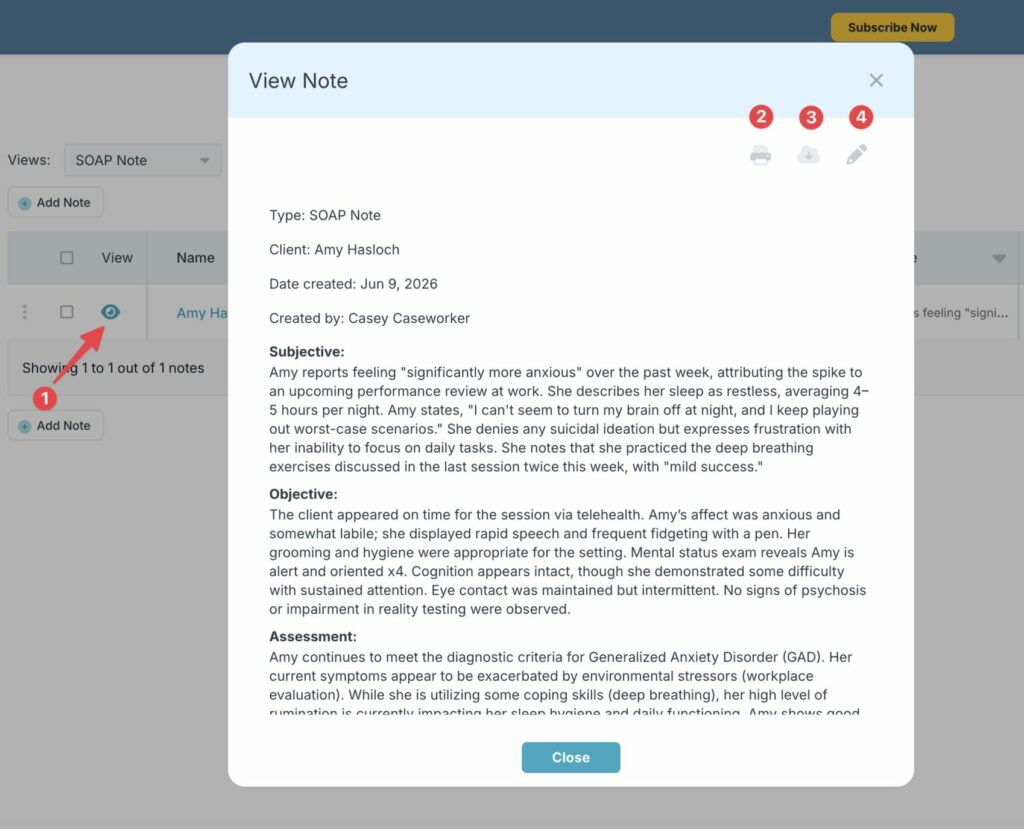
To create a SOAP note in Case Management Hub, follow these steps:
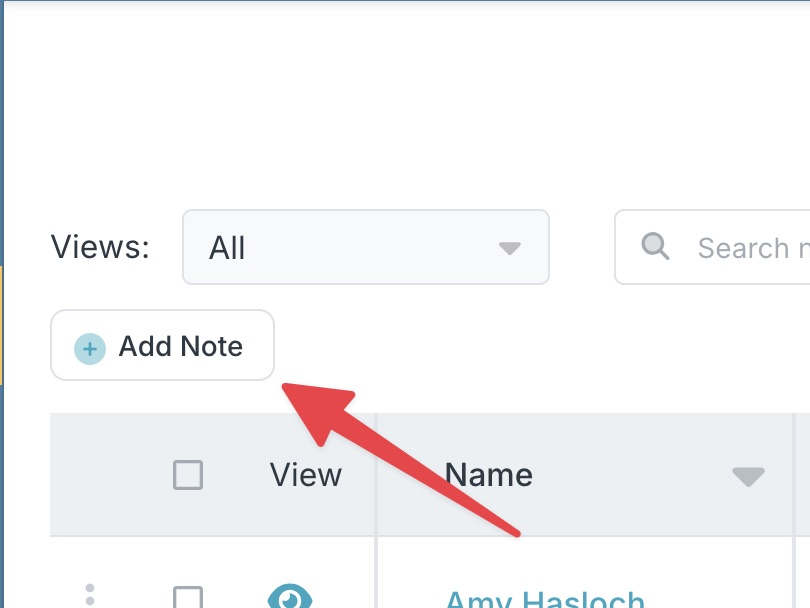
Step 1:
Navigate to the Notes module from the sidebar and click Add Note
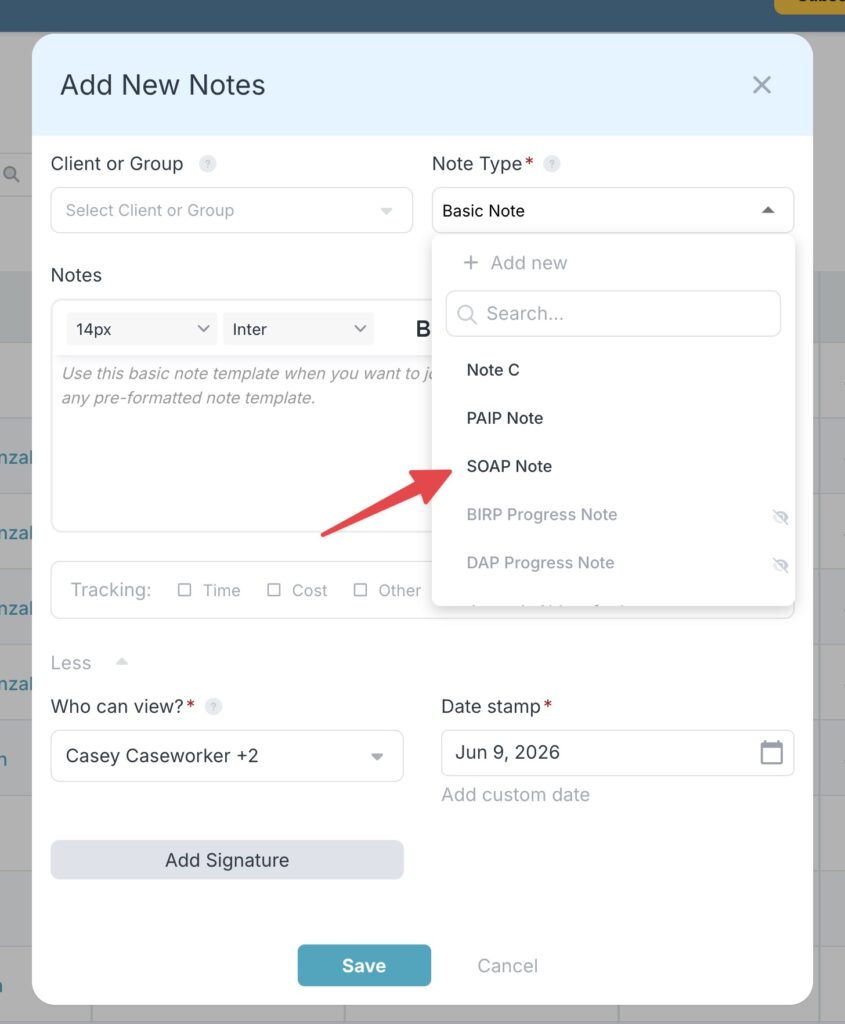
Step 2:
From the note type dropdown select the SOAP note template
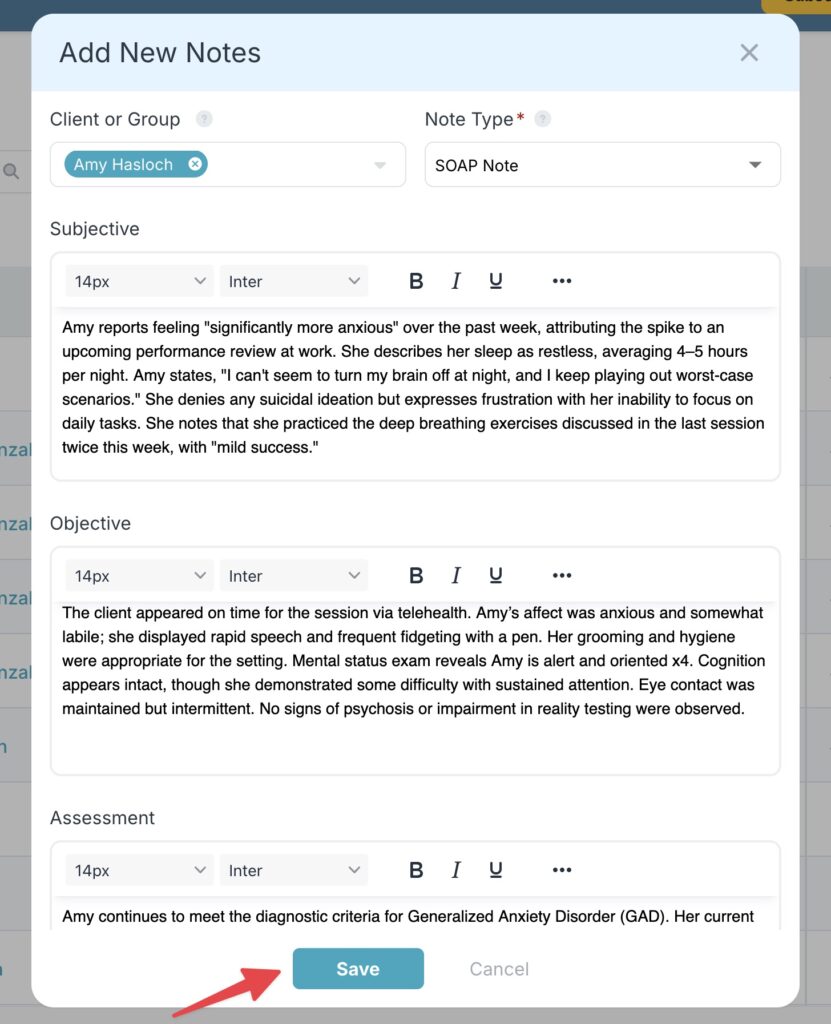
Step 3:
Add your note details to the four sections of the SOAP note, select the client, and then click save.
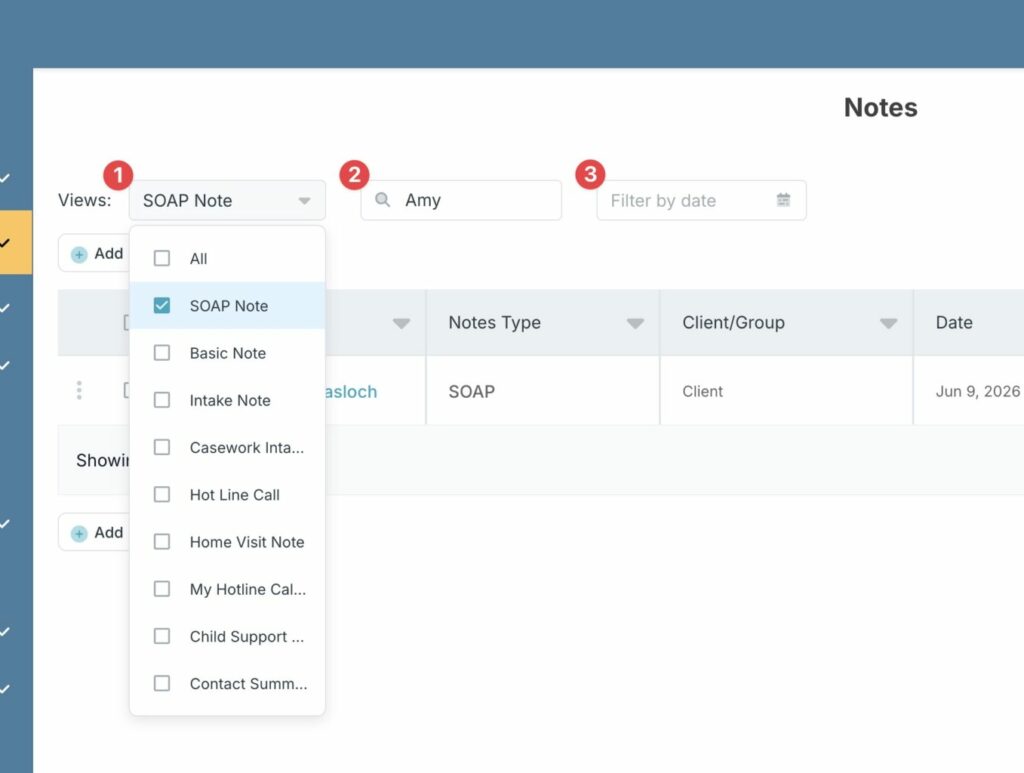
Step 4:
View, search and filter all of your client notes, including the SOAP notes in one place.
Step 5:
Click the eye icon to view or edit the details of the note
Ready to simplify your daily casework? Sign up for a free 21-day trial today with Case Management Hub, no credit card required!
Frequently Asked Questions
What educational degree is required to work as a micro social worker?
Entry-level case management positions frequently accept a Bachelor of Social Work (BSW) or a related degree in human services. Specialized clinical roles involving psychotherapy, trauma intervention, and advanced medical care require a Master of Social Work (MSW) from an accredited program, along with state clinical licensure (such as an LCSW).
How does micro level social work address mental health crises?
Micro practitioners conduct clinical triage, complete risk and safety assessments, deploy de-escalation methods, provide immediate supportive counseling, and connect individuals to specialized emergency mental health resources.
What are the main challenges faced by frontline case managers?
Frontline professionals regularly navigate heavy caseload demands, secondary traumatic stress, complex institutional bureaucracies, limited community resources, and heavy administrative documentation expectations.
How does clinical case management software safeguard client confidentiality?
Professional software platforms implement end-to-end data encryption, multi-factor user authentication, role-based access permissions, secure data hosting, and detailed audit trails to protect sensitive electronic health records.
Can micro social work principles be applied in group therapy settings?
Yes. While group dynamics introduce mezzo-level interactions, the core micro skills of active listening, individual emotional validation, goal setting, and personal empathy remain essential when working with small groups and families.
How do outcome tracking tools improve direct client care?
Standardized outcome tracking platforms allow clinicians and clients to visualize goal progression together. Reviewing measurable progress boosts client motivation, guides clinical adjustments, and provides documentation for program funders.
👉 Try it free today - No credit card needed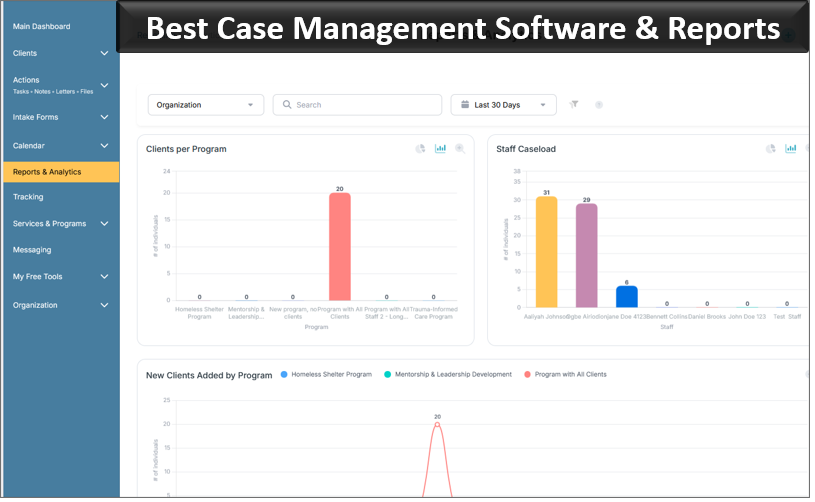
Note: Content on this website (socialworkportal.com) is copyrighted and protected under applicable copyright laws. Unauthorized reproduction, distribution, or use of any content from the website, without explicit written permission, is strictly prohibited. Read: Terms of Use.
Social Work Portal Disclaimer: Social Work Portal is not a social work agency and we do not refer social workers. This web site is provided for educational and informational purposes only and does not constitute providing medical advice or professional social and healthcare services. The information provided should not be used for diagnosing or treating a health problem or disease, and those seeking personal medical advice should consult with ... Read our full disclaimer here: Social Work Portal Disclaimer.