A Practical Blueprint to Unify Multi-Source Child Data and Eliminate Record Chaos
Evaluating a child’s mental health is never a one-person conversation. To build an accurate clinical picture, practitioners must coordinate observations across caregivers, educators, and pediatricians. Yet when parent questionnaires sit in email threads, teacher checklists arrive weeks late, and developmental histories linger on clipboards, clinical insight gets buried under administrative disorder.
According to the CDC, roughly 1 in 5 children aged 3 to 17 has a diagnosed mental, emotional, or behavioral condition, and the World Health Organization notes that half of all lifetime mental disorders take root by age 14. Meeting this need demands fast, structured evaluations, not days lost to paperwork and transcription errors.
Below, we break down why multi-informant data fractures so easily, how to streamline your intake pipeline, and how to centralize your entire assessment lifecycle into one clean, compliant workflow.
Let’s get started
Watch this video:
or
read the guide below.
What You’ll Learn in This Guide
- How to establish an end-to-end child mental health evaluation process that prevents information gaps.
- Proven methods for gathering teacher and parent rating scales child therapy teams can review in real time.
- Key differences between manual multi-source documentation and centralized digital workflows.
- How to structure a child psychological assessment report structure without retyping data.
- Strategies to maintain strict HIPAA compliance when exchanging information with schools and caregivers.
- Practical answers to high-frequency clinical questions regarding multi-informant youth evaluations.
💡All-in-one Case Management Software.
Everything in one place: clients, notes, forms, appointments, reports, and outcomes.
👉 Try it Free - No credit card needed
What Challenges Exist in Managing Multi-Informant Child Assessments?
Evaluating youth mental health presents distinct documentation hurdles that adult caseloads rarely involve. Clinicians cannot rely on self-reporting alone; accurate formulation requires multi-informant assessment child behavioral health data gathered across home, school, and clinical settings.
In practice, this process frequently fragments. Paper forms get completed in waiting rooms, PDFs trickle in via unencrypted emails, and developmental notes sit isolated in spreadsheets. Managing disconnected client records pediatric therapy workflows creates heavy cognitive strain. Clinicians spend valuable hours chasing missing paperwork, hand-scoring rating scales, and manually cross-referencing conflicting reports. This administrative drag delays critical treatment when early intervention matters most.
Why Is Multi-Source Data Critical for Child Mental Health Evaluations?
Children behave differently depending on environmental structure, social demands, and emotional triggers. A child presenting with attention-deficit/hyperactivity disorder (ADHD) might exhibit severe task avoidance and restlessness in a crowded classroom, yet appear focused during one-on-one sessions in a quiet clinic. Conversely, an adolescent dealing with generalized anxiety or masked depressive symptoms might maintain perfect grades while experiencing debilitating panic attacks at home.
Relying on a single informant produces a skewed diagnostic baseline. Tracking pediatric mental health symptoms across settings ensures that clinicians differentiate context-specific behavioral reactions from pervasive neurodevelopmental or psychiatric disorders. Multi-informant evaluations provide three critical clinical advantages:
- Contextual Triangulation: Comparing parent observations with teacher rating scales reveals whether behavioral difficulties stem from academic stressors, social dynamics, or neurodevelopmental deficits.
- Reduced Diagnostic Bias: Parents under chronic stress may inadvertently over-report symptom severity, while adolescents suffering internally may under-report disruptive behaviors. Multi-source data balances subjective impressions against objective observational screeners.
- Targeted Treatment Planning: Knowing precisely where impairments surface allows clinicians to tailor interventions, such as recommending classroom 504 accommodations, establishing parent management training, or initiating targeted child psychotherapy.
👉 Try it Free - Free Case Management System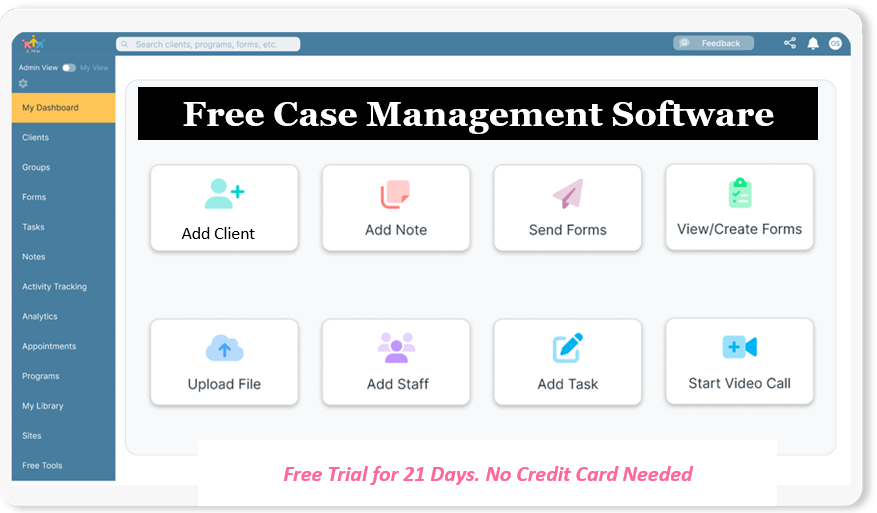
How Can Clinicians Gather Teacher and Parent Rating Scales Efficiently?
Collecting observational data from third parties is traditionally the slowest step in the evaluation lifecycle. School educators are busy, parents lose paper forms, and clinic staff spend hours sending follow-up emails. Establishing a consistent, standardized intake workflow solves this bottleneck.
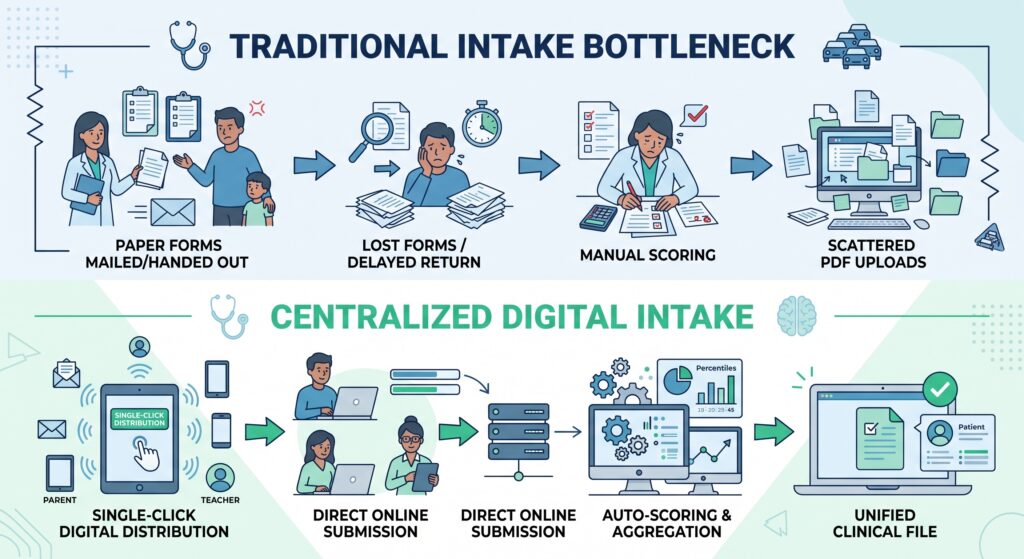
1. Digitize Assessment Forms at the Point of Contact
Eliminate physical packets. Distribute digital child behavior assessment questionnaire software links and HIPAA compliant child therapy intake forms online as soon as an appointment is scheduled. When forms are accessible via smartphone, completion rates rise significantly.
2. Standardize External Informant Consent
Obtaining formal releases of information (ROI) often stalls collaboration with schools. Build digital ROI signatures directly into the parent intake packet so your staff can contact educators, pediatricians, and speech pathologists immediately without playing phone tag.
3. Establish Clear Assessment Windows
Set explicit completion windows for third-party screeners. If teachers receive rating scales without an agreed-upon deadline, evaluations can stall for months. Automated digital reminders prompt informants to submit responses before the scheduled intake session, keeping diagnostic timelines on track.
How Digital Tools Streamline Child Mental Health Evaluations
Modern pediatric behavioral health case management software replaces fragmented paper files with a single, synchronized hub. Here is how specialized digital tools automate every phase of the child evaluation process:
Step 1: Automated Multi-Source Intake Distribution
Instead of emailing unencrypted PDFs or mailing paperwork, clinicians select pre-configured pediatric intake packets inside the platform. With one click, the system securely routes parent intake forms, developmental history questionnaires, and school observation screeners to their respective recipients. The automated multi informant rating scales platform tracks completion statuses in real time.
Step 2: Centralized Record Ingestion and Instant Scoring
When a teacher or caregiver submits a questionnaire, the data deposits directly into the child’s central chart. Digital child mental health assessment tools for clinicians automatically score validated instruments such as the Vanderbilt, GAD-7, PHQ-9, or PSC-17. Clinicians review calculated totals, subscale breakdowns, and risk indicators instantly without manual math or transcription.
Step 3: Synchronized Clinical Notes and Charting
Data from initial intakes flows into clinical documentation. Rather than toggling between disconnected windows, clinicians use child therapy soap notes and assessment software to pull baseline assessment scores directly into their clinical formulation. Whether writing SOAP notes, DAP notes, or biopsychosocial intakes, all multi-source evidence is accessible in the same workspace.
Step 4: Cohesive Goal and Progress Tracking
A centralized pediatric client tracking platform links initial evaluation data to longitudinal treatment plans. Clinicians can track pediatric mental health symptoms across settings over time, administering periodic re-evaluations to graph behavioral trends and verify whether interventions are producing clinical improvements.
Manual Workflows vs. Automated Workflows: A Direct Comparison
The table below contrasts standard paper-based assessment practices with an integrated digital workflow:
| Evaluation Phase | Traditional Manual Process | Centralized Digital Workflow |
| Intake Distribution | Mailing packets or handing out clipboards in the clinic waiting room. | Automated delivery of secure online forms to parents and teachers prior to intake. |
| Multi-Source Collection | Chasing unreturned paper forms and PDFs across disjointed email threads. | Real-time tracking portal displaying submission statuses with automated completion nudges. |
| Screener Scoring | Hand-scoring rubrics, calculating subscales, and risking manual arithmetic errors. | Instant automated scoring and immediate calculation of clinical percentiles and severity tiers. |
| Data Organization | Storing files across filing cabinets, desktop folders, and legacy record tools. | Single, searchable client record housing notes, screeners, files, and treatment goals. |
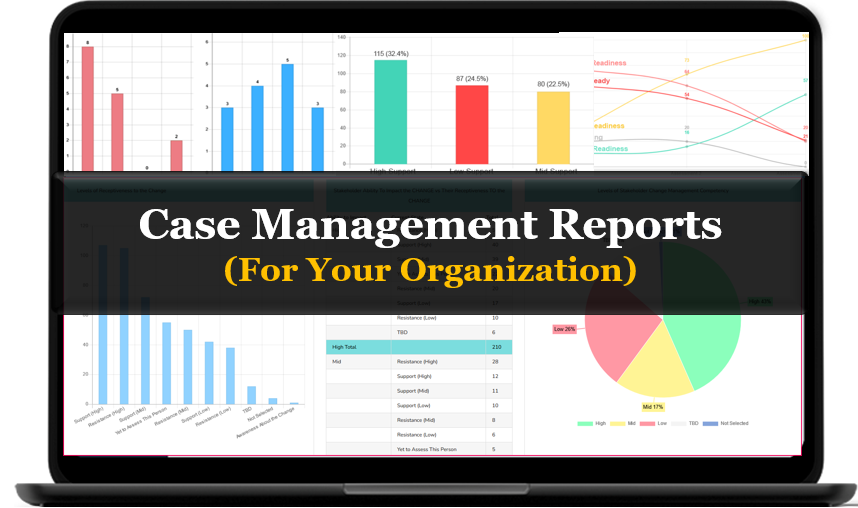
| Progress Monitoring | Administering re-assessments sporadically with difficult manual comparisons. | Built-in pediatric mental health progress note tracking software with visual outcome charting. |
| HIPAA Compliance | Risking privacy breaches via loose paper records, unsecured emails, or lost faxes. | Fully encrypted, role-based access controls with comprehensive audit logging. |
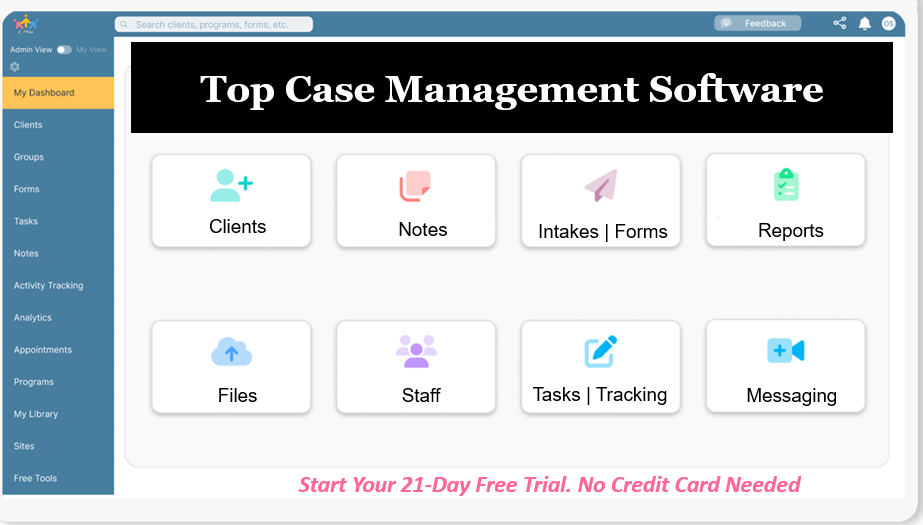
Do You Have a Team? Our best all-in-one client and top case management software simplifies everything from client intake and assessments to programs, projects, goals tracking, planning, scheduling, documentation, reporting dashboard, and progress tracking.All-in-One Case Management Software
Sign Up Today, Free
No credit card needed!
What Are the Best Practices for Youth Mental Health Intake Workflow?
Designing a reliable intake framework protects clinicians from burnout and safeguards diagnostic accuracy. Incorporating adolescent mental health assessment clinical documentation standards ensures that records remain defensible, comprehensive, and patient-centered.
- Collect Developmental Baselines Early: Gather prenatal, birth, milestone, and family medical histories before meeting the child. Knowing about speech delays, early sensory sensitivities, or family histories of mood disorders contextualizes current behavioral presentations.
- Separate Caregiver History from the Youth Clinical Interview: Children frequently filter their responses when parents are in the room. Split initial intake sessions into dedicated segments: one with the guardians to review systemic family dynamics, and a separate individual session with the child to evaluate internal emotional states.
- Consolidate Multiple Settings into Single Clinical Summaries: When building your child psychological assessment report structure, group observations by setting (Home, School, Clinical Session) before synthesizing diagnostic impressions. This highlights functional impairments across environments clearly for insurance payers and multidisciplinary teams.
- Adhere to Pediatric Behavioral Health Evaluation Documentation Guidelines: Ensure all intake records document medical necessity, risk assessments, functional impairments, and explicit clinical rationale for chosen diagnoses. Keep consent records, custody documentation, and third-party communications linked directly within the child’s primary profile.

People Also Ask
What are the main components of a child mental health assessment?
A thorough child mental health evaluation includes a detailed developmental history, multi-informant rating scales from parents and teachers, clinical observations, direct diagnostic interviews with the child and caregivers, and standardized cognitive or behavioral screeners.
Why do clinicians need data from both parents and teachers during a child evaluation?
Children frequently display different behaviors across structured school settings and unstructured home environments. Comparing parent and teacher observations helps clinicians distinguish between context-dependent situational difficulties and generalized psychiatric or developmental disorders.
How do pediatric therapists keep multi-informant assessment data HIPAA compliant?
Clinicians maintain compliance by utilizing secure, encrypted client management platforms that feature signed Business Associate Agreements (BAAs), role-based permissions, digital releases of information, and encrypted client portals for questionnaire distribution.
How often should child mental health screeners be re-administered?
Standardized behavioral screeners are typically re-administered every 60 to 90 days during ongoing treatment or at key clinical transitions. Regular re-evaluation helps clinicians objectively measure therapeutic progress, calibrate interventions, and update treatment plans.
What should a clinician do when parent and teacher ratings contradict each other?
Discrepancies are common clinical findings rather than errors. Clinicians should explore differences in environment, peer interactions, academic expectations, and adult responses across home and school settings during follow-up clinical interviews.
What is the most efficient way to score pediatric rating scales?
Using digital assessment software that provides automated scoring eliminates manual calculations, prevents arithmetic mistakes, and instantly generates clinical severity percentiles for immediate diagnostic review.
Simplify Your Pediatric Evaluations with Case Management Hub
Managing multi-source pediatric assessments should not require juggling disjointed tools, chasing unreturned paper screeners, or copying data across spreadsheets.
Case Management Hub delivers a comprehensive, HIPAA-compliant solution tailored to the everyday realities of social workers, pediatric therapists, and case managers. The platform consolidates your entire evaluation lifecycle into a unified, secure workspace:
- Automated Online Intakes: Deliver digital intake packets and multi-informant behavioral checklists directly to parents and educators.
- Centralized Client Tracking: Store developmental records, third-party screeners, medical releases, and custody forms in a single, organized chart.
- Integrated Clinical Documentation: Write comprehensive SOAP and DAP notes while referencing real-time assessment data directly on your screen.
- Longitudinal Progress Tracking: Monitor treatment milestones, graph symptom trajectories over time, and demonstrate measurable outcomes to families and insurance providers.
- Practice Management Tools: Handle scheduling, client communications, billing, and reporting within one secure login.
Eliminate the frustration of disconnected client records and focus your time where it matters most: delivering exceptional care to children and families.
Experience how effortless multi-informant evaluations can be. Start your 21-day free trial of Case Management Hub today—no credit card required.
Frequently Asked Questions (FAQs)
How does centralized case management software protect sensitive pediatric data under HIPAA?
Centralized systems protect Protected Health Information (PHI) through end-to-end encryption in transit and at rest, secure user authentication, granular access controls, automated session timeouts, and comprehensive audit logs. Platforms like Case Management Hub sign a formal Business Associate Agreement (BAA), ensuring full legal compliance with federal privacy regulations while sharing assessment questionnaires with external informants.
How can clinics manage legal custody documentation alongside child intake files?
Clinicians can upload and pin court-ordered custody agreements, legal guardianship papers, and educational consent records directly to the child's primary profile. Storing legal permissions alongside clinical evaluations ensures clinicians verify parental consent before sharing updates or distributing assessment questionnaires to outside parties.
Can pediatric assessment software handle evaluations for multi-child sibling groups?
Yes. Modern platforms allow practitioners to link sibling records under a shared household or caregiver profile while keeping their individual clinical charts, diagnostic codes, and psychological evaluations strictly separate. This structure preserves clinical privacy while streamlining administrative communication for parents.
How much administrative time can a clinical practice save by automating intake workflows?
Practices that transition from paper forms and manual data entry to automated digital intake workflows save an average of 3 to 5 hours per completed evaluation. Automating form distribution, follow-up reminders, scoring, and chart integration removes redundant clerical tasks and accelerates diagnostic timelines.
How do integrated platforms assist clinicians with insurance authorizations and audits?
Insurance payers require explicit evidence of medical necessity and measurable symptom improvement. Centralized platforms store initial assessment baselines, standardized objective scores, diagnostic formulation notes, and updated treatment plans in one chronological audit trail, making re-authorizations and external reviews straightforward.
How can solo practitioners implement centralized digital assessments without high IT overhead?
Cloud-based case management platforms operate entirely through standard web browsers without requiring local server setups, IT maintenance, or software installations. Solo clinicians can adopt pre-built intake templates, automated scoring tools, and secure client portals immediately upon launching their account.
👉 Try it free today - No credit card needed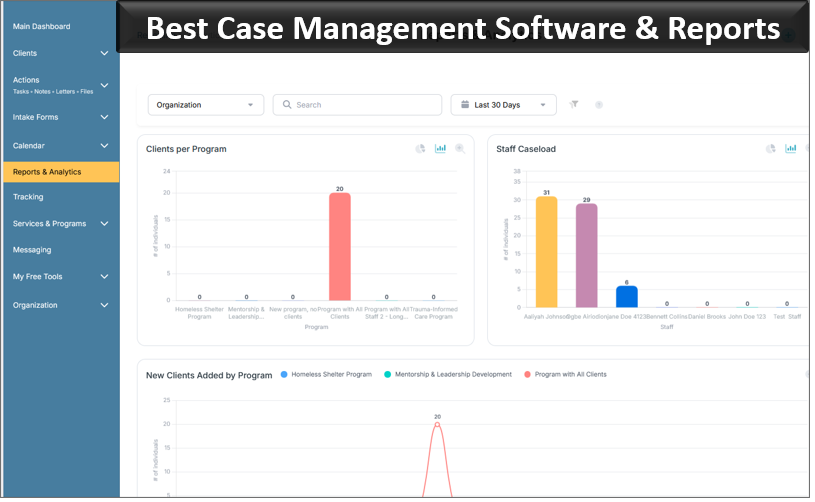
Note: Content on this website (socialworkportal.com) is copyrighted and protected under applicable copyright laws. Unauthorized reproduction, distribution, or use of any content from the website, without explicit written permission, is strictly prohibited. Read: Terms of Use.
Social Work Portal Disclaimer: Social Work Portal is not a social work agency and we do not refer social workers. This web site is provided for educational and informational purposes only and does not constitute providing medical advice or professional social and healthcare services. The information provided should not be used for diagnosing or treating a health problem or disease, and those seeking personal medical advice should consult with ... Read our full disclaimer here: Social Work Portal Disclaimer.