Bridging Human Care and Animal Welfare
Navigating the intersection of human emotion and animal welfare requires intentional clinical preparation, interdisciplinary collaboration, and robust infrastructure. Whether you are an MSW student exploring specialized field education, a licensed clinical social worker seeking a meaningful career transition, or a clinic director aiming to establish internal support systems, launching a career in this discipline demands a clear roadmap.
Veterinary medicine operates in an environment of high emotional intensity. The bond between humans and their animal companions touches profound areas of mental health, including grief, trauma, and family dynamics. At the same time, veterinary professionals face extreme professional stress. Bridging these areas with dedicated clinical attention elevates care outcomes for clients, patients, and hospital personnel alike.
Let’s get started
Watch this video:
or
read the guide below.
What You Will Learn
- The foundational pillars that define modern human-animal interaction clinical training
- Practical pathways on how to become a veterinary social worker through credentialing and field experience
- Proven strategies for veterinary clinic staff wellness support and mitigating compassion fatigue in veterinary medicine
- Operational frameworks for animal hospice and palliative care counseling
- Core workflow tools needed for veterinary social work client management and intake protocols
- Comparative models between embedded hospital clinical roles and external private consultation
💡All-in-one Case Management Software.
Everything in one place: clients, notes, forms, appointments, reports, and outcomes.
👉 Try it Free - No credit card needed
What Is Veterinary Social Work and Why Does It Matter Today?
Veterinary social work is a specialized subfield that attends to the welfare of all species through interprofessional practice. Rather than focusing solely on animal wellbeing, this discipline addresses the human side of animal care. Practitioners operate within hospitals, emergency trauma centers, community shelters, animal-assisted therapy practices, and private mental health clinics.
The field rests on four primary practice areas established by academic leaders at the University of Tennessee:
- Animal-assisted interventions
- Grief, pet loss, and animal bereavement
- The link between human and animal violence
- Compassion fatigue and workplace wellbeing
The urgency for these specialized practitioners has never been higher. According to a landmark study published in the Journal of the American Veterinary Medical Association (JAVMA) analyzing veterinary mortality over three decades, female veterinarians were 3.5 times more likely to die by suicide than the general public, while male veterinarians were 2.1 times more likely.
The 2023 Merck Animal Health and AVMA Veterinary Wellbeing Study reinforced this reality, reporting that 61% of veterinarians experience elevated levels of psychological exhaustion. Incorporating dedicated mental health professionals directly into clinical and shelter environments offers direct relief to teams under sustained psychological stress.
How Do You Navigate the Educational Path and Credentials?
Aspiring practitioners must evaluate how to enter this field with formal clinical preparation. The journey looks different depending on your academic starting point.

MSW students should actively pursue specialized field education placements within academic veterinary teaching hospitals or progressive animal welfare organizations. For mid-career licensed social workers, obtaining post-graduate credentials, such as the Veterinary Social Work Certificate Program (VSW-CP) developed by the University of Tennessee, provides formal training in animal abuse reporting, ethical animal-assisted therapy, and euthanasia support protocols.
👉 Try it Free - Free Case Management System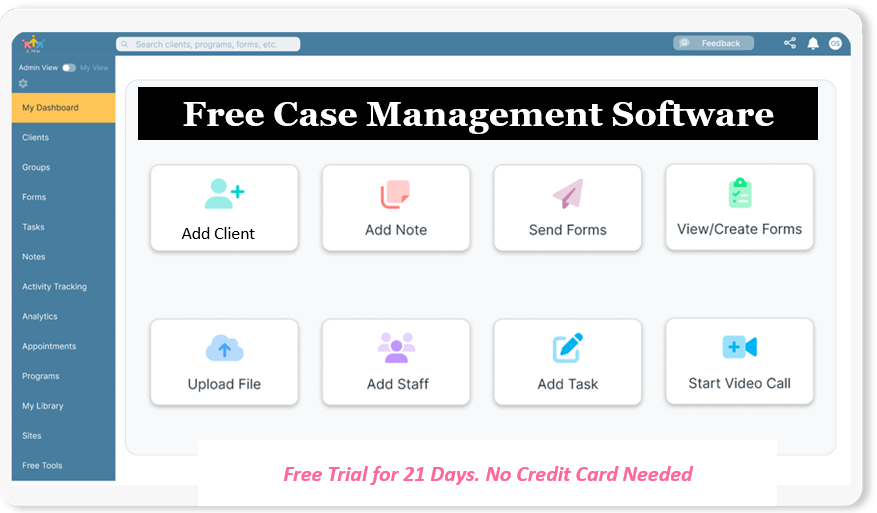
Which Veterinary Social Work Career Paths Align with Your Goals?
Professionals can deploy their skills across multiple dynamic settings:
- Veterinary Clinic Grief Counselor: Operates inside specialty emergency facilities to assist owners through traumatic decisions, sudden pet loss, anticipatory grief, and aftercare arrangements.
- Animal Shelter Social Work Programs: Supports shelter staff handling high intake volumes, works with pet owners experiencing housing insecurity, and manages community crisis intervention.
- Animal-Assisted Intervention Progress Tracking Clinician: Integrates trained animals into goal-oriented psychotherapy for trauma recovery, neurodivergence, or pediatric therapy, tracking tangible client goals.
- Veterinary Crisis Intervention Specialist: Mediates contentious patient-care discussions, intervenes during client distress in emergency lobbies, and de-escalates high-conflict interactions.
Choosing between an internal staff role and an external independent consultant model requires analyzing your operational preferences:
- Internal Embedded Staff Role: Offers stable salary compensation, immersive relationship building with hospital medical staff, and immediate access during acute crises. It requires continuous boundary maintenance to avoid taking on secondary trauma from the clinical team.
- Independent External Consultant: Provides complete autonomy over your schedule, billing independence, and broader work variety across different clinics. It requires self-managed business infrastructure, marketing, and self-directed health benefits.
What Clinical Protocols Are Essential for Daily Practice?
A veterinary social work workflow blends traditional clinical interventions with urgent animal-health environments.
Animal Hospice and Palliative Care Counseling
When a companion animal enters end-of-life care, owners experience anticipatory grief, cognitive overload, and profound moral distress. Social workers lead quality-of-life assessments, facilitate family conferences, and guide clients through the difficult practicalities of humane euthanasia.
Navigating Pet Bereavement and Disenfranchised Grief
Society often minimizes pet loss as secondary to human loss. Social workers provide a non-judgmental container for this disenfranchised grief, validating the depth of the companion bond through structured individual sessions and support groups.
Implementing Compassion Fatigue Support Systems
Veterinarians and technicians regularly absorb secondary traumatic stress from animal suffering, owner conflicts, and economic euthanasia decisions. Social workers conduct structured debriefing sessions, organize wellness check-ins, and help establish sustainable operational boundaries across clinical shifts.
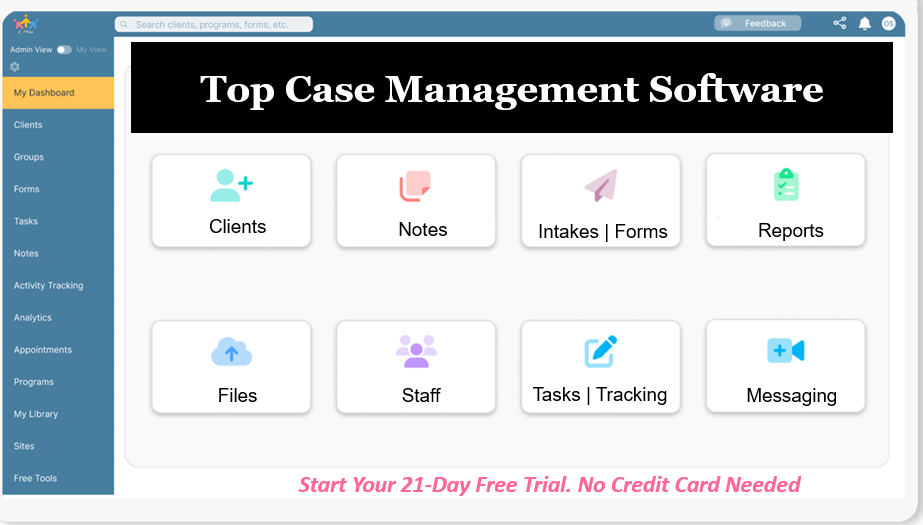
Do You Have a Team? Our best all-in-one client and top case management software simplifies everything from client intake and assessments to programs, projects, goals tracking, planning, scheduling, documentation, reporting dashboard, and progress tracking.All-in-One Case Management Software
Sign Up Today, Free
No credit card needed!
What Operational Tools Do You Need to Manage Clients and Data?
Balancing high-volume caseloads in fast-paced veterinary and human service environments demands organized administrative workflows. Trying to manage appointments, clinical notes, and documentation across scattered spreadsheets risks administrative failure and HIPAA/HITECH boundary issues.
Practitioners require purpose-built case management systems tailored for mental health and social service tracking. Essential operational considerations include:
- Veterinary Social Work Intake Forms: Gathering human client information alongside detailed pet history, household dynamics, and referral veterinary clinical data.
- Pet Bereavement Therapy Notes Software: Recording longitudinal grief processing, crisis risk screens, and psychosocial assessments within encrypted databases.
- Veterinary Social Work Scheduling and Billing: Coordinating telehealth visits, hospital-based consults, and invoicing for client sessions or corporate clinic retention retainers.
- Veterinary Social Work Documentation Templates: Accessing standardized formats for crisis de-escalation, suicide prevention documentation, and interagency welfare reporting.
- Veterinary Social Work Telehealth Platform: Providing secure, remote consultation for owners unable to leave their homes or those located in rural areas without specialized pet bereavement resources.

People Also Ask
What degree do I need to become a veterinary social worker?
You typically need a Master of Social Work (MSW) degree from an accredited institution. While BSW graduates can perform community animal advocacy and shelter support, clinical counseling and diagnostic services require a graduate clinical degree and state licensure (LMSW or LCSW).
Can veterinary social workers practice therapy with animals present?
Yes, provided they possess clinical mental health licensure and appropriate training in animal-assisted therapy protocols. The clinician must ensure the animal has undergone temperament evaluation, health screening, and behavioral testing to protect the safety and wellbeing of both client and animal.
How do veterinary clinics fund the salary of a veterinary social worker?
Clinics fund positions through hospital operational budgets, community foundation grants, private philanthropy, or by billing clients for specialized counseling and pet bereavement consultations. Many practices fund the position directly because it reduces veterinarian turnover and frees medical staff to focus on clinical procedures.
What is the difference between a veterinary social worker and a pet bereavement counselor?
A pet bereavement counselor concentrates exclusively on grief and end-of-life support for companion animal owners. A veterinary social worker addresses pet bereavement alongside the link between human-animal violence, animal-assisted interventions, crisis de-escalation, and compassion fatigue support for hospital medical staff.
Does HIPAA apply to veterinary social work documentation?
Veterinary medical records for animals fall under state veterinary practice acts, not HIPAA. However, personal health information collected from human clients during counseling, crisis assessment, or therapy falls under professional mental health privacy laws, state social work licensing board rules, and HIPAA requirements. Separate, secure human client files must be maintained.
Can a licensed veterinary technician become a veterinary social worker?
Yes, many veterinary technicians transition into social work. A technician must earn a social work degree (BSW and MSW) to provide clinical assessment and therapy, but their clinical veterinary background gives them an immediate advantage in understanding medical culture and compassion fatigue.
Simplify Your Practice with Purpose-Built Case Management
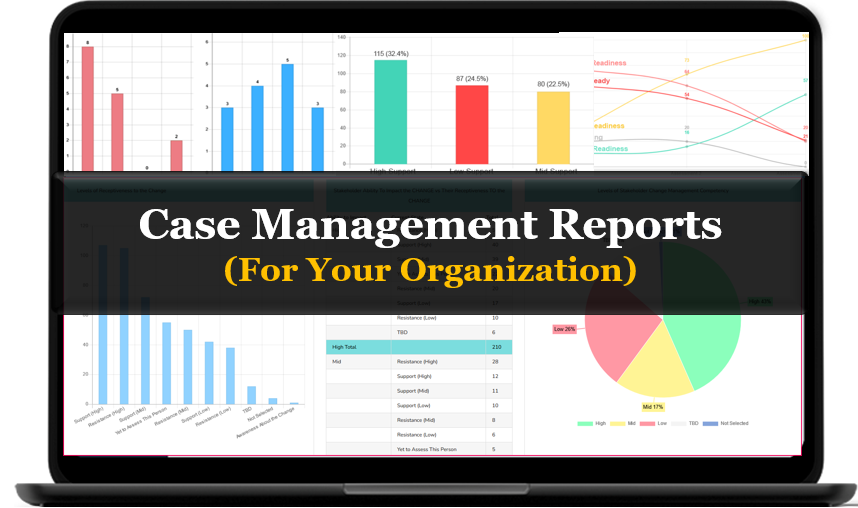
Launching and expanding your practice requires reliable administrative systems so you can spend your time supporting clients rather than wrestling with administrative tasks. The all-in-one Case Management Hub software brings client intakes, progress tracking, customizable assessment templates, and secure documentation into a single cloud-based hub. You can coordinate your appointment calendar, record progress notes, track client goals, and generate comprehensive reports seamlessly.
See how easy it is to Create, Edit, and Send a form in Case Management Hub (Quick tip: These same steps work for any of our built in form templates):
Step 1:
From the sidebar, click on the Forms module, search for Basic Intake Form, then click the title to open it.
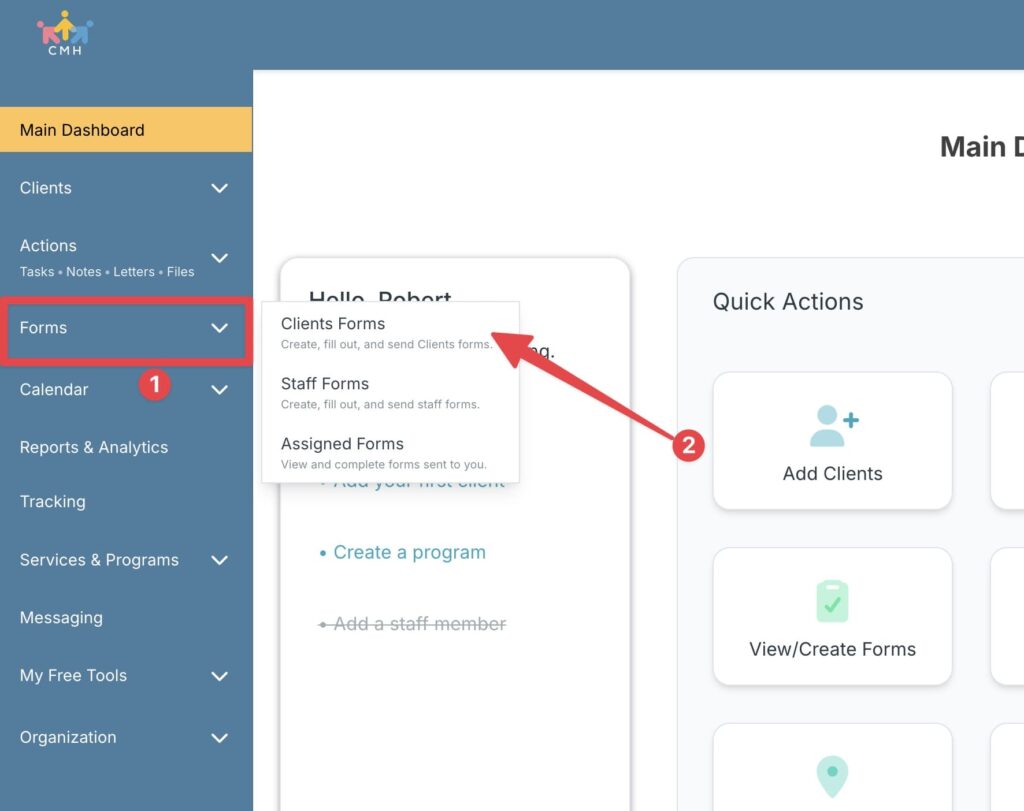
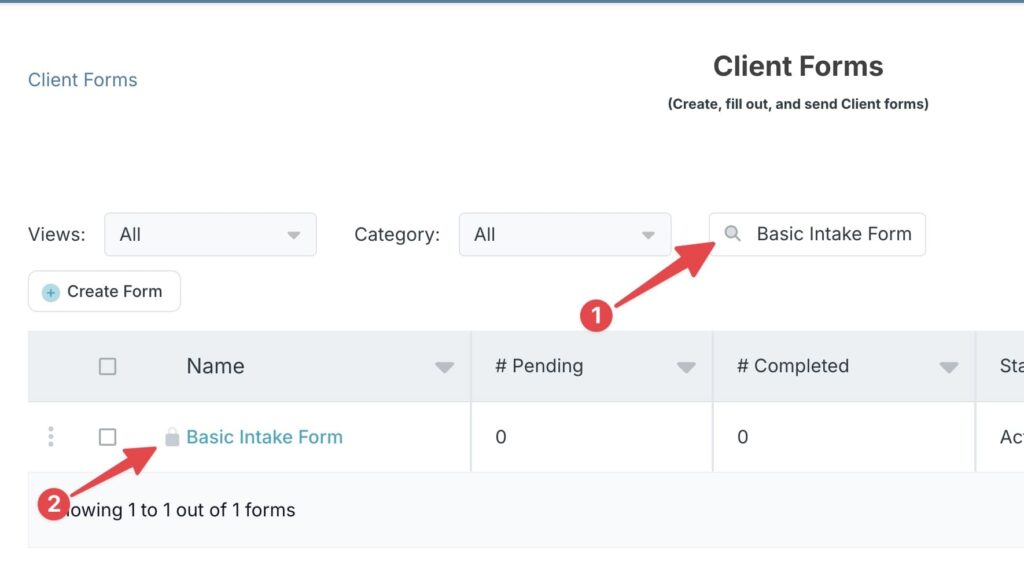
Tip: Forms with a padlock are master templates provided by Case Management Hub to help you get started. You can easily customize these to make them your own.
Step 2:
Click Edit Template to start customizing the form to your needs. Once done, click Save.
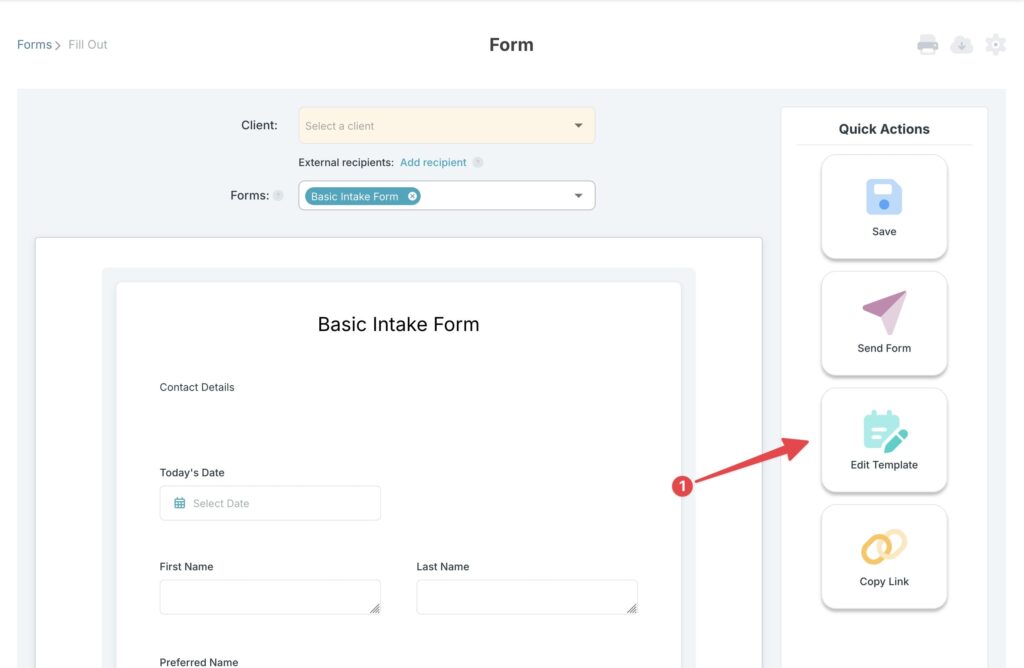
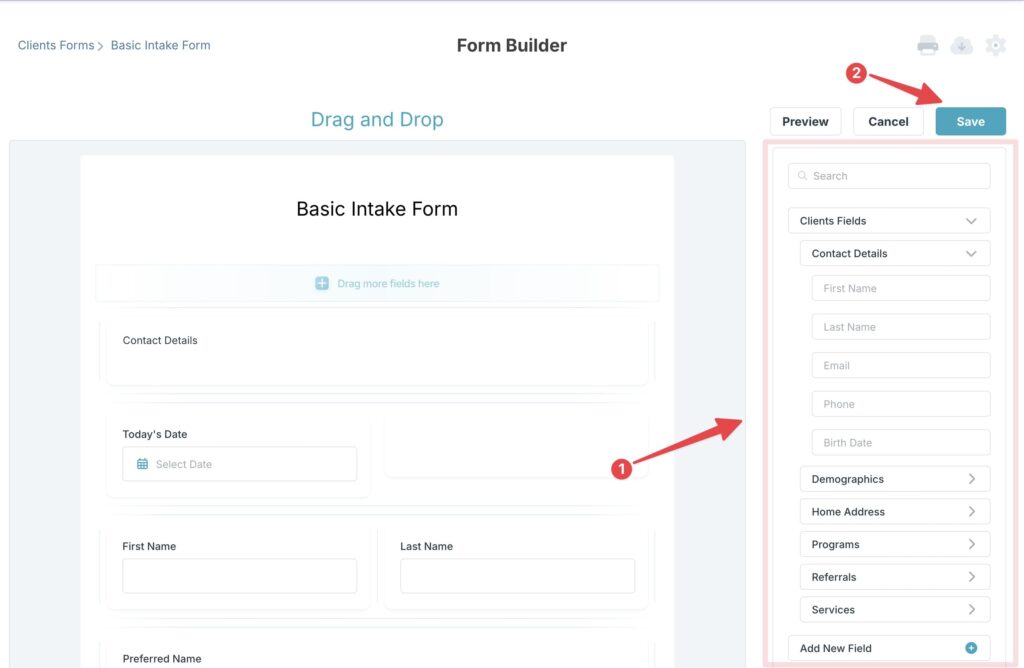
Tip: You can add new form fields using the right sidebar. Just drag them straight into your form.
Step 3:
Select a client to start filling out the form on their behalf. Once done, click Save.
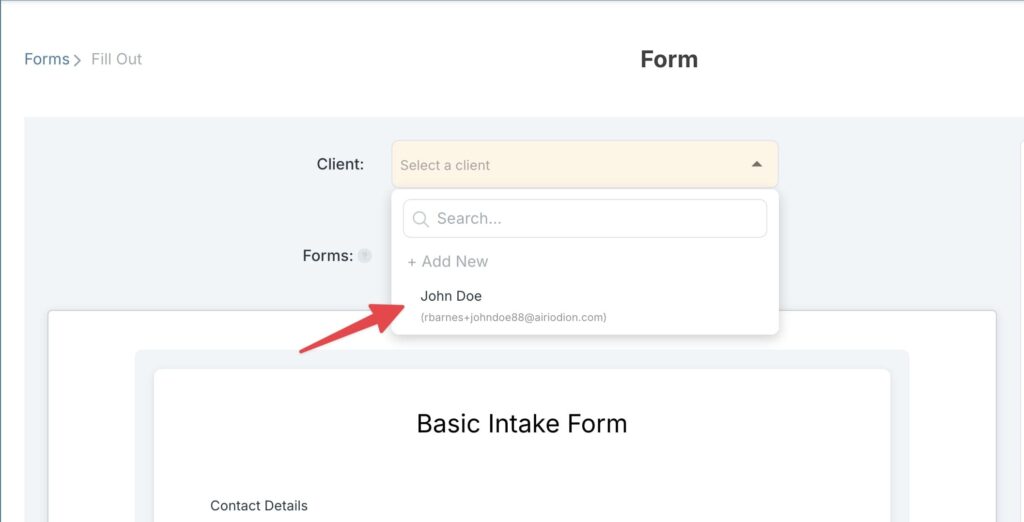
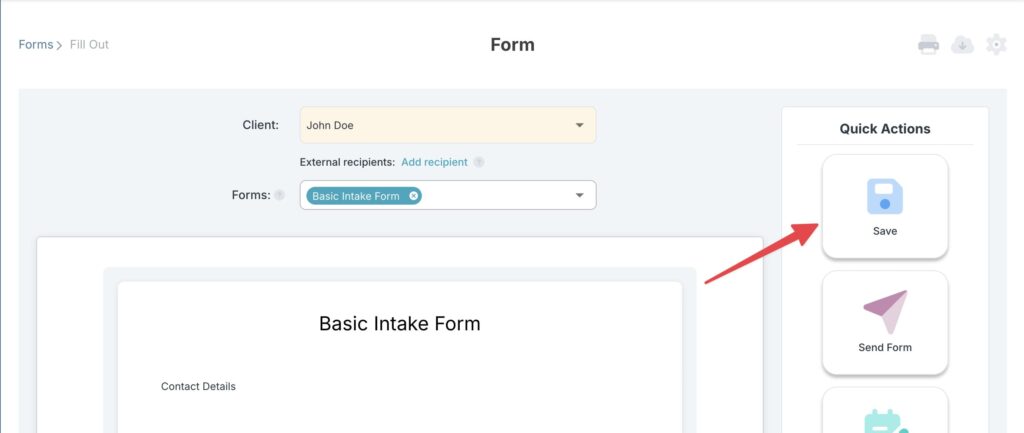
Tip: No need to re‑type your client’s data, it magically fills in the form for you, saving you time.
Step 4:
Or to send the form directly to a client, click Send Form, then select the clients. When you’re ready click Send.
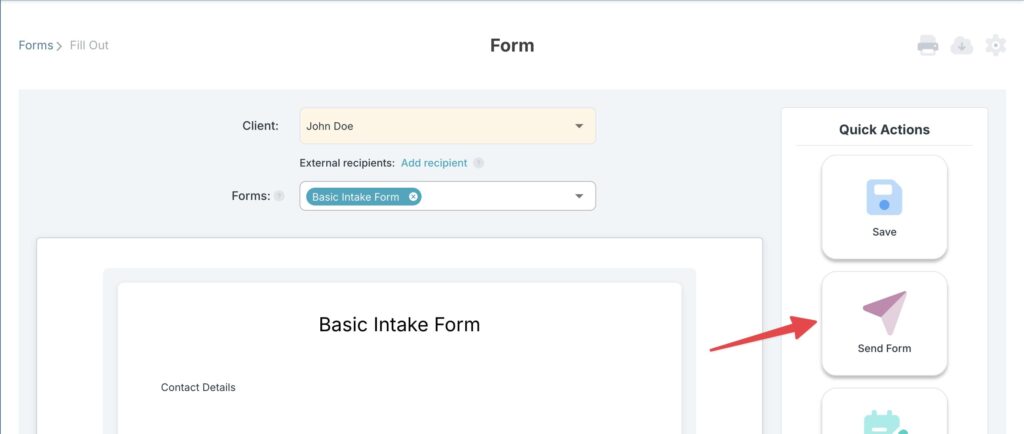
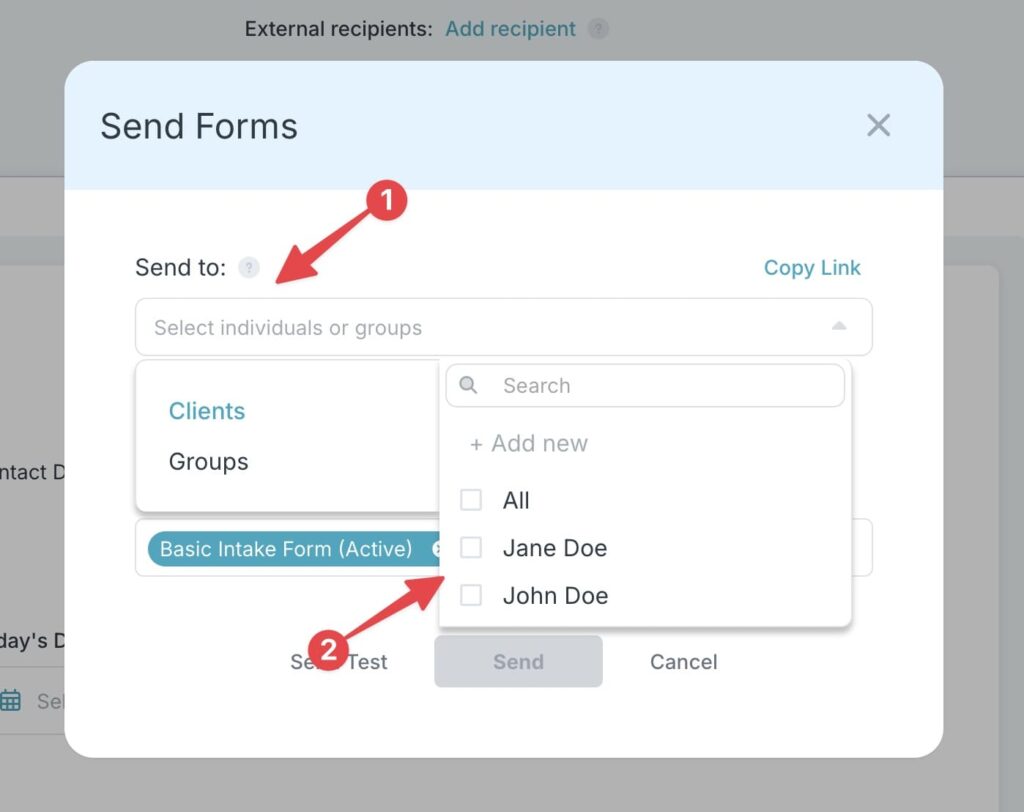
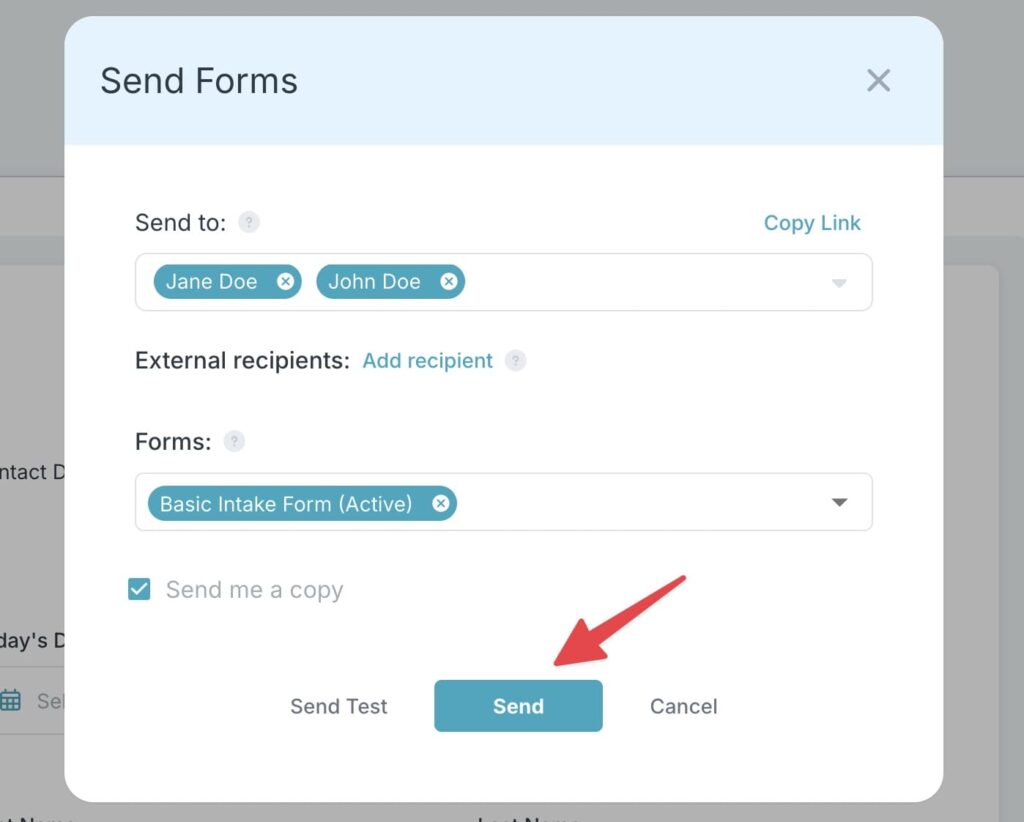
Tip: You can send the form to clients that are not yet part of Case Management Hub (External recipients) by clicking “Add recipient” and filling out their email, first name, and last name.
Step 5:
Create a public link for your form so you can easily share it with anyone. Just click Copy Link to publish your online form.
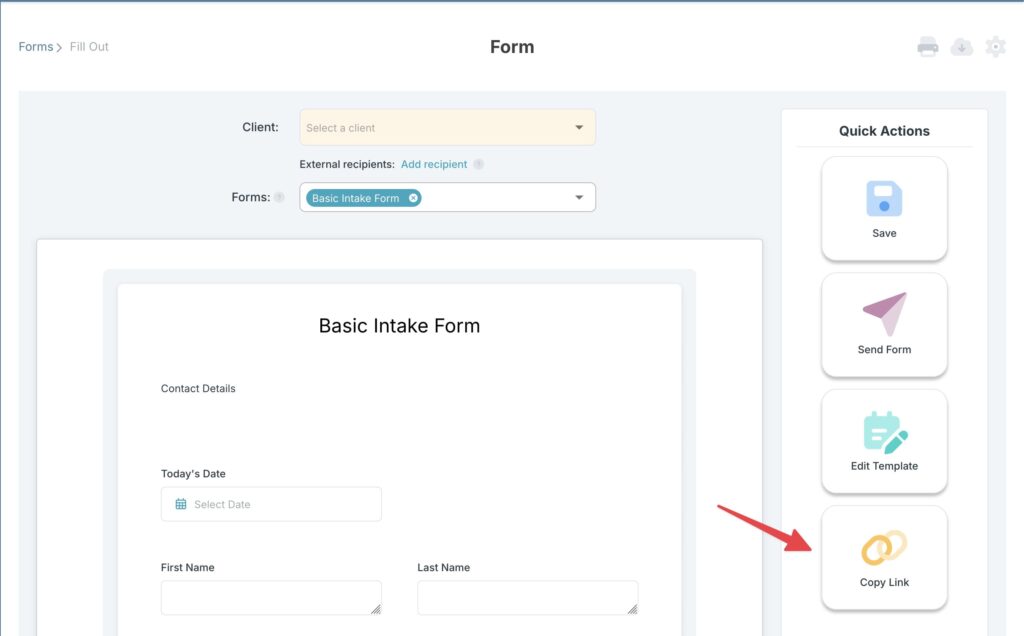
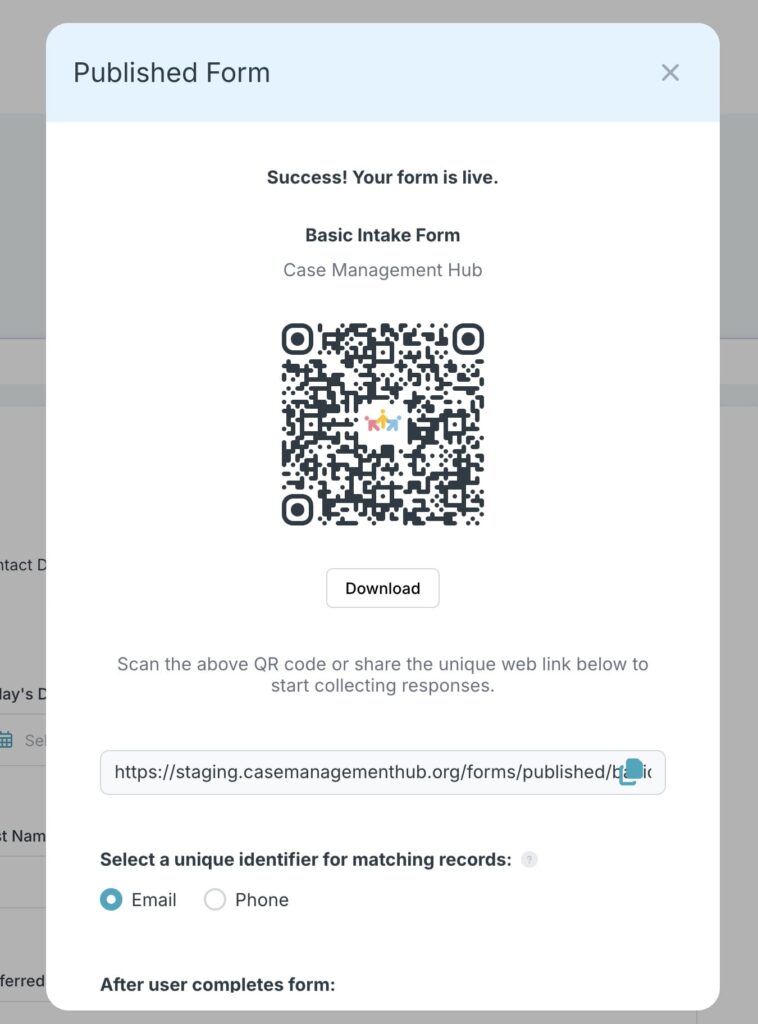
Tip: A link will automatically be created for you but you can always edit this and other form settings even after creating the online form. Just click on the gear icon in the top right corner of the form page to bring up the form settings.
Sign up for a free 21-day trial today with no credit card required, and experience how streamlined case management empowers your clinical mission.
Frequently Asked Questions
Are veterinary social work roles restricted to academic teaching hospitals?
No. While university teaching hospitals pioneered embedded positions, private specialty practices, emergency trauma centers, humane societies, and independent counseling clinics increasingly hire veterinary social workers.
How do I document animal-assisted interventions accurately?
Documentation should record the specific therapeutic goal, the active role of the therapy animal, the client's behavioral response, and ongoing assessments of animal welfare and stress indicators during the session.
What legal responsibilities exist regarding animal abuse reporting?
Mandated reporting laws for animal cruelty vary by jurisdiction. In many states, human social workers who identify animal abuse must report it to animal welfare authorities, particularly because of the established correlation between animal abuse, domestic violence, and child endangerment.
Can I run pet loss support groups online across state lines?
Clinical mental health therapy across state lines requires licensure in the state where the client resides. Non-clinical peer support groups generally face fewer geographical restrictions, but running therapeutic counseling requires strict adherence to your state social work licensing board's interstate telehealth regulations.
How do I protect my own mental health while managing compassion fatigue in clinics?
Practitioners must establish firm clinical boundaries, participate in regular peer consultation, schedule mandatory decompression intervals, and maintain independent clinical supervision outside the veterinary hospital environment.
What software features are critical for a private veterinary social work consultancy?
Look for platforms providing customizable intake forms, encrypted file storage, multi-client scheduling, timekeeping, client outcome metrics, and automated billing workflows to keep administrative overhead low.
👉 Try it free today - No credit card needed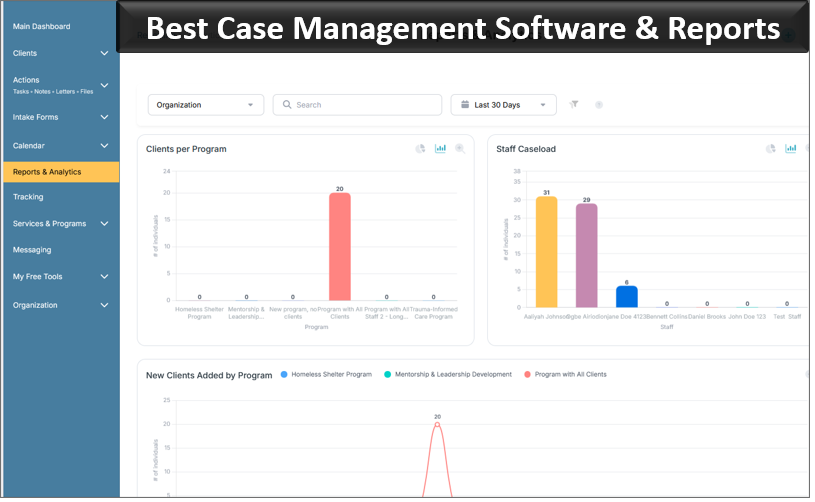
Note: Content on this website (socialworkportal.com) is copyrighted and protected under applicable copyright laws. Unauthorized reproduction, distribution, or use of any content from the website, without explicit written permission, is strictly prohibited. Read: Terms of Use.
Social Work Portal Disclaimer: Social Work Portal is not a social work agency and we do not refer social workers. This web site is provided for educational and informational purposes only and does not constitute providing medical advice or professional social and healthcare services. The information provided should not be used for diagnosing or treating a health problem or disease, and those seeking personal medical advice should consult with ... Read our full disclaimer here: Social Work Portal Disclaimer.