Balancing Clinical Rigor and Empathetic Care to Drive Measurable Client Outcomes
For dedicated human services professionals, the ultimate goal is always the same: helping clients build stable, thriving lives. Whether you are an LCSW navigating a complex private practice, a child protective services worker making high-stakes safety decisions, or a supervisor in social services managing a heavy departmental load, the pressure to deliver results is immense.
Historically, practitioners relied on intuition or agency traditions. However, today’s landscape requires a more rigorous framework: evidence-based practice in social work (EBP).
EBP is a validated scientific approach that integrates the best available research with clinical expertise and individual client values. Navigating this methodology can feel overwhelming, especially when managing high caseloads and navigating the social work research-to-practice gap. Bridging this gap is not about replacing your clinical intuition; it is about enhancing your daily care with proven strategies.
Let’s get started
Watch this video:
or
read the guide below.
What You Will Learn in This Guide
- The core foundation of evidence-based practice in case management
- A structured, step-by-step workflow for integrating EBP into your daily schedule
- Practical techniques for tracking client goals and progress objectively
- Documentation strategies that protect compliance while demonstrating effectiveness
- How to balance research data with individual client preferences and systemic limitations
- Strategic decision-making factors for modern human services teams
💡All-in-one Case Management Software.
Everything in one place: clients, notes, forms, appointments, reports, and outcomes.
👉 Try it Free - No credit card needed
What is Evidence-Based Practice in Social Work?
To implement EBP effectively, it helps to understand its modern landscape. Social work research published in peer-reviewed journals reveals diverse adoption levels across the profession.
According to a comprehensive scoping review published in the Journal of Evidence-Based Social Work, while up to 86% of surveyed social workers express a strong commitment to integrating research, a separate study within the same review highlighted that roughly 46.4% of participants actually engage in EBP consistently at a structured level due to systematic barriers like high caseloads and a lack of organizational resources.
True evidence-based case management is a three-pronged framework rather than a rigid set of rules:
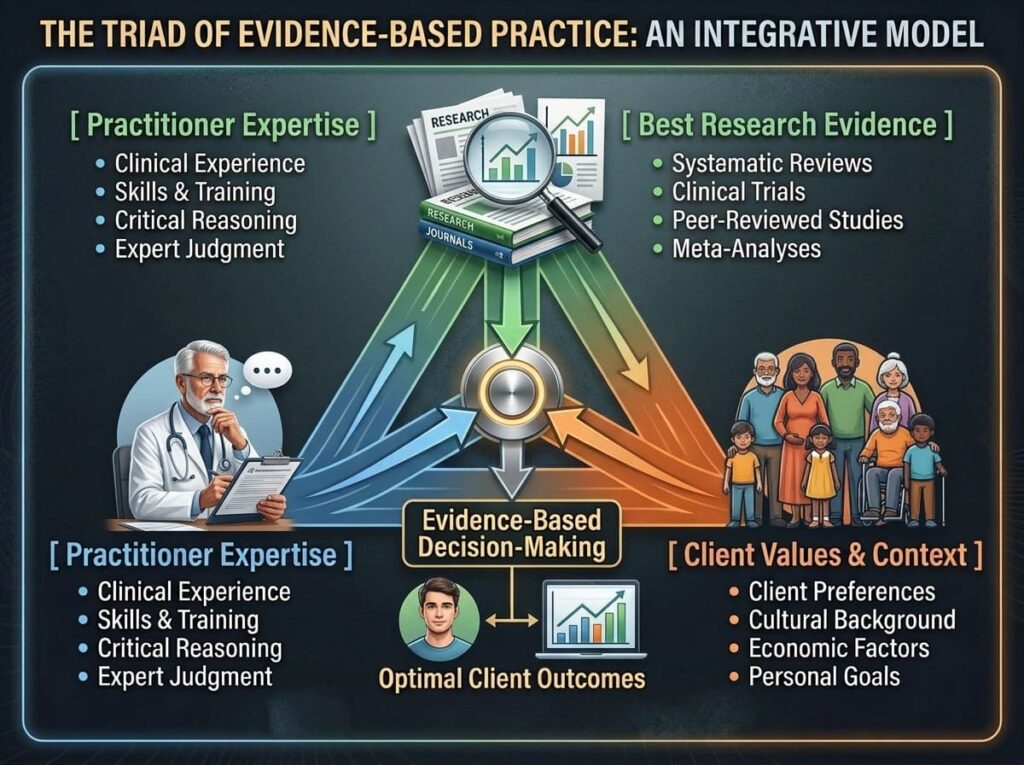
When you conduct evidence-based intakes and assessments, you do not look at the data in isolation. Instead, you look at what the scientific literature says works best for a specific challenge, overlay your professional expertise, and filter it all through the unique goals, culture, and environmental realities of the individual sitting across from you.
What are the Practical EBP Implementation Steps for Case Managers?
Transitioning from abstract research to daily application requires a systematic approach. Utilizing a reliable evidence-based case management workflow ensures that your team remains consistent, ethical, and highly effective.
1.Formulate the Clinical Question: Intake Phase.
Convert your client’s primary challenge into a clear, answerable question. Specify the population, the intervention you are considering, and the specific result you want to achieve.
2.Gather Data-Driven Social Work Interventions: Research Phase.
Search reputable repositories like the Cochrane Reviews, Campbell Collaboration, or SAMHSA’s Evidence-Based Practices Resource Center. Focus on peer-reviewed meta-analyses that demonstrate high efficacy rates.
3.Critically Appraise the Research: Evaluation Phase.
Evaluate the validity and applicability of the data. Determine if the study’s demographic matches your client’s background and if your agency has the physical resources to execute the intervention correctly.
4.Integrate Client Context and Preferences: Collaborative Alignment.
Present the proven options to your client. Discuss their comfort level, cultural preferences, and any structural barriers—such as transportation limits or work schedules—that could impact compliance.
5.Apply the Intervention and Monitor: Execution Phase.
Launch the chosen strategy while systematically tracking client goals and progress. Utilize standardized clinical measures at regular intervals to determine if the client is improving.
👉 Try it Free - Free Case Management System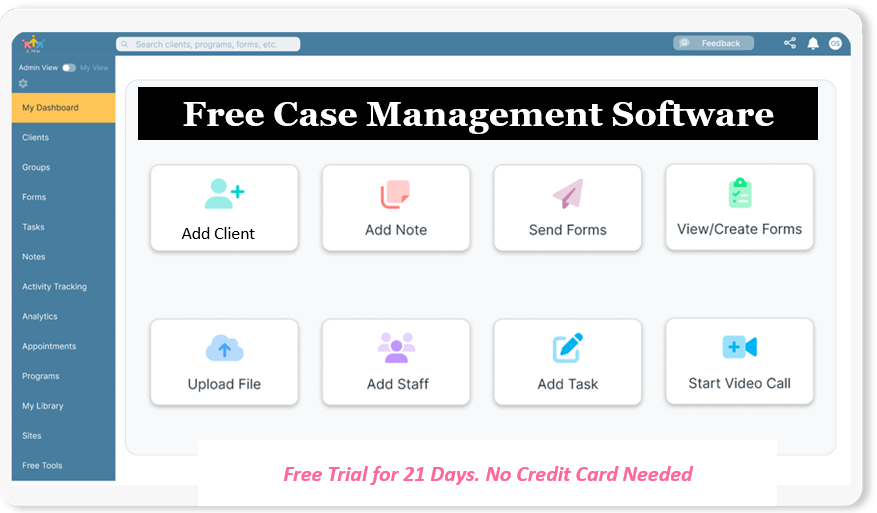
How Can Teams Effectively Track Client Goals and Progress?
The defining marker of EBP is accountability. Frontline staff must shift away from vague, subjective case notes (“Client appears to be doing better”) and move toward measurable client outcomes in human services.
This transition relies on a combination of standardized assessment scores, behavioral milestones, and self-reported client metrics. By establishing baseline data during the initial intake, you create an objective point of comparison for future reviews.
| Element | Traditional Case Management | Evidence-Based Case Management |
| Assessment Approach | Unstructured conversations and open-ended notes | Standardized tools combined with clinical interviews |
| Goal Setting | Broad, generalized statements (“Improve stability”) | SMART goals linked to specific behavioral metrics |
| Progress Tracking | Subjective updates based on practitioner impressions | Regular intervals of data collection and standardized scales |
| Intervention Choice | Practitioner habit or historical agency preference | Selection from validated, peer-reviewed clinical repositories |
| Funder Reporting | Qualitative narratives and output numbers (sessions held) | Quantitative data showcasing true reduction in clinical symptoms |
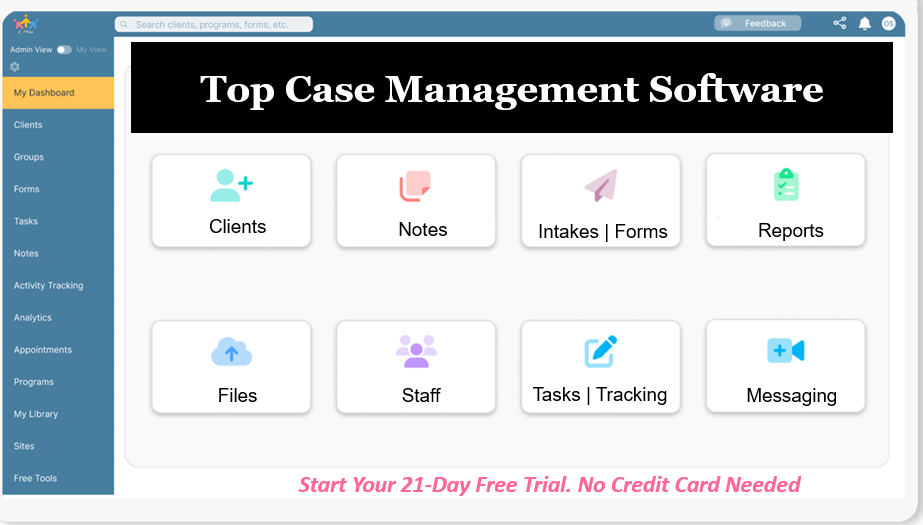
Do You Have a Team? Our best all-in-one client and top case management software simplifies everything from client intake and assessments to programs, projects, goals tracking, planning, scheduling, documentation, reporting dashboard, and progress tracking.All-in-One Case Management Software
Sign Up Today, Free
No credit card needed!
What are the Essential Decision-Making Factors for Social Services Supervisors?
Implementing EBP successfully across an entire agency requires strong leadership and strategic administrative foresight. When analyzing your team’s readiness for improving client outcomes with evidence-based practice, supervisors must balance several user and systemic considerations:
- Time Constraints: High caseloads often prevent staff from searching academic databases. Providing condensed clinical summaries can alleviate this burden.
- Technological Access: Teams need centralized infrastructure to share research, coordinate care, and access templates seamlessly.
- Funder Alignment: Modern grants increasingly demand hard data. Shifting to an evidence-based framework directly supports your agency’s financial sustainability.

People Also Ask
What is the primary goal of evidence-based practice in social work?
The primary goal is to optimize the quality and effectiveness of care by ensuring that client interventions are backed by valid empirical research, professional clinical judgment, and client values.
How do case managers find time to research EBPs?
Case managers can save time by utilizing curated evidence-based clearinghouses, participating in structured agency training, and utilizing centralized software platforms that store pre-approved clinical intervention protocols.
Can EBP be applied to macro social work and administration?
Yes. Macro practitioners and social service administrators utilize EBP to design community programs, optimize agency resource allocation, and analyze systemic public health data to drive large-scale social policy changes.
What is the difference between an evidence-based practice and a promising practice?
An evidence-based practice has undergone multiple rigorous, independent randomized controlled trials demonstrating statistical efficacy. A promising practice shows positive preliminary outcomes but requires further empirical research to achieve full validation.
How does client preference influence evidence-based case management?
Client preference serves as a primary pillar of EBP. If a client rejects a validated intervention due to cultural beliefs, personal values, or financial limitations, the practitioner must adapt the care plan to find an ethical, mutually acceptable alternative.
Why do some practitioners resist evidence-based practice?
Resistance often stems from a misconception that EBP eliminates clinical creativity, a lack of formal training, limited access to academic journals, or overwhelming administrative workloads that leave little room for continuing education.
Optimize Your Evidence-Based Practice Workflows
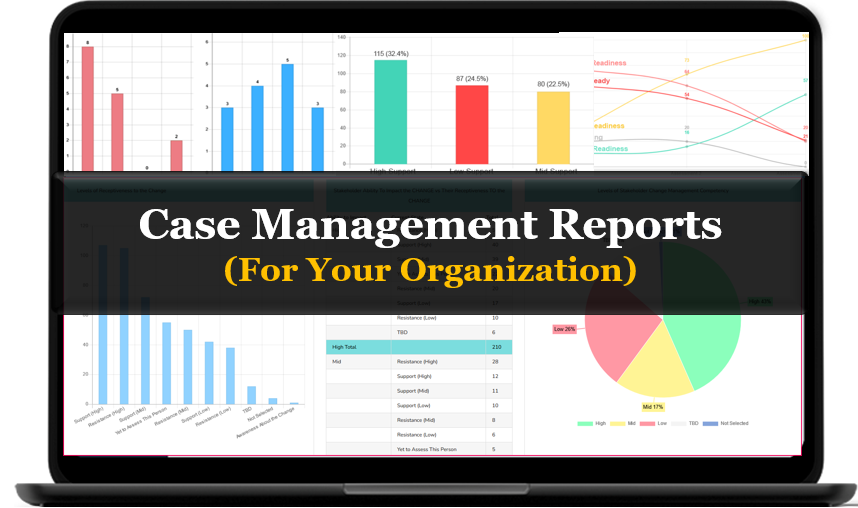
Implementing evidence-based practice requires the right tools to handle the logistical details. Case Management Hub is a comprehensive, purpose-built case management system designed explicitly for human services professionals.
The platform provides a secure environment to manage client records, schedule appointments, and coordinate workflows without administrative headaches. With features like customizable digital intake forms, pre-built clinical note templates, and robust reporting systems, your team can track client outcomes smoothly and remain fully compliant.
To track clients per program, live staff caseloads, demographic equity, and aggregated form data all from a single, centralized dashboard:
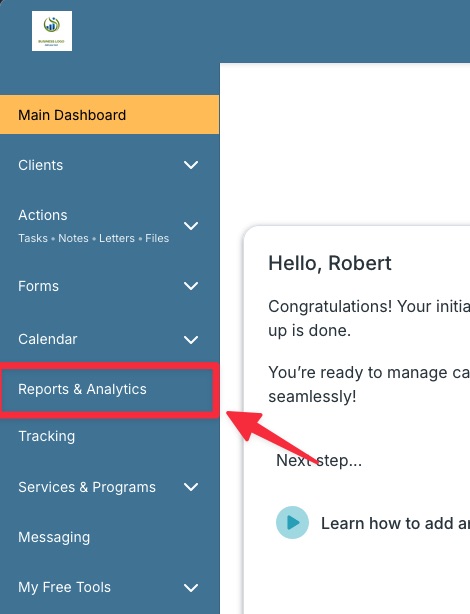
Step 1:
Navigate to the Reports & Analytics module from the sidebar.
Step 2:
Select whether you want view reports on: Organization (reports on clients per program, staff caseload, etc.) Demographics (reports on race, ethnicity, gender, marital status, etc.) Forms, or Goals.
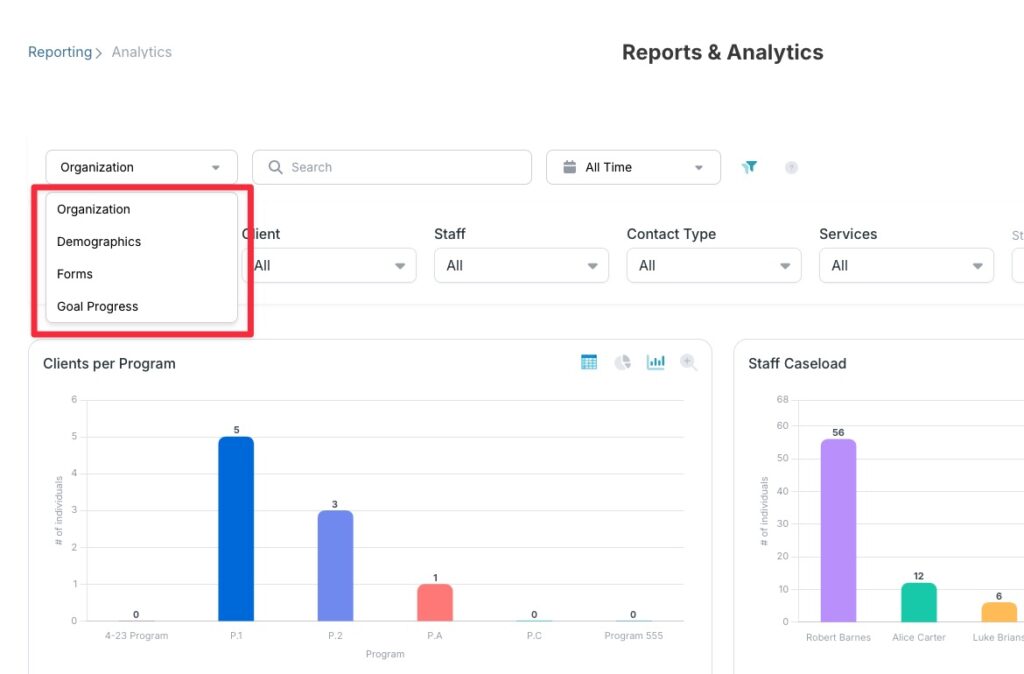
Tip: Reports can be filtered by date as well as other data such as program, client, staff, and much more.
Step 3:
Dig deeper into report details by clicking the magnifying glass. From the detailed popup you can export the graph and the data table.
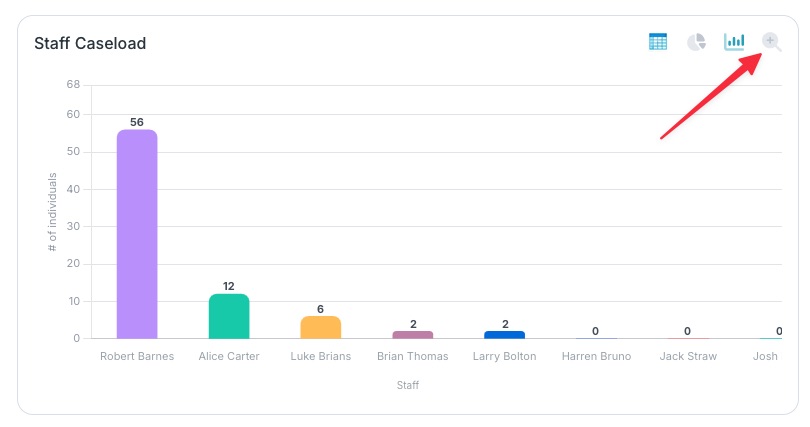
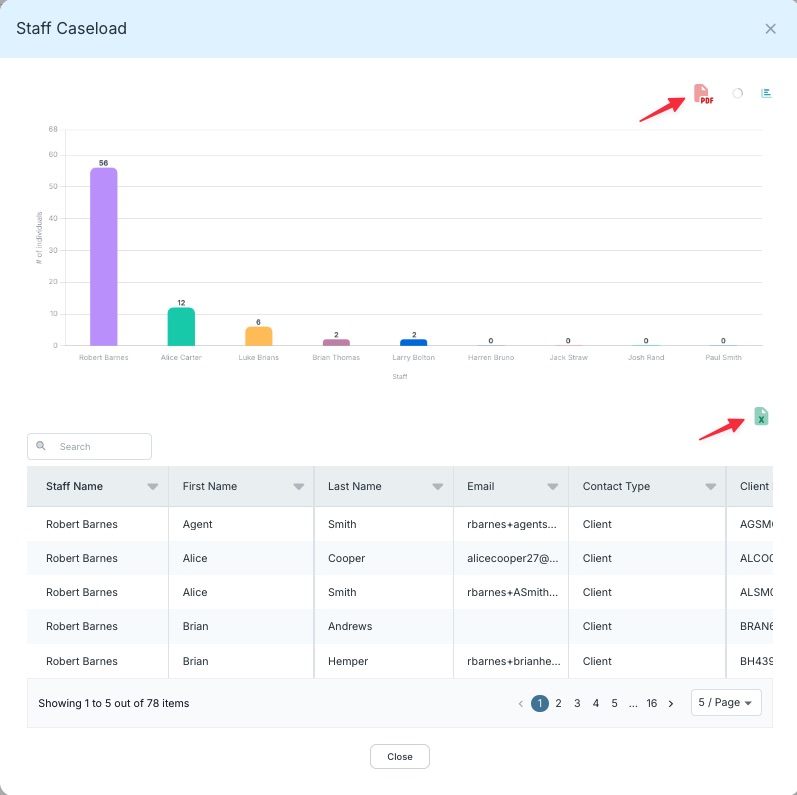
Tip: Graph reports can be viewed in either a bar or a pie chart for a better visual look.
Step 4:
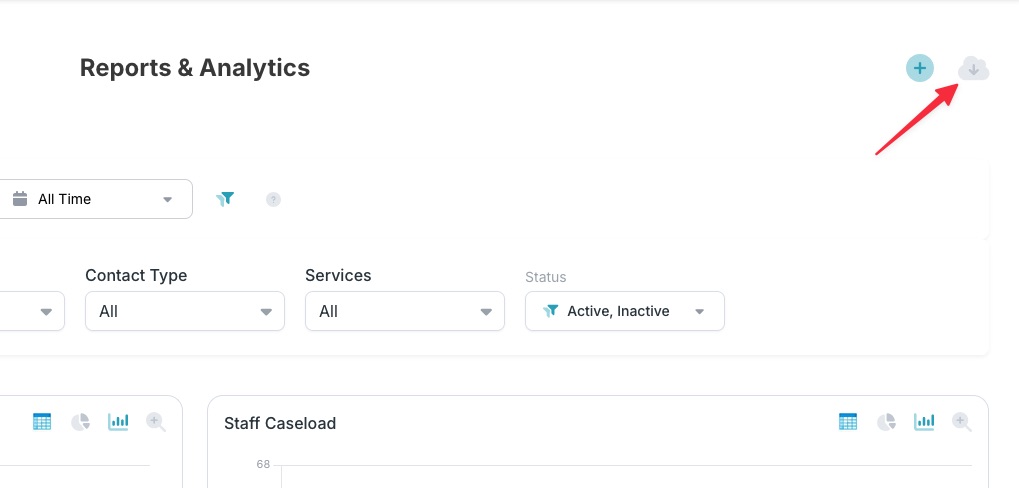
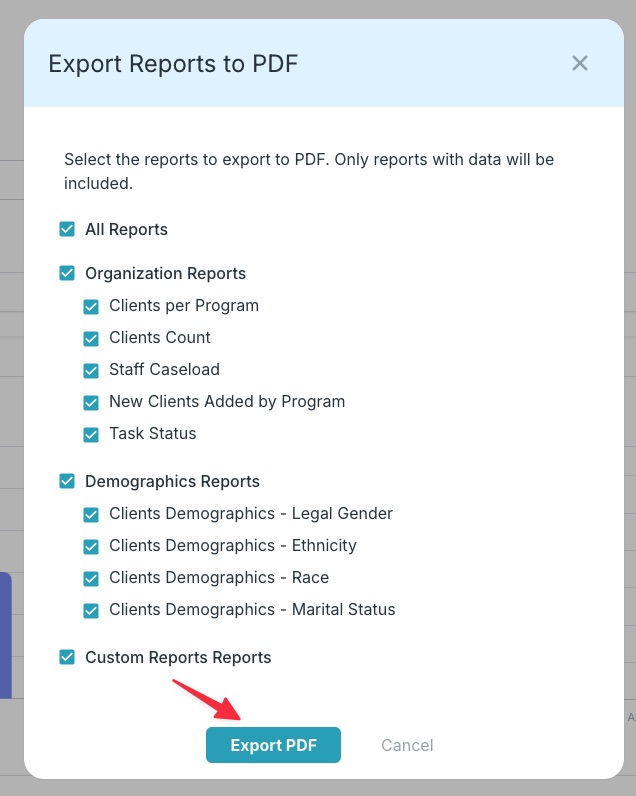
Export your entire dashboard or selected reports by clicking the cloud icon. When ready, click Export PDF.
Step 5:
Create a new custom report by clicking the plus icon and selecting from either client, staff, or program fields. Generate instantly a truly personalized report. Once done, click Create.
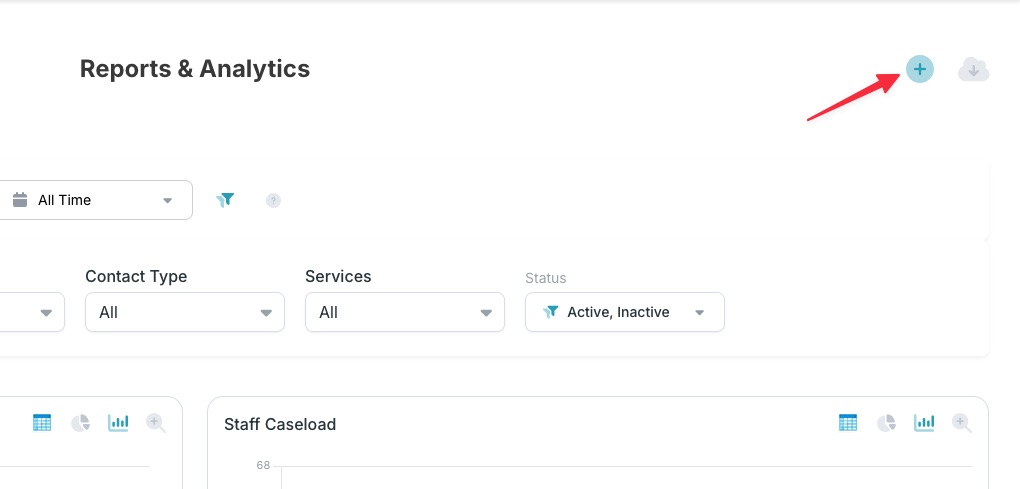
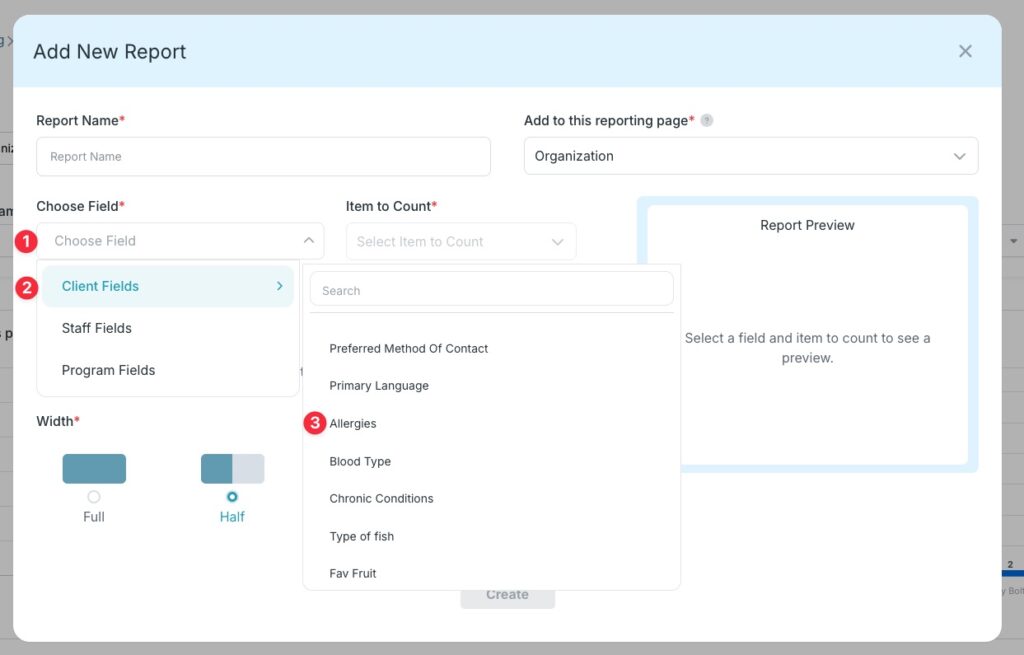
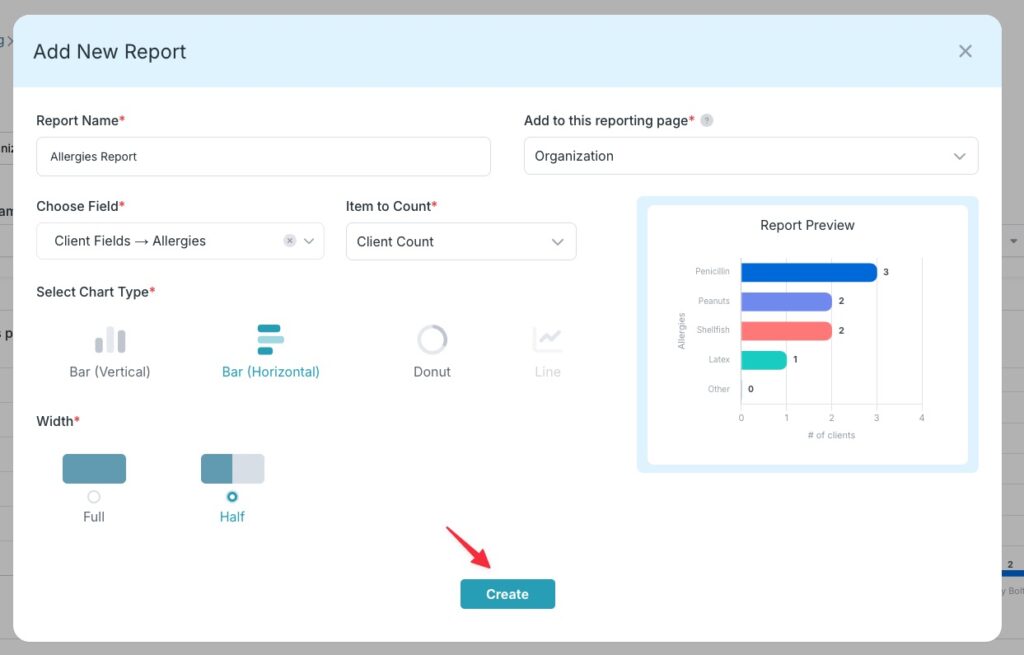
Tip: A report can also be created by selecting custom fields made on the client profile.
Ready to simplify your daily documentation and elevate your client care? Sign up for a free 21-day trial of Case Management Hub today, no credit card required.
Frequently Asked Questions
How does evidence-based practice reduce the social work research-to-practice gap?
It provides practical toolkits, translation guidelines, and structured implementation frameworks that make it easier for frontline clinicians to deploy academic findings during face-to-face client interactions.
What role does clinical documentation best practices play in EBP?
Accurate documentation ensures that interventions are delivered with fidelity, provides a legal record of data-driven care decisions, and captures the objective progress metrics required to prove an intervention's overall success.
How do digital intake forms for mental health clinicians support EBP?
They ensure that standardized risk screenings, demographic profiles, and baseline symptom check-lists are captured uniformly right at the start of care, preventing data gaps during the crucial intake phase.
Why is secure messaging for social workers vital when coordinating care?
It allows interdisciplinary teams to share real-time clinical updates, discuss adjustment strategies for interventions, and coordinate care plans securely without risking sensitive client health information.
What features define a high-quality all-in-one case management software?
A high-quality platform integrates client records, scheduling, secure communications, customizable assessment templates, automated outcomes tracking, and compliant billing workflows into a single centralized interface.
How does HIPAA-compliant data storage for human services protect agencies?
It safeguards sensitive client histories and clinical outcomes data from unauthorized access, ensuring the agency remains aligned with federal privacy laws while maintaining comprehensive longitudinal case files.
👉 Try it free today - No credit card needed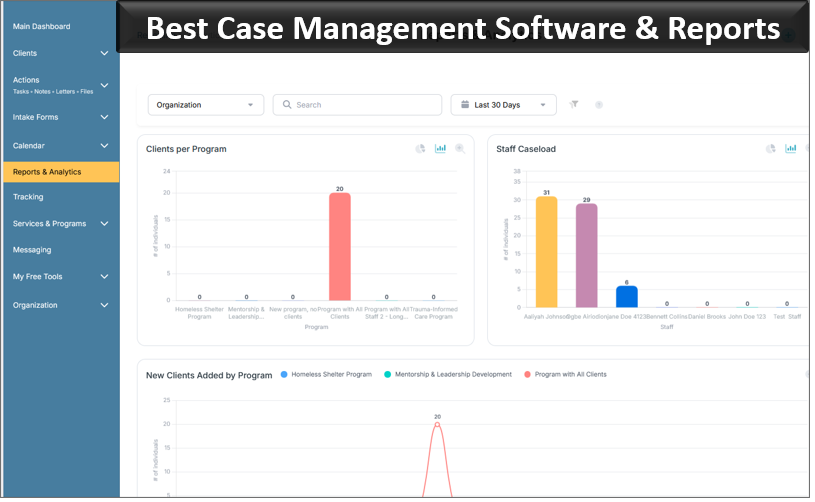
Note: Content on this website (socialworkportal.com) is copyrighted and protected under applicable copyright laws. Unauthorized reproduction, distribution, or use of any content from the website, without explicit written permission, is strictly prohibited. Read: Terms of Use.
Social Work Portal Disclaimer: Social Work Portal is not a social work agency and we do not refer social workers. This web site is provided for educational and informational purposes only and does not constitute providing medical advice or professional social and healthcare services. The information provided should not be used for diagnosing or treating a health problem or disease, and those seeking personal medical advice should consult with ... Read our full disclaimer here: Social Work Portal Disclaimer.