Optimizing Clinical Pathways and Care Coordination Software Solutions for Measurable Healthcare Outcomes
In an era where value-based reimbursement models govern clinical operations, healthcare organizations must prove their efficacy; research indicates that hospital systems utilizing robust tracking systems experience up to a 25% reduction in unnecessary readmissions.
According to the Centers for Medicare and Medicaid Services, structured program evaluation directly correlates with improved patient adherence and lower overall cost of care. Operationalizing these findings requires an objective, data-driven approach to analyzing internal workflows and clinical pathways.
Let’s get started
Watch this video:
or
read the guide below.
What We Will Cover
- Establishing a healthcare program evaluation framework
- Identifying case management key performance indicators
- Improving patient outcomes through structured evaluation
- Optimizing clinical workflow efficiency metrics
- Navigating value-based care reimbursement strategies
- Selecting clinical case management quality assurance standards
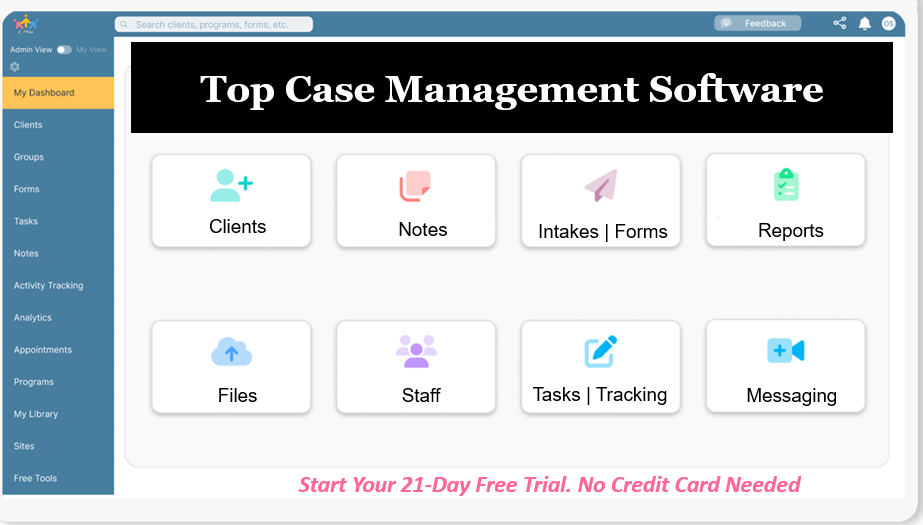
💡All-in-one Case Management Software.
Everything in one place: clients, notes, forms, appointments, reports, and outcomes.
👉 Try it Free - No credit card needed
Establishing a Rigorous Healthcare Program Evaluation Framework
Designing a systematic methodology for assessment is the first step toward clinical excellence. A comprehensive healthcare program evaluation framework provides the structural foundation required to audit processes, monitor staff utilization, and identify gaps in service delivery. Organizations must transition away from retrospective, subjective reviews and move toward real-time, objective data capture.
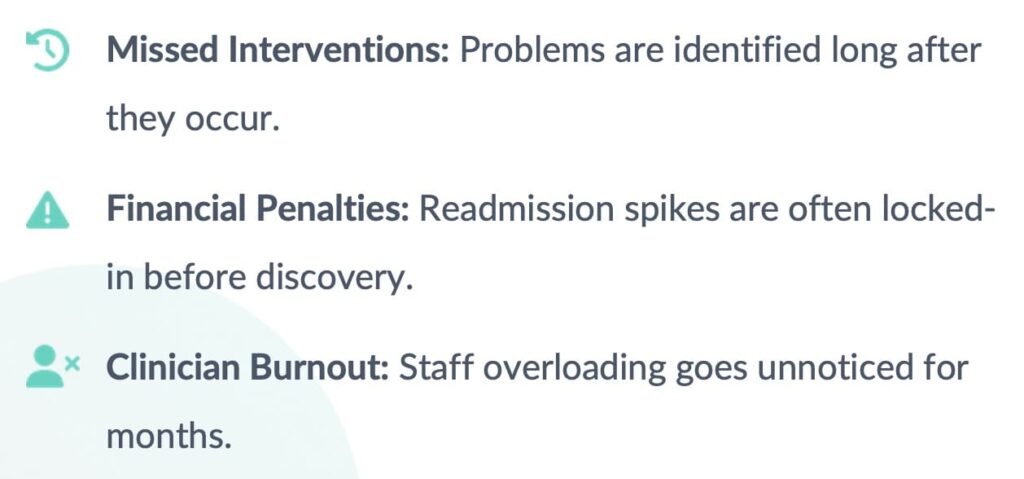
By defining clear parameters around how data is entered, processed, and analyzed, your practice can cultivate a culture of continuous quality improvement. This framework should touch every phase of the patient lifecycle, from initial intake and risk stratification to transitional care and long-term maintenance.
To implement this successfully, organizations must align their clinical activities with validated benchmarks. The National Committee for Quality Assurance provides specific guidelines that can serve as the backbone for your evaluation criteria, ensuring that your internal goals match broader industry expectations.
👉 Try it Free - Free Case Management System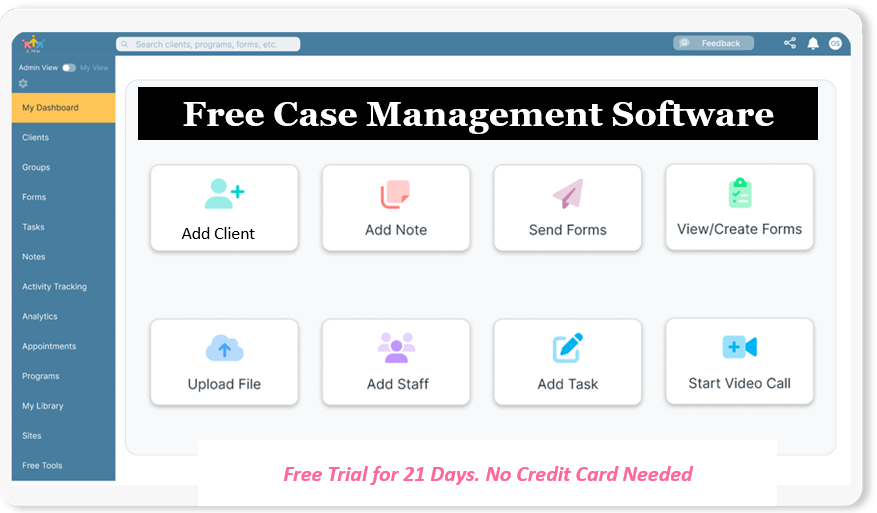
Key Components of an Evaluation Framework
| Evaluation Phase | Key Objective | Data Source |
| Formative Evaluation | Assess program feasibility and implementation progress | Staff interviews, workflow audits |
| Process Evaluation | Monitor fidelity to established clinical protocols | Electronic health records, system logs |
| Outcome Evaluation | Measure changes in health status and patient satisfaction | Post-discharge surveys, clinical labs |
| Impact Evaluation | Determine long-term system-wide changes and fiscal health | Claims data, annual financial audits |
Selecting Case Management Key Performance Indicators
You cannot manage what you do not measure, making the selection of case management key performance indicators a critical exercise for leadership teams. These metrics must span multiple domains, including operational efficiency, clinical quality, financial sustainability, and patient experience.
When choosing these metrics, it is vital to balance lagging indicators, such as ninety-day readmission totals, with leading indicators, such as the percentage of patients receiving a follow-up call within forty-eight hours of discharge. By compiling these metrics into a centralized dashboard, clinical directors can quickly identify outliers, allocate resources more effectively, and reward high-performing staff members.
Furthermore, integrating standardized measurement criteria prevents subjective bias from skewing performance reviews. According to the Commission for Case Manager Certification, standardized metrics ensure that care delivery remains equitable, safe, and aligned with national best practices.
Recommended Performance Metrics Matrix
| Metric Name | Dimension | Target Benchmark |
| Time to Initial Assessment | Operational | Under 2 hours from admission |
| Care Plan Adherence Rate | Clinical Quality | Over 85 percent compliance |
| Patient Satisfaction Score | Patient Experience | Over 90 percent positive feedback |
| Average Length of Stay | Financial | Aligned with DRG guidelines |
Improving Patient Outcomes Through Structured Evaluation
The ultimate goal of any clinical intervention is the preservation and improvement of human life. Focus must remain on improving patient outcomes through structured evaluation rather than relying on anecdotal success stories. By implementing standardized clinical assessment tools, practices can track incremental progress in physical functioning, mental health, and social well-being over time.
This structured approach is particularly crucial when addressing vulnerable populations with complex, chronic conditions. When care teams document status updates systematically, they can detect subtle signs of clinical deterioration before a crisis occurs. This proactive stance shift is what differentiates high-performing organizations from those focused solely on reactive, crisis-driven management.
According to a landmark study in the American Journal of Managed Care, integrated assessment protocols led to a 32% improvement in chronic disease self-management metrics over a twelve-month period. This proves that structured analysis is not just an administrative burden but a direct driver of clinical recovery.
Do You Have a Team? Our best all-in-one client and top case management software simplifies everything from client intake and assessments to programs, projects, goals tracking, planning, scheduling, documentation, reporting dashboard, and progress tracking.All-in-One Case Management Software
Sign Up Today, Free
No credit card needed!
Optimizing Clinical Workflow Efficiency Metrics
Administrative friction is a leading contributor to clinician burnout and operational waste. To combat this, leaders must analyze clinical workflow efficiency metrics to pinpoint bottlenecks in their daily operations. Common areas of friction include redundant documentation, clunky handoffs during patient care transition protocols, and prolonged verification delays for prior authorizations.
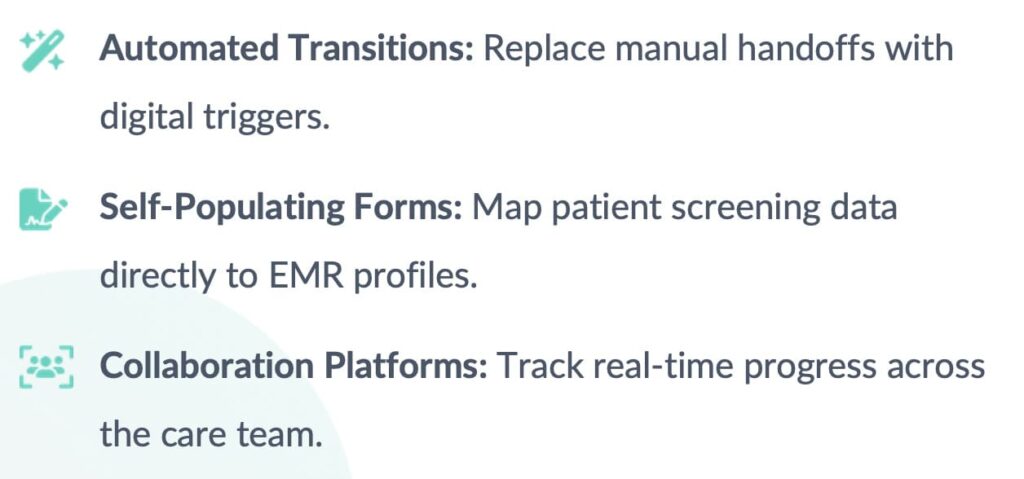
Measuring the exact time planners spend on non-clinical administrative tasks allows organizations to streamline workflows. Implementing care coordination software solutions can automate manual processes, freeing up valuable hours for direct patient interaction. This optimization directly impacts the bottom line by lowering clinician turnover and increasing the overall volume of patients a single coordinator can safely manage.
Workflow Bottleneck Analysis
| Operational Function | Common Bottleneck | Targeted Software Intervention |
| Patient Intake | Manual data entry from paper forms | Secure digital intake portals |
| Care Transitions | Missing documentation at discharge | Automated packet generation and delivery |
| Utilization Review | Manual back-and-forth with payers | Integrated compliance tracking portals |
Leveraging Value-Based Care Reimbursement Strategies
Transitioning from fee-for-service to risk-bearing payment programs requires a deep understanding of value-based care reimbursement strategies. Under these models, payers reward providers for the quality, rather than the quantity, of care delivered. Consequently, practices must prove their economic value by demonstrating high-quality achievements alongside reduced total cost of care.
An evaluation framework must track specific parameters tied to these incentive payments. For instance, participating in Medicare Shared Savings Programs requires meticulous reporting on quality measures ranging from preventive screenings to patient fall-risk assessments. Organizations without reliable measurement systems risk losing substantial incentive payments or facing financial penalties.
Implementing Case Management Quality Assurance Standards
To protect patient safety and maintain compliance, practices must establish clear case management quality assurance standards. These standards act as a protective barrier, keeping clinical activities aligned with state licensing boards, federal regulations, and professional code of ethics. Regular audits must be conducted to verify that records contain complete, accurate documentation regarding patient choice, advocacy, and consent.
By maintaining high audit scores, healthcare systems protect themselves from litigation, build trust with their community, and ensure they are always prepared for unexpected accreditation surveys. Investing in digital wellness architecture simplifies this process by enforcing compliance tracking in healthcare case management automatically at the point of care.

People Also Ask
What are the best digital health evaluation tools for clinical practices?
The best software tools prioritize interoperability, user adoption, and robust reporting engines. Leading options integrate directly with major electronic health records to minimize duplicate data entry while offering customizable dashboards for case management key performance indicators. Practices should look for systems that support real-time data visualization and automatic report generation for regulatory agencies.
How do modern systems assist in reducing hospital readmission rates?
Modern platforms help in reducing hospital readmission rates by automating patient care transition protocols and risk assessments. When a patient is discharged, the system automatically schedules follow-up tasks, monitors medication adherence, and alerts the care team if the patient reports worsening symptoms via integrated patient engagement analytics. This rapid response prevents minor issues from escalating into emergency department visits.
Why is social determinants of health tracking important for evaluation?
Social determinants of health tracking is critical because non-clinical factors, such as transportation barriers, food insecurity, and housing instability, account for up to 80 percent of health outcomes (National Academies of Sciences, Engineering, and Medicine, 2020). By evaluating these variables alongside clinical data, practices can design holistic care plans that address the true root causes of poor health.
🔥Still using spreadsheets for case management?
Switch to an all-in-one case management platform.
👉 Try it Free - No credit card needed
How Case Management Hub Can Help
Case Management Hub represents the next generation of care coordination software solutions, engineered to simplify complex evaluation processes through an agile clinical intelligence and demographic equity platform. Rather than forcing practices to rely on fragmented datasets or rigid, unchangeable databases, our platform acts as a customizable strategic planning engine that adapts to your unique clinical models.
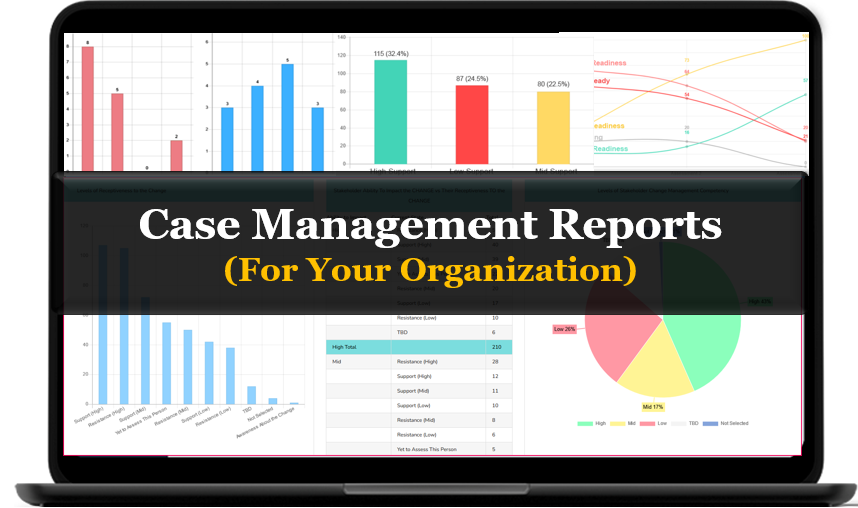
As client data is filled in either by the client profile or through form submissions, the Reports & Analytics module delivers instant, granular visibility into your operations, allowing you to segment and evaluate your performance through multiple clinical, administrative, and demographic lenses.
To see analytics that track clients per program, live staff caseload, demographic equity, and aggregated form reports:
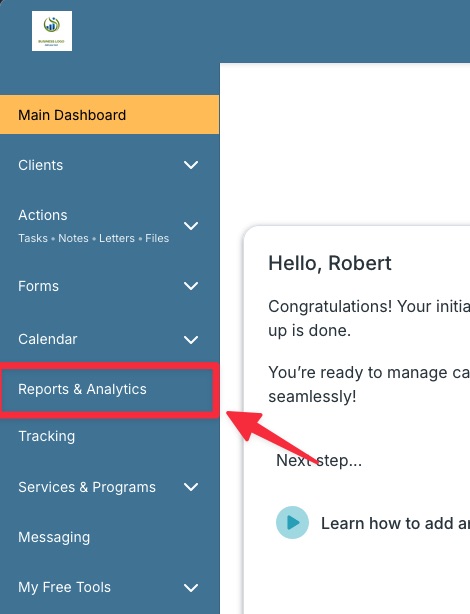
Step 1:
Navigate to the Reports & Analytics module from the sidebar.
Step 2:
Select whether you want view reports on: Organization (reports on clients per program, staff caseload, etc.) Demographics (reports on race, ethnicity, gender, marital status, etc.) Forms, or Goals.
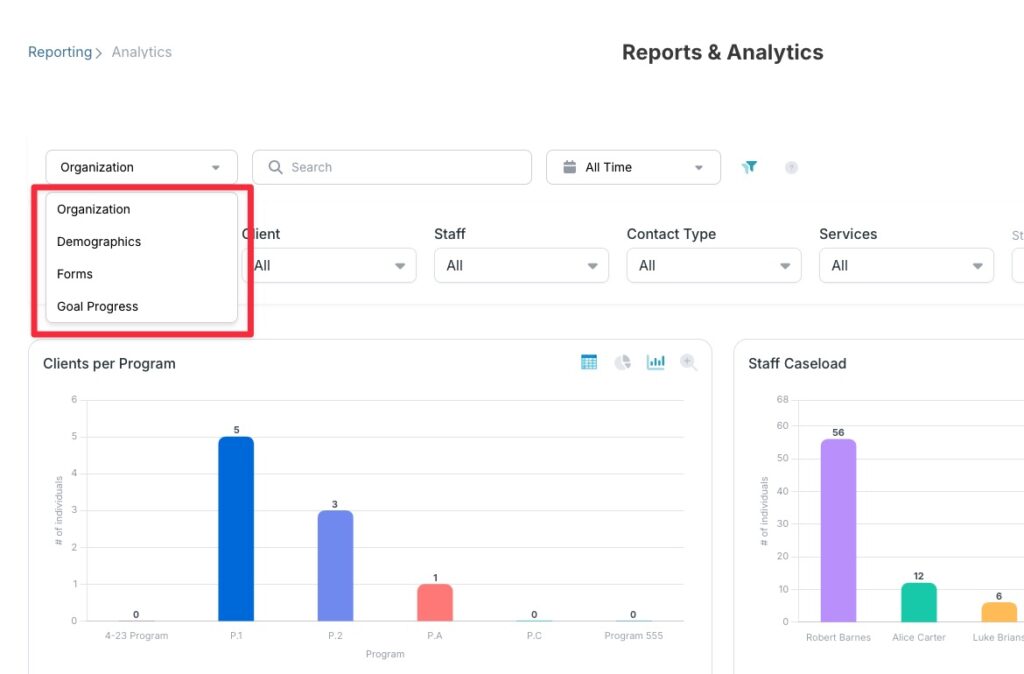
Tip: Reports can be filtered by date as well as other data such as program, client, staff, and much more.
Step 3:
Dig deeper into report details by clicking the magnifying glass. From the detailed popup you can export the graph and the data table.
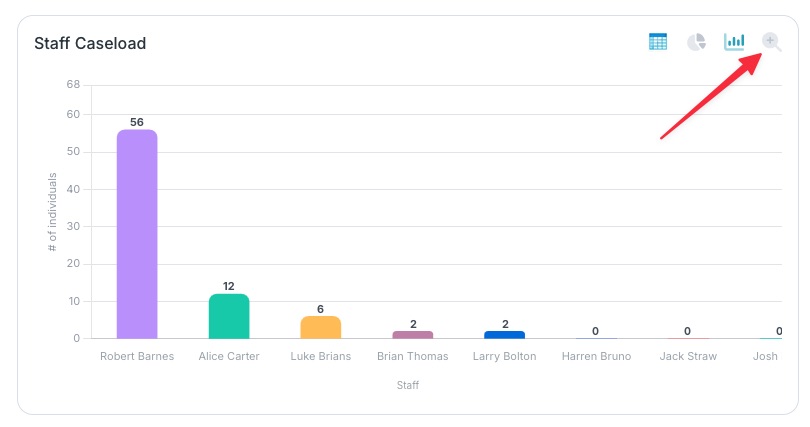
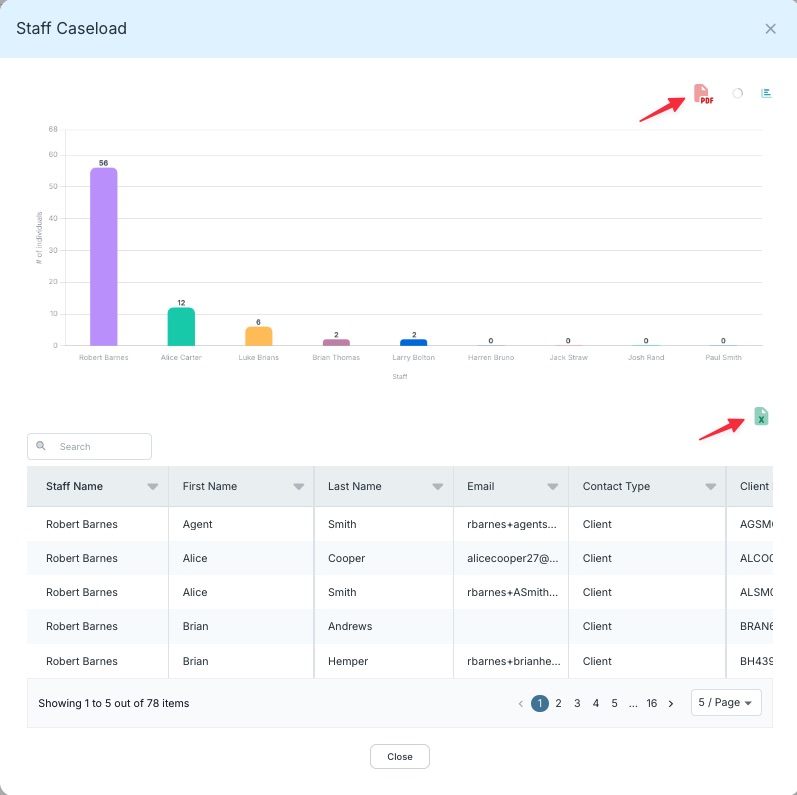
Tip: Graph reports can be viewed in either a bar or a pie chart for a better visual look.
Step 4:
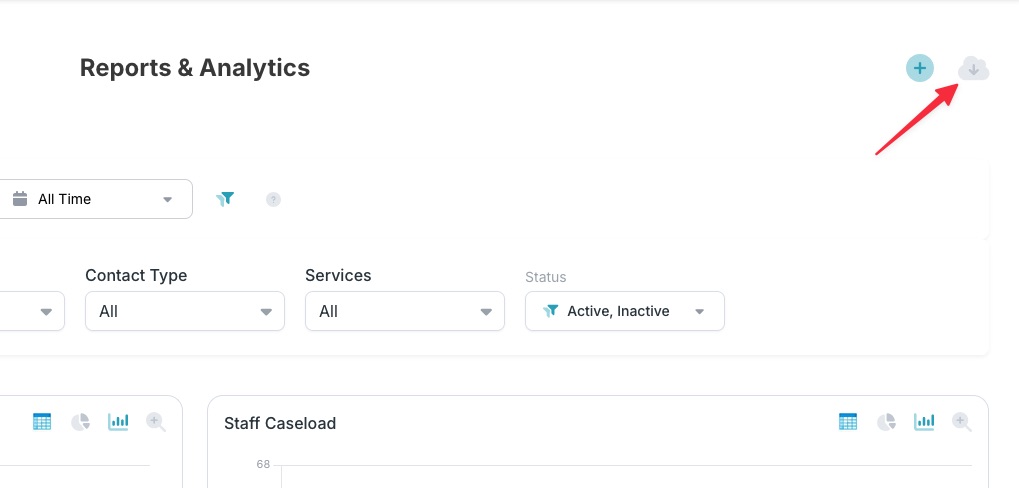
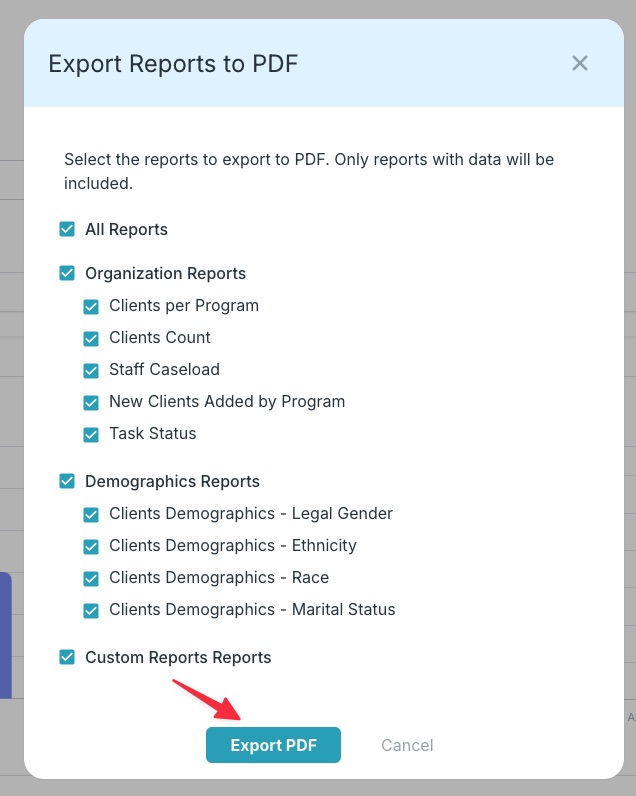
Export your entire dashboard or selected reports by clicking the cloud icon. When ready, click Export PDF.
Step 5:
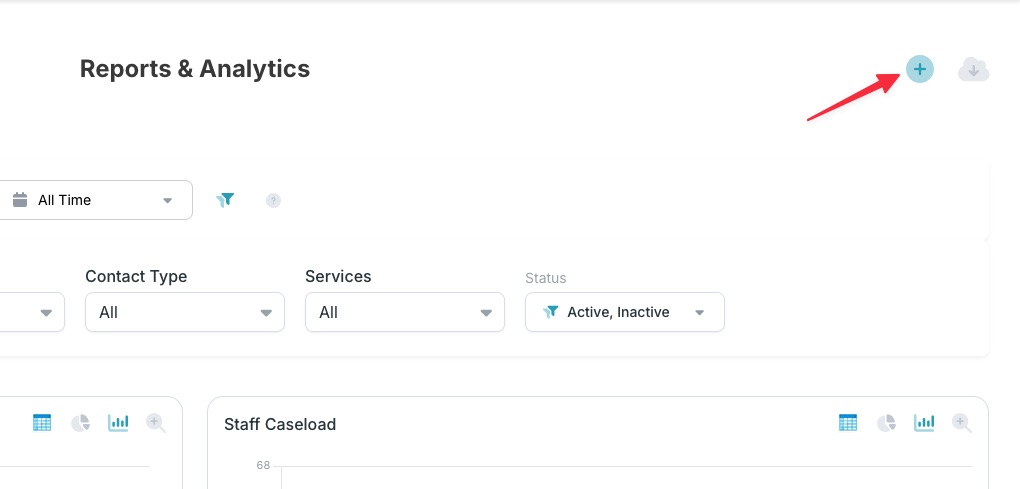
Create a new custom report by clicking the plus icon and selecting from either client, staff, or program fields. Generate instantly a truly personalized report. Once done, click Create.
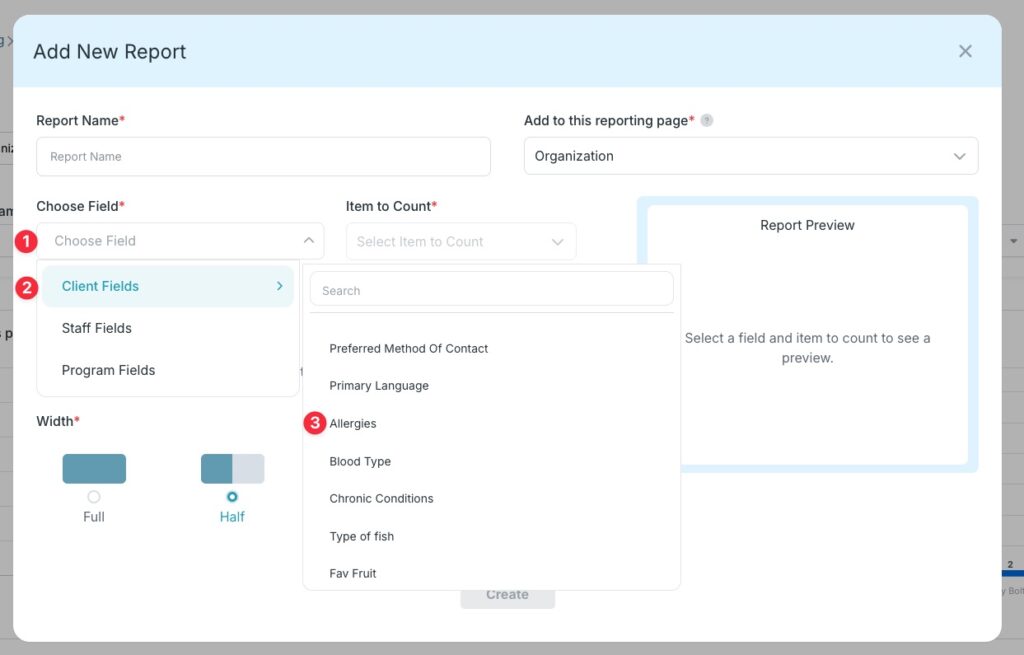
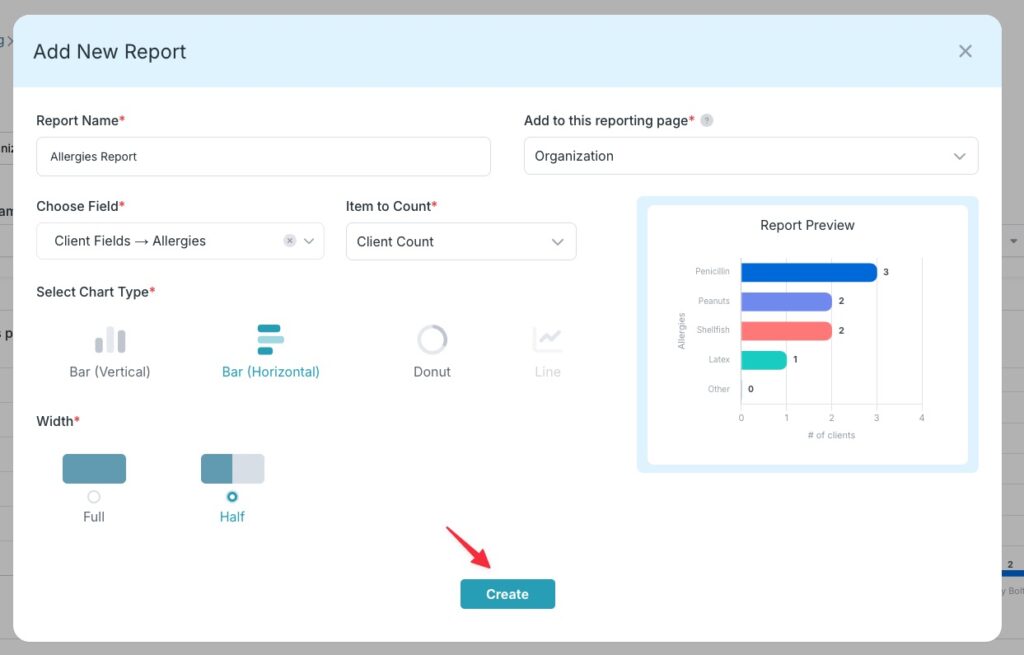
Tip: A report can also be created by selecting custom fields made on the client profile.
Experience the power of dynamic reports and analytics dashboards that eliminate the historical friction of tracking case management key performance indicators today with a free 21-day trial (no credit card needed).
Frequently Asked Questions on Implementing Evaluation in Care-Based Practices
How does measuring care coordination effectiveness differ from traditional medical audits?
Measuring care coordination effectiveness focuses on the longitudinal patient journey, communication efficiency, and cross-continuum transitions, whereas traditional medical audits typically focus on micro-level clinical documentation, specific diagnostic accuracy, or coding compliance within a single facility stay. Care coordination evaluation assesses how well the various parts of the health system communicate to prevent gaps in treatment.
Can small clinics achieve a strong ROI of digital case management without enterprise budgets?
Yes, smaller clinical practices can realize a significant return on investment by prioritizing scalable, cloud-based tools that target their specific operational bottlenecks. By automating repetitive administrative tasks, even small clinics can reduce overhead expenses, increase patient throughput, and capture value-based care incentives that rapidly offset the initial software licensing costs.
How do patient-centered care metrics factor into modern evaluation models?
Modern clinical frameworks place patient-centered care metrics at the core of their evaluation strategies. These metrics measure patient self-efficacy, treatment goal alignment, and satisfaction with care communication. Evaluating these subjective metrics alongside objective clinical biomarkers ensures that the healthcare delivered actually aligns with the preferences and values of the individual receiving it.
What role do care team collaboration platforms play in clinical quality assurance?
These communication systems act as the primary documentation highway for care coordination teams. By tracking communication patterns, response times, and task completion rates within these portals, quality assurance teams can monitor the speed and safety of clinical workflows, identifying communication breakdowns before they impact patient safety.
👉 Try it free today - No credit card needed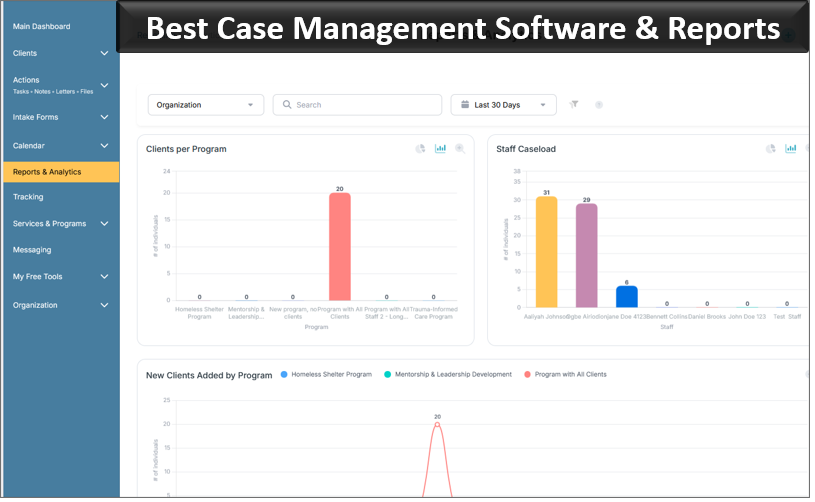
Note: Content on this website (socialworkportal.com) is copyrighted and protected under applicable copyright laws. Unauthorized reproduction, distribution, or use of any content from the website, without explicit written permission, is strictly prohibited. Read: Terms of Use.
Social Work Portal Disclaimer: Social Work Portal is not a social work agency and we do not refer social workers. This web site is provided for educational and informational purposes only and does not constitute providing medical advice or professional social and healthcare services. The information provided should not be used for diagnosing or treating a health problem or disease, and those seeking personal medical advice should consult with ... Read our full disclaimer here: Social Work Portal Disclaimer.