A Practical Guide to Vetting Clinical Expertise, Ethical Standards, and Intake Processes
Evaluating a professional to support your family during a vulnerable transition requires a structured approach. Families often face urgent pressures, such as managing a crisis, securing elderly care coordination, or finding mental health support for a child. Hiring the wrong practitioner leads to dropped care plans, communication breakdowns, and wasted financial resources.
According to the U.S. Bureau of Labor Statistics, over 810,000 social workers operate across healthcare, school, and private settings in the United States. Choosing qualified candidates requires verifying clinical credentials, evaluating initial screening protocols, and testing communication strategies. This guide details how to evaluate social workers systematically before making a hiring decision.
Let’s get started
Watch this video:
or
read the guide below.
What You’ll Learn
- How to verify state licensure, clinical credentials, and ethical compliance
- Specific social worker interview questions for families to assess practitioner fit
- Key differences between crisis intervention models and long-term care management
- Essential red flags to watch for during initial screening calls
- How professional practitioners structure their family social work intake assessment framework
- Methods to ensure client documentation and communication remain HIPAA-compliant
Everything in one place: clients, notes, forms, appointments, reports, and outcomes. 👉 Try it Free - No credit card needed💡All-in-one Case Management Software.
What Credentials Should You Look For When Evaluating a Private Social Worker?
You should verify active state licensure, advanced academic degrees, and professional board certifications before discussing family care details. Licensed Clinical Social Workers (LCSWs) hold a Master of Social Work (MSW) degree and have completed a minimum of 3,000 hours of supervised clinical work. Always check your state’s occupational licensing board online database to confirm that the practitioner’s license is active and free from disciplinary actions.
Evaluating clinical social work credentials goes beyond checking basic diplomas. Request proof of professional liability insurance and ask about membership in national professional bodies. Practitioners adhering to the NASW code of ethics screening guidelines demonstrate a formal commitment to client confidentiality, professional boundaries, and continuing education standards.
| Credential / Indicator | Verification Method | Strategic Value to Families |
| LCSW / LICSW License | State licensing board database | Guarantees master’s-level education and 3,000+ supervised clinical hours. |
| NASW Membership | Active membership ID or verification | Indicates adherence to strict ethical codes and ongoing professional development. |
| Specialized Certifications | Certified Advanced Children, Youth, & Family Social Worker (C-ACYFSW) | Validates specific expertise in pediatric or family system dynamics. |
| Liability Insurance | Certificate of insurance (COI) | Protects clients and agencies against professional practice errors or omissions. |
What Key Questions Reveal a Social Worker’s Assessment Approach?
You should ask open-ended questions about initial assessment procedures, crisis protocols, and care plan development during the preliminary consultation. Focus on how the social worker gathers family background, balances competing family needs, and sets measurable milestones.
Effective social worker interview questions for families focus on real-world scenarios rather than theoretical answers:
- “How do you structure your family social work intake assessment framework?” Look for a structured process that covers emotional, environmental, physical, and financial factors.
- “What is your protocol if our family encounters a severe crisis outside normal office hours?” The worker must provide clear emergency boundaries and escalation steps.
- “How do you handle situations where family members disagree on goals?” Listen for mediation techniques, objective boundaries, and trauma informed family intake protocols.
- “What tools do you use for psycho-social assessment best practices?” Experienced professionals reference evidence-based tools and standardized measures.
👉 Try it Free - Free Case Management System
How Does Crisis Intervention Differ From Long-Term Care Coordination?
Crisis intervention focuses on immediate stabilization and safety planning, whereas care coordination builds sustainable systems for ongoing health, legal, and housing management. Understanding this difference helps families align their immediate needs with the appropriate practitioner skillset.
Consider a common scenario in hospital discharge planning. When an elderly patient suffers a debilitating stroke, hospital social workers focus on immediate crisis stabilization: arranging short-term rehabilitation, securing medical equipment, and setting up emergency home coverage. However, once the patient transitions home, their needs shift toward long-term care management. An independent care coordinator steps in to establish long-term Medicaid planning, organize ongoing specialized therapy schedules, and manage multi-disciplinary family communication over months or years. Matching practitioner specialization to your family’s actual circumstances prevents critical gaps in care.
What Red Flags Should You Avoid When Selecting a Licensed Social Worker?
You should avoid practitioners who fail to provide clear fee schedules, promise guaranteed outcomes, or lack formal client consent protocols. A professional social worker establishes transparent expectations during the very first interaction.
Key warning signs during initial screening include:
- Informal Documentation: Refusing to outline services, goals, or fees in a written agreement.
- Poor Communication Security: Requesting sensitive health records or financial documents over unencrypted text or standard email.
- Vague Boundaries: Claiming they can handle every issue without specialized referrals when necessary.
- Lack of Informed Consent: Skipping formal explanations of client rights, confidentiality limits, and mandatory reporting rules.
Do You Have a Team? Our best all-in-one client and top case management software simplifies everything from client intake and assessments to programs, projects, goals tracking, planning, scheduling, documentation, reporting dashboard, and progress tracking.All-in-One Case Management Software
Sign Up Today, Free
No credit card needed!
How Do Professional Social Workers Conduct Initial Intake Interviews?
Professional social workers conduct initial intakes using standardized, evidence-based frameworks to evaluate medical history, family dynamics, and immediate risks. The process begins with establishing informed consent, explaining mandatory reporting boundaries, and defining goals.
During the initial screening, the worker gathers baseline data across key life domains:
- Safety Assessment: Screen for immediate risks, abuse, or self-harm concerns.
- Systemic Mapping: Identify support networks, family roles, and existing community resources.
- Goal Setting: Establish concrete, measurable milestones using client-centered benchmarks.
- Care Plan Finalization: Document specific responsibilities, visit schedules, and review intervals.
Practitioners who rely on disorganized note-taking or verbal agreements risk missing critical details. The best social workers utilize customizable social work assessment templates to ensure thoroughness and regulatory compliance.

People Also Ask
What should I look for when hiring a private social worker for my family?
Look for active state licensure (LCSW), relevant clinical experience with your family’s specific challenge, transparent fee structures, and structured intake processes. Verify their license status on your state board website before signing contracts.
What questions to ask when hiring a care coordinator?
Ask about their caseload size, communication channels, experience with local community resources, fee structures, and protocols for emergency situations after standard business hours.
How do I check if a social worker has disciplinary actions?
Visit your state’s professional licensing portal. Search the practitioner’s full legal name or license number to view their current status, renewal history, and any public disciplinary records.
What is the difference between a counselor and a clinical social worker?
Counselors focus primarily on individual mental health treatment and talk therapy. Clinical social workers evaluate the whole person within their environment, coordinating medical, community, legal, and systemic support alongside therapeutic care.
How much does it cost to hire an independent social worker privately?
Private social work fees vary by location and specialty, generally ranging from $100 to $250 per hour. Some practitioners offer sliding-scale rates or package options for ongoing care coordination.
What red flags should I avoid when selecting a licensed social worker?
Avoid practitioners who lack written service agreements, use unsecured messaging for sensitive health information, fail to explain confidentiality limits, or promise guaranteed outcomes.
Streamlining Social Work Intake and Management with Modern Software
Evaluating independent social workers reveals that organized administration directly impacts quality of care. Professional practitioners rely on dedicated technology platforms to maintain high standards of service.
Using specialized tools like Case Management Hub, social workers streamline their practice through:
- Digital Client Intake Forms: Secure, customizable forms that allow families to complete history paperwork online prior to the first visit.
- HIPAA-Compliant Family Assessment Tools: Encrypted client data storage, secure messaging, and note management that safeguard personal information.
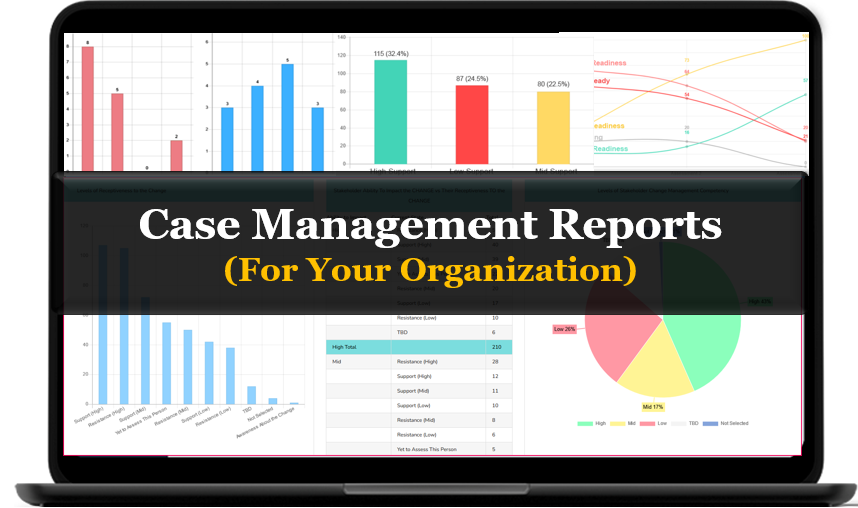
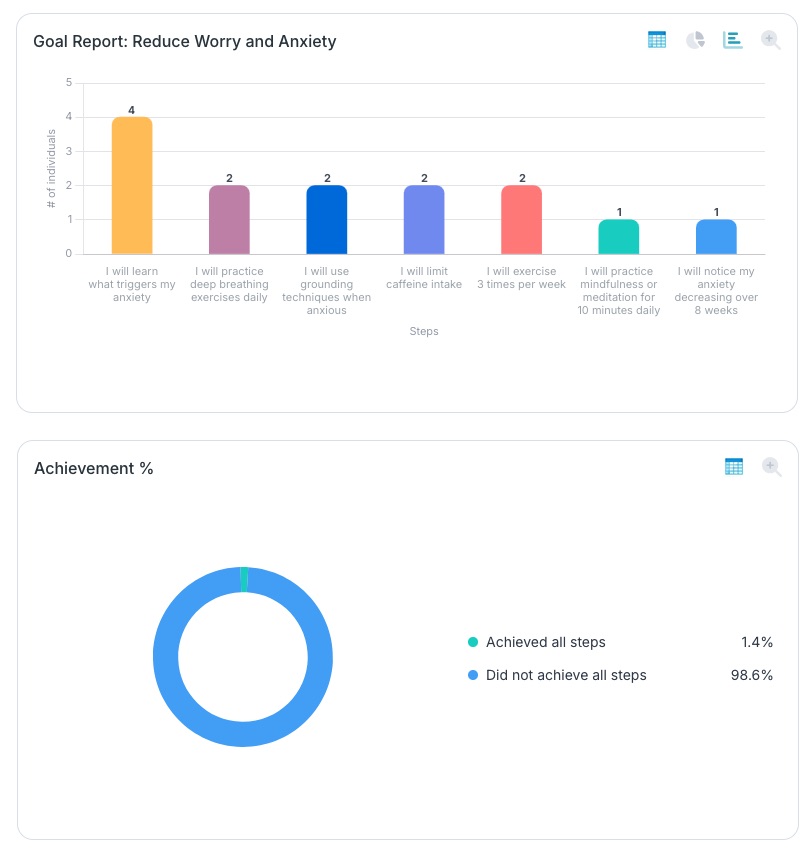
- Goal and Progress Tracking: Built-in reporting dashboards that make care plan updates clear and transparent for families.
See how easy it is to setup client goals and review progress through a reports dashboard:
Step 1:
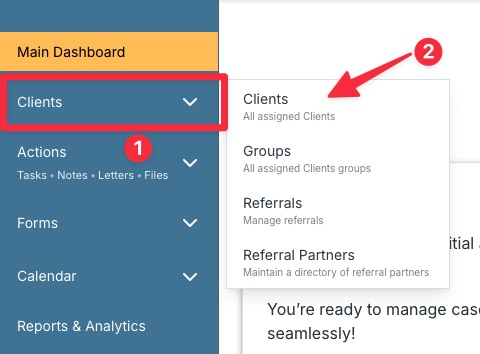
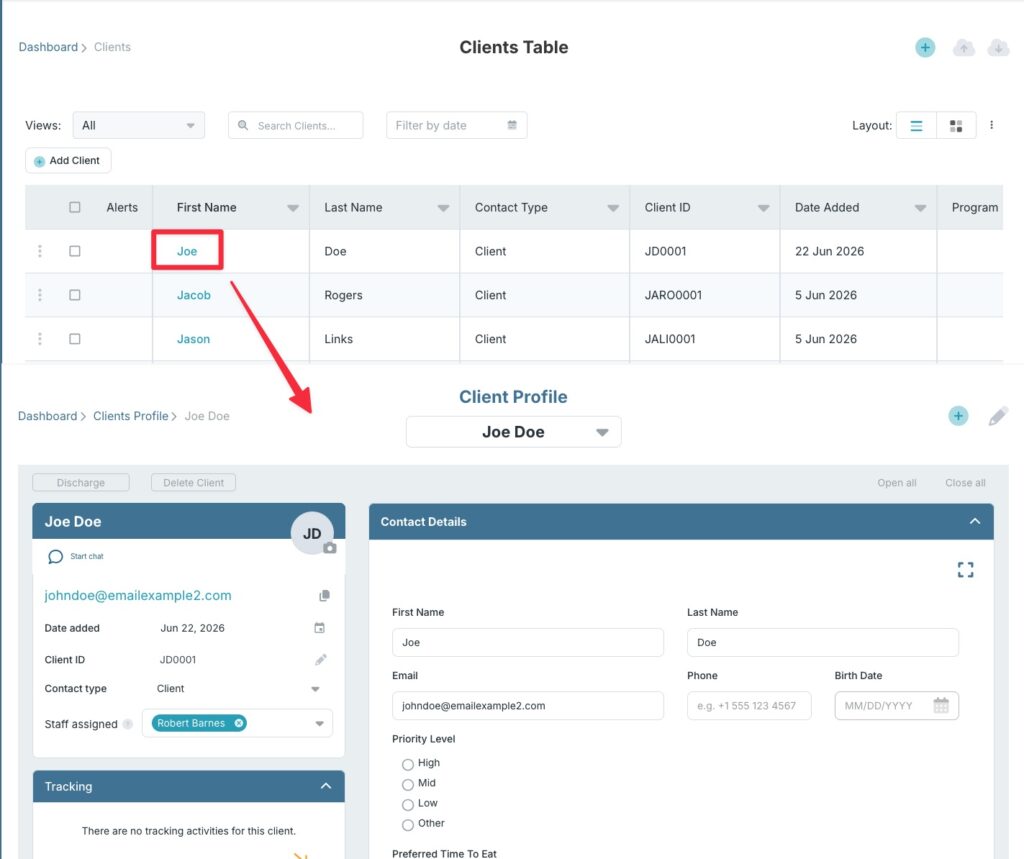
Navigate to the Client’s table and open a client profile.
Step 2:
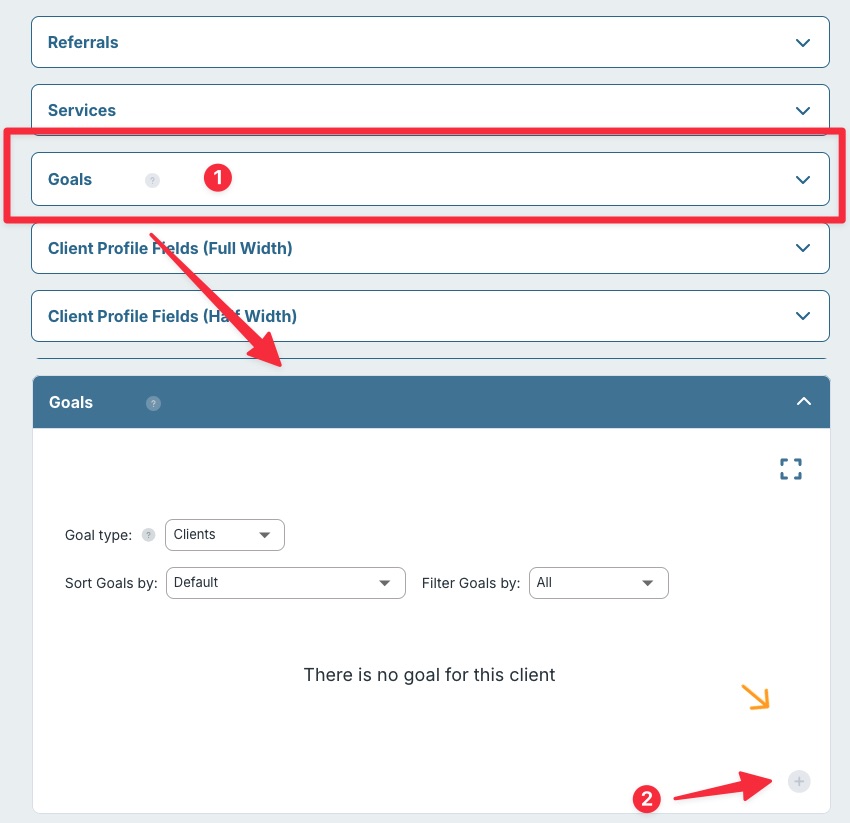
Scroll down to the Goals section and click the title to expand. Click the plus button to create new goal.
Step 3:
Give your goal a name and add in each of the steps required to achieve the goal. Start with the first step and add each subsequent step underneath it. When done, click Save.
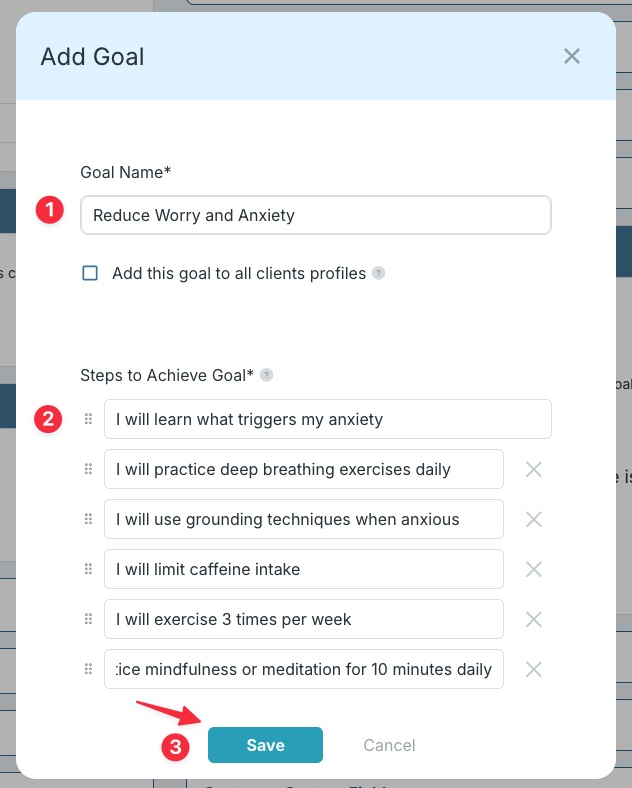
Tip: Goals can added automatically to all clients by placing a checkmark in “Add this goal to all students profiles”.
Step 4:
From the Goals section, you can manually mark steps as done, sort goals by date added, and filter out pending, in-progress, or completed goals.
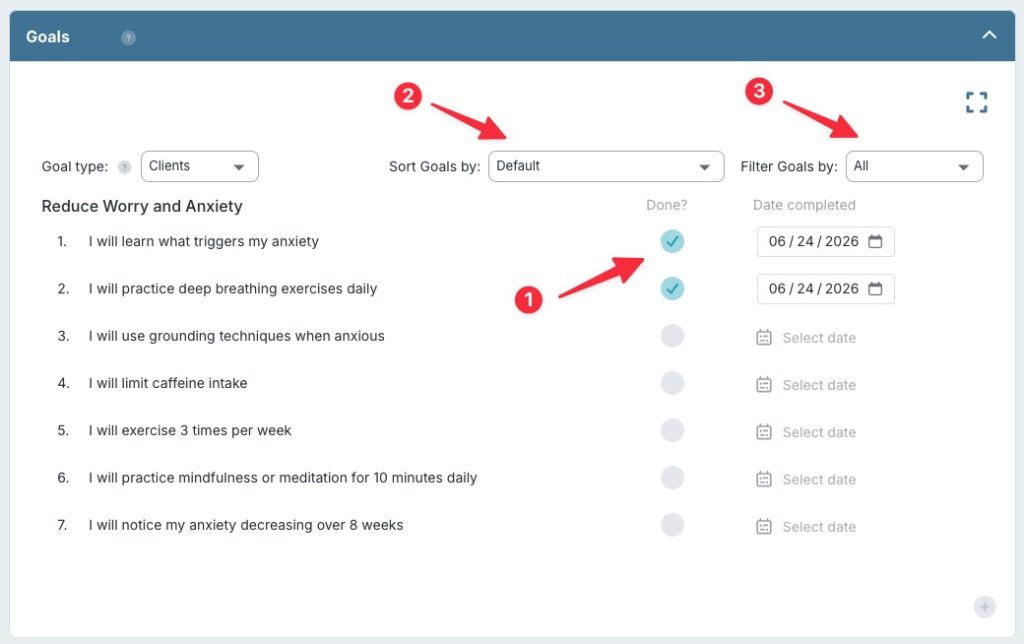
Tip: As you mark goals as done, the date completed field will automatically be filled in with today’s date, however you can change this by simply clicking on it and selecting the new date.
Step 5:
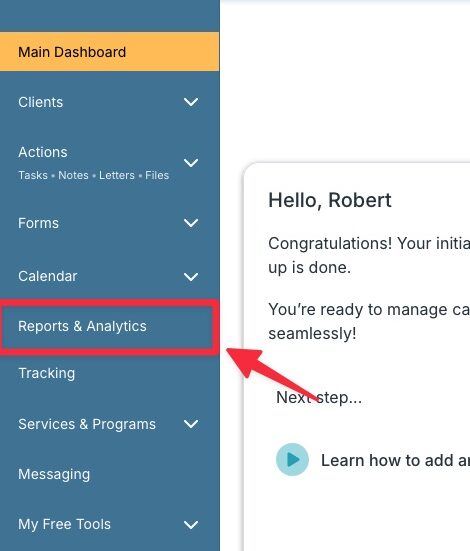
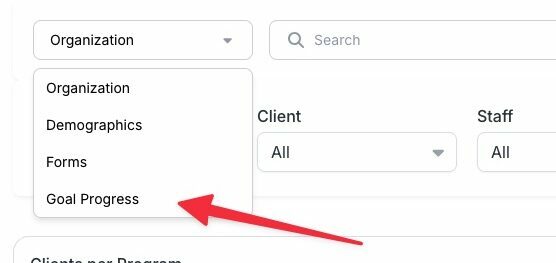
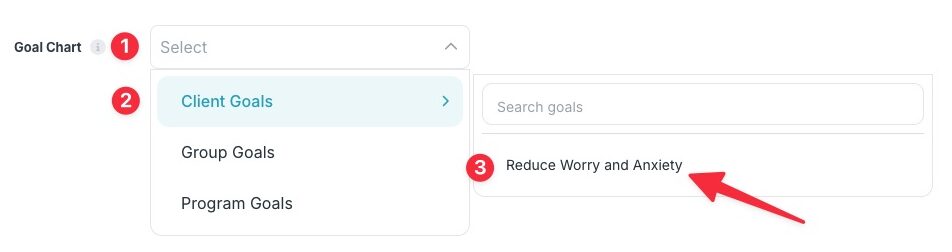
Review goal progress by heading to the Reports and Analytics module, selecting Goal Progress, and then selecting which goals. View reports on how many times a step was marked as done as well as the achievement percentage.
If you are a social worker or case manager looking to upgrade your client intake and documentation workflow, you can streamline your operations today. Sign up for a free 21-day trial with no credit card required and experience an all-in-one platform built for modern practice.
Frequently Asked Questions
How long does a typical social work family intake take?
A standard intake assessment takes between 60 to 90 minutes. This allows sufficient time to complete necessary consent forms, discuss background history, and establish initial care goals.
Can a social worker prescribe medication for my family member?
No. Social workers do not prescribe medication. They collaborate closely with psychiatrists, primary care physicians, and nurse practitioners who handle medical management.
How do social workers protect our family's private information?
Licensed social workers follow strict federal HIPAA laws and professional codes of ethics. They store notes, intake forms, and records in encrypted, secure client management platforms.
What happens if our family needs services outside the social worker's scope?
Ethical social workers maintain network referral directories. They will formally connect your family with specialized medical, legal, or therapeutic providers while continuing care coordination.
How do we measure progress during care coordination?
Your social worker should set SMART goals (Specific, Measurable, Achievable, Relevant, Time-bound) during intake. They should review these metrics with your family every 30 to 60 days.
What is the role of digital client intake forms social work practitioners use?
Digital intake forms eliminate paper clutter, reduce intake errors, and ensure sensitive health and background data transfers securely into the client record before meetings begin.
👉 Try it free today - No credit card needed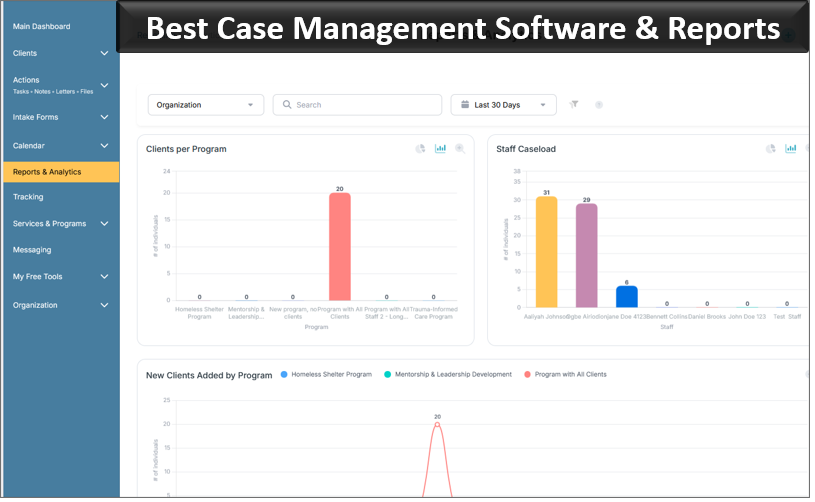
Note: Content on this website (socialworkportal.com) is copyrighted and protected under applicable copyright laws. Unauthorized reproduction, distribution, or use of any content from the website, without explicit written permission, is strictly prohibited. Read: Terms of Use.
Social Work Portal Disclaimer: Social Work Portal is not a social work agency and we do not refer social workers. This web site is provided for educational and informational purposes only and does not constitute providing medical advice or professional social and healthcare services. The information provided should not be used for diagnosing or treating a health problem or disease, and those seeking personal medical advice should consult with ... Read our full disclaimer here: Social Work Portal Disclaimer.