Master Core Competencies & Balance Complex Caseloads in Modern Social Work Practice
Building career excellence in human services is an ongoing evolution rather than a fixed destination. Whether you are navigating the transition from MSW student to licensed social worker, balancing clinical caseloads, or stepping into agency leadership, understanding how to develop competence as a social worker forms the bedrock of ethical and impactful practice.
Social work demands a rare synthesis of rigorous theoretical knowledge, deep emotional intelligence, and sharp operational efficiency. From applying core educational standards to adopting modern practice tools, building true professional expertise requires intentional skill development at every career stage.
Let’s get started
Watch this video:
or
read the guide below.
What You’ll Learn
- The foundational pillars of Council on Social Work Education (CSWE) core competencies.
- Strategies for translating social work theory into clinical practice.
- The central role of social work supervision and ongoing career progression.
- Methods for integrating cultural humility and ethical frameworks into care.
- Operational strategies for managing complex social work caseloads without burnout.
- Key decision factors when selecting modern digital tools for case management.
💡All-in-one Case Management Software.
Everything in one place: clients, notes, forms, appointments, reports, and outcomes.
👉 Try it Free - No credit card needed
What Does Developing Professional Competence in Social Work Really Mean?
Developing professional competence in social work goes far beyond earning a degree or passing a licensing exam. It involves continuous skill building, reflective practice, and a commitment to lifetime learning. The Council on Social Work Education (CSWE) defines core competencies as measurable practice behaviors that integrate knowledge, values, skills, and cognitive-affective processes.
According to data from the U.S. Bureau of Labor Statistics, employment of social workers is projected to grow faster than the average for all occupations over the next decade, with over 60,000 openings projected annually on average. As the healthcare and social service landscapes become increasingly complex, high-level competence ensures that professionals can meet rising client needs across medical, school, and community settings.
True competence spans multiple operational levels:
- Micro Practice: Individual therapy, case management, intake assessments, and crisis intervention.
- Mezzo Practice: Family system therapy, support group facilitation, and interprofessional team collaboration.
- Macro Practice: Policy advocacy, program administration, and organizational leadership.
How Do You Bridge Social Work Core Competencies CSWE from Theory into Practice?
Translating social work theory into practice can feel overwhelming when moving from the classroom into direct client care. Social work core competencies CSWE emphasize evidence-based practice in social work, requiring clinicians to blend empirical research with client values and professional judgment.
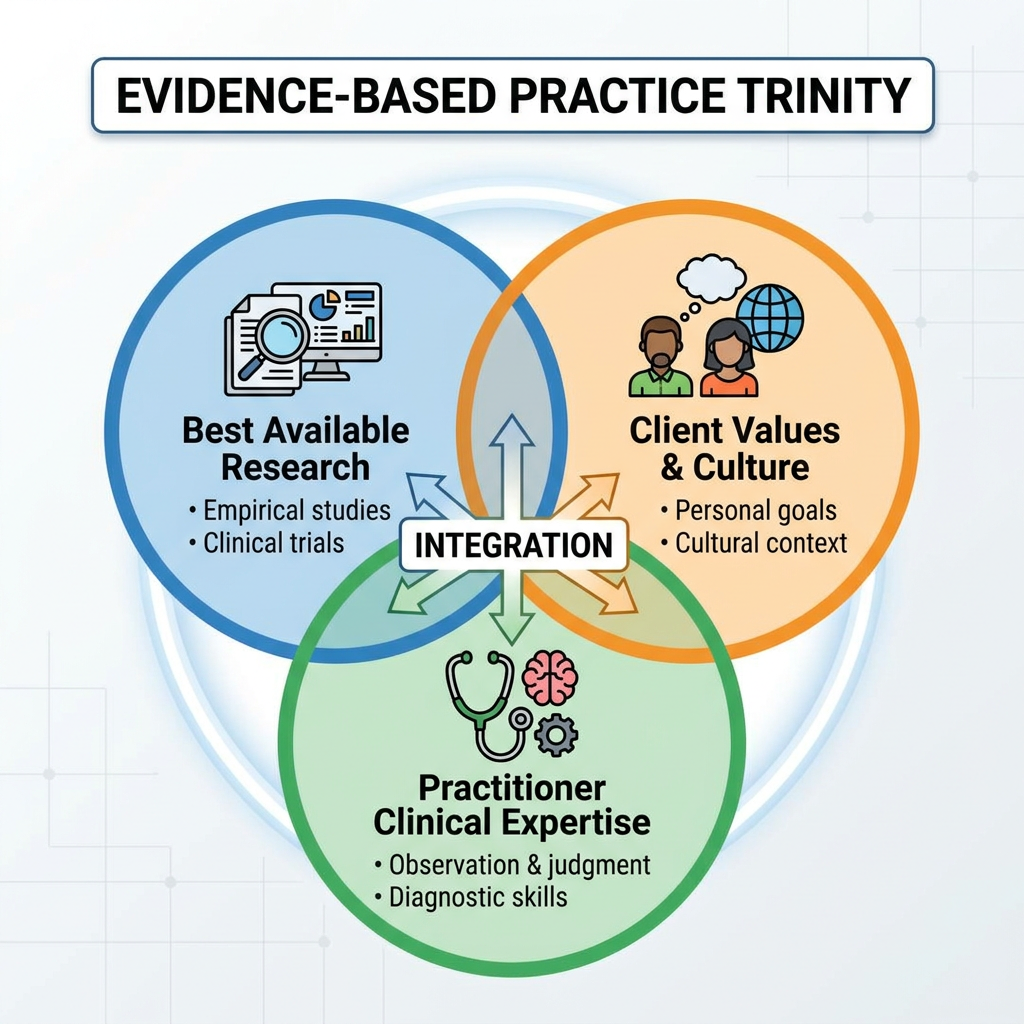
To bridge academic theory and daily encounters, consider these approach comparisons:
| Practice Approach | Key Strengths | Considerations for Implementation |
| Cognitive Behavioral Therapy (CBT) | Structured, goal-oriented, high empirical support for anxiety/depression. | Requires active client participation and structured documentation. |
| Solution-Focused Brief Therapy (SFBT) | Strengths-based, efficient for brief treatment models. | Best suited for well-defined goals; may need adaptation for deep trauma. |
| Systems Theory & Person-in-Environment | Holistic view of macro/micro factors affecting client well-being. | Demands careful tracking of external resources and systemic barriers. |
👉 Try it Free - Free Case Management System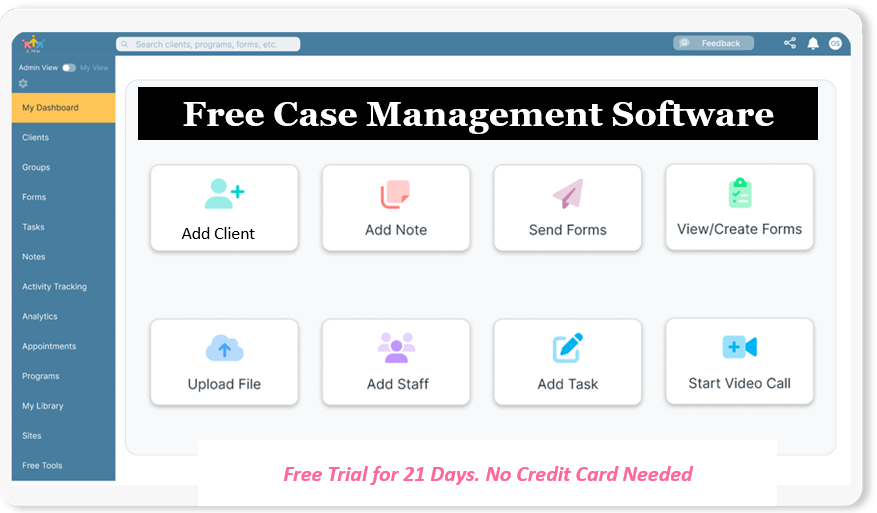
Why Is Social Work Supervision Critical for Career Progression?
Social work supervision and career progression are inextricably linked. Quality supervision offers a safe environment to process difficult cases, evaluate ethical dilemmas, and build clinical confidence.
Whether you are a social work intern, a fresh MSW graduate, or a clinical social worker seeking advanced credentials, active engagement in supervision is essential. High-quality supervision helps professionals:
- Maintain objective boundaries and manage countertransference.
- Identify blind spots in clinical assessment and treatment planning.
- Prevent compassion fatigue and burn-out through reflective self-care strategies.
- Fulfill requirements for advanced licensure like the LCSW.
Practitioners should create a personal social work professional development plan with their supervisor to track skill milestones, specialized certifications, and continuing education for clinical social workers.
How Do Cultural Humility and Ethical Practice Guide Daily Decisions?
Cultural humility and ethical practice in social work represent the non-negotiable standards of human services. The NASW Code of Ethics requires social workers to uphold client dignity, maintain confidentiality, and advocate for social justice.
Cultural competence is not a static milestone to reach; it is a lifelong process of cultural humility. This requires social workers to:
- Examine personal biases and power dynamics within the therapeutic relationship.
- Respect diverse cultural beliefs around mental health, family structure, and help-seeking behaviors.
- Practice ethical decision-making when navigating complex scenarios involving informed consent and client autonomy.
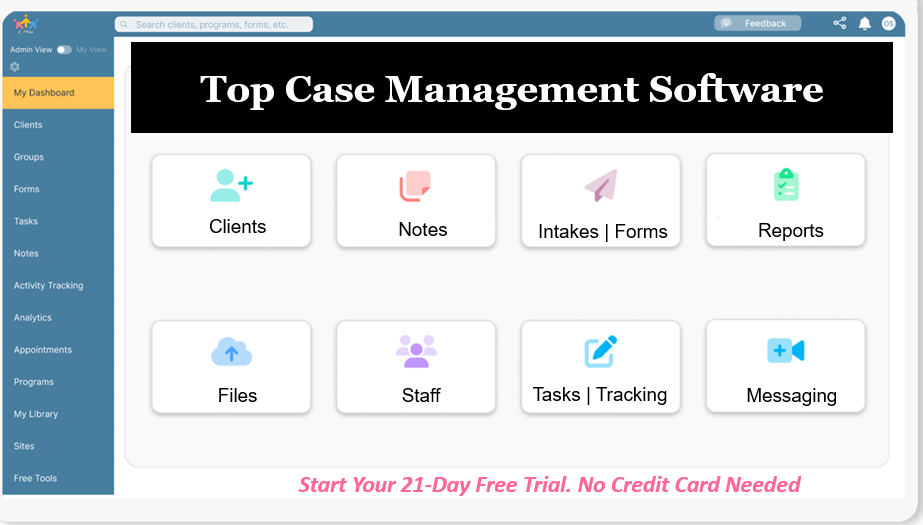
Do You Have a Team? Our best all-in-one client and top case management software simplifies everything from client intake and assessments to programs, projects, goals tracking, planning, scheduling, documentation, reporting dashboard, and progress tracking.All-in-One Case Management Software
Sign Up Today, Free
No credit card needed!
How Can Social Workers Balance Clinical Excellence with Administrative Efficiency?
Managing complex social work caseloads is one of the most significant challenges in modern social services. Practitioners in medical, school, and clinical environments often face high caseload demands while trying to maintain quality care.
Administrative burden directly impacts clinical effectiveness. When social workers spend excessive hours wrestling with cumbersome paper charts, manual scheduling, and fragmented billing, their time for client engagement shrinks.
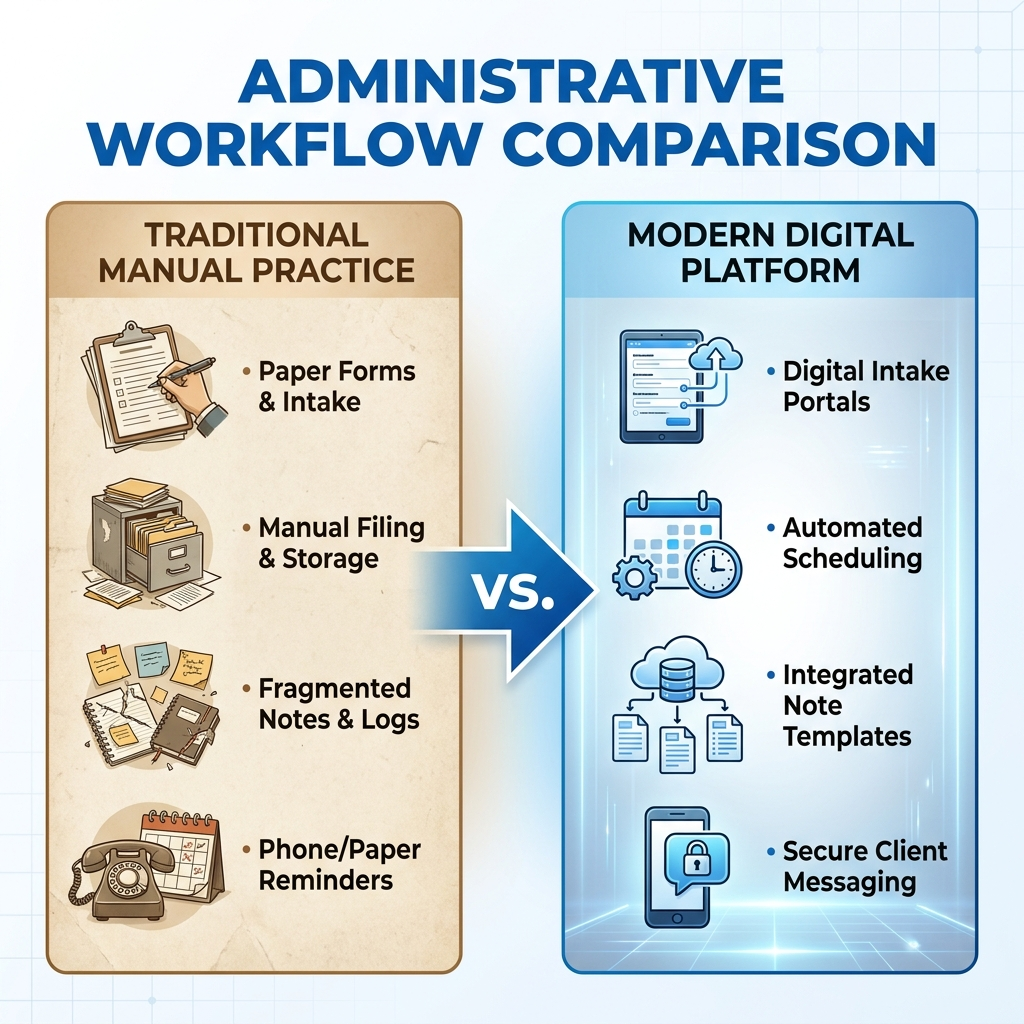
When evaluating tools to streamline administrative operations, human services professionals and agency leaders evaluate key user decision factors:
- Security & Compliance: Ensure platform architecture supports HIPAA-compliant client notes and documentation.
- Integrated Care Workflows: Look for built-in capabilities covering client management, appointments, intake forms, and timekeeping.
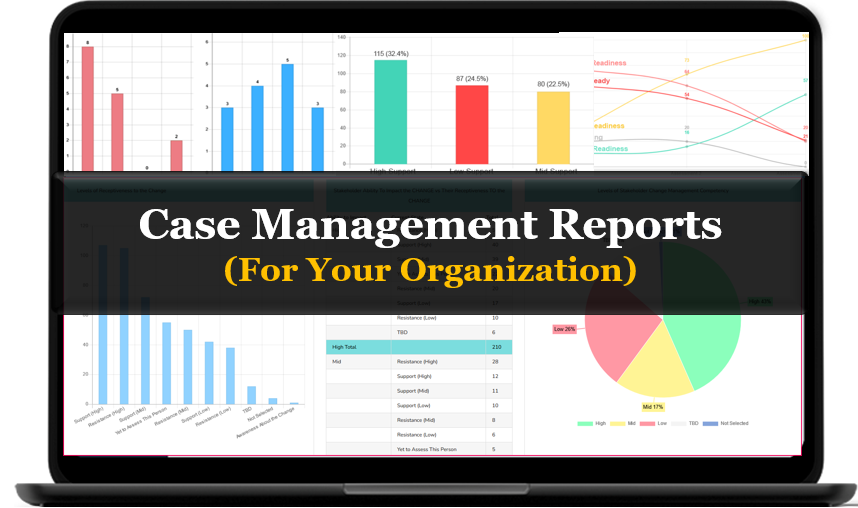
- Outcome Measurement: Utilize systems designed for tracking client goals and outcomes in social work to demonstrate intervention success.
- Accessibility: Enable secure client messaging and web-based portals for seamless client communications.

People Also Ask
What is professional competence in social work?
Professional competence in social work is the integration of specialized knowledge, ethical values, clinical skills, and cognitive-affective processing required to practice safely and effectively across micro, mezzo, and macro levels.
How do social workers demonstrate cultural humility?
Social workers demonstrate cultural humility through continuous self-reflection, acknowledging power dynamics, learning from clients’ lived experiences, and honoring diverse cultural perspectives without imposing personal biases.
What are the core CSWE competencies for social work students?
The Council on Social Work Education (CSWE) outlines nine core competencies that cover ethical behavior, diversity, human rights, practice-informed research, policy advocacy, engagement, assessment, intervention, and evaluation.
Why is clinical supervision necessary after earning an MSW?
Clinical supervision helps new social workers refine assessment skills, maintain boundaries, process complex trauma cases, prevent burnout, and meet state licensing requirements for independent clinical practice.
How can social workers manage high caseloads effectively?
Social workers can manage high caseloads by prioritizing tasks, utilizing evidence-based treatment plans, delegating non-clinical tasks where appropriate, and leveraging modern case management software for automated intake, note-taking, and scheduling.
What is the difference between cultural competence and cultural humility?
Cultural competence focuses on acquiring knowledge about specific cultures, whereas cultural humility emphasizes an ongoing self-evaluation, lifelong learning commitment, and addressing power imbalances in client relationships.
How Practice Management Technology Supports Your Growth
Developing clinical and organizational competence requires having the right support systems in place. Modern practitioners and agency leaders turn to specialized technology to minimize administrative friction and improve care delivery.
Our all-in-one case management platform provides the tools needed to streamline social work intake and scheduling, maintain secure HIPAA-compliant client records, track progress against clinical goals, and manage case notes smoothly. By centralizing operations into one intuitive system, you can reduce administrative burden, prevent burnout, and dedicate more time to client advocacy and evidence-based practice.
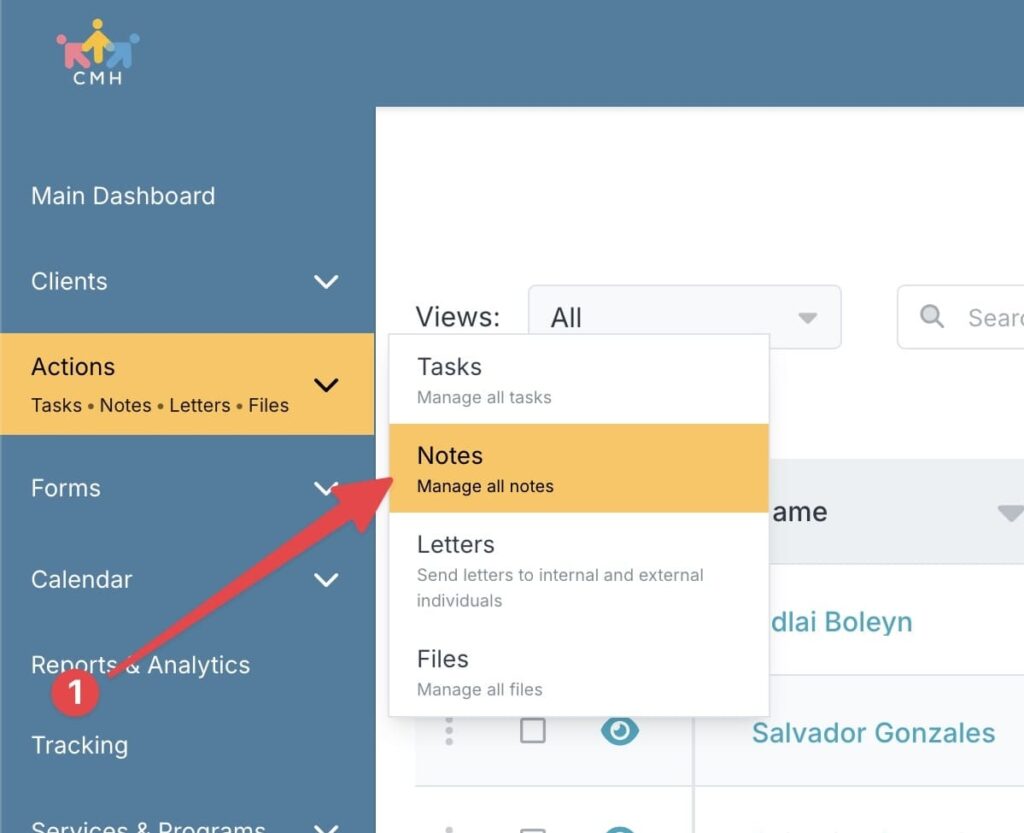
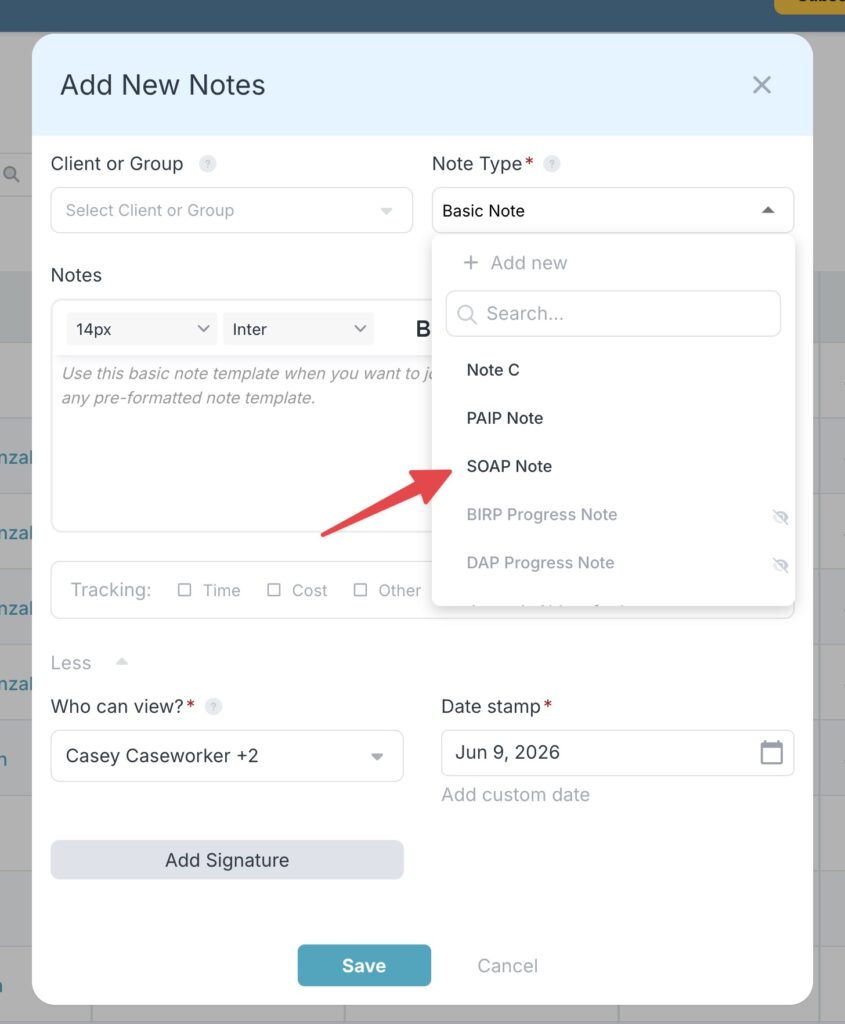
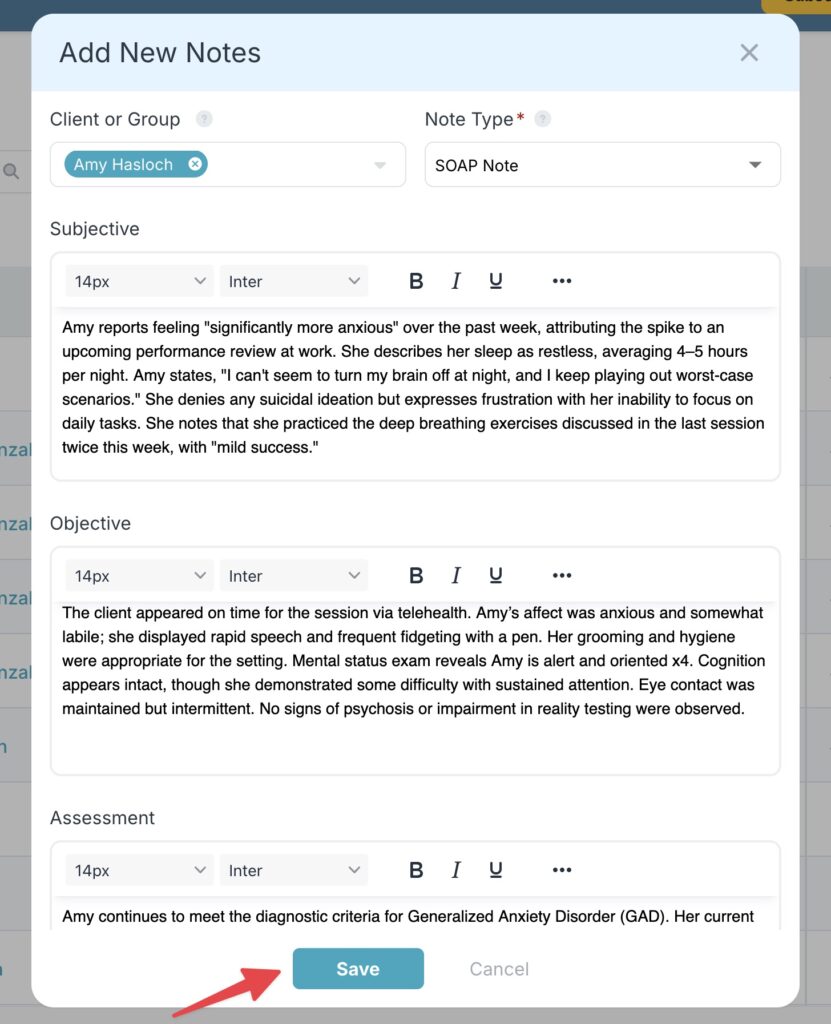
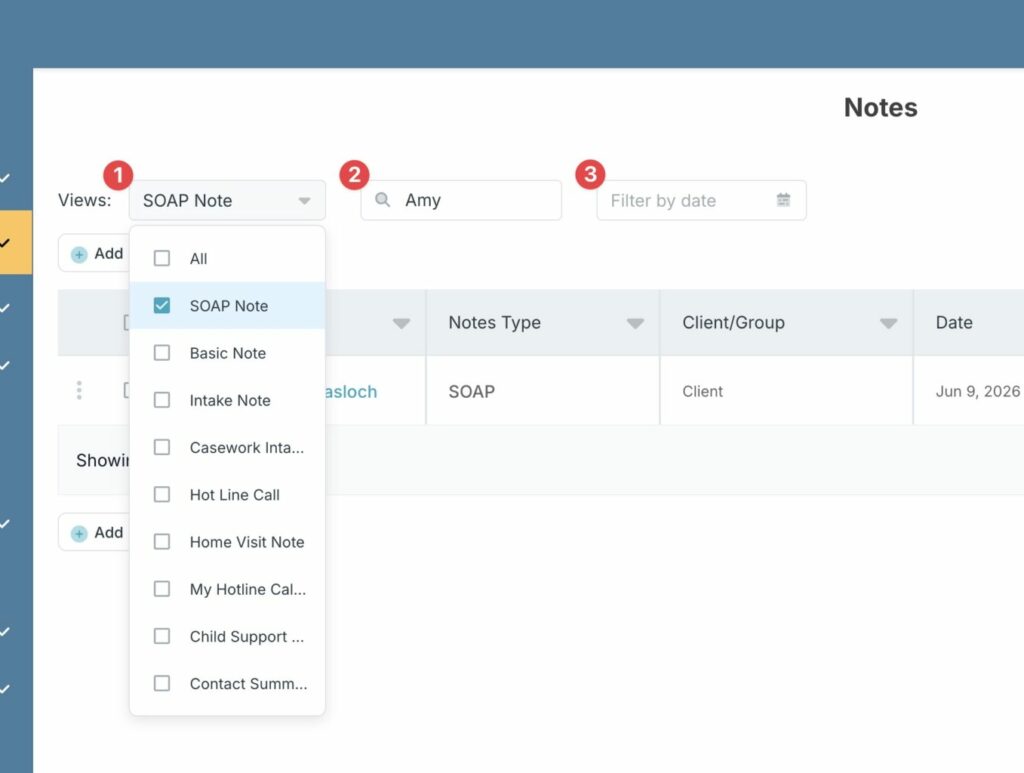
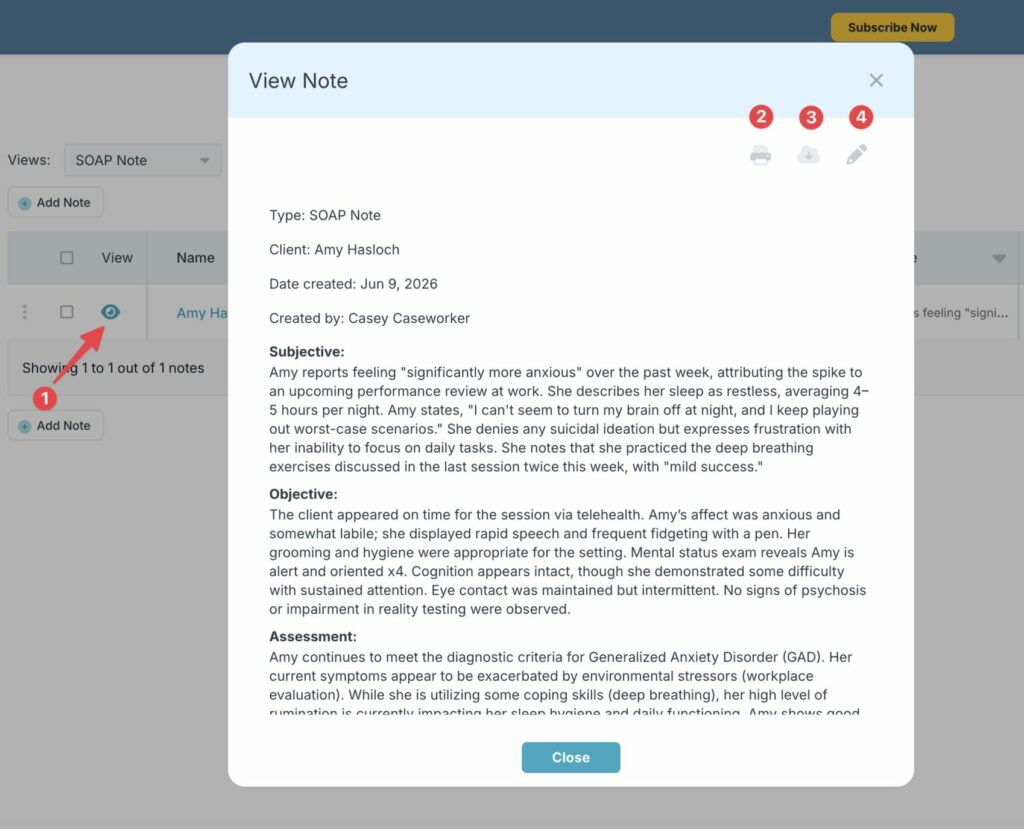
To create a SOAP note in Case Management Hub:
Step 1:
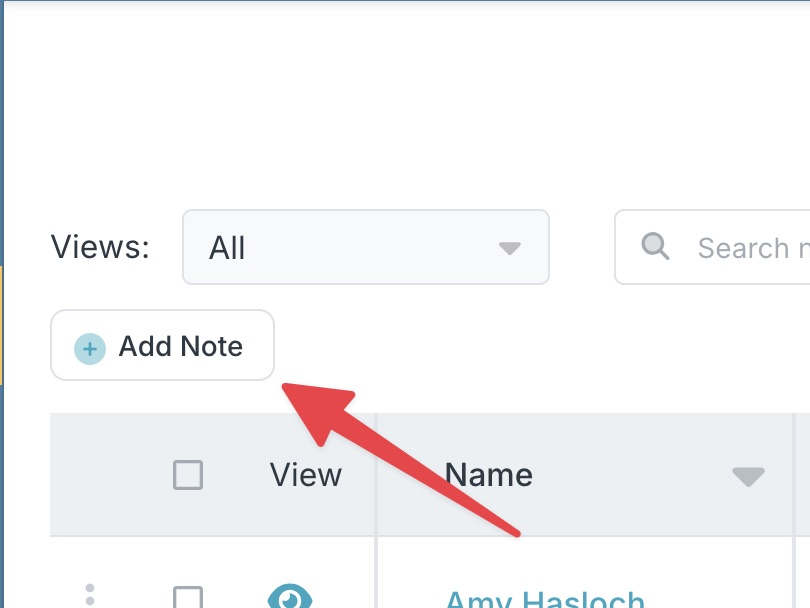
Navigate to the Notes module from the sidebar and click Add Note
Step 2:
From the note type dropdown select the SOAP note template
Step 3:
Add your note details to the four sections of the SOAP note, select the client, and then click save.
Step 4:
View, search and filter all of your client notes, including the SOAP notes in one place.
Step 5:
Click the eye icon to view or edit the details of the note
Ready to simplify your daily workflows and focus on clinical impact? Sign up for your free 21-day trial today—no credit card required.
Frequently Asked Questions
How long does it take to build clinical competence as an LCSW?
Building clinical competence is an ongoing professional journey. While earning an LCSW typically requires 2 to 3 years of post-MSW supervised clinical experience, true expertise develops continuously throughout a social worker's career.
What role does self-care play in maintaining social work competence?
Self-care is a fundamental ethical duty. Without adequate self-care, social workers risk compassion fatigue, ethical oversights, and burnout, which directly compromise their ability to provide competent care to clients.
How can self-employed social workers streamline practice management?
Self-employed and private practice social workers can use all-in-one practice management software to handle appointments, client notes, billing, intake forms, and secure messaging from a single centralized dashboard.
What are the best strategies for transitioning from student to licensed social worker?
Key strategies include securing a supportive clinical supervisor, creating a formal professional development plan, joining peer consultation groups, and using digital workflow tools to stay organized.
Why is outcome tracking important in social work interventions?
Tracking client outcomes allows social workers to evaluate treatment effectiveness, adapt interventions to meet changing client needs, maintain accountability, and fulfill agency reporting requirements.
Can technology really help reduce social worker burnout?
Yes. By automating routine administrative tasks like scheduling, intake form processing, billing, and record storage, technology frees up valuable time and cognitive bandwidth, allowing workers to focus on direct client engagement.
👉 Try it free today - No credit card needed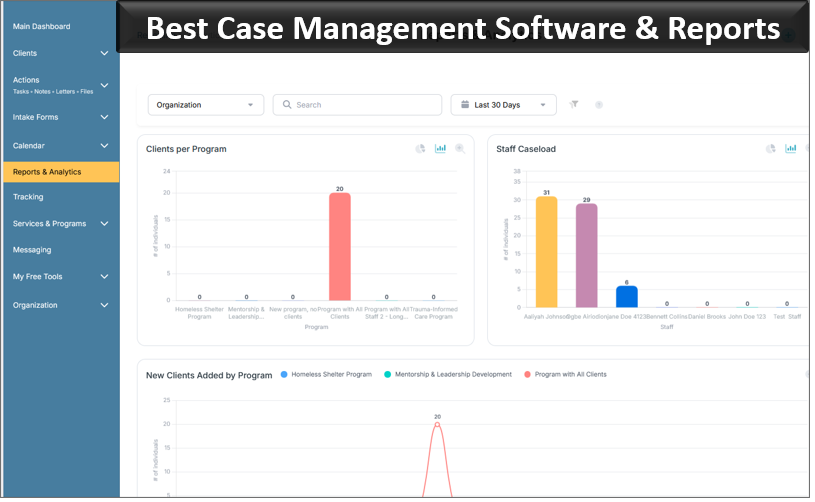
Note: Content on this website (socialworkportal.com) is copyrighted and protected under applicable copyright laws. Unauthorized reproduction, distribution, or use of any content from the website, without explicit written permission, is strictly prohibited. Read: Terms of Use.
Social Work Portal Disclaimer: Social Work Portal is not a social work agency and we do not refer social workers. This web site is provided for educational and informational purposes only and does not constitute providing medical advice or professional social and healthcare services. The information provided should not be used for diagnosing or treating a health problem or disease, and those seeking personal medical advice should consult with ... Read our full disclaimer here: Social Work Portal Disclaimer.