
Standardized Clinical Interviewing Techniques for Case Managers to Improve Patient Outcomes
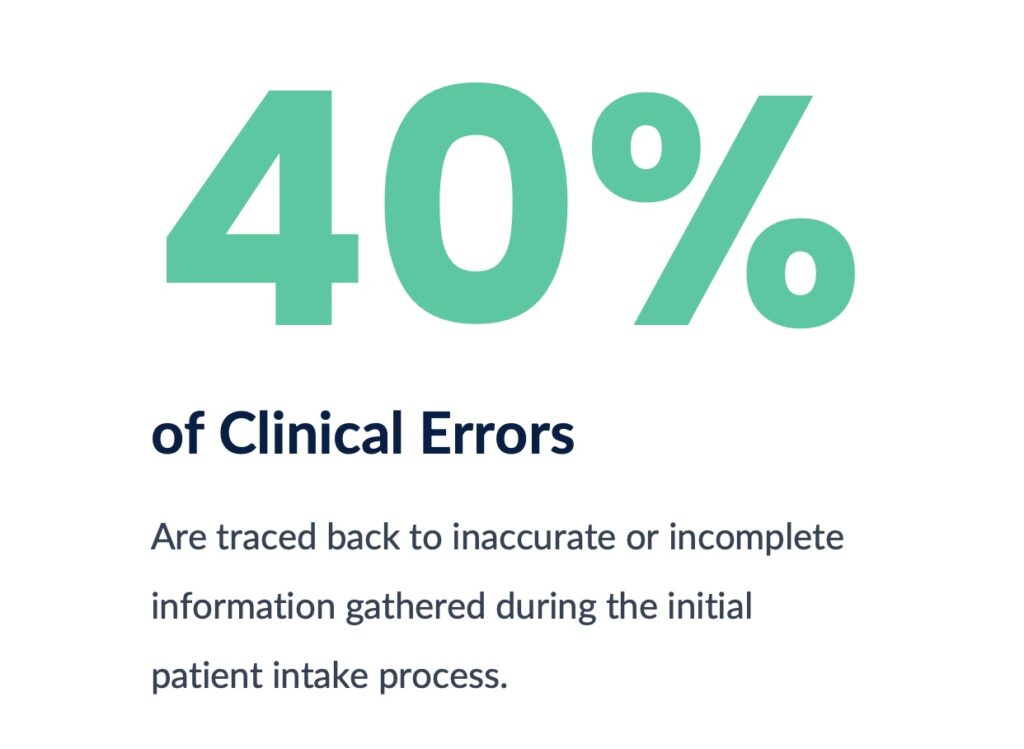
The efficiency of a case management plan is directly proportional to the quality of information gathered during the initial encounter. Recent industry data suggests that nearly 40% of clinical errors stem from inaccurate or incomplete intake assessments, making the refinement of interviewing skills a critical priority for healthcare organizations.
Mastery of these interactions does not just improve data accuracy; it builds the therapeutic alliance necessary for long-term patient adherence and success.
Let’s get started
Watch this video:
or
read the guide below.
What We Will Cover
- Core components of evidence-based patient assessment strategies
- Advanced active listening techniques for healthcare professionals
- Overcoming common barriers to effective therapeutic communication
- Integrating trauma-informed interviewing techniques for case managers
- Strategies for reducing intake assessment friction in healthcare
- Utilizing mental health screening tools for case management
- Best practices for conducting telehealth interviews effectively
- Maximizing clinical documentation compliance for intake interviews
Everything in one place: clients, notes, forms, appointments, reports, and outcomes. 👉 Try it Free - No credit card needed💡All-in-one Case Management Software.
Establishing a Foundation for Evidence-Based Patient Assessment Strategies
To facilitate a high-quality clinical encounter, practitioners must prioritize evidence-based patient assessment strategies that move beyond simple checklist completion. The goal is to create a dynamic environment where the patient feels safe sharing sensitive health data.
This begins with the physical or digital environment, which must be private and free from distractions. Research indicates that patients who perceive their environment as secure are 25% more likely to disclose behavioral health concerns or history of trauma.

Clinicians should utilize a “funnel” approach to questioning, starting with broad, open-ended inquiries before narrowing down to specific clinical details. This method allows the patient to dictate the narrative flow, often revealing secondary health concerns that would be missed in a rigid, closed-ended survey.
By focusing on strengths-based interviewing in case management, you transition the conversation from a deficit-focused medical model to a collaborative, solution-oriented partnership. This shift is essential for chronic disease management, where patient self-efficacy is a primary driver of success.
Advanced Active Listening Techniques for Healthcare Professionals
True therapeutic engagement requires more than just quiet observation. Active listening techniques for healthcare professionals involve the strategic use of minimal encouragers, paraphrasing, and reflection of feeling. These skills validate the patient experience and ensure that the case manager has correctly interpreted the information provided.
For instance, when a patient expresses frustration with their current medication regimen, a reflective response such as “It sounds like you feel overwhelmed by the complexity of your daily prescriptions” encourages deeper exploration of adherence barriers.
Non-verbal communication is equally vital, even in a remote setting. Maintaining consistent eye contact, adopting an open posture, and using appropriate vocal tones communicate empathy and attentiveness.
Studies show that when clinicians employ these techniques, patient satisfaction scores increase by over 30%, directly impacting the organization’s holistic performance metrics. Effective listening also serves as a diagnostic tool, allowing providers to identify nuances in tone or hesitation that may indicate a need for further mental health screening or social intervention.
Comparison Table: Interviewing Modalities and Outcomes
| Interview Modality | Primary Benefit | Potential Limitation | Impact on Patient Outcomes |
| Unstructured | High rapport building | High risk of missing data | Variable; depends on skill |
| Fully Structured | High data consistency | Low patient engagement | Improved compliance; poor rapport |
| Semi-Structured | Balanced data and rapport | Requires advanced training | Highest overall success rate |
| Motivational | High behavioral change | Time intensive | Significant for chronic illness |
👉 Try it Free - Free Case Management System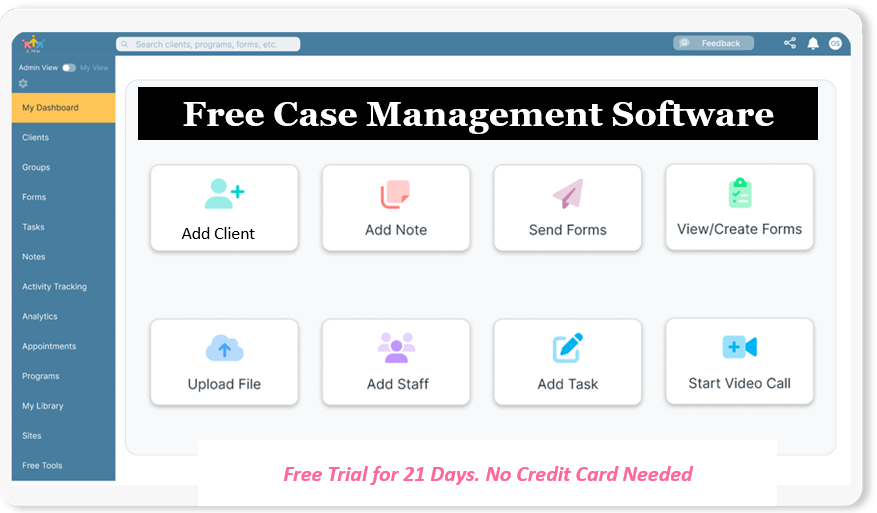
Overcoming Barriers to Effective Therapeutic Communication
Identifying and mitigating the barriers to effective therapeutic communication is a prerequisite for achieving health equity and clinical accuracy. Language differences, cultural nuances, and cognitive impairments can all distort the transmission of information.
Cultural competency in therapeutic communication is not merely a box to check; it is a clinical necessity that involves understanding how a patient’s background influences their perception of illness and treatment. Utilizing professional medical interpreters rather than family members is a critical standard to prevent the omission of sensitive clinical details.
Cognitive and emotional barriers, such as high anxiety or “white coat syndrome,” can also stifle the flow of information. To address this, case managers should employ therapeutic communication skills in digital health tools, such as pre-visit surveys or secure messaging, which allow patients to process their thoughts in a lower-stress environment.
By addressing these hurdles early, organizations can see a marked improvement in reducing intake assessment friction in healthcare, leading to faster transitions of care and reduced administrative overhead.
Trauma-Informed Interviewing Techniques for Case Managers
A significant portion of the patient population has experienced some form of trauma, which can resurface during a clinical interview. Implementing trauma-informed interviewing techniques for case managers involves realizing the prevalence of trauma and ensuring that the interview process does not re-traumatize the individual. This means asking for permission before diving into sensitive topics and giving the patient control over the pace and depth of the conversation.
The “Universal Precautions” approach to trauma assumes that every patient may have a trauma history, leading clinicians to use more careful, supportive language by default. This approach is particularly important when using mental health screening tools for case management, as the questions in these assessments can be triggering. By creating a collaborative environment, you foster a sense of safety and empowerment, which are the cornerstones of trauma-informed care.
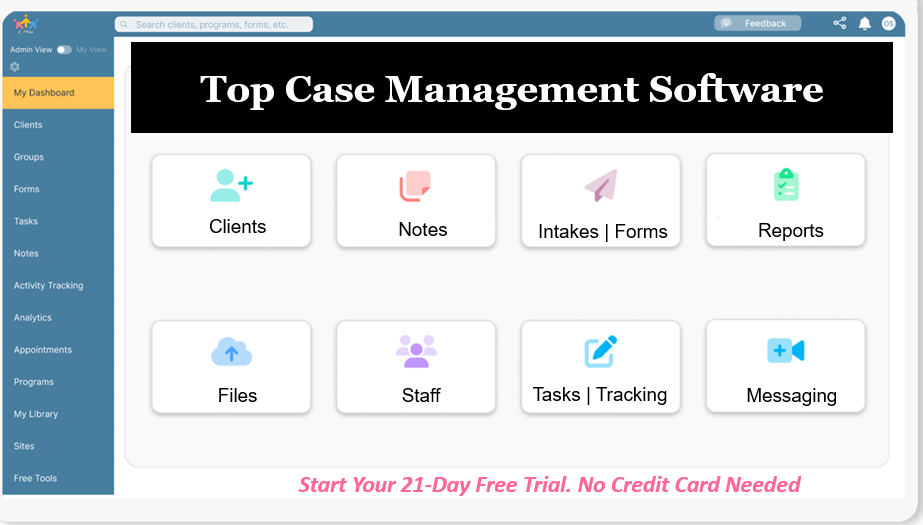
Do You Have a Team? Our best all-in-one client and top case management software simplifies everything from client intake and assessments to programs, projects, goals tracking, planning, scheduling, documentation, reporting dashboard, and progress tracking.All-in-One Case Management Software
Sign Up Today, Free
No credit card needed!
Best Practices for Conducting Telehealth Interviews
The shift toward virtual care necessitates a specific set of best practices for conducting telehealth interviews. Technical proficiency is just as important as clinical skill in this medium. Practitioners must ensure a professional background, adequate lighting, and a stable connection to prevent disruptions that could break the therapeutic flow.
It is also important to explicitly discuss privacy at the start of the call, verifying that the patient is in a secure location where they feel comfortable speaking freely.
Despite the lack of physical presence, case managers can still employ interprofessional communication strategies in healthcare by virtually bringing in specialists or pharmacists during the session. This “warm handoff” in a digital space ensures continuity of care and reinforces the patient’s trust in the entire care team.
Virtual interviews also provide a unique opportunity to observe the patient’s home environment, offering valuable insights into social determinants of health that might not be visible in a clinic setting.
Technical Comparison of Intake Documentation Efficiency
| Metric | Traditional Paper/Manual | EHR-Only Documentation | CMH Integrated Workflow |
| Avg. Time per Intake | 45-60 Minutes | 30-45 Minutes | 15-20 Minutes |
| Data Transfer Errors | High (Manual Entry) | Moderate | Low (Automated/ Logic) |
| Compliance Risk | Significant | Moderate | Minimal (Auto-Audit) |
| Patient Satisfaction | Low (Repetitive) | Average | High (Streamlined) |

Maximizing Clinical Documentation Compliance for Intake Interviews
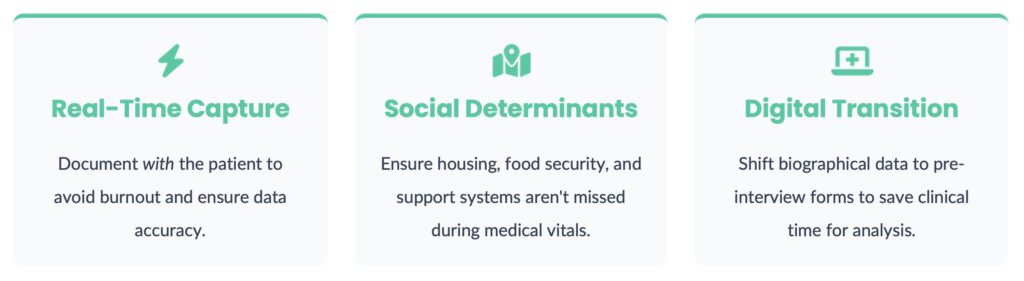
Maintaining clinical documentation compliance for intake interviews is essential for both legal protection and reimbursement. Every encounter must be documented with enough specificity to justify the level of care provided.
Using a psychosocial assessment framework for clinicians ensures that no critical domains are missed, such as housing stability, food security, or support systems. Detailed notes should capture not only what the patient said but also clinical observations regarding their affect and cognitive state.
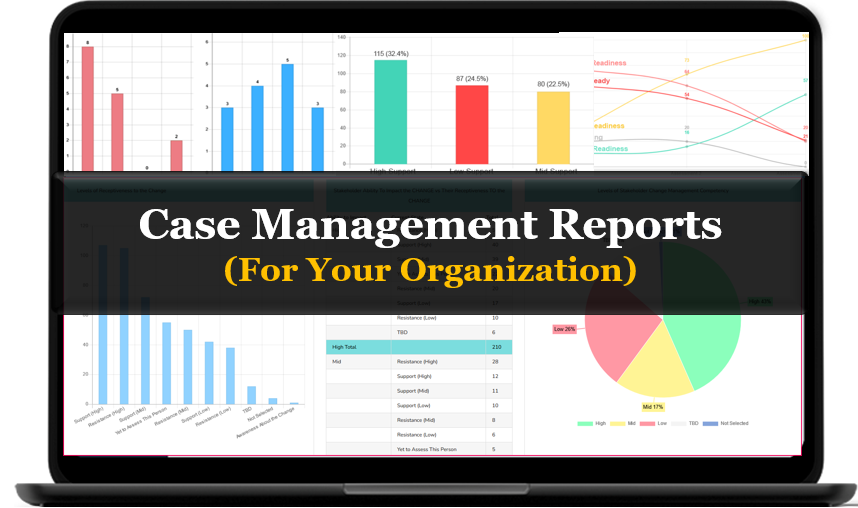
To improve efficiency, many organizations are turning to case management workflow optimization for patient intake. This involves using standardized templates that prompt the clinician for required information while allowing for narrative notes. By optimizing patient data collection at intake, case managers can spend less time on administrative tasks and more time on the therapeutic aspect of the interview.
High-quality documentation also facilitates better interprofessional communication strategies in healthcare, as the entire care team can rely on a single, clear source of truth regarding the patient’s status and goals.
People Also Ask
What are the 5 stages of a therapeutic interview?
The five stages typically include the preparation phase, the orientation or introductory phase, the working phase where data is collected, the summary phase to clarify information, and the termination phase where next steps are established. Each stage requires specific active listening techniques for healthcare professionals to ensure the patient feels heard and supported throughout the transition.
How do you build rapport in a clinical interview?
Building rapport involves using empathetic listening, maintaining a non-judgmental stance, and demonstrating genuine interest in the patient’s well-being. Employing strengths-based interviewing in case management is particularly effective, as it focuses on the patient’s existing capabilities rather than just their pathologies, which fosters immediate trust.
What is the difference between a social interview and a therapeutic interview?
A social interview is a reciprocal exchange for personal connection, whereas a therapeutic interview is a professional, goal-oriented interaction designed to improve a patient’s health status. Therapeutic interviews require standardized clinical interviewing techniques for case managers to ensure that information is gathered systematically and ethically.
How can I improve my motivational interviewing skills?
Improving these skills requires practice in using “OARS“: open-ended questions, affirmations, reflections, and summaries. Focus on improving patient engagement through motivational interviewing by identifying a patient’s own internal reasons for change rather than providing external directives.
Why is documentation important during a therapeutic interview?
Documentation serves as the official record of care, ensuring that the clinical team has access to accurate data for decision-making. Proper clinical documentation compliance for intake interviews also protects the practitioner legally and ensures that the organization meets the standards required for insurance reimbursement.
Switch to an all-in-one case management platform. 👉 Try it Free - No credit card needed🔥Still using spreadsheets for case management?
How Case Management Hub Can Help
Case Management Hub provides the essential digital infrastructure required to execute these complex clinical strategies with precision and ease. Our platform is designed with clinicians in mind, helping experts to streamline the intake process, ensuring that practitioners can focus on the patient rather than the paperwork.
See how easy it is to Create, Edit, and Send a form in Case Management Hub:
Step 1:
From the sidebar, click on the Forms module, search for Basic Intake Form, then click the title to open it.
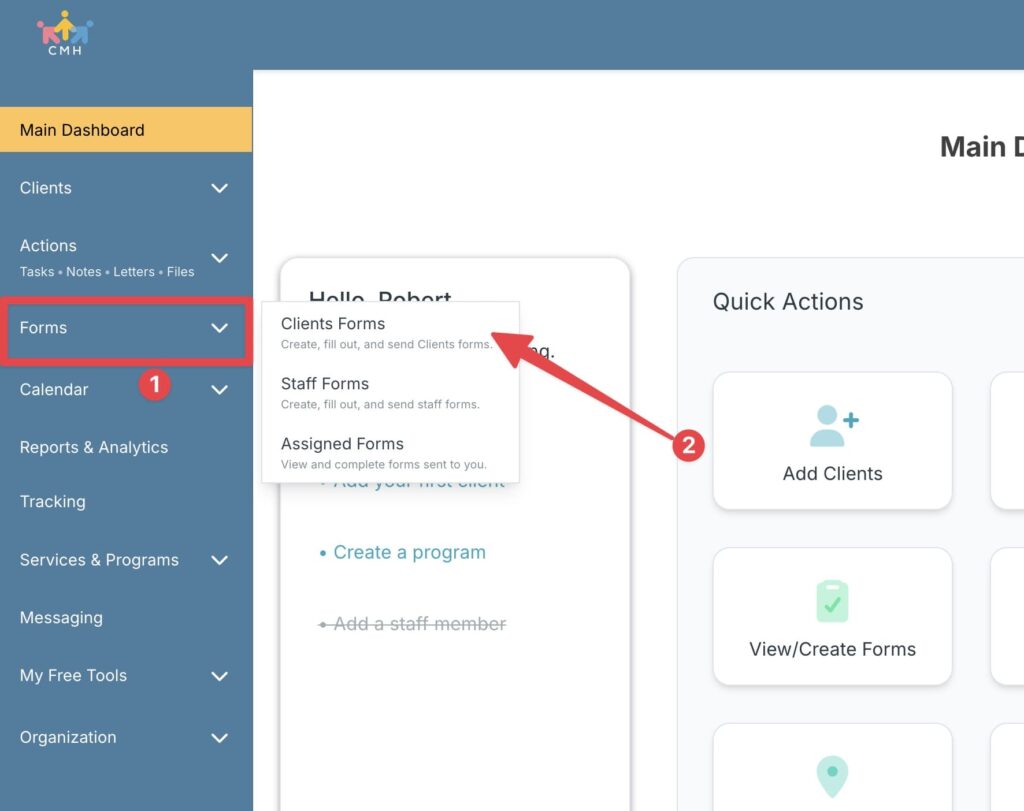
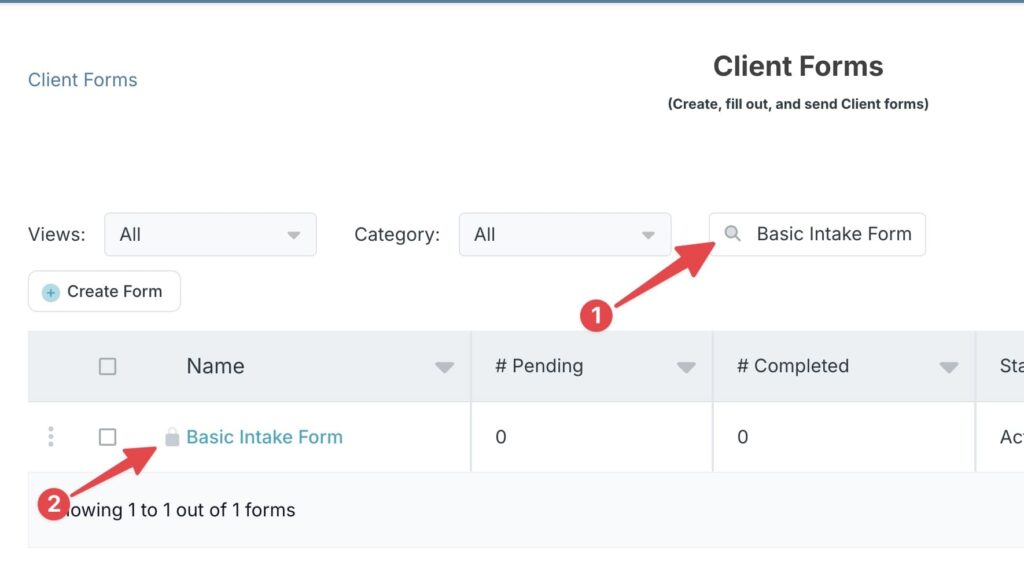
Tip: Forms with a padlock are master templates provided by Case Management Hub to help you get started. You can easily customize these to make them your own.
Step 2:
Click Edit Template to start customizing the form to your needs. Once done, click Save.
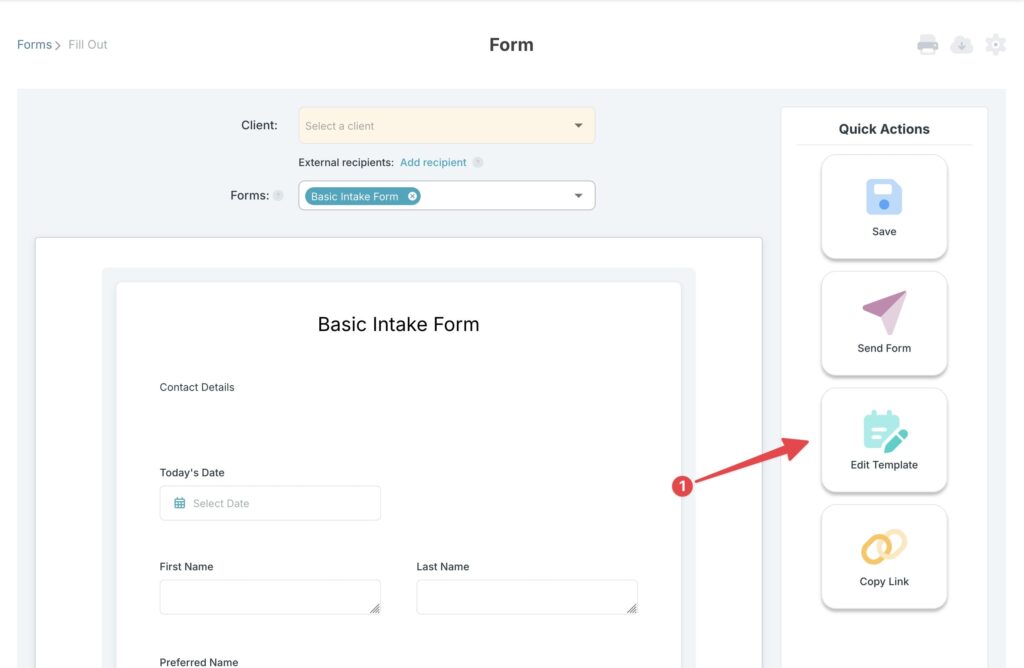
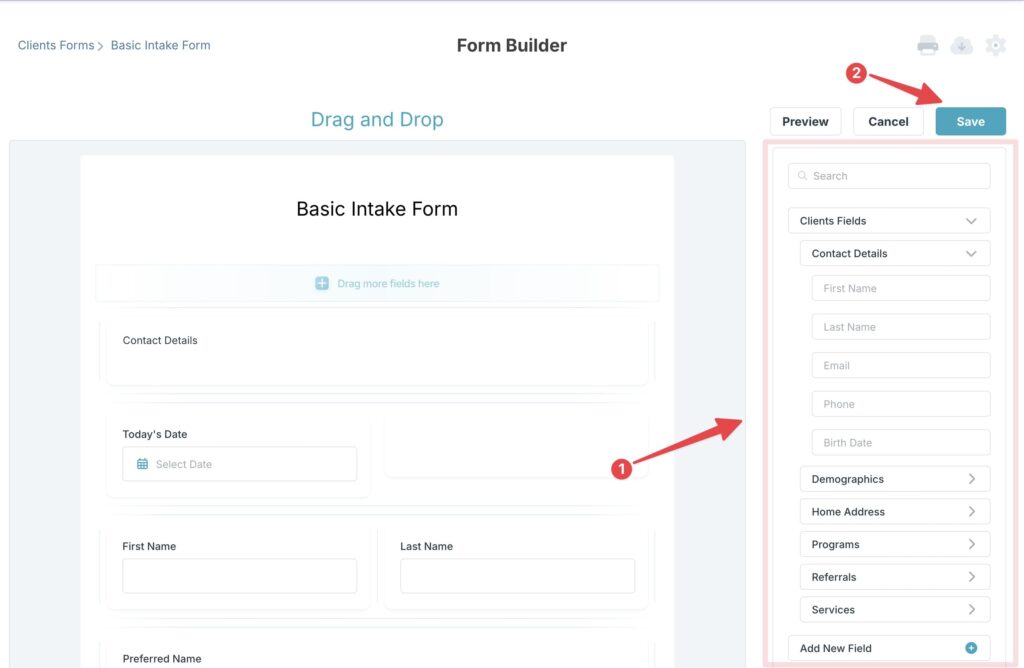
Tip: You can add new form fields using the right sidebar. Just drag them straight into your form.
Step 3:
Select a client to start filling out the form on their behalf. Once done, click Save.
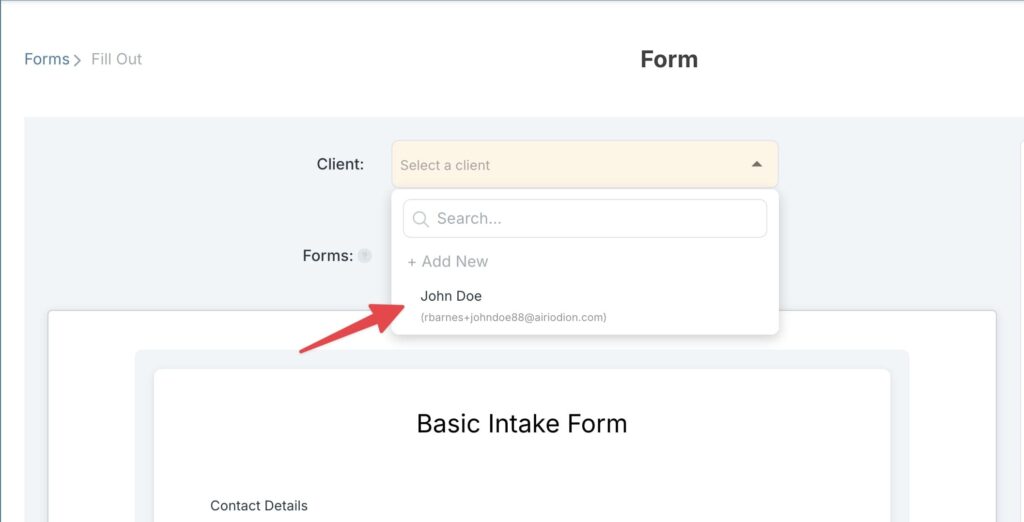
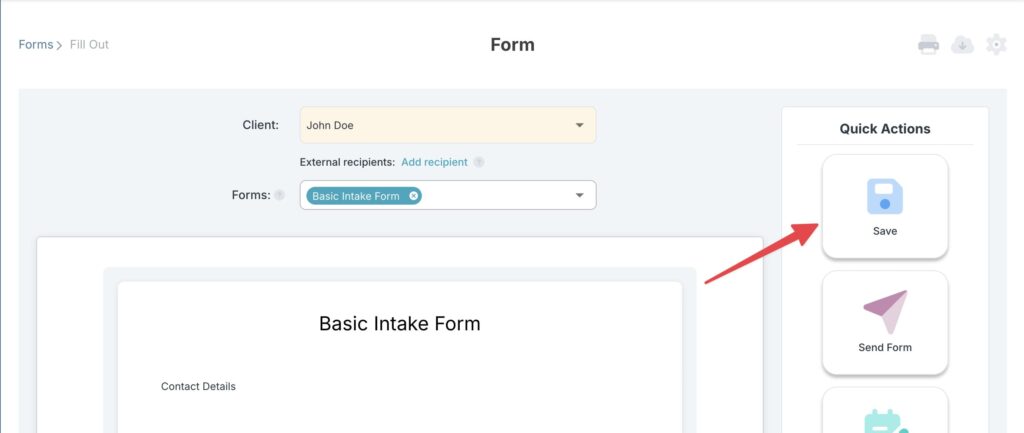
Tip: No need to re‑type your client’s data, it magically fills in the form for you, saving you time.
Step 4:
Or to send the form directly to a client, click Send Form, then select the clients. When you’re ready click Send.
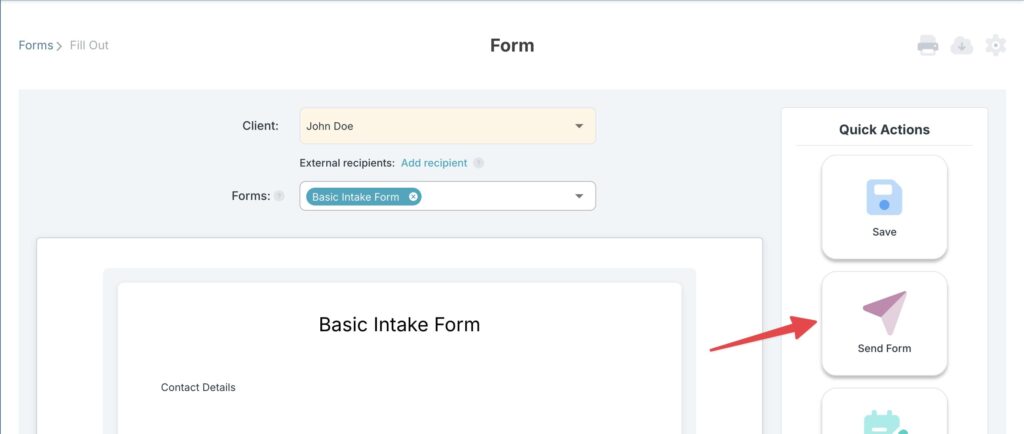
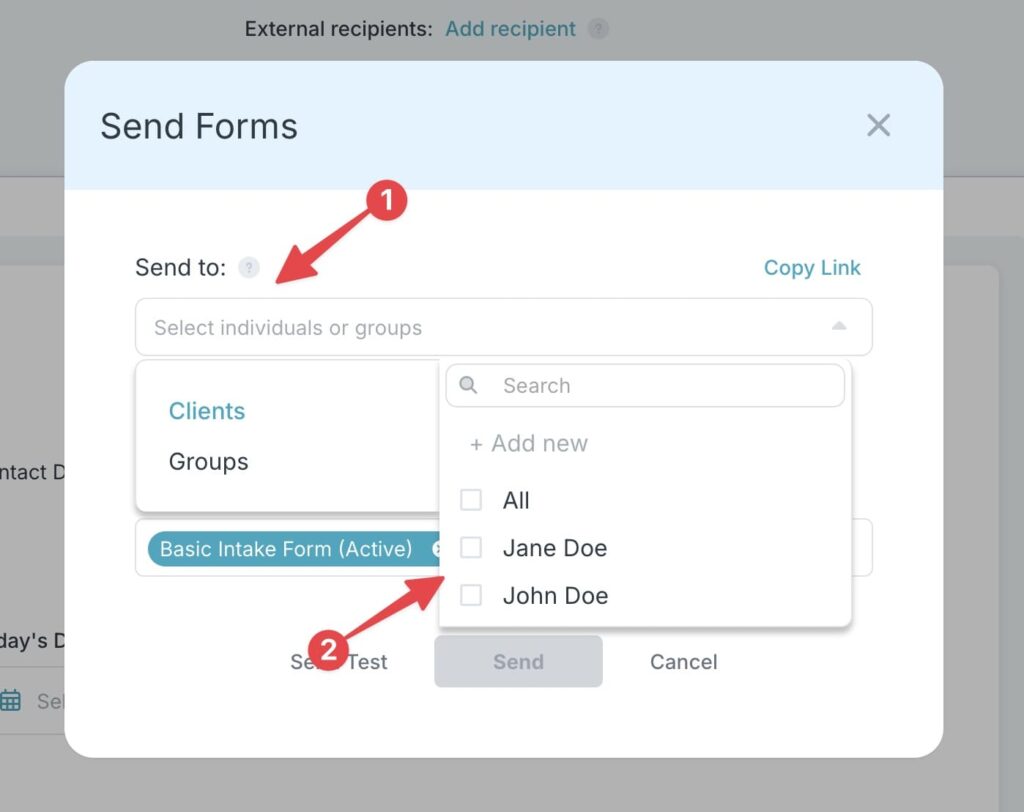
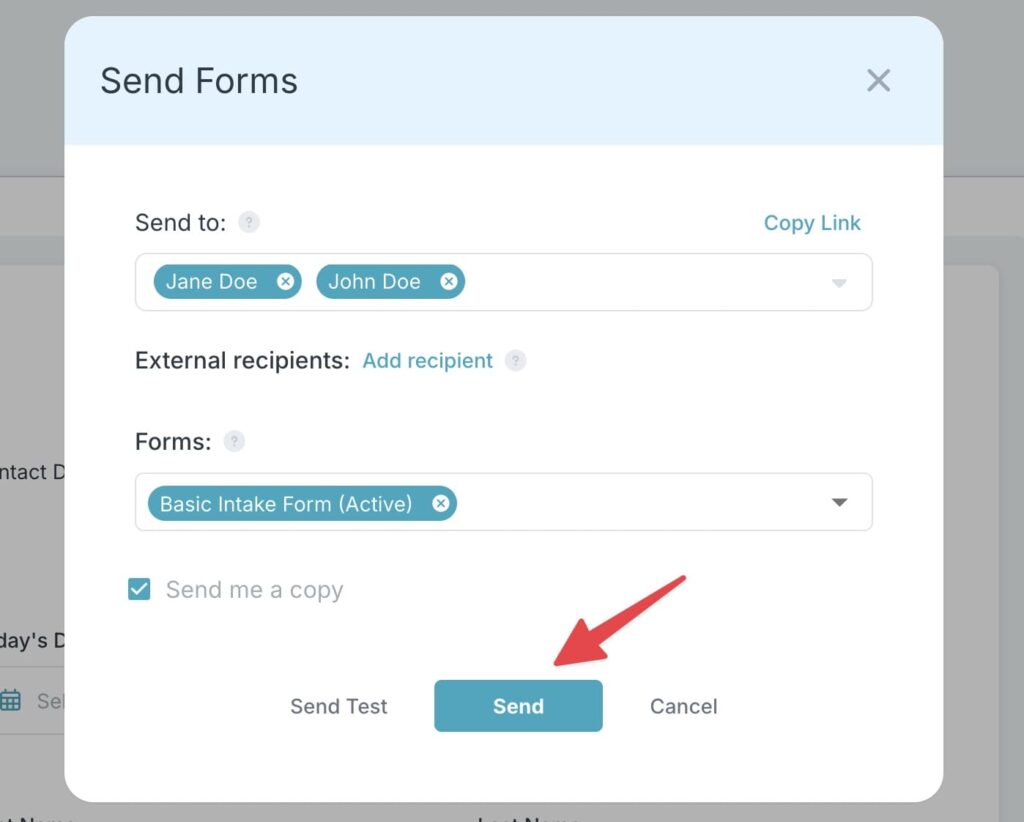
Tip: You can send the form to clients that are not yet part of Case Management Hub (External recipients) by clicking “Add recipient” and filling out their email, first name, and last name.
Step 5:
Create a public link for your form so you can easily share it with anyone. Just click Copy Link to publish your online form.
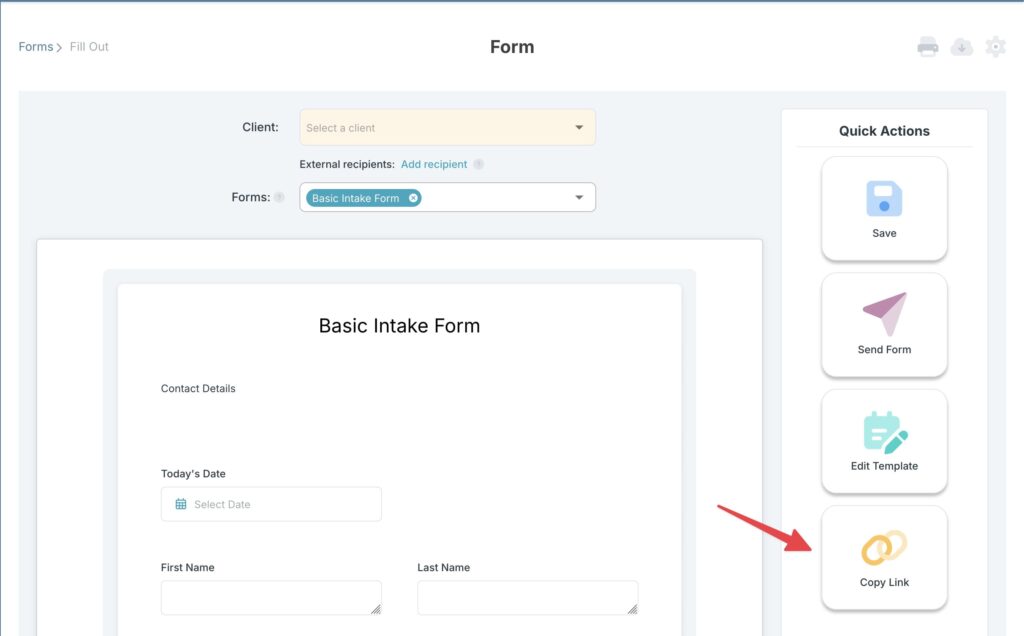
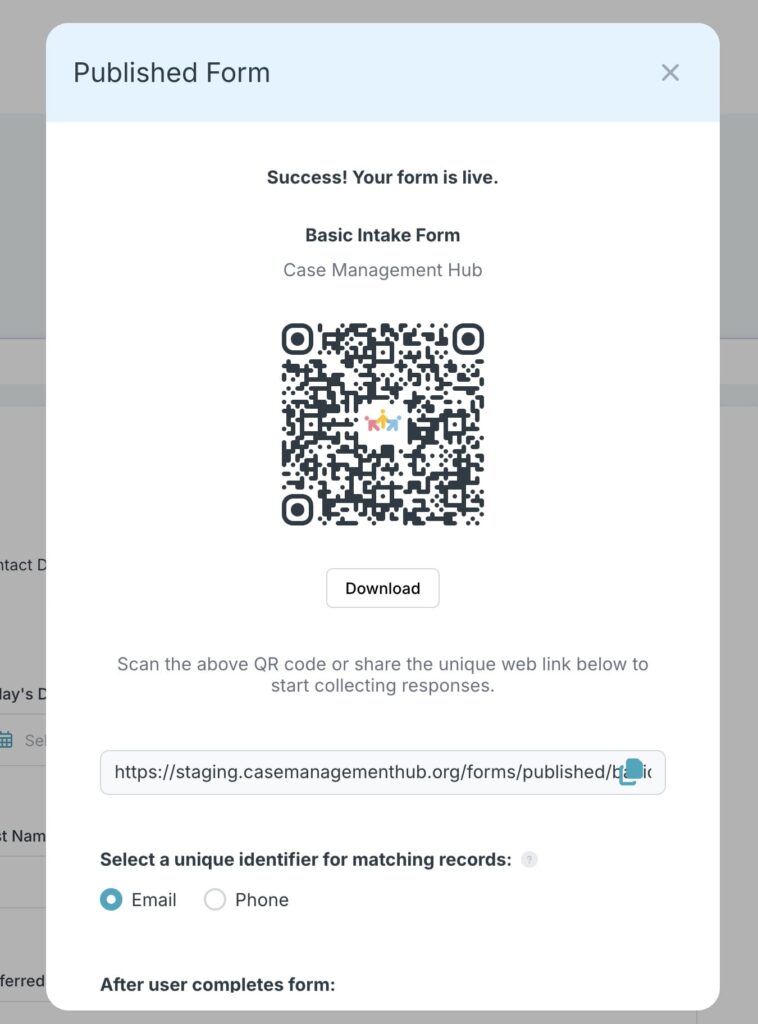
Tip: A link will automatically be created for you but you can always edit this and other form settings even after creating the online form. Just click on the gear icon in the top right corner of the form page to bring up the form settings.
Ready to take your therapeutic interviews to the next level? Dive in with a free 21-day trial today (no credit card needed).
👉 Try it Free today - No credit card needed
Frequently Asked Questions about Therapeutic Interviews
The primary goals are to establish a trusting relationship, gather accurate clinical and psychosocial data, and develop a collaborative care plan. By focusing on enhancing patient outcomes with structured interviews, clinicians can ensure they cover all necessary medical history while simultaneously fostering a therapeutic alliance. Success is measured by both the quality of the data collected and the patient's willingness to engage in the recommended treatment plan.
In such cases, it is vital to identify the underlying barriers to effective therapeutic communication, which may include fear, cultural stigma, or past negative experiences with the healthcare system. Using trauma-informed interviewing techniques for case managers can help de-escalate anxiety and give the patient a sense of control. Sometimes, transitioning to a different medium or using simpler mental health screening tools for case management can lower the barrier to entry for communication.
Technology acts as an enabler for more efficient and comprehensive assessments. Therapeutic communication skills in digital health are now required as more interviews move to telehealth platforms. Advanced case management software for therapeutic documentation allows for real-time data entry, which reduces the double work of taking clinical notes and then transcribing them into a system later, thereby reducing errors.
Structured interviews provide a consistent framework that ensures all practitioners within an organization are collecting the same set of vitals and history. This consistency is essential for clinical documentation compliance for intake interviews and for generating reliable population health data. While they provide a roadmap, the best case managers still weave in active listening techniques for healthcare professionals to keep the conversation from feeling robotic.
Cultural competency in therapeutic communication ensures that the clinician is aware of how a patient's ethnicity, religion, or sexual orientation might influence their health beliefs. Without this awareness, a case manager might misinterpret a patient's silence or lack of eye contact as non-compliance when it may actually be a sign of respect or a specific cultural norm. This mastery is critical for reaching diverse populations and reducing health disparities.
Strengths-based interviewing in case management empowers patients by highlighting their resilience and past successes in managing their health. This approach shifts the power dynamic to a more equal partnership, which significantly improves the likelihood of behavioral change. It helps in improving patient engagement through motivational interviewing by building the patient's confidence in their ability to adhere to a complex medical or social care plan.What are the primary goals when you conduct an effective therapeutic interview?
How can case managers handle resistant or non-communicative patients?
What role does technology play in modern clinical interviewing?
How do structured interviews help in a case management setting?
How does cultural competency impact the interviewing process?
What is the benefit of strengths-based interviewing for patients?
👉 Try it free today - No credit card needed
Note: Content on this website (socialworkportal.com) is copyrighted and protected under applicable copyright laws. Unauthorized reproduction, distribution, or use of any content from the website, without explicit written permission, is strictly prohibited. Read: Terms of Use.
Social Work Portal Disclaimer: Social Work Portal is not a social work agency and we do not refer social workers. This web site is provided for educational and informational purposes only and does not constitute providing medical advice or professional social and healthcare services. The information provided should not be used for diagnosing or treating a health problem or disease, and those seeking personal medical advice should consult with ... Read our full disclaimer here: Social Work Portal Disclaimer.