Balancing Clinical Insight with Seamless Practice Operations to Drive Client Success
Choosing the right digital mental health assessment tools can transform a busy therapy practice. Clinicians enter this field to help people, yet administrative tasks like managing paper forms, sorting through files, and manual scoring frequently eat up valuable hours. For modern private practice owners, psychologists, social workers, and clinical supervisors, finding a balance between robust clinical insight and administrative efficiency is essential.
Adopting the right mental health assessment software allows a practice to shift toward evidence-based frameworks without adding to operational friction. Moving past disjointed intake tools means a practice can collect high-quality data, secure client records, and focus more deeply on direct care.
Let’s get started
Watch this video:
or
read the guide below.
What You Will Learn in This Article
- The difference between general workflows and dedicated psychological screening systems
- How to evaluate data privacy and maintain a HIPAA-compliant online therapy platform
- Methods for implementing measurement-based care in mental health without causing clinician burnout
- Ways to integrate assessments with essential practice features like billing and client tracking
- Key user experience factors that keep clients engaged with digital screeners
- A clear framework to guide your team’s ultimate software selection
💡All-in-one Case Management Software.
Everything in one place: clients, notes, forms, appointments, reports, and outcomes.
👉 Try it Free - No credit card needed
Why Does Your Choice of Assessment Architecture Matter?
The tools a practice uses to gather clinical data directly shape its reputation, compliance standing, and day-to-day operations. Implementing a generic intake form might gather basic demographic data, but it leaves clinicians without the objective insights needed for deep treatment planning. Selecting best counseling practice management tools requires looking for platforms that seamlessly host validated mental health assessments.
When a software solution bridges clinical needs with administrative functions, it eliminates the need to jump between separate apps for documentation, notes, and progress monitoring.
To see how data flows in an optimized system, consider the sequence below:
| Phase | Core Activity | Clinical Value |
| 1. Digital Intake | Client completes basic questionnaires online | Streamlines onboarding before the first session |
| 2. Validated Assessment | Standardized symptom screens are scored automatically | Establishes objective, empirical baselines |
| 3. Treatment & Notes | Intake insights automatically feed into clinical notes | Guides structured, highly personalized care plans |
| 4. Outcome Reporting | Progress is analyzed and visualized over time | Tracks treatment efficacy and drives client retention |
How Do Validated Screeners Shape Clinical Outcomes?
Relying on informal or unstandardized intake questions risks missing subtle clinical presentations. Utilizing standardized, clinical instruments ensures you capture accurate data right from the start. Transitioning to digital clinical intake forms that embed established psychometric screening templates provides clinicians with clear, structured baselines.
| Feature | Unstandardized Intake Questions | Validated Psychometric Templates |
| Data Format | Relies heavily on open-ended text answers | Uses structured, empirical scoring systems |
| Subjectivity | Subject to high subjective bias during review | Establishes clear, normalized baseline metrics |
| Progress Over Time | Difficult to compare accurately across sessions | Built specifically for session-over-session trending |
| Risk Detection | Higher risk of missing subtle or secondary symptoms | Screens systematically and thoroughly for clinical risks |
Using validated screeners allows you to track specific symptoms over time with high confidence. A clinical program manager or a private practitioner can rely on these structured formats to maintain objective consistency across the entire client roster.
👉 Try it Free - Free Case Management System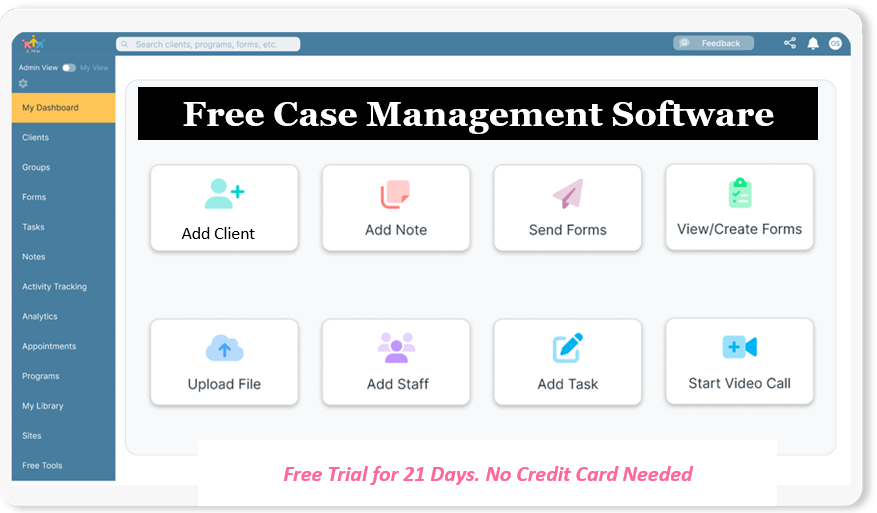
What is the Impact of Measurement-Based Care on Client Retention?
Using systematic data to guide treatment stands as one of the most effective strategies for improving clinical outcomes. The American Psychological Association highlights that regularly collecting patient-reported data throughout care significantly improves treatment outcomes and lowers the likelihood of client deterioration. Research indicates that implementing measurement-based care in mental health reduces treatment dropout rates by approximately 20% compared to traditional, unmeasured care.
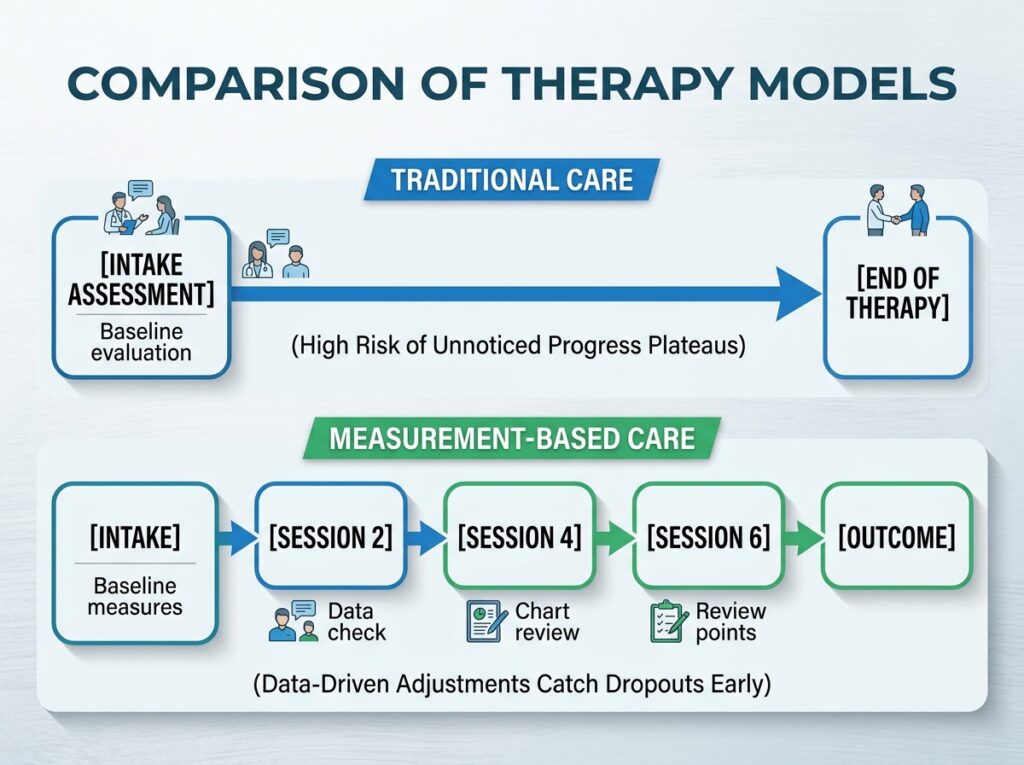
Integrating client progress tracking tools into regular workflows helps clinicians quickly spot plateaus or sudden drops in functioning. Reviewing visual trends alongside clients strengthens the therapeutic alliance, helping them recognize their own growth and remain actively engaged in their care.
How Do Practice Management Features Intersect with Clinical Tools?
Clinical assessments do not exist in a vacuum. A truly scalable practice requires data to flow smoothly into backend business systems. Choosing an all-in-one counseling practice software ensures that once a client finishes an intake screener, the data immediately updates their clinical chart, schedules future sessions, and prepares the billing ledger.
The choice between a specialized, single-purpose testing tool and a comprehensive practice platform comes down to workflow continuity:
- Single-Purpose Systems: These tools offer deep testing options but often create isolated pockets of data, forcing staff to manually copy scores into separate client files.
- Comprehensive All-in-One Platforms: These systems keep intakes, scheduling, note-taking, and secure communications unified in one place, greatly reducing administrative overhead.
For expanding practices and multidisciplinary healthcare teams, choosing an all-in-one system eliminates repetitive double-data entry. It connects clinical measurements directly with structural features like integrated billing and cost tracking for counselors, keeping business practices clean and organized.
Which Technical and Compliance Factors Protect Your Practice?
When managing sensitive health data online, keeping that information secure is non-negotiable. A counseling director or teletherapy practitioner must verify that any tool they adopt provides comprehensive privacy safeguards, moving beyond simple password protection.
Mandatory Compliance Checklists
- Data Encryption: Look for end-to-end encryption for all stored files, intake records, and session notes.
- Business Associate Agreements: Ensure the vendor signs a formal BAA to guarantee complete data accountability.
- Granular User Permissions: Verify that clinical supervisors can manage staff access rights, protecting sensitive records across the organization.
Prioritizing a secure infrastructure alongside secure messaging for therapists and clients keeps your practice fully compliant with industry standards. It protects your clients’ privacy and safeguards your business from costly compliance violations.
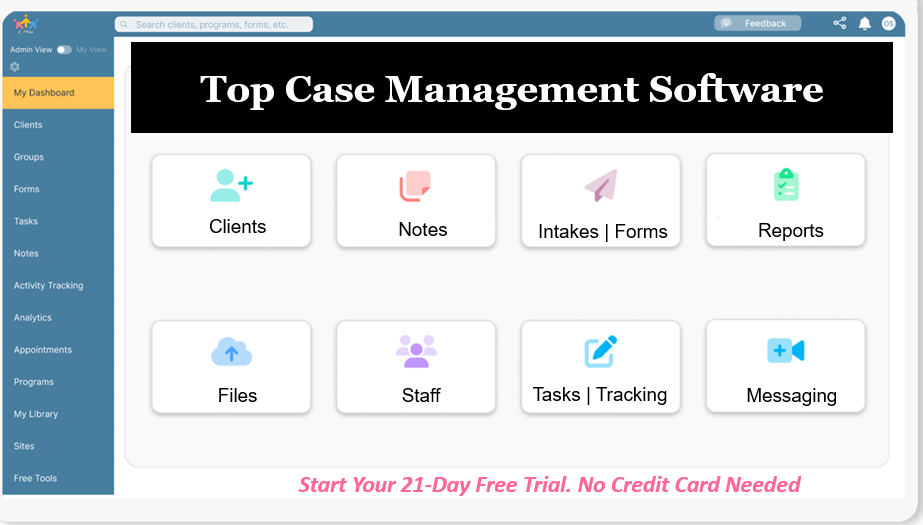
Do You Have a Team? Our best all-in-one client and top case management software simplifies everything from client intake and assessments to programs, projects, goals tracking, planning, scheduling, documentation, reporting dashboard, and progress tracking.All-in-One Case Management Software
Sign Up Today, Free
No credit card needed!
How to Choose Assessment Software for Private Practice?
Finding the right system involves balancing your specific clinical specialties, your team’s workflow, and your operational budget. Rather than guessing your way through the procurement process, your practice can follow a highly structured selection pathway:
| Selection Stage | Area of Focus | Core Operational Action Item |
| Stage 1 | Identify Primary Niche | Define your specific clinical specialties and population demographics. |
| Stage 2 | Map Clinical Workflows | Document how intakes, progress notes, and administrative billing connect. |
| Stage 3 | Audit Compliance Standards | Ensure end-to-end encryption is active and the provider signs a formal BAA. |
| Stage 4 | Select Platform | Match your findings to unified software that eliminates double-data entry. |
- Solo Teletherapy Practitioners: Require a lightweight, cloud-based platform focusing on a secure client portal for therapy and automated appointment scheduling and reminders.
- Trauma-Informed & Specialized Clinics: Need highly customizable, sensitive screening templates that prioritize client comfort and allow for personalized clinical adjustments.
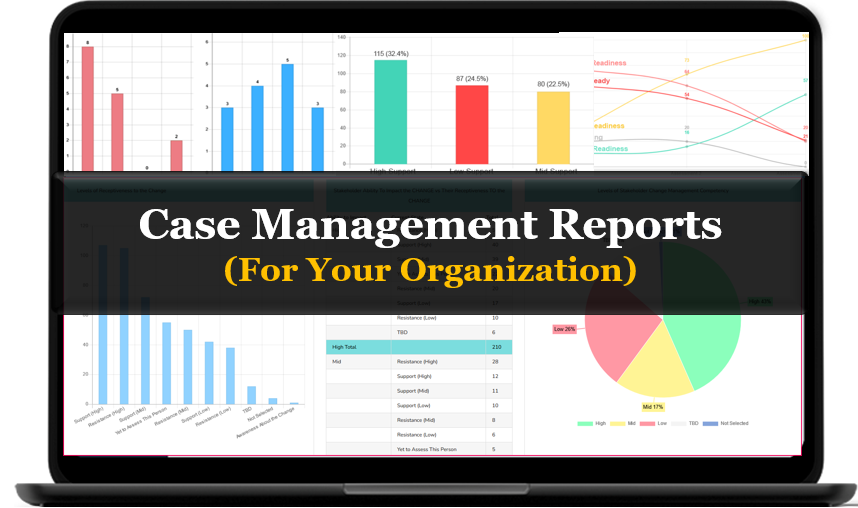
- Community Health Centers & Nonprofits: Require centralized dashboards, robust aggregated reporting capabilities for grant compliance, and secure, multi-user role management.
Focusing on these core needs helps you select software that supports your clinicians’ daily routines and enhances your long-term clinical authority.

People Also Ask
What is mental health assessment software?
Mental health assessment software is a secure digital tool used by behavioral health professionals to administer, score, and analyze clinical screeners and intake forms. These platforms replace traditional paper questionnaires, allowing clients to complete assigned evaluations securely online before or during their appointments.
How does measurement-based care improve counseling outcomes?
Measurement-based care improves outcomes by providing objective, frequent snapshots of a client’s symptom changes and overall functioning. This continuous feedback highlights when a treatment plan needs adjustment, helping to catch plateaus early and lowering client dropout rates by giving both the therapist and client clear visual evidence of progress.
What features should be included in an all-in-one counseling practice software?
A comprehensive counseling software platform should integrate essential clinical and business tools, including automated appointment scheduling, secure digital intakes, encrypted client portals, HIPAA-compliant documentation, integrated billing, progress tracking, and secure messaging.
Why are validated mental health assessments important?
Validated assessments are crucial because they have undergone rigorous scientific testing to ensure reliability and clinical accuracy. Unlike custom or unstandardized forms, validated tools provide clear clinical benchmarks that help practitioners screen for risks and track symptoms accurately.
Is a secure client portal for therapy required for HIPAA compliance?
While the law does not explicitly mandate a specific portal interface, transmitting protected health information (PHI) over standard email or unsecured text messages violates compliance standards. A secure, encrypted client portal provides the necessary technical safeguards to protect client communications and data privacy.
Can automated appointment scheduling and reminders reduce session dropouts?
Yes, automated text and email reminders substantially cut down on missed appointments and late cancellations. Providing clients with clear, timely reminders and easy access to their client portal keeps them engaged and helps maintain treatment consistency across your practice.
Centralizing Your Entire Clinical Workflow
Selecting the ideal assessment tools is a great first step, but real efficiency comes from unifying those tools under a single operational umbrella. If you are juggling multiple individual apps for intake forms, clinical tracking, and case organization, your team is likely losing precious hours to administrative overhead.
Our specialized case management software is built to bring all these moving pieces together into a single, intuitive platform. Designed specifically for social workers, therapists, and human service organizations, it streamlines your workflows so you can focus less on paperwork and more on client care.
See how easy it is to Create, Edit, and Send a form in Case Management Hub (Quick tip: These same steps work for any of our built in form templates):
Step 1:
From the sidebar, click on the Forms module, search for Basic Intake Form, then click the title to open it.
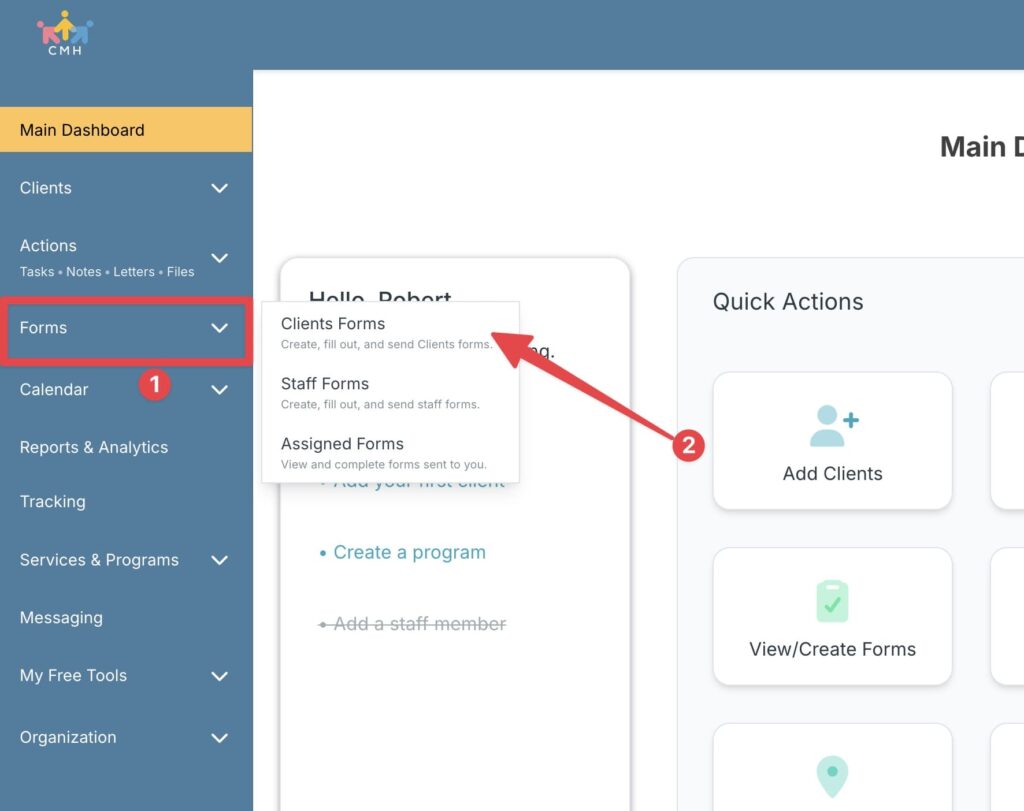
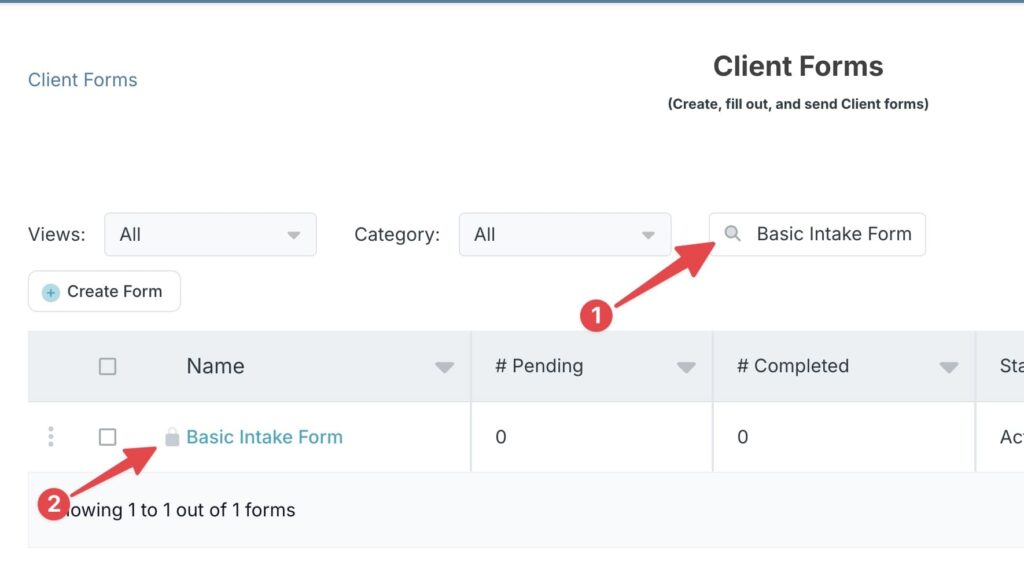
Tip: Forms with a padlock are master templates provided by Case Management Hub to help you get started. You can easily customize these to make them your own.
Step 2:
Click Edit Template to start customizing the form to your needs. Once done, click Save.
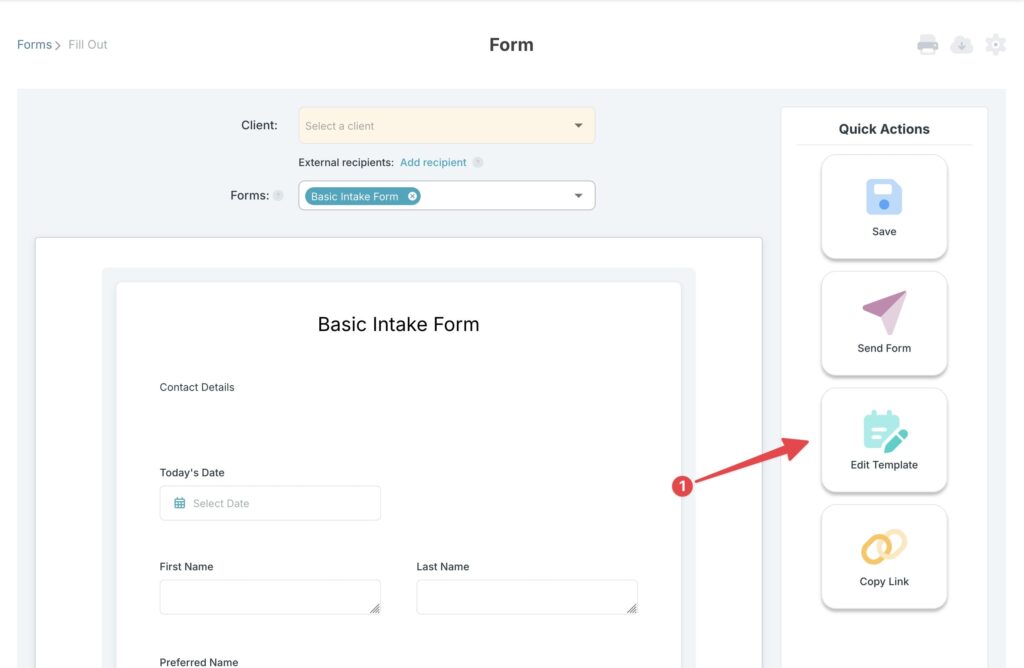
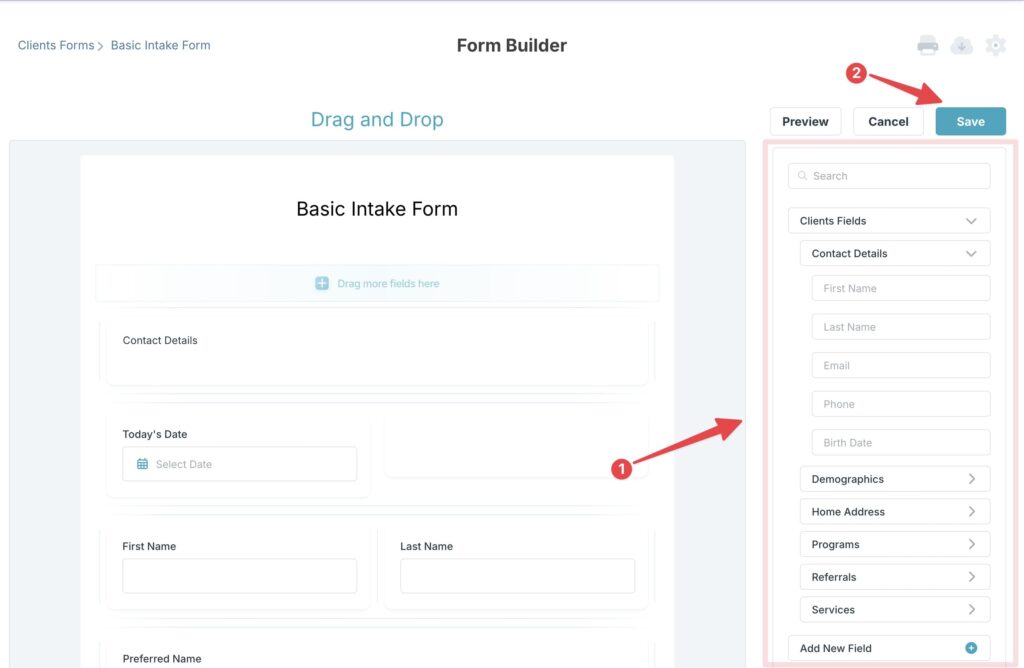
Tip: You can add new form fields using the right sidebar. Just drag them straight into your form.
Step 3:
Select a client to start filling out the form on their behalf. Once done, click Save.
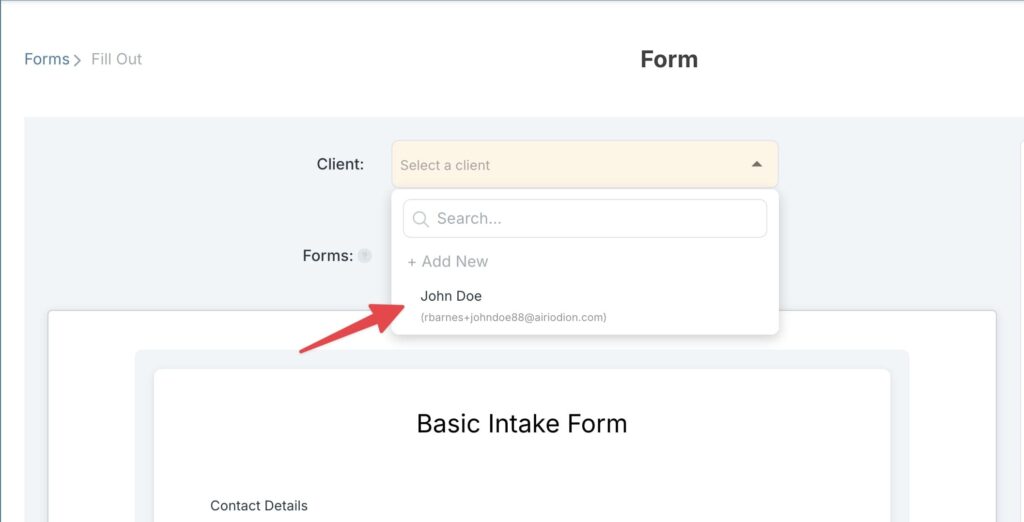
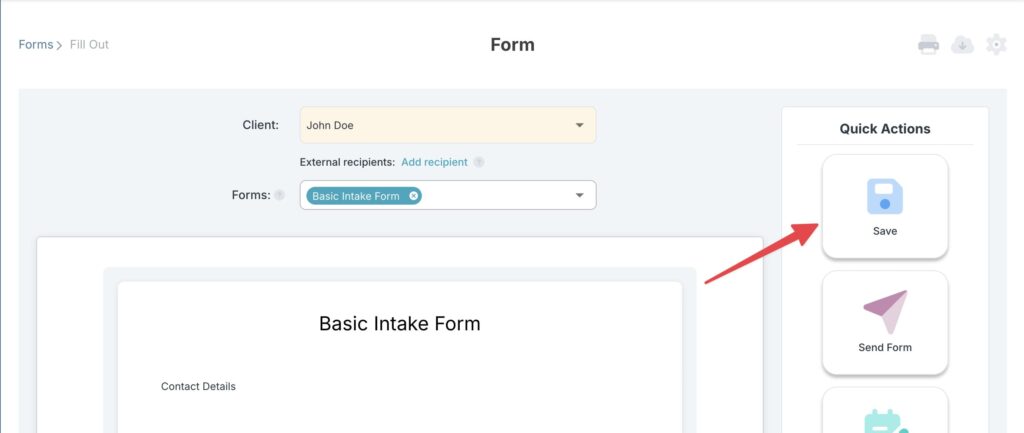
Tip: No need to re‑type your client’s data, it magically fills in the form for you, saving you time.
Step 4:
Or to send the form directly to a client, click Send Form, then select the clients. When you’re ready click Send.
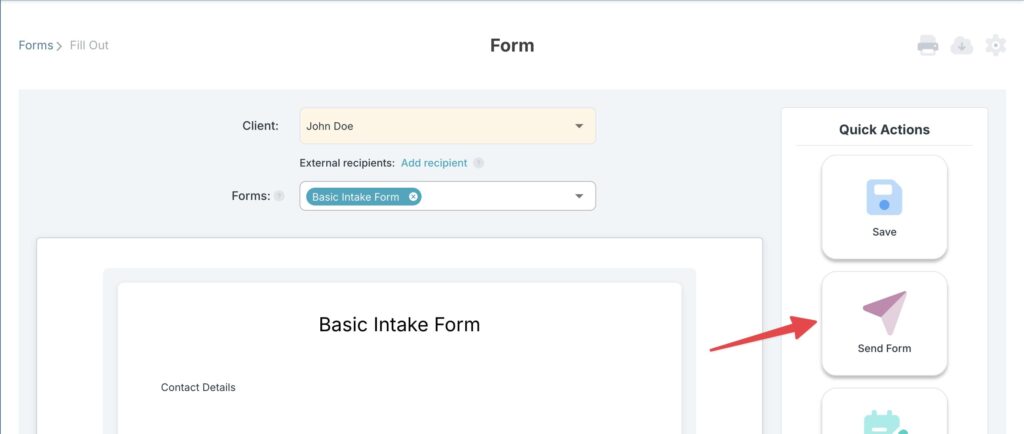
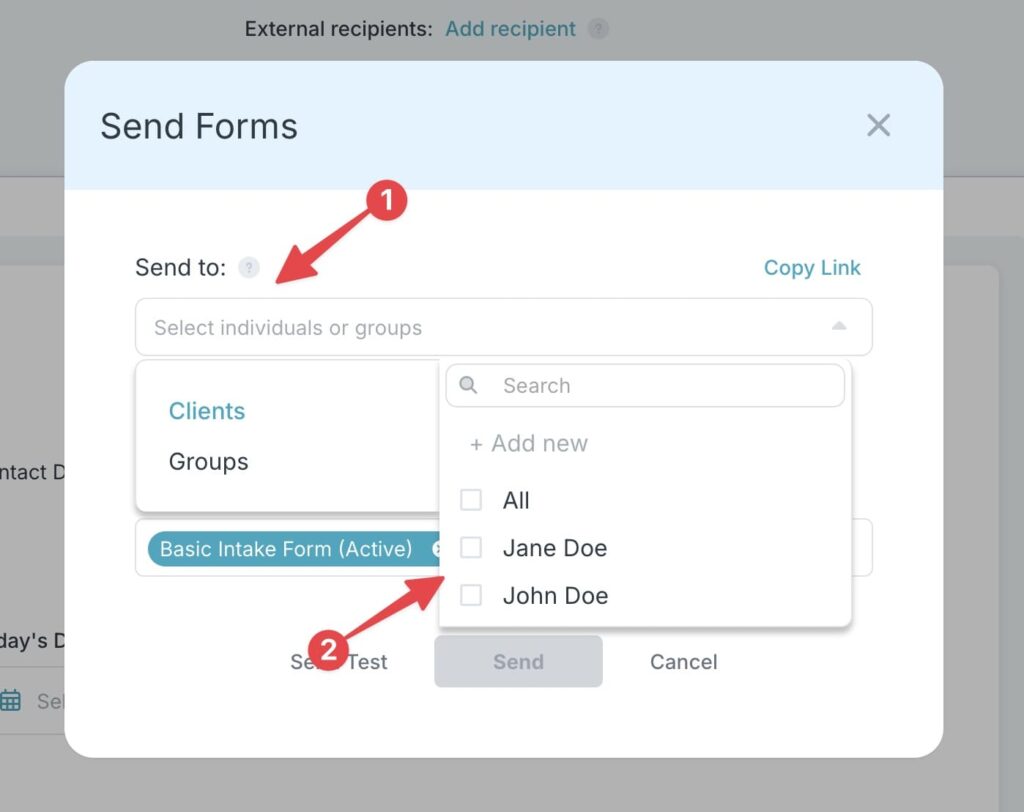
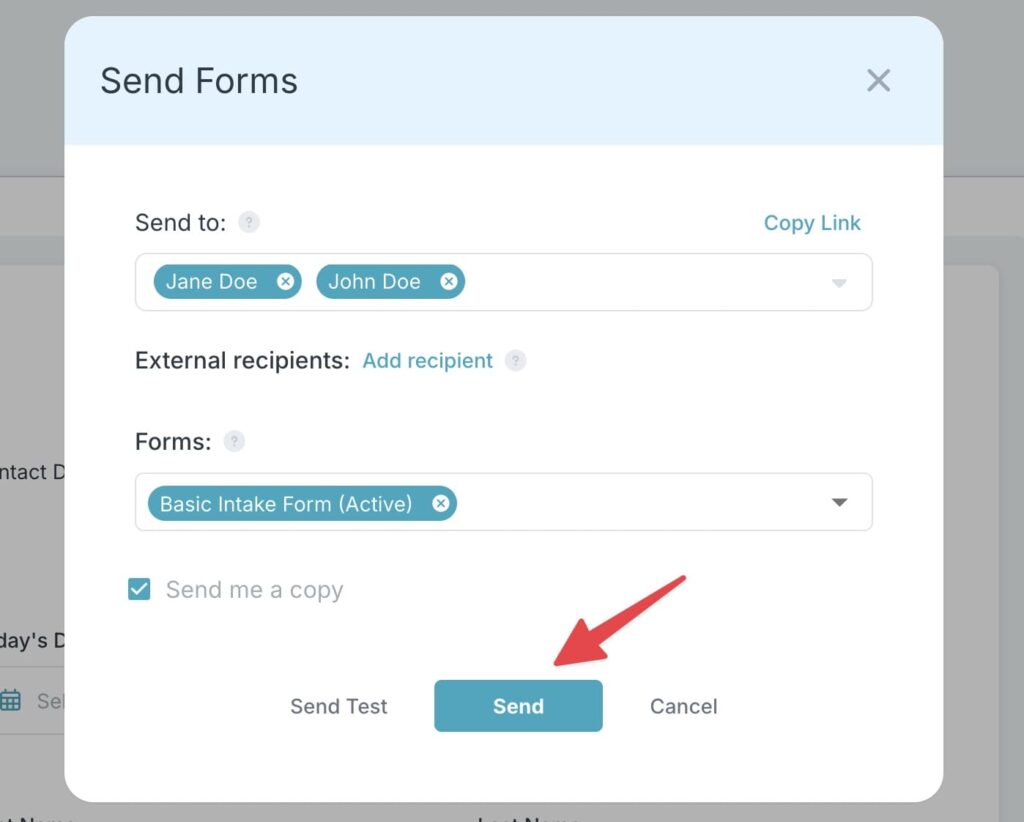
Tip: You can send the form to clients that are not yet part of Case Management Hub (External recipients) by clicking “Add recipient” and filling out their email, first name, and last name.
Step 5:
Create a public link for your form so you can easily share it with anyone. Just click Copy Link to publish your online form.
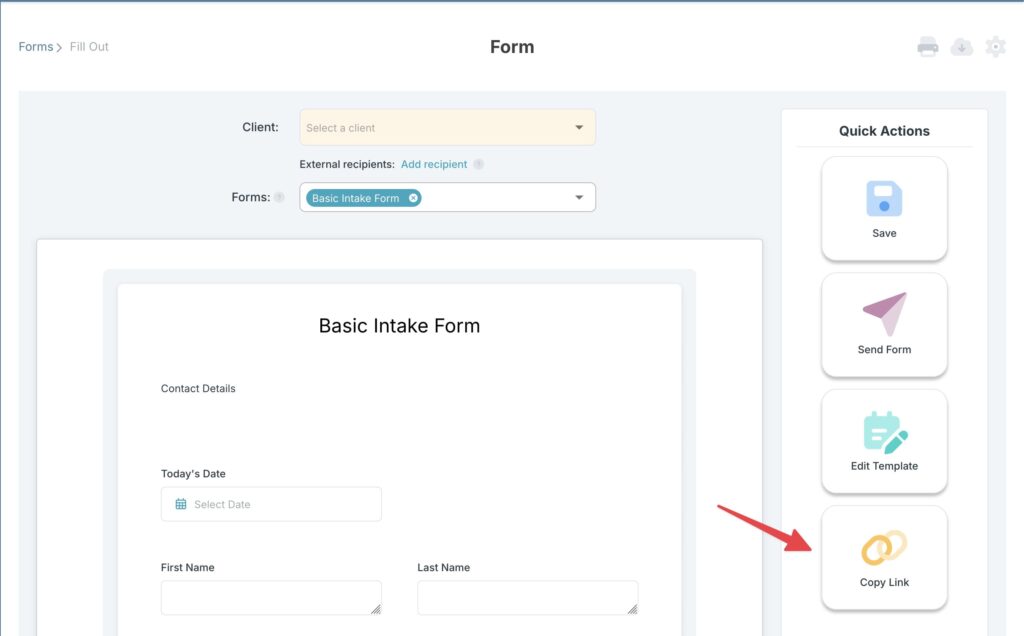
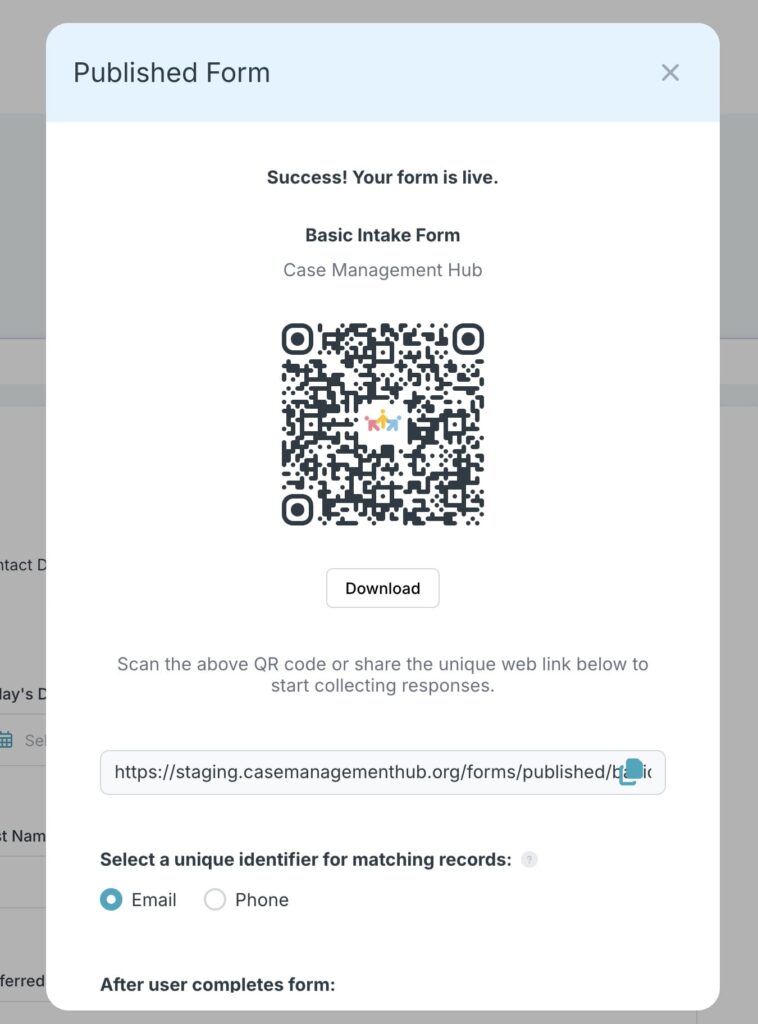
Tip: A link will automatically be created for you but you can always edit this and other form settings even after creating the online form. Just click on the gear icon in the top right corner of the form page to bring up the form settings.
Ready to see how an all-in-one platform can transform your organization’s workflow? Sign up for a free 21-day trial of Case Management Hub today, no credit card required, and experience seamless case management firsthand.
Frequently Asked Questions
What makes an assessment tool truly trauma-informed?
A trauma-informed tool prioritizes client safety, transparency, and choice. It avoids confusing or triggering terminology, clearly explains why certain questions are being asked, and allows clients to complete forms at their own pace within a secure, supportive digital environment.
Can graduate-level mental health students use these platforms during training?
Absolutely. Modern platforms are excellent tools for clinical training programs. They help graduate students learn evidence-based tracking methods, understand structured intake documentation, and practice maintaining strict compliance standards under direct clinical supervision.
How does clinical documentation and notes software prevent audit issues?
Dedicated clinical software enforces structural consistency by using standardized templates like SOAP, DAP, or BIRP notes. It securely timestamps records, tracks revisions, and links progress notes directly to initial assessments, establishing a clear, legally defensible audit trail.
What is the advantage of psychometric screening templates over paper forms?
Digital psychometric templates eliminate manual scoring errors and save significant clinical time. They instantly calculate assessment results, automatically generate progress graphs, and securely attach findings to the client's electronic file without the risk of physical loss.
How do multidisciplinary healthcare EHR workflows handle behavioral health assessments?
Effective multidisciplinary workflows rely on secure, role-based access controls. This structure allows medical staff, therapists, and case managers to view shared client timelines, track collaborative goals, and coordinate care across departments while fully protecting sensitive clinical data.
Can teletherapy assessment tools for remote counselors handle poor internet connections?
High-quality teletherapy tools utilize responsive, cloud-based configurations that autosave client input line by line. If a remote client loses their connection during an intake, their data is preserved, allowing them to resume exactly where they left off without losing their progress.
👉 Try it free today - No credit card needed
Note: Content on this website (socialworkportal.com) is copyrighted and protected under applicable copyright laws. Unauthorized reproduction, distribution, or use of any content from the website, without explicit written permission, is strictly prohibited. Read: Terms of Use.
Social Work Portal Disclaimer: Social Work Portal is not a social work agency and we do not refer social workers. This web site is provided for educational and informational purposes only and does not constitute providing medical advice or professional social and healthcare services. The information provided should not be used for diagnosing or treating a health problem or disease, and those seeking personal medical advice should consult with ... Read our full disclaimer here: Social Work Portal Disclaimer.