Aligning Governance, Operations, and Mission for Long-Term Equity
When founders launch a mission-driven organization, initial energy focuses on core programming, community needs, and fundraising goals. Yet the underlying architecture of your organization—its governing framework—quietly dictates how decisions happen, how power shifts, and how sustainably your team functions.
Choosing an organizational framework is far more than a legal filing exercise. It establishes the power dynamics, operational pathways, and cultural health of your mission. Traditional top-down corporate hierarchies often run counter to community-focused, social justice, and equity-focused principles.
Understanding how to navigate nonprofit organizational structure choices empowers leaders to align legal obligations with ethical principles.
Let’s get started
Watch this video:
or
read the guide below.
What Will You Learn in This Guide?
- Structural Paradigms: How traditional models compare to collective and shared governance.
- Legal vs. Operational: Key differences between 501(c)(3) status, fiscal sponsorship, and cooperatives.
- Evaluating Alignment: Critical factors to consider when choosing a model for your team.
- Transition Strategies: Actionable ways to restructure existing non-profits for equity.
- Operational Tech: How to select software tools that support flat and decentralized workflows.
Why Does Your Nonprofit Organizational Structure Matter So Much?
Many founders view legal entity formation as a simple checklist item. In reality, your operational setup defines where power resides.
A rigid hierarchy can create bottlenecks, burn out executive leadership, and distance decisions from the communities being served. Conversely, intentionally designed values-driven nonprofit governance models build transparency, distribute accountability, and strengthen institutional resilience.
According to data compiled by board research groups, over 68% of nonprofit executives report experiencing high levels of burnout, frequently citing isolated decision-making responsibility and rigid governance demands as primary contributors.
Designing an equitable organizational structure directly addresses these friction points. It shifts your operational model from an administrative burden into an active asset for your mission.
How Do Traditional and Alternative Governance Models Compare?
Selecting a framework requires weighing operational complexity against community-led values. Below is a breakdown of how key governance approaches stack up:
| Governance Framework | Power Distribution | Operational Complexity | Community Autonomy |
| Traditional Top-Down Hierarchy | Concentrated in ED & Board | Low (Clear chains of command) | Low to Moderate |
| Fiscal Sponsorship Model | Shared with Sponsor Entity | Low (Sponsor handles compliance) | High for core programs |
| Worker-Self-Directed / Collective | Distributed among staff | High (Requires consensus/ clarity) | High internal autonomy |
| Cooperative Non-Profit Model | Shared among member-owners | Moderate to High | High community ownership |
Exploring the Options
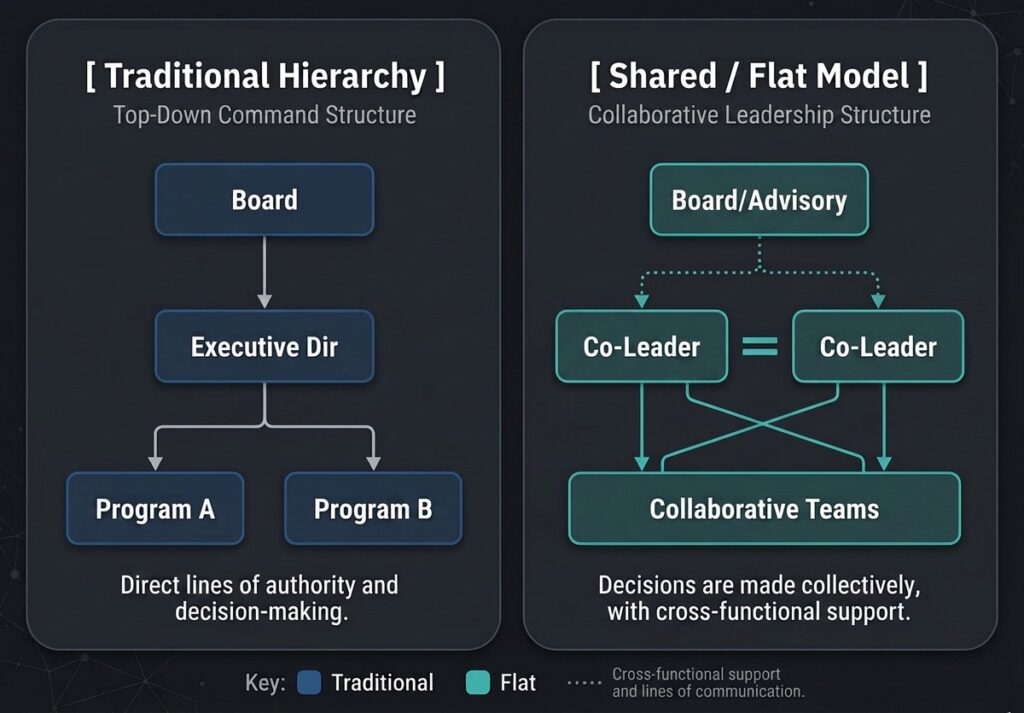
- Traditional Hierarchical Model
- Mechanism: A Board of Directors oversees a single Executive Director, who manages program staff.
- Best For: Scale-focused entities needing rapid decision-making and familiar structures for traditional institutional funders.
- Fiscal Sponsorship Framework
- Mechanism: A tax-exempt parent organization offers administrative and legal infrastructure to a project.
- Best For: Emerging initiatives, grassroots movements, or temporary campaigns seeking to launch quickly without full tax-exempt administration.
- Worker-Self-Directed & Shared Leadership Models
- Mechanism: Decision-making power is distributed across self-managing teams or co-directors, replacing single-leader authority.
- Best For: Equity-focused organizations prioritizing internal wage transparency, democratic operations, and collective power.
- Cooperative Non-Profit Structure
- Mechanism: Owned and democratically controlled by member-workers or community constituents on a one-member, one-vote basis.
- Best For: Community-based programs where beneficiaries directly direct strategic priorities.
How Do You Choose a Nonprofit Governance Model That Fits Your Mission?
Selecting the right path requires evaluating core operational realities alongside your values. Key considerations include:
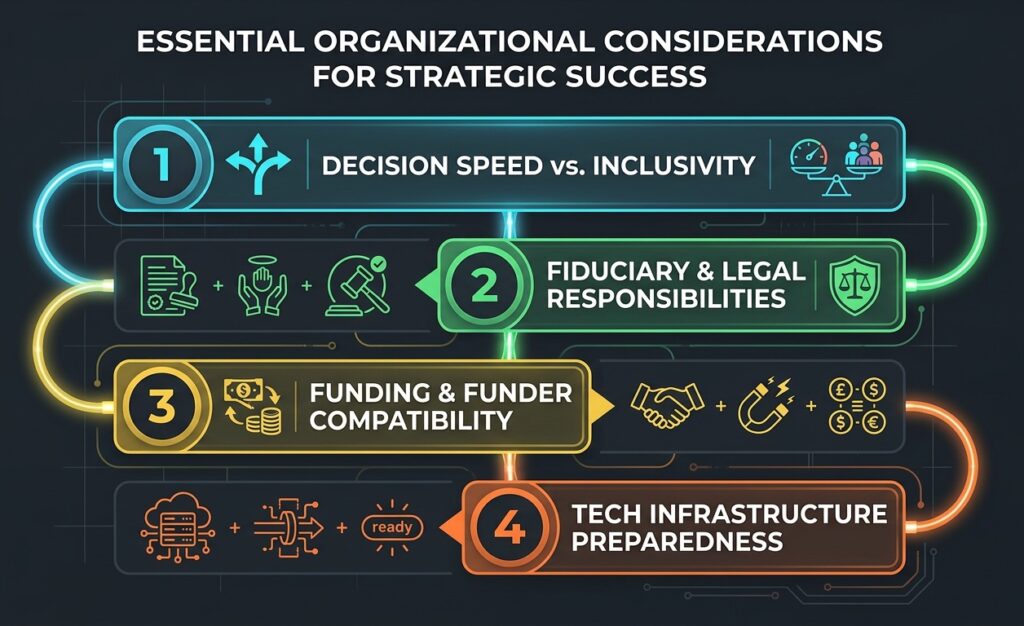
- Decision Speed vs. Inclusivity: Decentralized systems foster deeper alignment but demand clear protocols to avoid decision fatigue.
- Fiduciary & Legal Responsibilities: Every tax-exempt entity must maintain legal oversight. Distributed models require intentional board agreements to remain compliant.
- Funding Landscape Compatibility: Institutional grantmakers often look for traditional leadership structures. Shared leadership models may require clear documentation explaining how accountability is handled.
- Operational & Tech Infrastructure: Distributed models rely on high visibility across client records, timekeeping, scheduling, and outcome metrics to keep teams aligned.
How Can Your Software Systems Support Decentralized and Equitable Models?
When authority is shared across teams, centralized access to data becomes essential. Distributed leadership breaks down if client updates, billing details, or intake reports live in isolated spreadsheets or individual inboxes.
To support equitable, flat management setups, your digital toolkit should feature:
- Transparent Intake & Progress Tracking: Every team member can view client outcomes, program updates, and goals without needing management approval.
- Integrated Scheduling & Secure Messaging: Seamless communication tools reduce scheduling friction for service delivery teams.
- Centralized Data & Grant Reporting: Shared access to timekeeping, costs, and client documentation ensures simple, audit-ready grant reporting.
How Do You Restructure an Existing Non-Profit for Equity?
Transitioning from a traditional model to a shared leadership structure takes time and clear planning.
Step 1: Conduct a Governance & Power Audit
Review where decisions currently get made. Map out administrative, financial, and programmatic choices to identify bottlenecks and single-point dependencies.
Step 2: Transition Board Culture
Update bylaws to allow co-director setups, advisory circles, or staff-represented board positions.
Step 3: Implement Clear Systems & Frameworks
Decentralization requires structured clarity, not unstructured freedom. Set explicit guidelines using decision rights frameworks (such as RACI or advice-based decision models) so team members understand their autonomy.
Step 4: Unify Operations on an Accessible Platform
Equip team members with shared access to documentation, client notes, scheduling, and billing tools. Clear data visibility keeps decentralized teams moving in the same direction.
People Also Ask
What is the most common nonprofit organizational structure?
The most common structure is the traditional top-down hierarchy. In this framework, a volunteer Board of Directors oversees a single Executive Director, who manages paid staff and volunteers.
Can a nonprofit have a flat organizational structure?
Yes. Many organizations adopt worker-self-directed or flat structures where operational power is distributed across self-managing teams. However, they must still maintain a legal Board of Directors to satisfy state and IRS regulatory requirements.
What is the difference between a 501(c)(3) and a fiscal sponsorship?
A 501(c)(3) is a standalone, tax-exempt nonprofit recognized directly by the IRS. A fiscal sponsorship allows a project to operate under the legal umbrella of an existing 501(c)(3) organization, sharing its administrative and tax-exempt status.
How does co-leadership work in a social justice organization?
Co-leadership splits executive responsibilities between two or more individuals (such as an Executive Director of Operations and an Executive Director of Programs). This approach balances executive workload, brings diverse perspectives into strategic decisions, and prevents single-leader reliance.
What is a worker-self-directed nonprofit?
A worker-self-directed nonprofit distributes organizational authority among its workers. Staff members actively participate in strategic choices, wage settings, and operational decisions through democratic consensus or advice processes.
Why do equity-focused organizations avoid traditional corporate hierarchies?
Traditional corporate hierarchies can concentrate power, limit community feedback, and mirror top-down systems that social justice groups seek to address. Flat and democratic governance models ensure internal practices reflect external values.
Streamline Your Case Management & Operations
Whether your organization uses a traditional framework, a co-leadership setup, or a collective model, operational efficiency is key to maintaining focus on your mission. Case Management Hub’s All-in-One Case Management Software brings client management, appointments, intake forms, secure messaging, HIPAA-compliant documentation, and progress tracking together into a single, easy-to-use platform.
But efficiency is only half the equation. To truly optimize your operations and make data-driven decisions about your programs, you need visibility into what’s working—and what isn’t. That’s where our Reports Analytics Dashboard comes in.
Track clients per program, live staff caseloads, demographic equity, and aggregated form data all from a single, centralized dashboard:
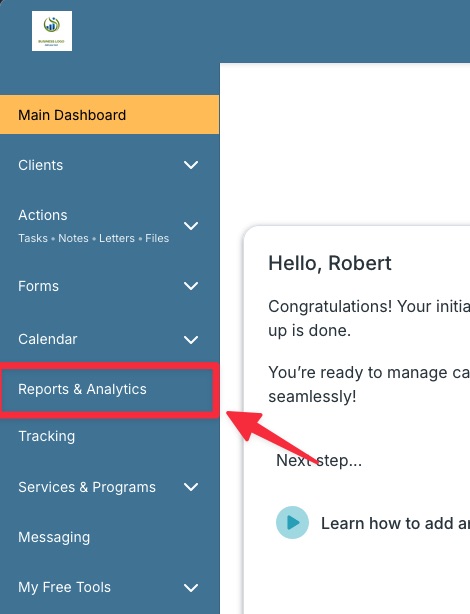
Step 1:
Navigate to the Reports & Analytics module from the sidebar.
Step 2:
Select whether you want view reports on: Organization (reports on clients per program, staff caseload, etc.) Demographics (reports on race, ethnicity, gender, marital status, etc.) Forms, or Goals.
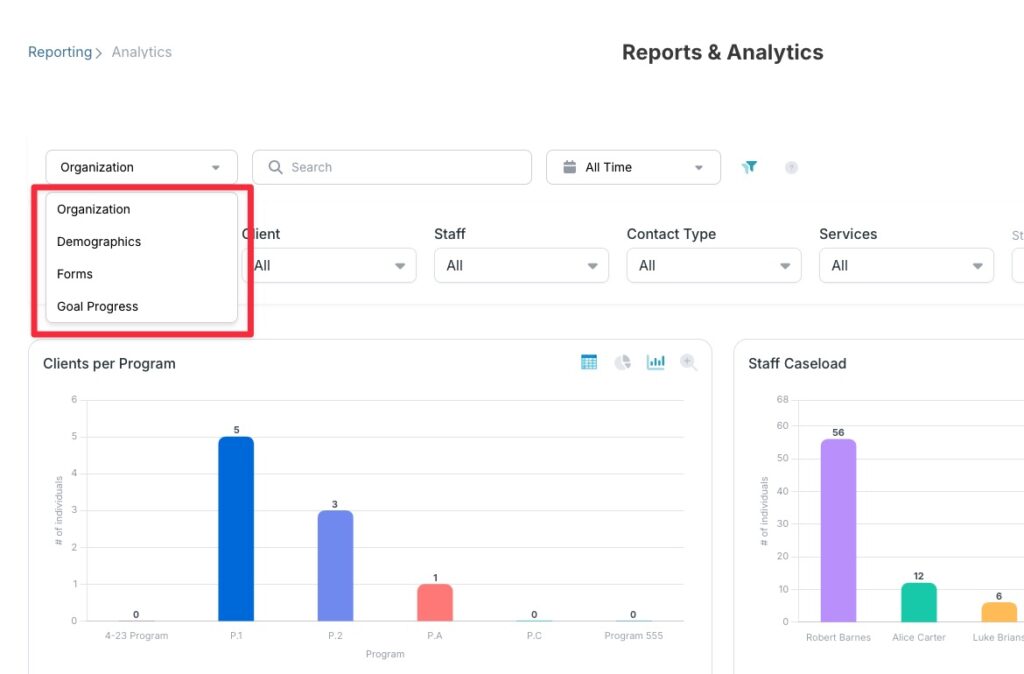
Tip: Reports can be filtered by date as well as other data such as program, client, staff, and much more.
Step 3:
Dig deeper into report details by clicking the magnifying glass. From the detailed popup you can export the graph and the data table.
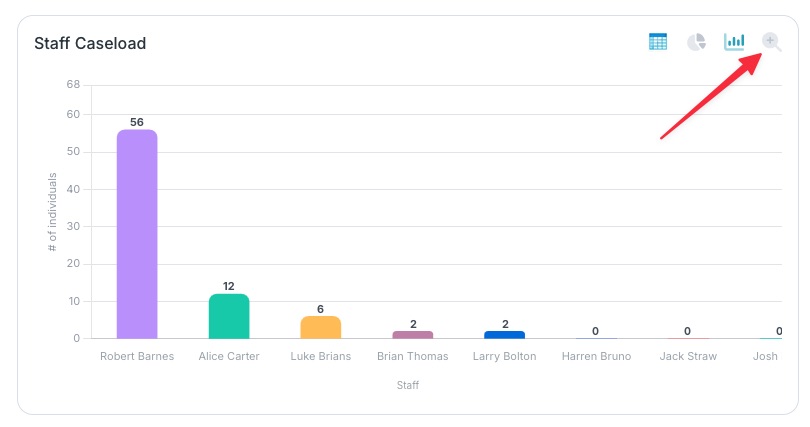
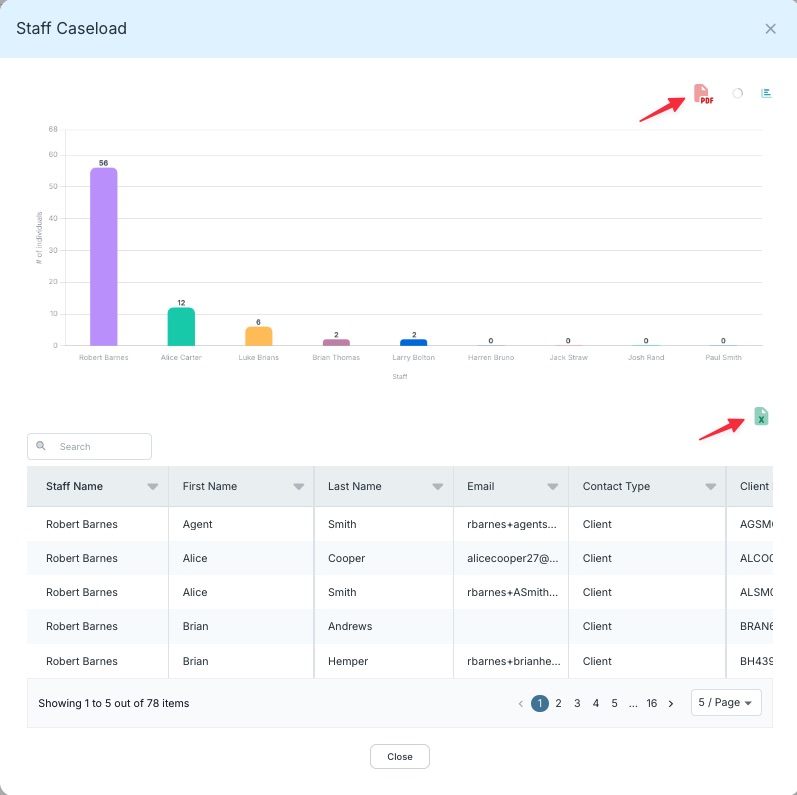
Tip: Graph reports can be viewed in either a bar or a pie chart for a better visual look.
Step 4:
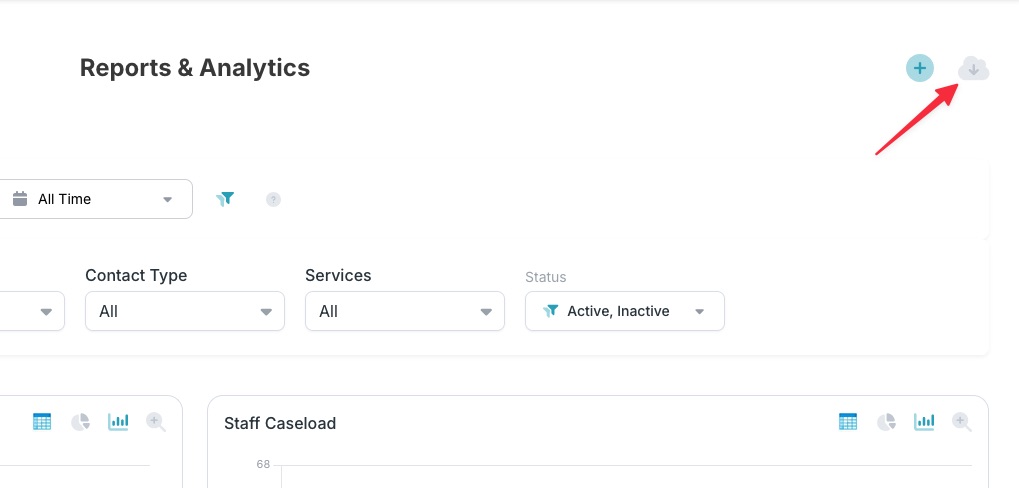
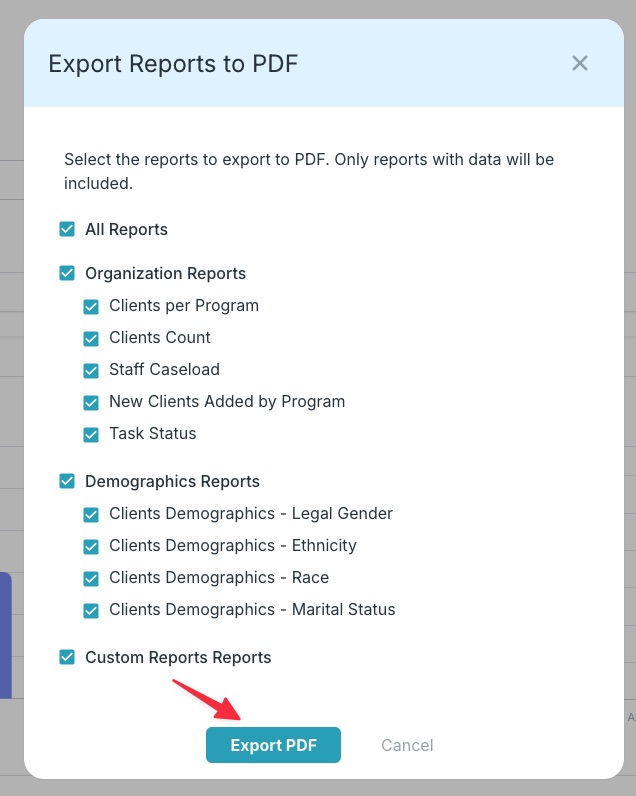
Export your entire dashboard or selected reports by clicking the cloud icon. When ready, click Export PDF.
Step 5:
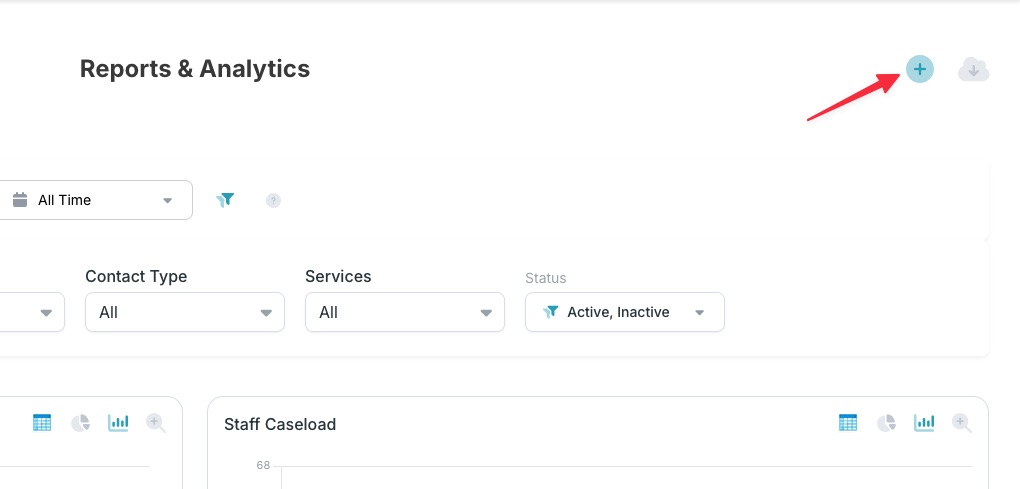
Create a new custom report by clicking the plus icon and selecting from either client, staff, or program fields. Generate instantly a truly personalized report. Once done, click Create.
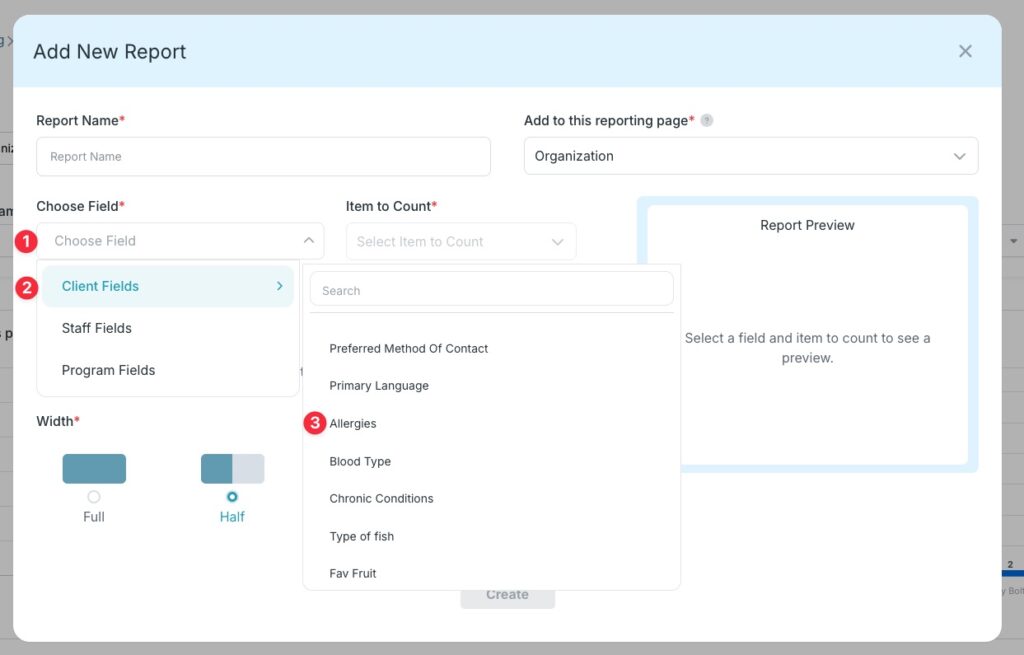
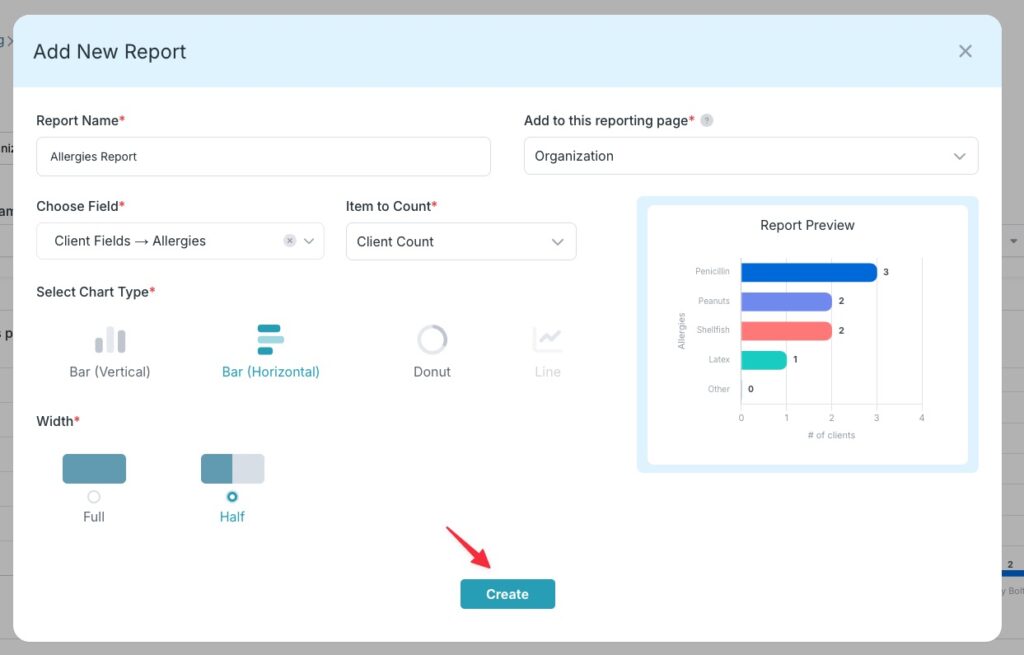
Tip: A report can also be created by selecting custom fields made on the client profile.
Equip your team with centralized tools that support shared leadership and transparent care coordination. Start your free 21-day trial today—no credit card required!
Frequently Asked Questions
Your board must draft and vote on amendments that explicitly recognize a co-executive setup, outlining legal signing authority and board reporting pathways for both positions.
Yes, though some funders may ask how administrative oversight is handled. Clear documentation showing how decisions are made, along with reliable fiscal and client outcome tracking, helps build grantmaker confidence.
While tax laws require a non-profit to serve a public benefit rather than private interests, organizations can implement cooperative management principles internally through democratic staff governance models.
Teams benefit from comprehensive platforms that handle client intake, goal tracking, timekeeping, and secure messaging in one place, avoiding fragmented tools and data siloing.
Successful shared leadership relies on clear decision frameworks (like RACI or advice-based decision rules) that define who holds final authority for specific organizational areas.
Not necessarily. While some collectives implement equal pay, many use transparent pay scales based on need, experience, or life circumstances rather than traditional executive-to-staff pay gaps.How do we change our existing nonprofit bylaws to allow co-leadership?
Do grantmakers fund decentralized or flat nonprofits?
Can a nonprofit be run as a worker cooperative?
What software works best for community-based social service teams?
How do shared leadership models prevent decision deadlocks?
Does a flat structure mean everyone gets paid the same?
👉 Try it free today - No credit card needed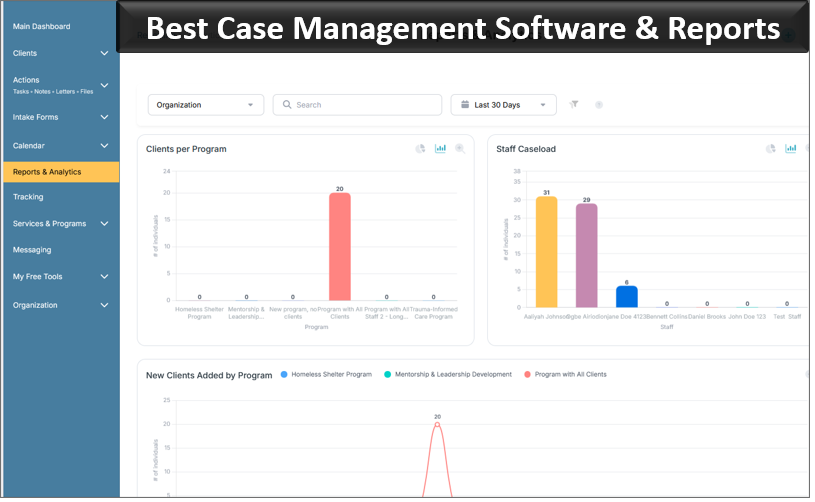
Note: Content on this website (socialworkportal.com) is copyrighted and protected under applicable copyright laws. Unauthorized reproduction, distribution, or use of any content from the website, without explicit written permission, is strictly prohibited. Read: Terms of Use.
Social Work Portal Disclaimer: Social Work Portal is not a social work agency and we do not refer social workers. This web site is provided for educational and informational purposes only and does not constitute providing medical advice or professional social and healthcare services. The information provided should not be used for diagnosing or treating a health problem or disease, and those seeking personal medical advice should consult with ... Read our full disclaimer here: Social Work Portal Disclaimer.