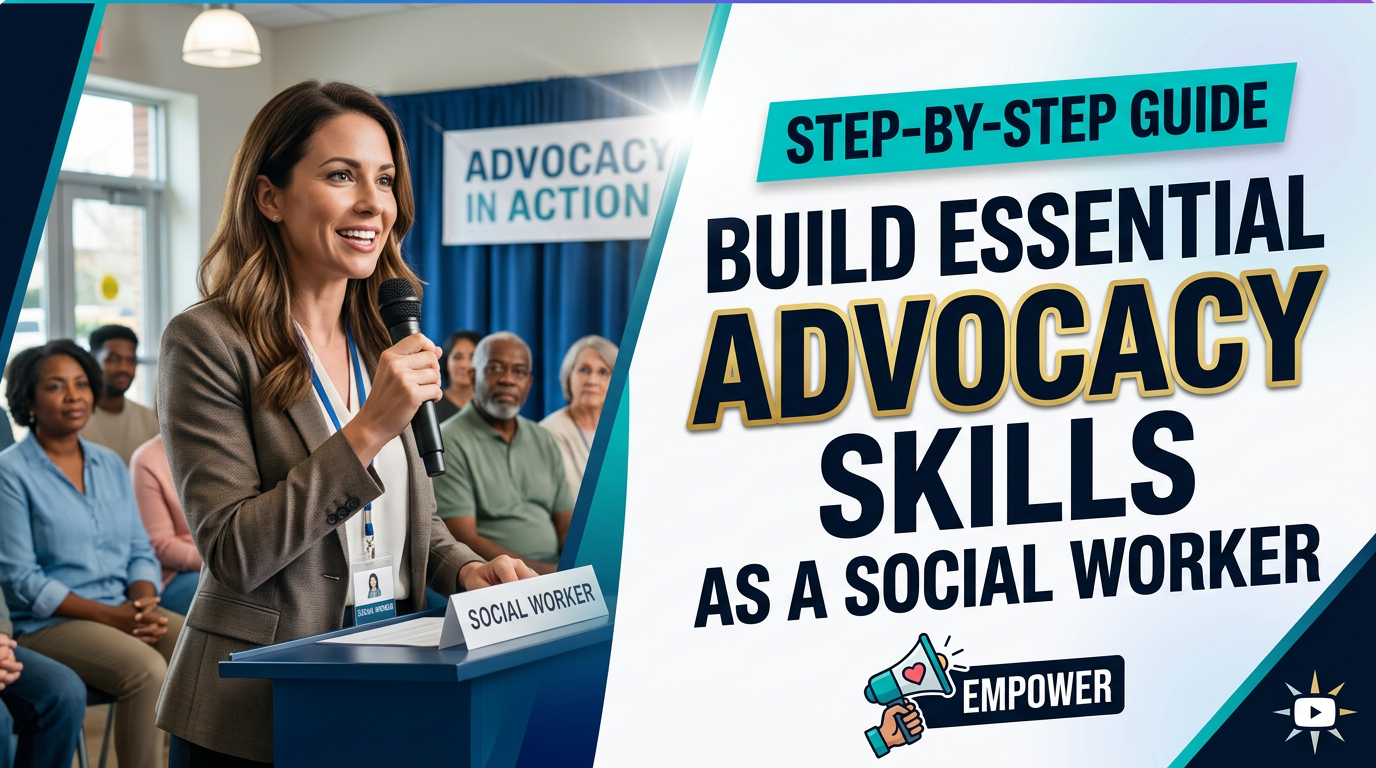
Master advocacy, drive systemic change, and streamline practice
Advocacy forms the structural backbone of professional social work. Whether you are an MSW student stepping into your first field placement, a licensed clinical social worker supporting individuals through complex trauma, or a community organizer building grassroots coalitions, your ability to stand up for individuals and communities defines your daily impact.
Building strong social work advocacy skills requires intentional training, clear strategic frameworks, and practical tools that prevent burnout while maximizing client outcomes.
Every interaction with a client or community contains an opportunity for advocacy. From securing emergency housing to challenging discriminatory institutional policy, social workers serve as the critical bridge between vulnerable individuals and resources. Developing these competencies demands an understanding of how individual struggles intersect with broader institutional structures.
Let’s get started
Watch this video:
or
read the guide below.
What You’ll Learn
- The structural breakdown of micro, mezzo, and macro social work advocacy skills
- Practical client advocacy strategies for clinical social workers, case managers, and healthcare advocates
- How to align your daily efforts with the NASW code of ethics advocacy requirements
- Key decision-making factors for social work supervisors and educators when building advocacy frameworks
- Actionable methods to connect individual client goals and progress tracking with systemic change
- Streamlining administrative documentation to free up time for direct client support
Everything in one place: clients, notes, forms, appointments, reports, and outcomes. 👉 Try it Free - No credit card needed💡All-in-one Case Management Software.
What Is the Role of Social Work Advocacy Skills Across Practice Levels?
To build an evidence-based social work advocacy framework, you must first recognize that advocacy occurs simultaneously across three distinct levels of practice. A comprehensive practitioner seamlessly integrates micro-level client support with macro-level systemic change strategies for mental health professionals and social service providers.
The table below compares how advocacy skills translate across different domains of practice:
| Practice Level | Primary Focus | Key Advocacy Activities | Essential Tools & Strategies |
| Micro Advocacy | Individual clients, families, and individual cases | Navigating insurance appeals, securing immediate housing, direct client support | Active listening, client empowerment, secure messaging, goal tracking |
| Mezzo Advocacy | Neighborhoods, schools, healthcare facilities, local agencies | Improving agency workflows, inter-agency collaboration, community outreach | Coalition building, local policy reviews, stakeholder education |
| Macro Advocacy | Legislation, regional policy, societal structures | Legislative lobbying, public awareness campaigns, systemic policy analysis | Data aggregation, policy briefs, coalition advocacy, structural reform |
Understanding these distinctions helps practitioners tailor their approach. A child welfare social worker advocating for a child in court operates primarily at the micro level, yet the patterns they observe in court proceedings often inform mezzo and macro initiatives aimed at reform.
How Can You Master Policy Advocacy for Social Workers in Daily Practice?
Policy advocacy for social workers is not reserved solely for full-time lobbyists or political activists. According to data from the U.S. Bureau of Labor Statistics, employment of social workers is projected to grow by 6 percent from 2024 to 2034, highlighting an increasing demand for skilled practitioners across healthcare, school, and community settings. As the workforce expands, grounding daily practice in policy analysis becomes vital for every practitioner.
Effective policy advocacy begins in your day-to-day client interactions. When you notice that multiple clients experience the same administrative obstacle, such as delayed benefit approvals or restrictive intake criteria, you have identified a policy gap. Bridging this gap requires translating clinical observations into actionable evidence.
To build your policy advocacy skills, focus on three core practices:
- Document Systemic Barriers: Track recurring administrative delays or resource shortages during intake and note-taking.
- Engage with Local Legislation: Stay informed on state and municipal bills impacting human services, housing access, and mental health funding.
- Elevate Client Voices: Prepare clients to share their lived experiences directly with decision-makers through public hearings or community listening sessions.
👉 Try it Free - Free Case Management System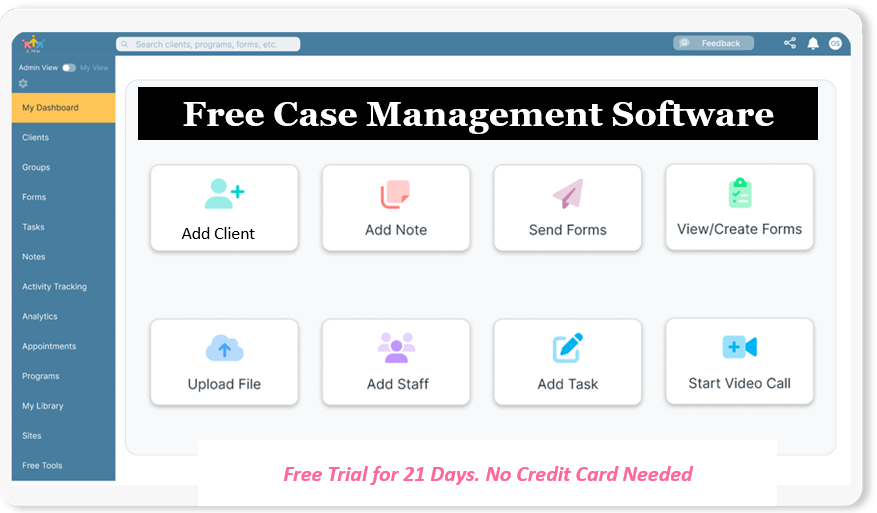
Why Are Client Advocacy Strategies Essential for Mental Health Professionals and Case Managers?
Whether you serve as a medical social worker, substance abuse counselor, gerontological social worker, or school social worker, your primary goal is empowering clients to navigate complex systems independently. Client advocacy strategies social work professionals deploy must balance immediate intervention with long-term capacity building.
In clinical and community settings alike, successful client advocacy relies on clear communication, rigorous documentation, and structured progress tracking. When a patient advocate or disability advocate challenges a service denial, success depends on having organized clinical notes, completed intake forms, and clear records of client goals.
Effective advocacy strategies include:
- Informed Self-Advocacy Coaching: Teaching clients how to express their rights, articulate their needs, and navigate administrative procedures.
- Interdisciplinary Collaboration: Working alongside medical staff, legal aid attorneys, and educators to coordinate holistic support.
- Data-Driven Goal Tracking: Maintaining precise records of client progress to demonstrate the clear necessity of continued services during insurance reviews.
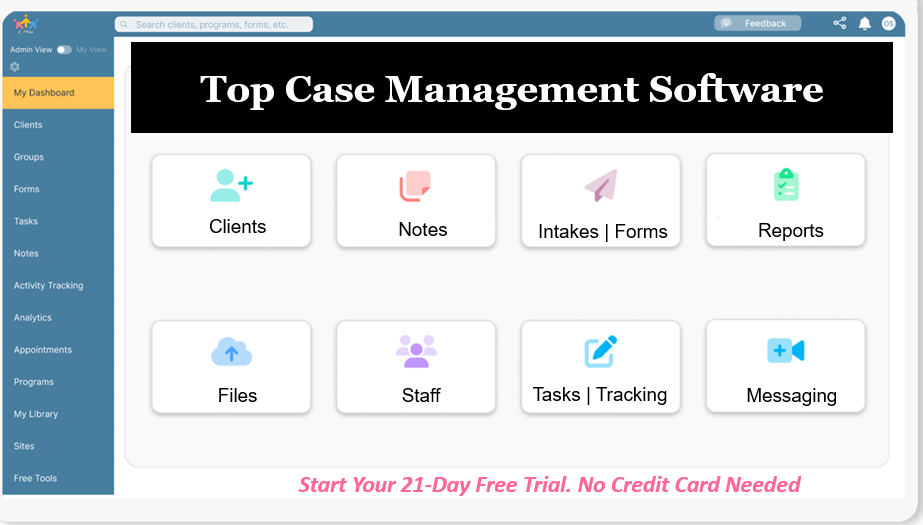
Do You Have a Team? Our best all-in-one client and top case management software simplifies everything from client intake and assessments to programs, projects, goals tracking, planning, scheduling, documentation, reporting dashboard, and progress tracking.All-in-One Case Management Software
Sign Up Today, Free
No credit card needed!
What Decision-Making Factors Should Social Work Supervisors and Educators Consider?
Social work supervisor training advocacy initiatives play a fundamental role in shaping the next generation of practitioners. Supervisors and educators must equip MSW and BSW students with practical skills while protecting them from compassion fatigue and professional burnout.
When designing advocacy training programs, supervisors and leaders should weigh several key considerations:
User Considerations and Decision-Making Factors
- Time Management vs. Direct Care: Balancing heavy documentation demands with active field advocacy time.
- Ethical Dilemmas: Navigating conflicts between agency policy and client best interests while staying true to professional ethics.
- Resource Availability: Selecting administrative and clinical tools that simplify scheduling, client intake, and data storage so social workers can spend more time on direct advocacy.
- Supervisory Support: Providing regular reflective supervision to process complex ethical decisions and administrative hurdles.
How Does Systemic Change Align With the NASW Code of Ethics Advocacy Requirements?
Advocacy is a core mandate written directly into the profession’s professional standards. The NASW code of ethics advocacy requirements explicitly state that social workers ought to engage in social and political action to ensure that all people have equal access to resources, employment, services, and opportunities.
Adhering to these standards requires social justice advocacy in private practice as well as in public agencies. Private practice social workers often encounter systemic barriers when dealing with insurance reimbursement, mental health parity laws, and client access to specialized care.
By actively engaging in professional associations and advocating for policy reform, private practitioners fulfill their ethical obligation to promote social justice beyond the therapy room.

People Also Ask
What are the main social work advocacy skills?
The main social work advocacy skills include active listening, policy analysis, clear written and verbal communication, negotiation, coalition building, client empowerment, and organized clinical documentation. These skills allow social workers to represent client interests effectively while pushing for broader structural improvements.
What is the difference between micro and macro advocacy in social work?
Micro advocacy focuses on helping individual clients or families navigate specific systems, access resources, or overcome direct obstacles. Macro advocacy focuses on changing large-scale systems, policies, laws, and organizational structures to benefit entire populations or communities.
Why is policy advocacy important for social workers?
Policy advocacy is essential because legislative and administrative policies directly influence client well-being, resource allocation, and service accessibility. By engaging in policy advocacy, social workers address the root causes of client challenges rather than simply treating symptoms.
How do social workers advocate for social justice?
Social workers advocate for social justice by identifying systemic inequities, challenging discriminatory practices, participating in legislative action, supporting community organizing, and ensuring equitable access to vital health and human services.
How can clinical social workers practice advocacy?
Clinical social workers practice advocacy by assisting clients with insurance appeals, coordinating care across multidisciplinary teams, documenting systemic service barriers, and empowering clients through self-advocacy training during therapeutic sessions.
What ethical obligations do social workers have regarding advocacy?
The NASW Code of Ethics requires social workers to advocate for systemic change, promote social justice, fight discrimination, and ensure that all individuals have access to the resources and opportunities necessary to meet basic human needs.
Streamlining Your Practice to Maximize Advocacy Impact
Effective advocacy demands time, focus, and strategic energy. Yet, many social workers find their days consumed by heavy administrative burdens, sifting through scattered files, managing disjointed systems, and trying to keep up with daily documentation.
Tailored specifically for social work case management, an all-in-one platform like Case Management Hub centralizes your entire workflow into a single, intuitive space. By unifying client documentation, secure messaging, scheduling, and progress tracking, you can eliminate administrative friction and keep your focus where it belongs: on your clients.
Because clear, timely documentation is the cornerstone of effective case management, getting comfortable with your daily note-taking process is the best place to start.
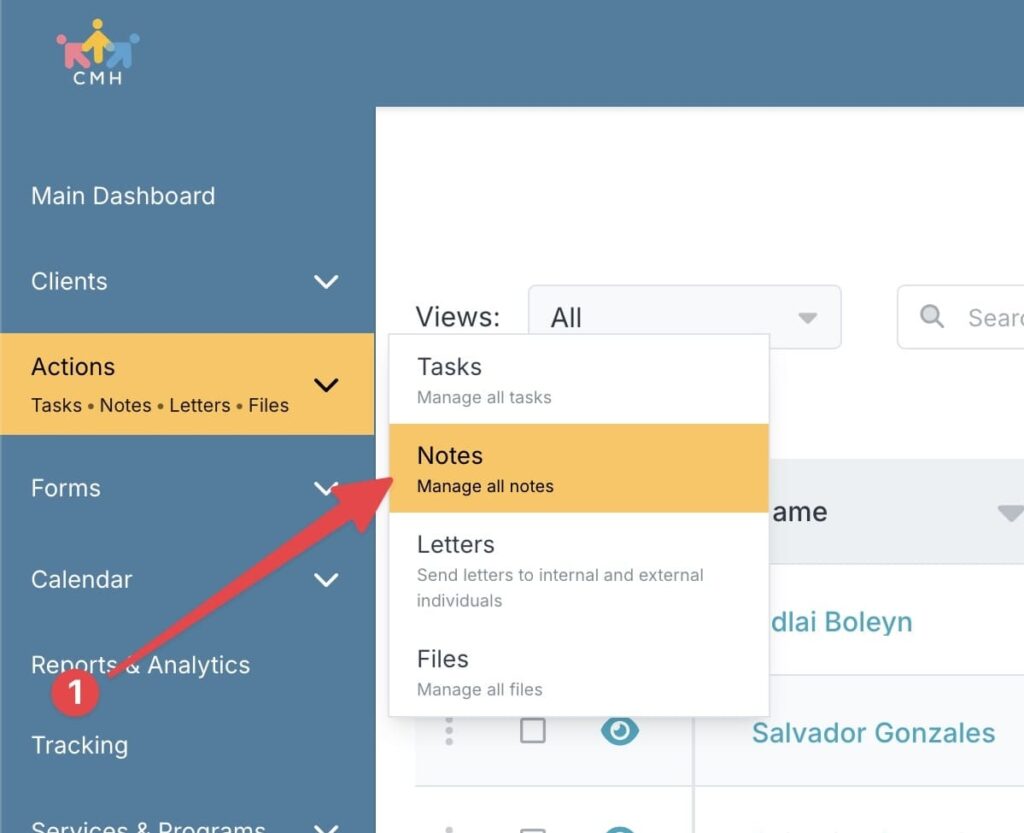
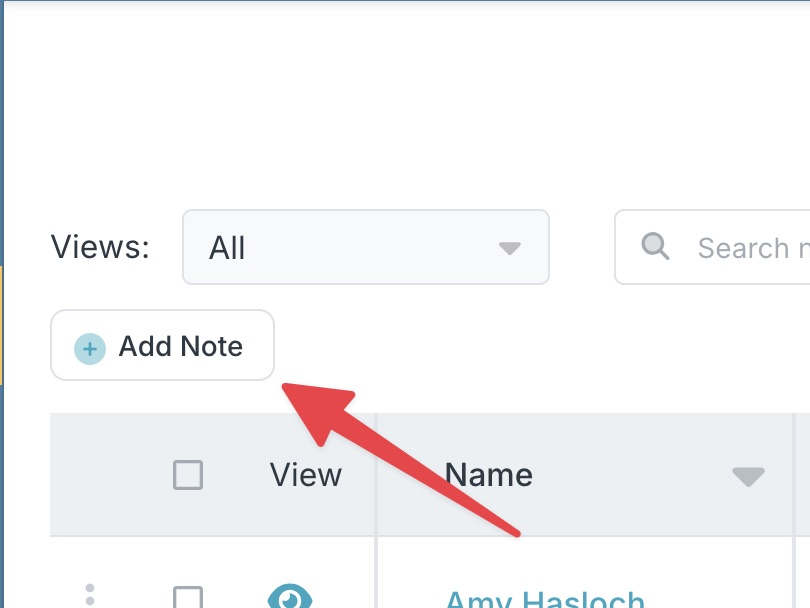
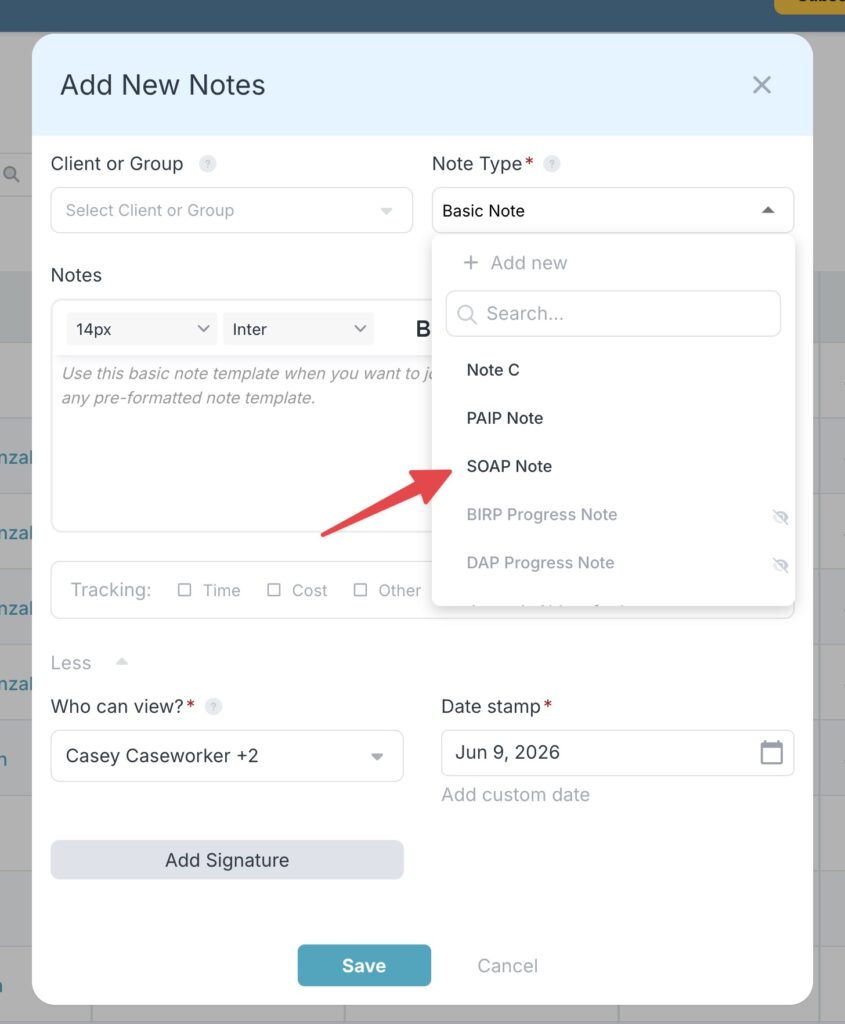
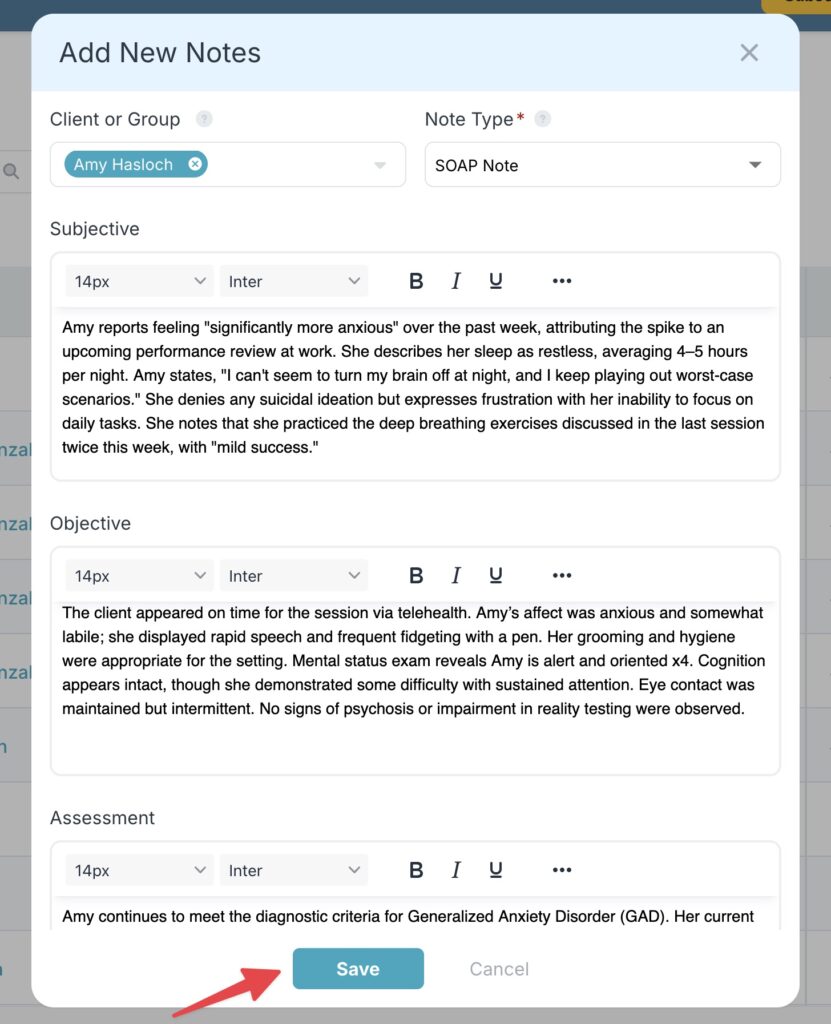
Below is a step-by-step guide to creating and managing client notes seamlessly within Case Management Hub.
Step 1:
Navigate to the Notes module from the sidebar and click Add Note
Step 2:
From the note type dropdown select the SOAP note template
Step 3:
Add your note details to the four sections of the SOAP note, select the client, and then click save.
Step 4:
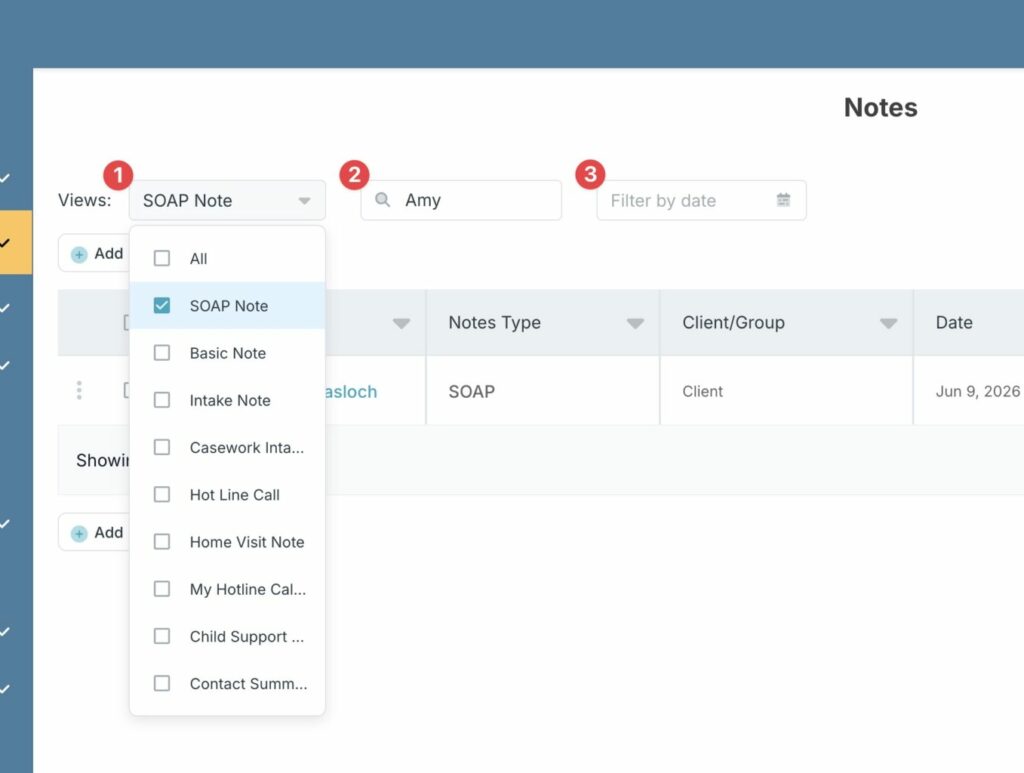
View, search and filter all of your client notes, including the SOAP notes in one place.
Step 5:
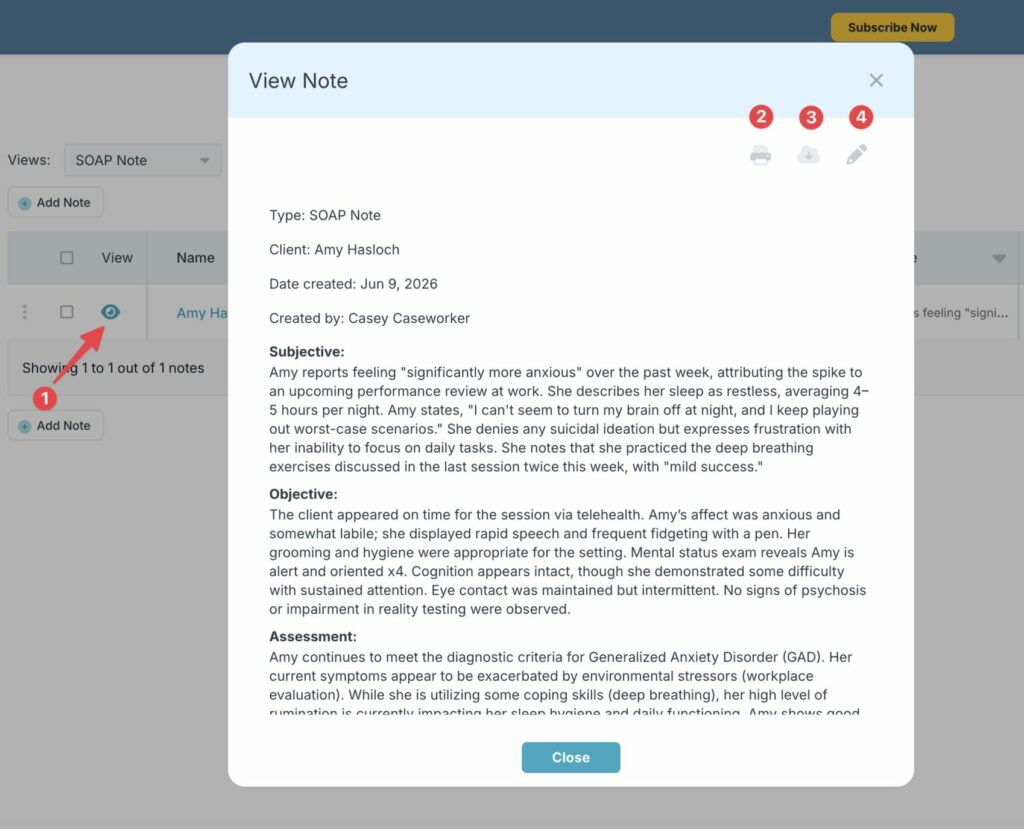
Click the eye icon to view or edit the details of the note
To see how an integrated platform can transform your practice workflow, you can sign up for a free 21-day trial today with no credit card required.
Frequently Asked Questions
How does proper documentation support client advocacy?
Detailed, organized clinical documentation provides concrete evidence of client needs, service gaps, and progress. Clear records are essential when filing appeals, requesting housing accommodations, or advocating for extended mental health coverage.
Can social workers in private practice engage in macro advocacy?
Yes. Private practice social workers can participate in macro advocacy by joining professional associations, advocating for mental health parity laws, publishing research, and offering pro bono services or community workshops.
What tools help social workers manage client notes and advocacy outcomes?
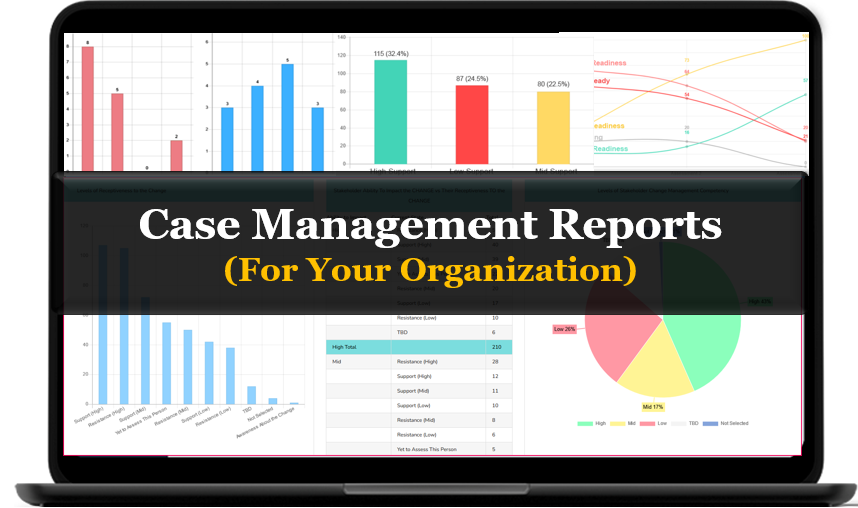
Modern social work documentation and goal tracking tools offer centralized storage for notes, automated reporting, secure client messaging, and clear progress tracking, allowing practitioners to track both individual outcomes and broader systemic trends.
How do supervisors help social workers build advocacy skills?
Supervisors provide guidance during case reviews, help navigate ethical dilemmas, model effective policy advocacy, and support balance between direct client care and systemic advocacy work.
What role does community organizing play in social work advocacy?
Community organizing brings together individuals impacted by shared challenges to collective action. It shifts power directly to community members, enabling sustainable systemic change driven by lived experience.
How can case managers streamline daily tasks to spend more time on advocacy?
Case managers can streamline daily workflows by adopting an all-in-one case management software that centralizes client intake, scheduling, secure communication, timekeeping, and documentation in a single secure platform.
👉 Try it free today - No credit card needed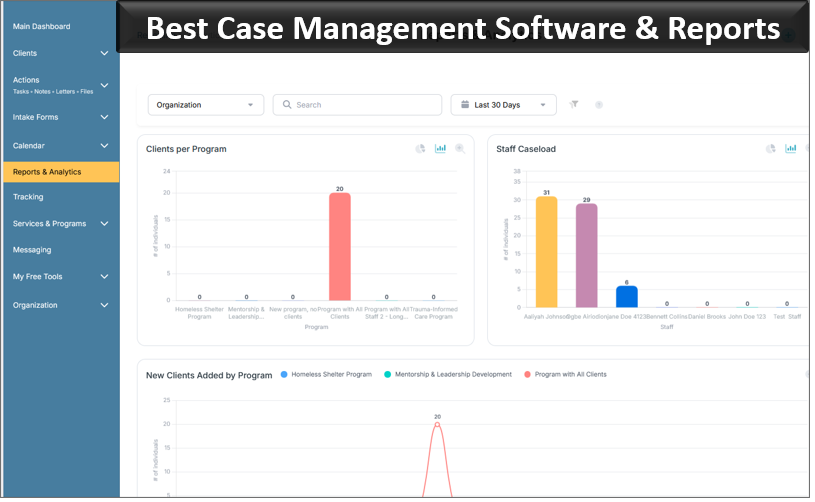
Note: Content on this website (socialworkportal.com) is copyrighted and protected under applicable copyright laws. Unauthorized reproduction, distribution, or use of any content from the website, without explicit written permission, is strictly prohibited. Read: Terms of Use.
Social Work Portal Disclaimer: Social Work Portal is not a social work agency and we do not refer social workers. This web site is provided for educational and informational purposes only and does not constitute providing medical advice or professional social and healthcare services. The information provided should not be used for diagnosing or treating a health problem or disease, and those seeking personal medical advice should consult with ... Read our full disclaimer here: Social Work Portal Disclaimer.