A Field-Tested Framework to Eliminate Assessment Bias, Deepen Client Trust, and Standardize Equitable Care
Cultural competence is not a one-time continuing education credit or an abstract theory reserved for academic journals. For social workers on the ground, navigating complex cross-cultural realities is a daily operational challenge. You encounter it during child welfare investigations, hospital discharge conferences, school support meetings, and outpatient therapy sessions. When clinicians lack practical systems to respect cultural differences, the consequences are immediate: misdiagnoses rise, non-compliance labels get misapplied, client dropout spikes, and trust collapses.
According to demographic projections from the U.S. Census Bureau, racial and ethnic minority populations will comprise more than 50 percent of the total United States population by 2045. As communities diversify rapidly, human service professionals cannot rely on passive good intentions. Delivering ethical, person-centered support demands systematic, reproducible habits that translate cross-cultural awareness into measurable documentation, assessment accuracy, and direct advocacy.
Let’s get started
Watch this video:
or
read the guide below.
What You’ll Learn in This Guide
- How to operationalize the NASW standards for cultural competence during everyday clinical interactions
- Why embracing cultural humility vs cultural competence in healthcare protects the therapeutic relationship
- Concrete techniques to conduct a culturally responsive biopsychosocial assessment without personal bias
- How to address linguistic differences and cross cultural communication techniques in social work
- How modern digital tools eliminate documentation friction and safeguard equitable client outcomes
- Step-by-step answers to the most common ethical, operational, and clinical questions facing practitioners
💡All-in-one Case Management Software.
Everything in one place: clients, notes, forms, appointments, reports, and outcomes.
👉 Try it Free - No credit card needed
What Does Cultural Competence in Social Work Practice Really Mean?
Cultural competence in social work practice is the ongoing ability of clinicians and agencies to understand, appreciate, and interact effectively with people from cultures or belief systems different from their own. Culture encompasses ethnicity, race, primary language, gender identity, sexual orientation, disability, socioeconomic status, and religious traditions.
Rather than memorizing broad cultural stereotypes, genuine competence requires social workers to master three distinct core competencies:
- Systemic Context: Recognizing how institutional discrimination, historic trauma, and socioeconomic policies impact client well-being.
- Clinical Curiosity: Asking respectful questions that allow clients to explain their unique values, family hierarchies, and healing traditions.
- Adaptive Skill: Modifying standard communication styles, clinical modalities, and intervention goals to fit the client’s worldview.
Practitioners who ground their daily routines in these fundamentals move past surface-level awareness. They create an environment where clients feel seen, validated, and genuinely supported from day one.
Why Is Cultural Humility Necessary Alongside Cultural Competence?
For years, human services education emphasized cultural competence as an endpoint, suggesting that social workers could study enough cultural traits to master diverse backgrounds. Contemporary clinical practice balances competence with cultural humility.
When exploring cultural humility vs cultural competence in healthcare and social services, the critical distinction lies in power dynamics and expertise. Cultural humility acknowledges that the provider is never the ultimate expert on another person’s lived experience. The client remains the sole expert on their life, values, and community context.
Practicing cultural humility requires three daily professional disciplines:
- Lifelong Self-Reflection: Regularly examining how your personal privilege, background, and unexamined assumptions influence clinical impressions.
- Mitigating Power Imbalances: Creating non-hierarchical spaces where clients actively direct their goals, service plans, and acceptable outcomes.
- Institutional Accountability: Advocating against workplace policies, evaluation rubrics, or community intake procedures that quietly disadvantage marginalized groups.
Integrating humility keeps clinicians grounded, ensuring that cultural competence never morphs into overconfident assumptions about a client’s choices.
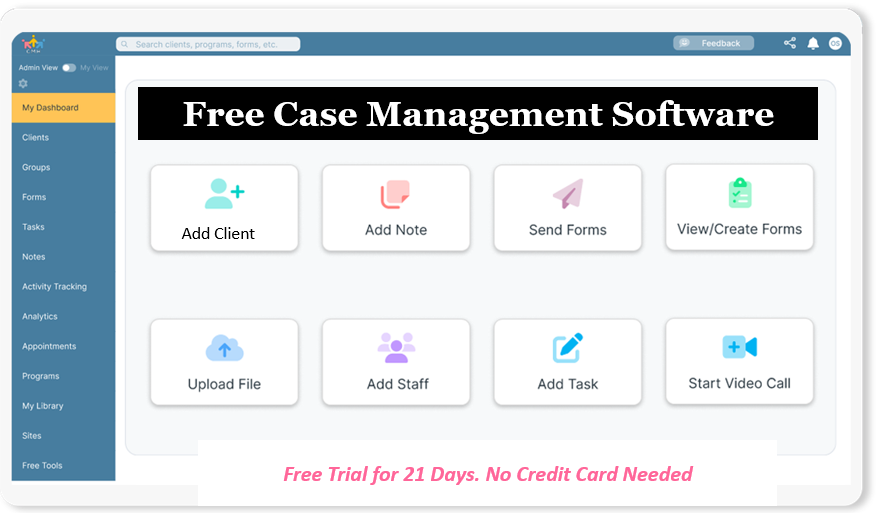
👉 Try it Free - Free Case Management System
How Can You Conduct a Culturally Responsive Biopsychosocial Assessment?
Intake assessments set the trajectory for an entire case. Standard assessment forms often inadvertently mirror Western, individualistic assumptions that pathologize normal cultural dynamics; learning how to conduct culturally sensitive assessments ensures evaluators interpret family roles and client distress accurately.
To conduct culturally responsive biopsychosocial assessment examples that deliver objective, compassionate evaluations, apply these four steps:
1. Inquire About Cultural Explanations of Distress
Ask clients how they and their community understand their current challenges. You might ask:
- “What do you call the problem you are experiencing?”
- “What does your family believe causes this type of stress?”
- “What traditional, spiritual, or community remedies have you used before seeking our services?”
Expanding beyond physical and psychological symptoms to understand what is a biopsychosocial-spiritual model helps clinicians honor traditional belief systems, faith traditions, and community remedies.
2. Map Family Hierarchies and Support Systems
Documenting extended kin networks and spiritual advisors reflects how to use a strength-based approach in social work, treating communal support as a vital asset rather than client resistance.
3. Identify Language Preferences Beyond Basic Fluency
Never confuse functional conversational English with the ability to discuss intense trauma, medical symptoms, or emotional grief. Identify the client’s preferred language for clinical discussions and note whether a certified medical or legal interpreter is necessary.
4. Separate Systemic Oppression from Individual Pathologies
When evaluating symptoms of hypervigilance, withdrawal, or mistrust in healthcare systems, investigate historical experiences with discrimination. Recognizing systemic barriers prevents misattributing rational survival mechanisms to personality disorders or hostility.
How Do You Overcome Cultural Barriers and Communication Gaps?
Effective cross cultural communication techniques in social work require going beyond literal translation. Nonverbal cues, eye contact rules, directness, and deference toward authority vary widely across different cultures.
In healthcare and human service settings, addressing cultural barriers in healthcare case management ensures that care plans, discharge instructions, and safety interventions remain safe and actionable.
Key communication adjustments include:
- Adjusting Eye Contact and Physical Space: In several cultures, sustained direct eye contact is perceived as confrontational or disrespectful toward authority figures. Match the client’s nonverbal comfort zone.
- Avoiding Professional Jargon: Medical and clinical acronyms alienate clients. Use clear, accessible language, and employ the teach-back method to verify that instructions resonate clearly.
- Incorporating Storytelling and Metaphors: Many traditional cultures communicate distress, resilience, and personal history through narrative storytelling rather than structured question-and-answer exchanges. Allow space for this narrative flow during initial visits.
- Honoring Healing Beliefs: Never dismiss cultural health practices, spiritual ceremonies, or traditional remedies unless they present immediate, demonstrable physical danger. Integrate safe cultural practices alongside evidence-based interventions.
All-in-One Case Management Software
Sign Up Today, Free
No credit card needed!
Do You Have a Team? | ||
Our best all-in-one client and top case management software simplifies everything from client intake and assessments to programs, projects, goals tracking, planning, scheduling, documentation, reporting dashboard, and progress tracking.
How Digital Tools Streamline Culturally Responsive Case Management
Delivering culturally competent care is challenging when professionals must balance high caseloads, chaotic physical binders, and inflexible documentation software. When forced to use generic software, critical details get lost: a client’s need for a certified bilingual interpreter, preferred pronouns, dietary religious restrictions, or extended family contacts.
Learning how to automate case management tasks frees practitioners from repetitive administrative overhead so they can spend dedicated time building cross-cultural rapport.
Modern, specialized software removes manual paperwork, standardizes ethical compliance, and ensures cultural details inform every step of care.
The Problem: Manual Disconnects in Practice
Historically, tracking cultural nuances required social workers to scribble notes in paper files, search through endless email threads for referral directories, or build improvised spreadsheets. When an emergency occurred or a colleague covered a shift, these cultural notes were missing, causing client frustration, duplicated questions, and damaged trust.
The Solution: Automated, Culturally Attuned Workflows
Using a centralized system allows agencies to embed cultural responsiveness directly into their daily routines:
- Multilingual Digital Intakes: Send secure intake forms before the first appointment in the client’s preferred language, allowing them to outline their identity, language needs, and goals in private. Agencies that know how to customize intake forms can collect preferred pronouns, language needs, and cultural traditions before the first clinical encounter.
- Culturally Informed Documentation: Leverage clinical note builders that support both SOAP and DAP formats with dedicated fields for cultural formulations, social determinants of health, and community supports.
- Collaborative Goal Setting: Track client-driven milestones that honor community-centered outcomes instead of rigid, pre-set program metrics.
- Equitable Demographic Reporting: Aggregate data safely to identify systemic gaps in service delivery, track translation usage, and demonstrate compliance with grant objectives and NASW standards.
Workflow Comparison: Manual vs. Automated Systems
| Workflow Stage | Manual / Traditional Workflow | Automated Cloud Platform Workflow |
| Client Intake | Paper questionnaires handed out in English; language gaps identified on the spot | Digital intake forms sent in the client’s preferred language prior to arrival |
| Cultural Context Documentation | Scrawled in margins; easily missed by covering workers or rotating team members | Centralized fields for cultural formulations integrated directly into DAP/SOAP notes |
| Communication Needs | Sticky notes on physical files noting translation needs; frequent missed bookings | Automated alerts identifying required certified interpreters during appointment booking |
| Progress and Goal Tracking | Generic, agency-dictated paper treatment plans with low client buy-in | Interactive, client-led digital goal milestones reflecting individual values |
| Agency Equity Audits | Weeks of manual chart reviews to measure disparities or demographic trends | Real-time reporting on service equity, referral completion, and demographic outcomes |
How Can Case Management Hub Elevate Your Everyday Practice?
Adhering to the highest standards of cultural responsiveness should not mean drowning in administrative overhead. Case Management Hub was built specifically to solve the real-world operational challenges faced by social workers, case managers, and agency leaders.
Case Management Hub is a fully HIPAA-compliant platform that unites all your operational tools in one place:
- Customizable Intake Forms: Capture comprehensive cultural, linguistic, and demographic details seamlessly before the client enters your office.
- Streamlined Clinical Notes: Generate thorough SOAP and DAP notes in seconds with structured templates that document cultural factors, environmental stressors, and client strengths.
- Client-Driven Goal Tracking: Build flexible care plans that track progress toward meaningful milestones aligned with the client’s values.
- Secure Messaging and Scheduling: Communicate securely with clients and coordinate translation support without compromising privacy standards.
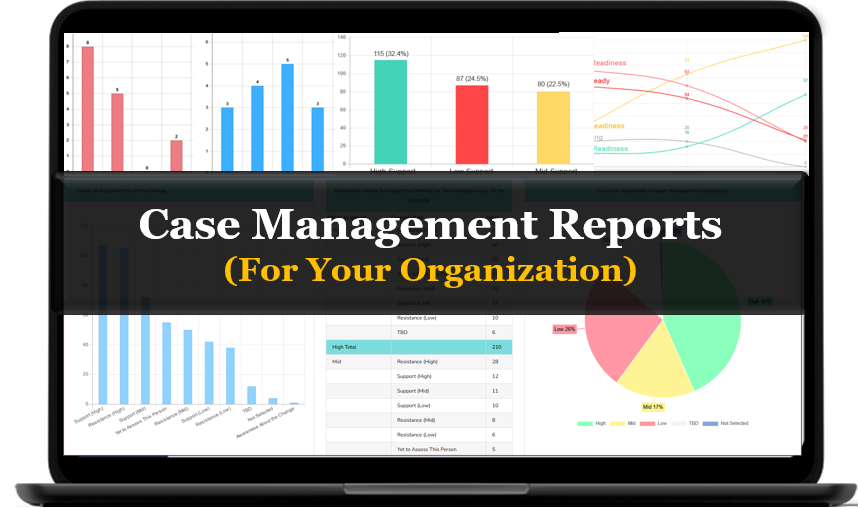
- Demographic and Outcome Reporting: Monitor key performance indicators across diverse caseloads to satisfy grant requirements, fulfill state mandates, and support agency equity goals.
Free your team from disjointed systems and administrative friction so you can focus on building meaningful, culturally responsive therapeutic connections.
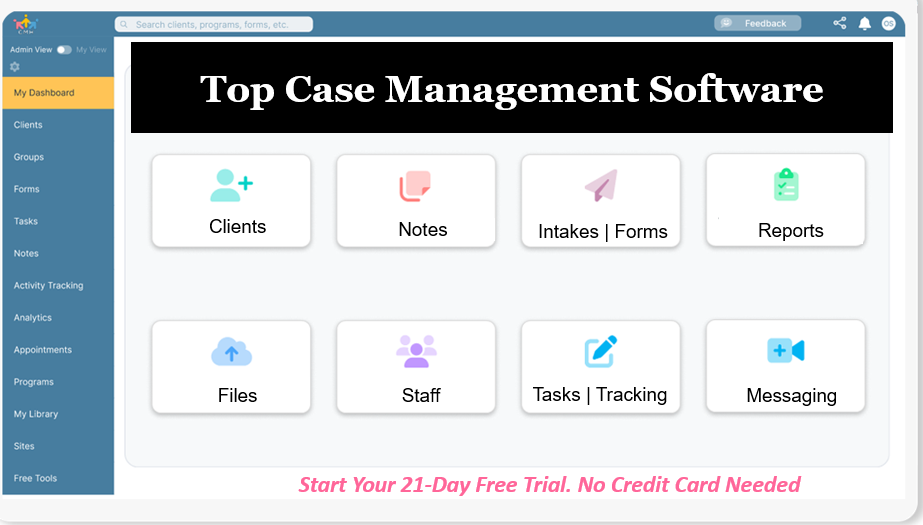
Experience the difference in your daily workflow: Start your 21-day free trial today (no credit card required).

People Also Ask
What are the NASW standards for cultural competence?
The NASW standards for cultural competence consist of 10 professional benchmarks established by the National Association of Social Workers. They guide practitioners on ethics, self-awareness, cross-cultural knowledge, cross-cultural skills, service delivery, empowerment and advocacy, workforce diversity, continuing education, language access, and leadership. These standards provide a baseline to ensure social workers provide ethical, culturally responsive care across all settings.
What is the difference between cultural competence and cultural humility?
Cultural competence focuses on acquiring knowledge, practical communication skills, and awareness of diverse cultures to deliver effective care. Cultural humility is an ongoing personal practice that emphasizes self-reflection, mitigating professional power imbalances, and recognizing the client as the ultimate expert in their own culture. Clinicians use both to remain adaptable and avoid assumptions.
How does implicit bias affect child welfare and case management?
Implicit bias can lead social workers to misinterpret cultural family structures, non-Western parenting traditions, or socioeconomic poverty as parental neglect or instability. These unexamined biases contribute to disproportionately high investigation rates and foster care placements for children from minority communities. Implementing standardized, culturally responsive intake frameworks helps safeguard objective decision-making
Why is language access considered an ethical obligation in social work?
Federal civil rights regulations and the NASW Code of Ethics require providers to offer meaningful language access to individuals with limited English proficiency or sensory impairments. Failing to provide certified interpreters compromises informed consent, violates client confidentiality if family members are asked to interpret, and increases the likelihood of critical diagnostic errors.
What is the cultural formulation in clinical documentation?
The cultural formulation is a structured method for documenting how a client’s cultural background affects their understanding of symptoms, support systems, and coping styles. Incorporating this context into routine clinical notes ensures other providers see the client through an accurate, non-pathologizing lens.
How can human services agencies measure cultural competence?
Agencies measure cultural competence by auditing demographic retention rates, tracking translation usage, reviewing client feedback surveys, and conducting equity evaluations of service outcomes. Tracking these performance indicators in a centralized platform enables leadership to quickly spot disparities and adjust program resources accordingly.
Frequently Asked Questions
How can a busy social worker balance high caseloads with the time needed for thorough cultural self-reflection?
Self-reflection does not require hours of meditation; it requires consistent, intentional micro-practices integrated into daily documentation. Spend two minutes after challenging client encounters reviewing your reactions: Did you feel frustrated because the client was uncooperative, or did their communication style challenge your expectations? Using structured SOAP or DAP templates with designated sections for clinician reflection makes this habit quick, reproducible, and clinically valuable without extending your workday.
What should a social worker do when a client's cultural values conflict with their personal ethical values?
Social workers must adhere to professional ethics, which require prioritizing client self-determination and avoiding imposing personal beliefs. If a genuine ethical conflict arises (such as values clashing around family decision-making structures), consult your clinical supervisor immediately. Reflect on whether the conflict represents an actual safety concern or simply an unfamiliar cultural standard, and seek ongoing supervision to maintain client-centered care.
Is it appropriate to ask clients to explain their cultural practices, or does that burden the client?
There is an important distinction between expecting a client to educate you on general cultural history and asking how their cultural beliefs influence their individual needs. Clinicians should educate themselves on broad cultural histories independently. However, asking clarifying questions about what specific traditions mean to the client demonstrates respect and cultural humility, inviting collaborative partnership rather than assumptions.
How can our agency remain compliant with HIPAA when coordinating care with outside community leaders or translators?
HIPAA compliance requires that any third-party provider accessing Protected Health Information (PHI) must sign a formal Business Associate Agreement (BAA). When using digital communication, agencies must use HIPAA-compliant secure messaging and certified medical interpretation services that do not store recordings or unencrypted data. Relying on friends or family to interpret risks violating confidentiality and exposes the agency to compliance penalties.
How do we standardize culturally responsive intake procedures across a team of 20 or more case managers?
Standardization requires operationalizing cultural inquiries into mandatory fields inside your digital case management software. When culturally responsive prompts (such as preferred language, identity expressions, and community supports) are built directly into standardized intake forms, every worker follows the same thorough process. Regular peer reviews and supervision reviews of intake notes reinforce accountability across the agency.
What are the risks of using informal family interpreters during clinical assessments?
Using family members, especially children, as interpreters introduces serious ethical and clinical hazards. Family members may filter sensitive information about domestic abuse, substance use, or psychological distress out of shame or protectiveness. It also disrupts internal family dynamics by placing children in adult roles. Utilizing professional, certified interpretation services preserves clinical accuracy, objectivity, and boundaries.
👉 Try it free today - No credit card needed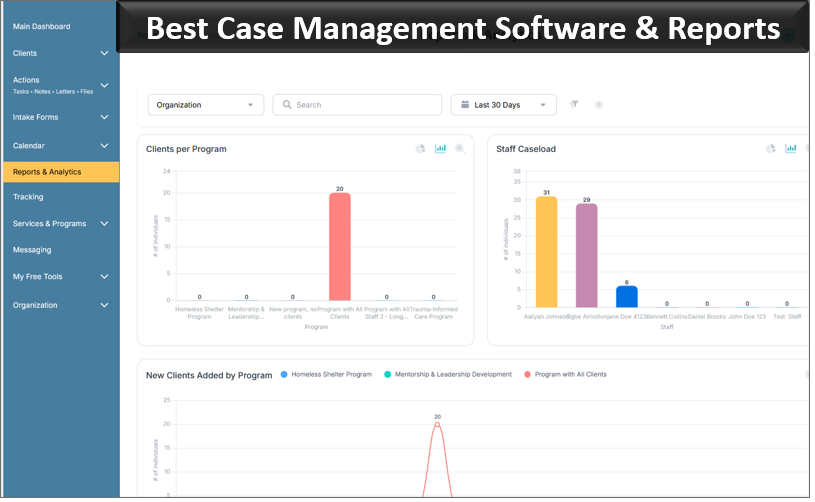
Note: Content on this website (socialworkportal.com) is copyrighted and protected under applicable copyright laws. Unauthorized reproduction, distribution, or use of any content from the website, without explicit written permission, is strictly prohibited. Read: Terms of Use.
Social Work Portal Disclaimer: Social Work Portal is not a social work agency and we do not refer social workers. This web site is provided for educational and informational purposes only and does not constitute providing medical advice or professional social and healthcare services. The information provided should not be used for diagnosing or treating a health problem or disease, and those seeking personal medical advice should consult with ... Read our full disclaimer here: Social Work Portal Disclaimer.