A Rapid Triage Guide for Frontline Resettlement Staff
When a newly arrived family steps off an international flight with two suitcases, jet lag, and a strict 30-day Reception and Placement clock already ticking, frontline social workers do not have two hours to wrestle with multi-page intake packets. Between confirming temporary housing, coordinating medical screenings, and working around third-party interpreter availability, administrative backlogs quickly bury your schedule. Knowing how to write a refugee case plan cleanly in half an hour keeps families stabilized while protecting your agency during state and federal monitoring audits.
Speed, however, can never come at the expense of clinical safety or human dignity. When you separate routine demographic data capture from sensitive psychosocial screening and pair a strict time-boxed conversation with smart digital workflows, you can co-create an accurate, funder-ready service plan in 30 minutes flat.
Let’s get started
Watch this video:
or
read the guide below.
What You’ll Learn in This Guide
- How to prep arrival manifests ahead of time so you never waste session minutes on basic biodata
- A four-stage, time-boxed triage method for balancing urgent survival needs with long-term goals
- Before-and-after examples of funder-approved SMART goals for housing, ESL, and employment
- How to document trauma-informed assessments without triggering retraumatization during intake
- A side-by-side breakdown of manual paperwork versus automated resettlement workflows
Free Resettlement Download: Refugee Case Plan Field Desk Card
Preparing for a state, federal, or Reception and Placement (R&P) review does not have to mean drowning in late paperwork and admin backlog. Download our printable Desk Card: 30-Minute Refugee Case Plan Sprint to ensure statutory safety triage, audit-ready 90-day SMART goals, and compliant DAP charting are completed before your client walks out the door.
Download Your Free Resources Here
💡All-in-one Case Management Software.
Everything in one place: clients, notes, forms, appointments, reports, and outcomes.
👉 Try it Free - No credit card needed
How Do You Prepare for a Rapid Refugee Intake Without Losing Clinical Depth?
A 30-minute case plan actually begins 15 minutes before the client sits down. According to the Office of Refugee Resettlement, Reception and Placement agencies must verify core housing conditions, conduct initial needs assessments, and initiate essential benefit applications within the first 30 days of arrival. Walking into an intake with blank paper forms forces you to spend half the appointment spelling names, verifying dates of birth, and copying passport numbers through an interpreter.
Start by building a standardized refugee resettlement intake and assessment checklist that splits data into two buckets: pre-arrival administrative facts and live clinical priorities. Have an intake coordinator or MSW intern pre-populate names, household composition, alien registration numbers, and arrival dates from the Assurance or referral packet before the client arrives. Using a digital needs assessment tool for case managers lets you pull up that pre-filled profile on a tablet so you spend your live minutes confirming accuracy rather than reading off a clipboard.
This preparation directly supports trauma-informed refugee intake best practices. Newly arrived individuals often associate formal interrogation-style questioning with border crossings, detention, or persecution. When you skip repetitive administrative questions, you create breathing room to explain confidentiality, build rapport, and honor cultural competence in refugee needs assessment. Confirm the client’s preferred dialect, ask whether they prefer a male or female interpreter, and clarify who serves as the primary decision-maker in the household before asking a single clinical question.
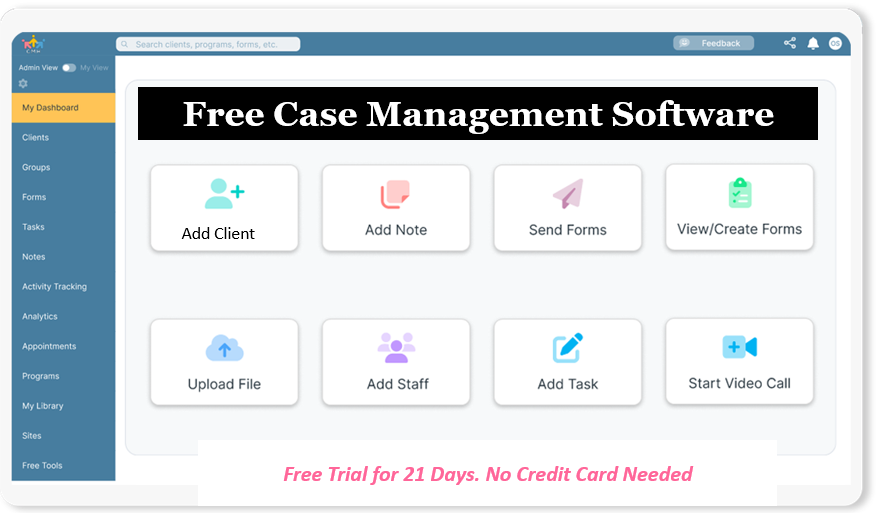
👉 Try it Free - Free Case Management System
What Are the Exact Steps to Write a Refugee Case Plan in 30 Minutes?
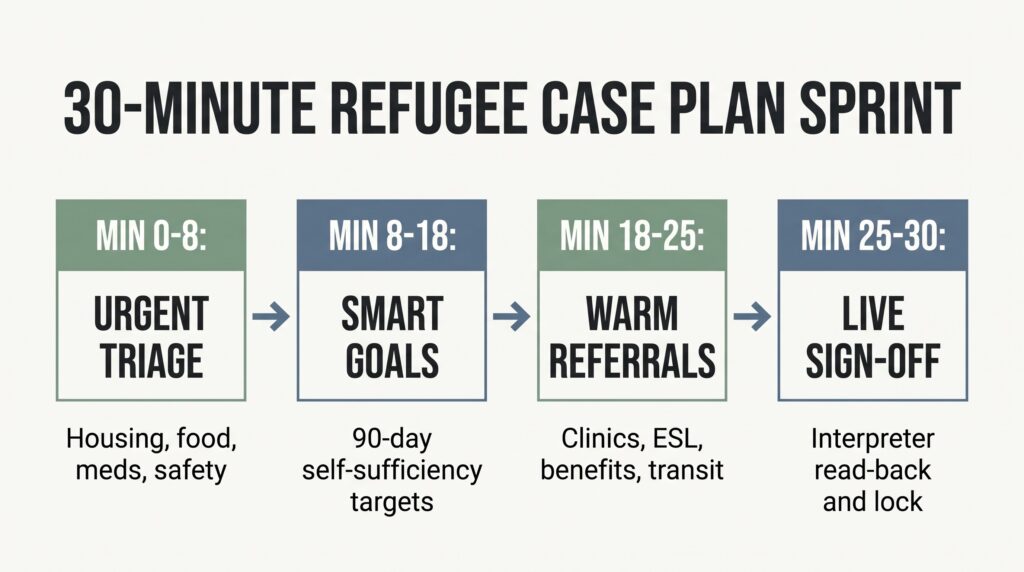
Once the session starts, structure your conversation around four strict time blocks. Your goal during this initial meeting is not to solve every barrier the family will face over the next five years, but to secure immediate safety and lock in clear 90-day refugee resettlement plan milestones.
Minutes 0 to 8: Urgent Triage and Stabilization Focus entirely on prioritizing urgent needs in refugee case management. Run through a rapid five-point safety check:
- Housing and Utilities: Are heat, water, locks, and smoke detectors functioning properly?
- Food and Cash Access: Does the household have culturally appropriate food for the next 72 hours and pocket money?
- Acute Medical Needs: Does anyone need immediate insulin, blood pressure medication, prenatal care, or urgent dental relief?
- Child Safety and Schooling: Are all minors accounted for, safe, and scheduled for school registration?
- Crisis Indicators: Are there immediate signs of acute psychological distress, domestic violence, or trafficking?
If an urgent medical or safety crisis surfaces, pause the standard plan and initiate crisis stabilization immediately. Otherwise, move straight to goal setting.
Minutes 8 to 18: Collaborative SMART Goal Setting Shift the conversation from survival to early self-sufficiency. Ask the adult household members what matters most to them over the next three months, then translate those priorities into social work SMART goals for refugee self-sufficiency. Vague goals fail audits and confuse clients. Compare these two approaches:
- Weak Goal: “Client will learn English and get a job.”
- Audit-Ready SMART Goal: “Client will complete ESL placement testing at the community college within 14 days and attend two workforce readiness workshops within 45 days.”
Limit the initial individualized service plan for refugees to three or four concrete goals covering benefits enrollment (SNAP, Medicaid or Refugee Medical Assistance, Social Security cards), English acquisition, and employment readiness.
Minutes 18 to 25: Warm Referrals and Logistics Every goal needs an attached action step before the client walks out the door. Schedule the domestic medical screening, book the Social Security Administration visit, and confirm bus routes or transit cards. Document exact appointment dates, locations, and interpreter requests so external handoffs do not stall.
Minutes 25 to 30: Verbal Read-Back and Live Sign-Off Ask the interpreter to read the finalized goals and upcoming appointment dates aloud. Confirm that the client agrees with every item, capture electronic signatures on your screen, and lock your initial encounter summary while details remain sharp.
All-in-One Case Management Software
Sign Up Today, Free
No credit card needed!
Do You Have a Team? | ||
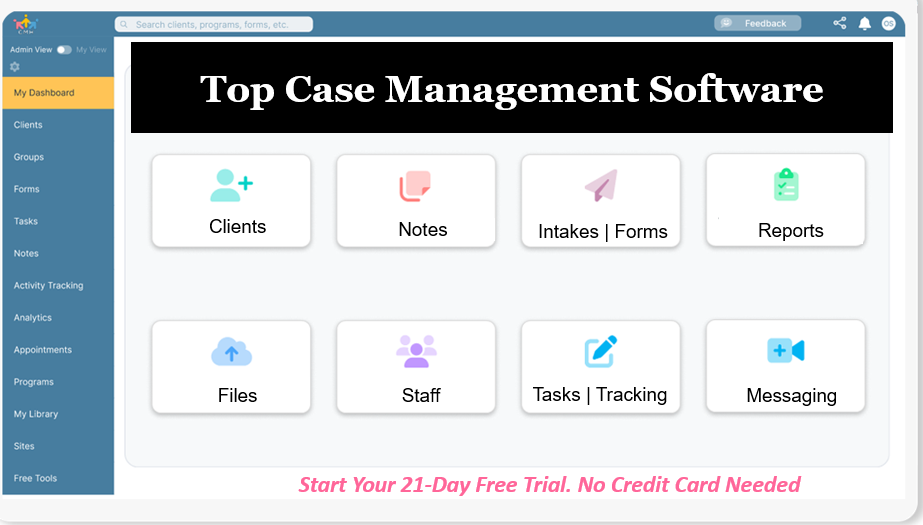
Our best all-in-one client and top case management software simplifies everything from client intake and assessments to programs, projects, goals tracking, planning, scheduling, documentation, reporting dashboard, and progress tracking.
How Digital Tools Streamline Refugee Case Planning
Even the sharpest clinical workflow collapses if you spend two hours after every intake retyping handwritten notes into Word documents, updating three separate Excel trackers, and emailing referral forms to partner agencies. Purpose-built refugee resettlement case management software eliminates that duplicate administrative work by connecting intake, planning, and reporting inside one workspace.
When your team uses automated intake forms for social services, client answers flow directly into a central profile and pre-populate a structured refugee case plan template. Instead of typing out standard 30-day and 90-day milestones from scratch, you select pre-configured goal blocks and customize the target dates right in front of the client.
Documentation after the session becomes equally fast. Modern social work case note templates and software let you generate structured DAP and SOAP notes for refugee case management in minutes by pulling assessed needs and agreed goals directly into your note fields. Meanwhile, a built-in refugee referral tracking system logs outgoing handoffs to legal aid clinics, landlords, and primary care providers with automated follow-up alerts so nothing slips past a compliance deadline.
| Workflow Stage | Manual / Paper-Based Workflow | Automated Digital Workflow |
| Pre-Intake Prep | Printing packets and manually typing arrival biodata into static forms. | Pre-filled client profiles generated via automated intake forms. |
| Urgent Triage | Flipping through paper checklists with high risk of skipped required fields. | Guided digital assessment with mandatory safety and medical prompts. |
| Goal Creation | Writing goals from scratch and tracking 90-day dates in separate spreadsheets. | One-click refugee case plan template synced to automated milestone alerts. |
| Partner Referrals | Managing legal, medical, and housing handoffs via sticky notes and email chains. | Centralized refugee referral tracking system with real-time status updates. |
| Supervision & Notes | Reconstructing case notes hours later and passing physical folders for review. | Instant DAP/SOAP note creation and cloud-based supervisory co-signatures. |
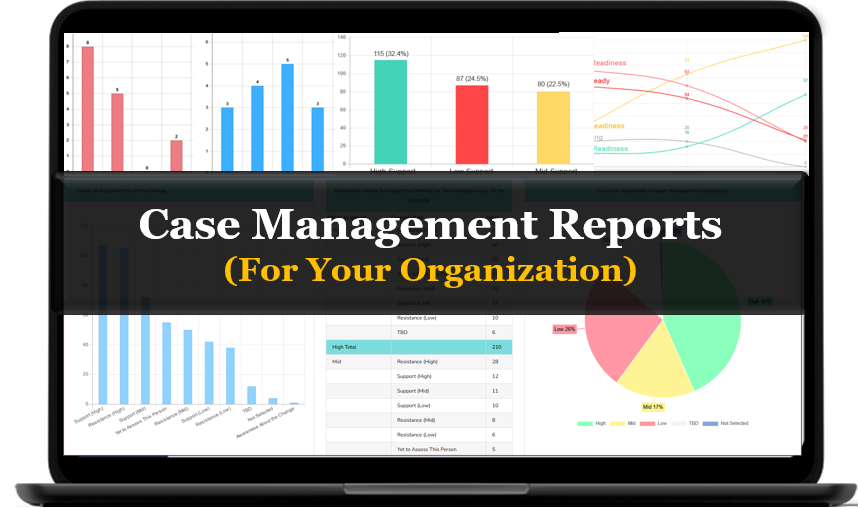
For clinical directors and field instructors, cloud based case management for MSW interns and supervisors solves the bottleneck of reviewing trainee paperwork. Supervisors can review draft plans, leave inline clinical feedback, and apply electronic co-signatures remotely while relying on client goal and progress tracking software for nonprofits to pull grant outcomes in seconds.

People Also Ask
How long does a standard refugee intake assessment usually take?
Traditional paper-based refugee intakes frequently stretch to 90 or 120 minutes once you factor in consecutive interpretation and manual form entry. By pre-populating arrival biodata and using structured digital templates, caseworkers routinely complete the core assessment and initial service plan in under 30 minutes.
What are the required components of an individualized service plan for refugees?
A compliant plan documents immediate stabilization needs (housing, food, urgent medical care), household strengths, language preferences, and measurable 30-day and 90-day goals. It must also specify assigned responsibilities for both the case manager and the client, alongside concrete referral timelines.
How do you reduce case management documentation time without risking audit findings?
Standardize your intake questions, use pre-built SMART goal libraries, and document live during the final five minutes of the session. Using structured DAP or SOAP note templates linked directly to client goals prevents duplicate data entry while ensuring every funder-required field is captured.
What is the difference between a refugee social worker and a resettlement case manager?
A refugee social worker typically focuses on clinical mental health counseling, trauma recovery, family dynamics, and acute behavioral crisis intervention. A resettlement case manager focuses on practical integration logistics, including housing setup, benefits enrollment, school registration, ESL placement, and employment pathways.
How do resettlement agencies track client progress toward self-sufficiency?
Agencies track milestone completion at 30, 60, 90, and 180 days post-arrival across housing stability, English proficiency, health access, and household income. Digital tracking dashboards aggregate these individual goal completions into real-time outcome reports for federal and private funders.
Are Excel spreadsheets HIPAA-compliant for managing refugee case files?
Standard spreadsheets rarely meet federal privacy standards because they lack automated user audit trails, granular role-based access controls, and encrypted transmission. Organizations handling protected health or sensitive asylum records need dedicated HIPAA-compliant software backed by a signed Business Associate Agreement.
Build Faster, Audit-Ready Case Plans With Case Management Hub
Frontline resettlement staff should spend their energy helping families rebuild their lives, not fighting clunky spreadsheets at 7:00 PM. Case Management Hub is an all-in-one case management platform for human services built specifically to take the administrative weight off busy social workers, case managers, and clinical supervisors.
Everything your team needs lives in one secure workspace: customizable refugee intake forms, one-click service plan templates, structured DAP and SOAP clinical notes, appointment scheduling, secure messaging, automated goal tracking, and instant funder reporting. Built from day one as HIPAA compliant case management software for social workers, it protects sensitive client histories while giving MSW interns and directors seamless, real-time collaboration.
Start Your 21-Day Free Trial (No Credit Card Required)
Frequently Asked Questions
Can we customize intake and assessment forms in Case Management Hub for ORR or state-specific grants?
Yes. Program directors and administrators can easily customize digital intake forms, needs assessments, and service plan templates to match exact Reception and Placement, Preferred Communities, or state resettlement reporting fields without needing any technical or coding background.
How does Case Management Hub ensure full HIPAA compliance for sensitive refugee and asylum records?
The platform protects all client data with end-to-end encryption in transit and at rest, role-based access permissions, automatic inactivity timeouts, and detailed user audit logs. Every agency also receives a standard Business Associate Agreement to satisfy federal privacy mandates.
How much time do caseworkers typically save after switching from paper files and spreadsheets?
Resettlement and social service teams typically cut post-session administrative and note-writing time by 40% to 50%. Because intake responses automatically populate client profiles and link directly to service plans and DAP/SOAP notes, staff never type the same demographic or goal information twice.
Can clinical supervisors review and co-sign case plans written by MSW field interns?
Yes. Supervisors can assign specific caseloads to MSW interns with customized permission levels, review draft assessments and case plans from anywhere, leave supervisory notes, and apply timestamped electronic co-signatures directly inside the client chart.
Does the platform help track external referrals to legal aid, clinics, and workforce partners?
Yes. Case managers can log outgoing referrals, attach signed releases of information, assign follow-up due dates, and track completion statuses in one centralized dashboard so partner handoffs never fall through the cracks.
How quickly can a small or mid-sized resettlement team get up and running?
Most teams configure their custom intake templates, import active client rosters, and complete staff onboarding within a few days, allowing frontline caseworkers to start building faster, cleaner case plans during their very first week.
👉 Try it free today - No credit card needed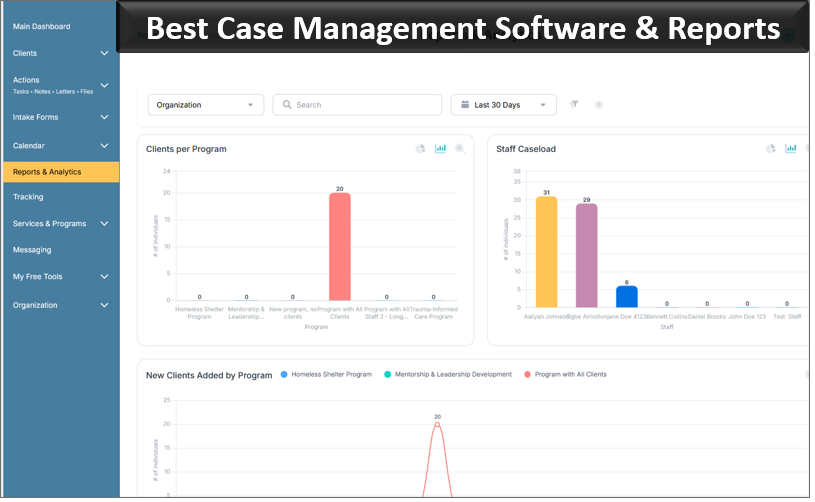
Note: Content on this website (socialworkportal.com) is copyrighted and protected under applicable copyright laws. Unauthorized reproduction, distribution, or use of any content from the website, without explicit written permission, is strictly prohibited. Read: Terms of Use.
Social Work Portal Disclaimer: Social Work Portal is not a social work agency and we do not refer social workers. This web site is provided for educational and informational purposes only and does not constitute providing medical advice or professional social and healthcare services. The information provided should not be used for diagnosing or treating a health problem or disease, and those seeking personal medical advice should consult with ... Read our full disclaimer here: Social Work Portal Disclaimer.