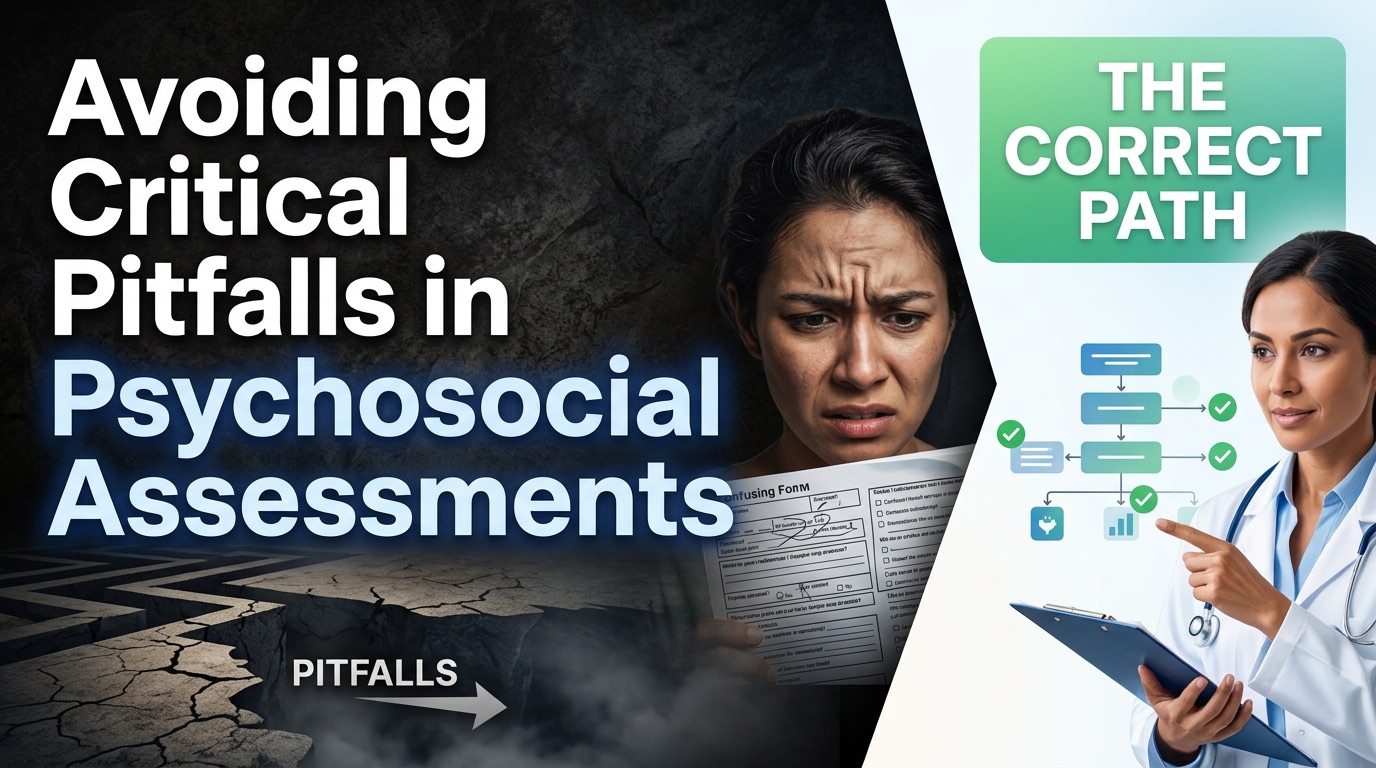
Turning Diagnostic Vulnerability Into Bulletproof Documentation
The psychosocial assessment is the foundational bedrock of clinical intervention. Whether you are a licensed social worker in a fast-paced medical hospital, a trauma-informed therapist in private practice, or a case manager at a local community nonprofit, this initial discovery process sets the entire trajectory for client care. Yet, amidst mounting caseloads and rising administrative burdens, even seasoned human services professionals can fall prey to subtle structural blind spots.
When an intake goes awry, the downstream consequences are severe. Inaccurate clinical formulations, misaligned goal tracking, and compliance vulnerabilities during third-party audits quickly follow. By identifying exactly where these assessment pitfalls occur, you can protect your practice, elevate your clinical accuracy, and reclaim valuable hours out of your weekly schedule.
Let’s get started
Watch this video:
or
read the guide below.
What You Will Learn in This Article
- How to identify and avoid the top five psychosocial assessment mistakes to avoid.
- The critical distinction between objective vs subjective charting in social work.
- Practical strategies for improving social work intake efficiency and reducing administrative fatigue.
- Methods for embedding trauma-informed documentation errors preventions into your initial sessions.
- Regulatory considerations for social work compliance and audit guidelines.
- Key decision-making factors for modern clinical documentation workflows.
Everything in one place: clients, notes, forms, appointments, reports, and outcomes. 👉 Try it Free - No credit card needed💡All-in-one Case Management Software.
Why Do So Many Biopsychosocial Assessment Best Practices Fall Short in Daily Practice?
Adhering to textbook biopsychosocial assessment best practices is straightforward in a vacuum. However, the realities of community mental health, hospice environments, and school social work rarely resemble a controlled setting. Frontline clinicians face a constant tension between deep, empathetic clinical inquiry and rigid agency compliance deadlines.
A primary reason assessments lose their clinical utility is structural fragmentation. When a therapist intake form mistakes structural gaps for conversational flexibility, critical systemic variables vanish. For instance, skipping a thorough environmental or economic sub-domain evaluation skews the final clinical formulation.
The scope of this burden is clear in the data. A comprehensive study published in Health & Social Work revealed that social workers spend upwards of 33% of their total working hours on administrative documentation rather than direct client care. When one-third of a professional’s career is consumed by paperwork, cognitive exhaustion sets in, directly causing documentation vulnerabilities.
What Are the Top Five Psychosocial Assessment Mistakes to Avoid?
Minimizing diagnostic and administrative vulnerabilities requires looking closely at the specific errors that compromise client files. The following five mistakes represent the most common operational and clinical tripwires across behavioral health agencies.
1. Over-Relying on Subjective Language
The boundary between clinical impressions and raw narrative is frequently blurred. Documenting that a client appears “uncooperative” or “manipulative” without noting specific, observable behaviors creates a liability during legal proceedings or peer reviews.
2. Missing the Systemic Environment
Focusing exclusively on interior psychological symptoms while neglecting the “Person-in-Environment” framework strips away critical context. Failing to capture housing instability, systemic discrimination, or community resource gaps results in an incomplete intervention plan.
3. Documentation Inconsistencies across Client Files
When the initial intake narrative fails to align with subsequent treatment goals and progress notes, the continuity of care breaks down. This fragmentation makes it incredibly difficult to accurately track client goals and progress notes over time.
4. Overlooking Trauma History Safety Rules
A standard, checklist-style intake can inadvertently re-traumatize a client. Approaching a history of trauma without a clear, supportive framework leads directly to trauma-informed documentation errors and damages the therapeutic alliance.
5. Inadequate Consent and Privacy Explanations
Rushing through the intake signature process without deeply explaining secure data storage rules creates ethical vulnerabilities. Clients must fully understand their data privileges before sharing deeply personal histories.
👉 Try it Free - Free Case Management System
How Can Clinicians Balance Objective vs Subjective Charting in Social Work?
Mastering objective vs subjective charting in social work is essential for surviving strict utilization reviews and legal inquiries. Subjective statements rely on internal feelings, assumptions, or unverified interpretations. Objective documentation concentrates strictly on measurable, observable realities.
| Clinical Domain | Poor Charting Practice (Subjective/Vague) | Best Charting Practice (Objective/ Measurable) |
| Presentation | “The client was highly anxious and erratic throughout the intake room.” | “Client exhibited a rapid speech pattern and tapped their right foot continuously during the 45-minute interview.” |
| Substance Use | “Client claims they do not have a problem with alcohol anymore.” | “Client reported consuming two 12-ounce beers per week, down from an average of ten per week six months ago.” |
| Client Progress | “The individual seemed much happier and responsive to therapy goals.” | “Client identified two self-soothing coping mechanisms utilized this week, meeting the criteria outlined in Goal 1.” |
How Do We Fix Therapist Intake Form Mistakes to Protect Regulatory Compliance?
Remediating therapist intake form mistakes requires a structural shift in how your agency gathers baseline clinical data. Forms must be clear, accessible, and structured to prevent the omissions that trigger failures during external audits.
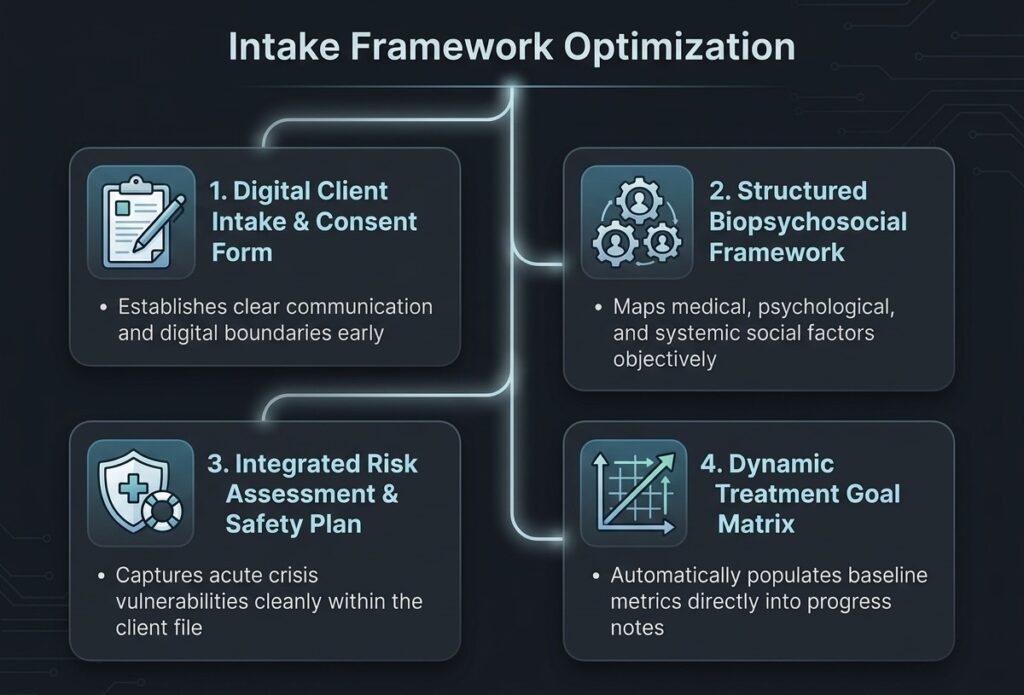
When designing documentation workflows, clinical supervisors and agency directors must balance three primary considerations:
- User Accessibility: Can clients with varying technical literacy easily complete digital intakes?
- Clinical Utility: Does the format actively support clinical supervisors guide to assessments, or is it merely checking a bureaucratic box?
- Data Security: Does your method ensure social work compliance and audit guidelines are entirely satisfied?
Do You Have a Team? Our best all-in-one client and top case management software simplifies everything from client intake and assessments to programs, projects, goals tracking, planning, scheduling, documentation, reporting dashboard, and progress tracking.All-in-One Case Management Software
Sign Up Today, Free
No credit card needed!
Is Improving Social Work Intake Efficiency Possible Without Sacrificing Care?
The most common operational challenge for community health workers and psychiatric social workers is time scarcity. Improving social work intake efficiency is not about rushing the client out of the office. It is about eradicating duplicate data entry and manual administrative friction.
When a social work case management workflow relies on disconnected paper forms, physical filing cabinets, and manual time tracking, clerical errors skyrocket. Transitioning to a streamlined workflow allows clinicians to complete essential documentation concurrently, freeing up meaningful time to focus entirely on the human being sitting across from them.

People Also Ask
What is the primary purpose of a psychosocial assessment?
The primary purpose of a psychosocial assessment is to gather a holistic, multi-dimensional understanding of a client’s current presentation by evaluating psychological symptoms, biological history, and social environmental factors. This comprehensive baseline enables social workers to formulate an accurate clinical diagnosis and construct an effective, personalized treatment plan.
What are the most common psychosocial assessment mistakes to avoid?
The most common mistakes include using overly subjective language in case notes, neglecting the social and environmental context of the client’s life, failing to align the initial intake with long-term goal tracking, and committing trauma-informed documentation errors that can fracture the clinical relationship.
How do you maintain objective vs subjective charting in social work?
You maintain this balance by focusing strictly on observable behaviors, direct quotes, and measurable metrics rather than applying emotional labels or assumptions. For example, instead of writing that a client is angry, document that the client spoke in a raised tone and walked out of the room during discussion of the target topic.
What should be included in a trauma-informed psychosocial intake?
A trauma-informed intake must prioritize physical and psychological safety, client choice, and collaboration. It includes clear explanations of privacy rules before asking sensitive questions, avoids clinical interrogation tactics, and focuses documentation on the client’s survival strengths and adaptive behaviors rather than pathologizing their trauma symptoms.
Why do clinical supervisors look closely at therapist intake form mistakes?
Clinical supervisors monitor these mistakes because errors on initial intake forms compromise the entire clinical pipeline. Incomplete or poorly formatted intake data results in weak treatment plans, increases compliance risks during insurance utilization reviews, and leaves the agency vulnerable during structural audits.
How does digital workflow management improve social work intake efficiency?
Digital workflows improve efficiency by centralizing client information, eliminating the need to type out repetitive data across multiple forms, automating appointment reminders, and offering secure, instant access to documentation. This automation dramatically reduces the time spent on administrative tasks.
Discover a Simpler Way to Manage Your Social Work Caseload
If managing client files, coordinating appointments, and maintaining perfect compliance feels like an exhausting balancing act, you are not alone. Frontline social workers deserve tools that simplify administrative burdens rather than compounding them.
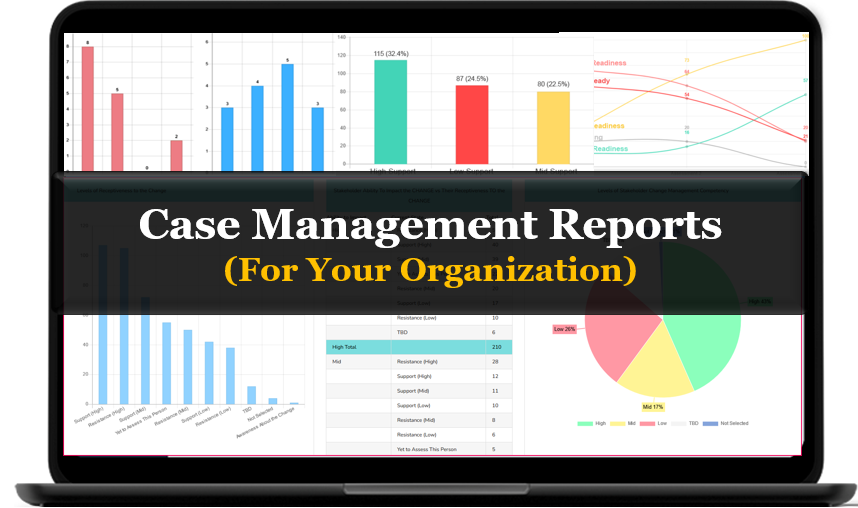
Case Management Hub offers an intuitive, cloud-based case management solution purpose-built for the unique workflows of human services professionals. From secure digital intakes and automated scheduling to structured clinical note templates and outcome tracking, the platform centralizes your daily practice seamlessly.
See how easy it is to add a new client and send them one of our form templates.
Step 1
Navigate to the Clients module from the sidebar.
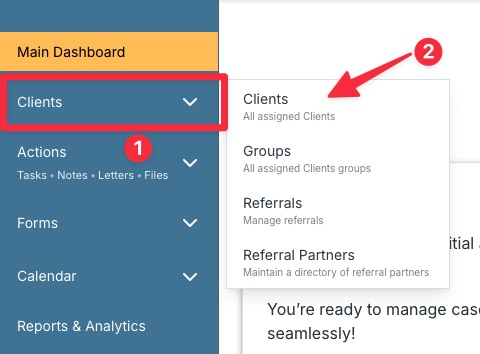
Tip: If you have chosen a different audience type when creating your account, that type will be shown here instead of “Client”.
Step 2
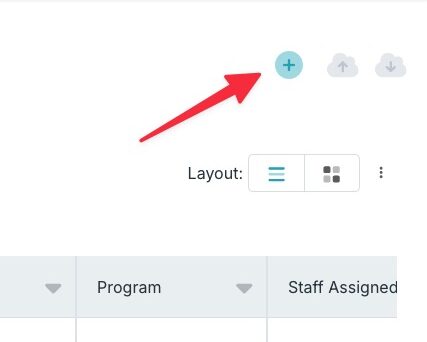
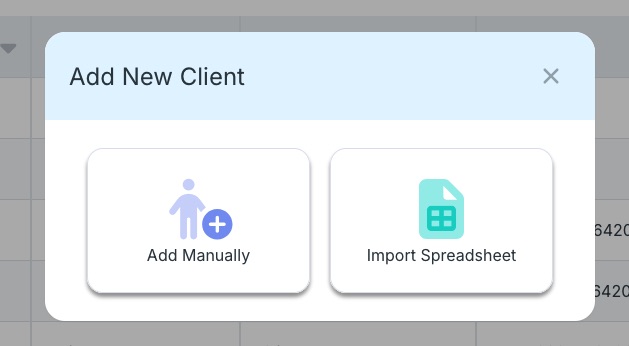
Click the plus button and choose whether you’d like to add one client manually, or add several clients through the import spreadsheet.
Step 3
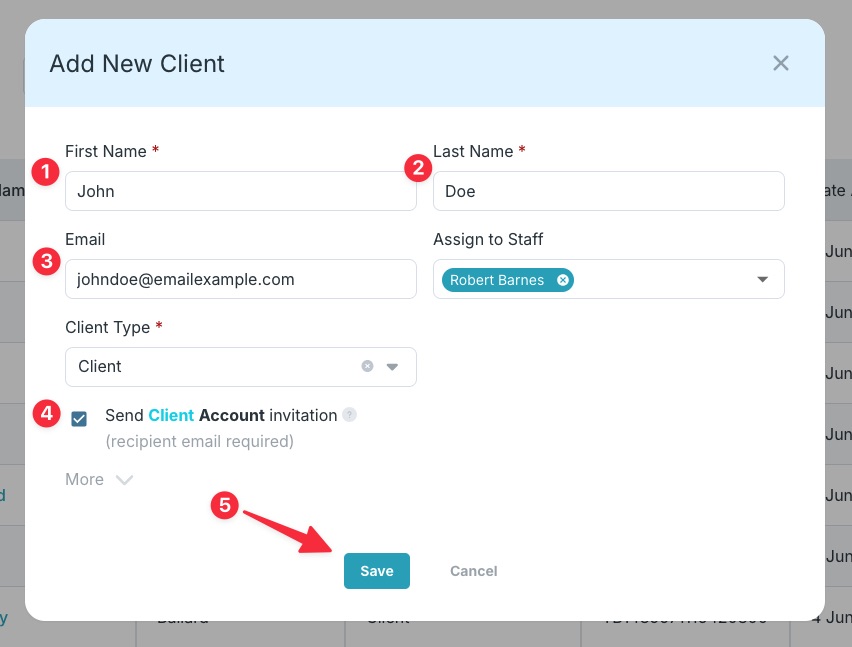
Enter the client’s first and last name and email address, then place a checkmark in Send Client Account invitation. Next, click Save.
Tip: There are several other settings on this popup such which staff will this client be assigned to and the client type. Under More you can add a phone number, customize the Client ID, assign a program or an incoming referral source.
Step 4
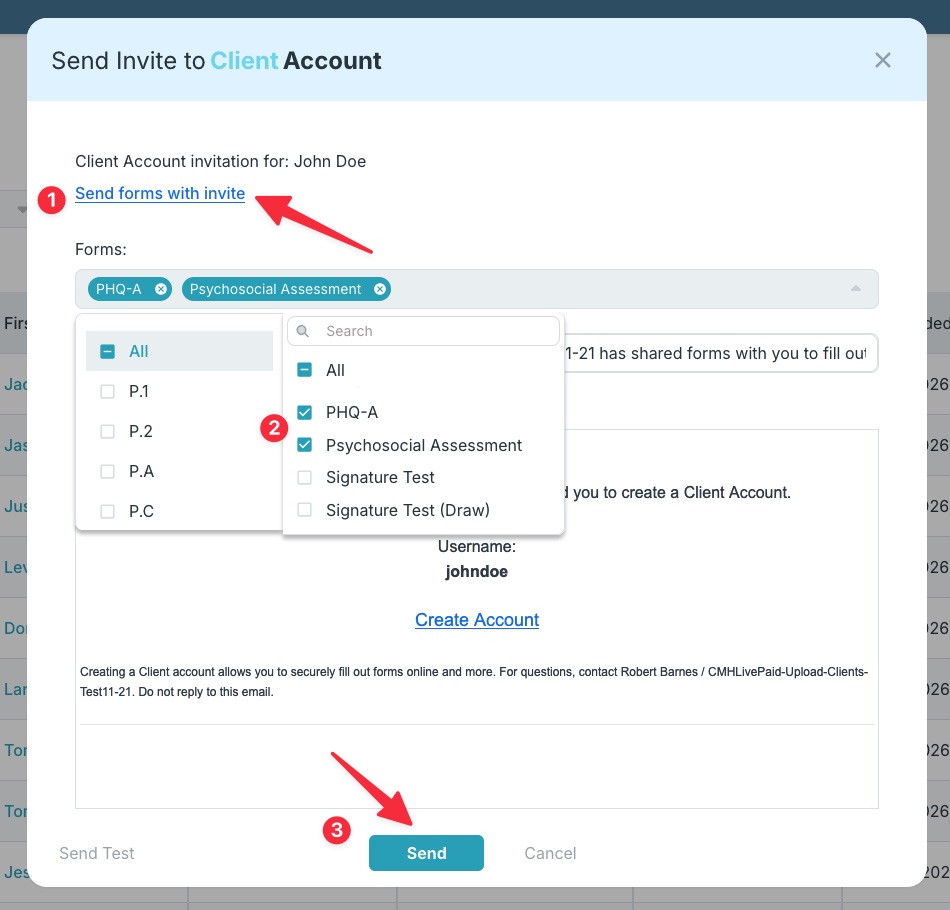
Click Send forms with invite, then select the forms you want to send to the client. Once done, click Send.
Step 5
Head to the Forms module to track forms status (Pending, Completed).
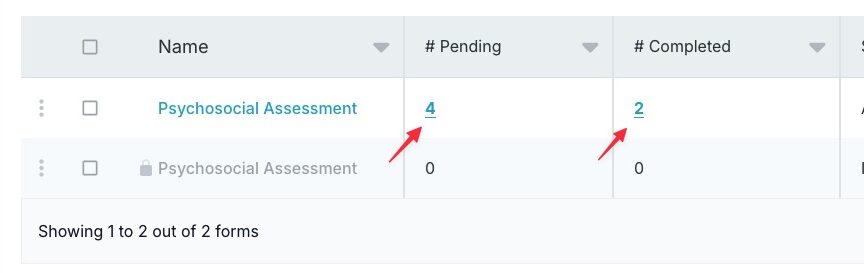
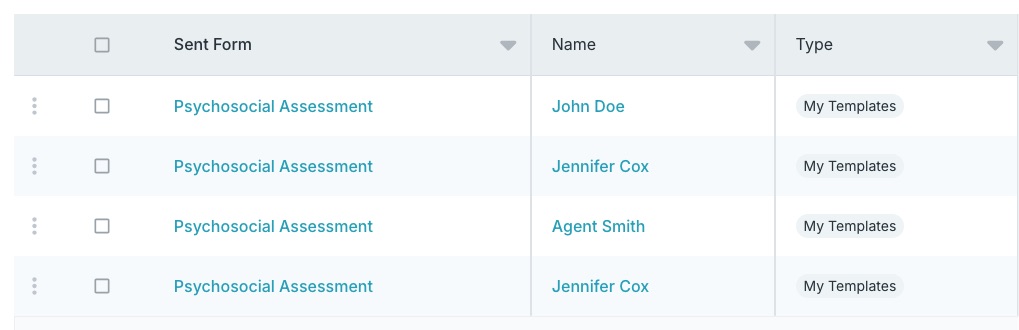
Tip: Click the count number in the Pending or Completed columns to see a full list of those specific clients.
You can experience the difference yourself by starting a free 21-day trial today, with absolutely no credit card required to sign up.
Frequently Asked Questions
What are the essential components of a compliant biopsychosocial assessment?
A compliant assessment must thoroughly cover identifying client demographics, the primary presenting problem, mental status exams, family background, physical health history, environmental stressors, spiritual beliefs, a clear clinical summary, and measurable initial recommendations.
How can human services professionals prevent trauma-informed documentation errors?
Prevent these errors by documenting trauma histories at a high, structural level without forcing the client to recount horrific details during an initial intake session. Focus your notes on current coping capacities, safety needs, and immediate stabilization resources.
What security measures are mandatory for secure messaging for mental health professionals?
Platforms must utilize end-to-end encryption, separate unique user logins, provide clear audit trails that track who accesses records, and back up data automatically within a secure cloud-based architecture that signs a formal Business Associate Agreement.
How often should a social work case management workflow be reviewed for compliance?
Agencies should conduct internal quality assurance peer reviews at least quarterly. This regular schedule ensures all documentation aligns smoothly with changing social work compliance and audit guidelines and local funding standards.
What is the most effective way of tracking client goals and progress notes?
The most effective method is using a structured framework where every progress note directly references an established baseline goal. This consistent connection ensures clear visibility into therapeutic progress and satisfies insurance companies during utilization reviews.
Can independent clinicians use an all-in-one mental health practice management platform?
Yes, independent practitioners benefit heavily from these tools. Centralizing your billing, secure file storage, intake tracking, and calendar scheduling into one unified system drastically minimizes operational overhead and protects your private practice from common compliance mistakes.
👉 Try it free today - No credit card needed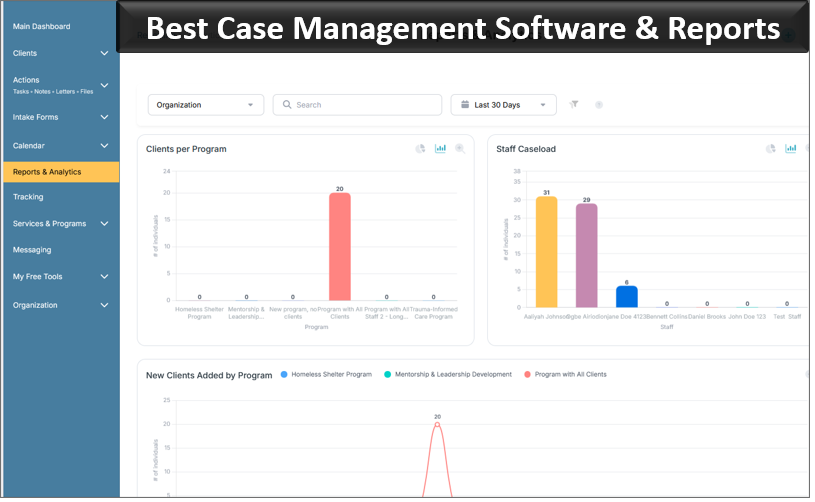
Note: Content on this website (socialworkportal.com) is copyrighted and protected under applicable copyright laws. Unauthorized reproduction, distribution, or use of any content from the website, without explicit written permission, is strictly prohibited. Read: Terms of Use.
Social Work Portal Disclaimer: Social Work Portal is not a social work agency and we do not refer social workers. This web site is provided for educational and informational purposes only and does not constitute providing medical advice or professional social and healthcare services. The information provided should not be used for diagnosing or treating a health problem or disease, and those seeking personal medical advice should consult with ... Read our full disclaimer here: Social Work Portal Disclaimer.