A Rapid Triage Guide for Frontline Clinicians and Counselors
Frontline behavioral health professionals face an impossible daily scheduling bottleneck. Caseloads routinely exceed recommended caps, school bell schedules restrict student check-ins to passing periods, and community health centers operate under severe time constraints. When trying to balance administrative overload with child engagement, providers rarely have forty-five minutes to conduct extensive diagnostic interviews, nor do their departments have the funding for costly commercial testing kits when an adolescent arrives showing sudden academic decline, emotional detachment, or volatile outbursts.
According to surveillance data published by the Centers for Disease Control and Prevention, approximately one in five adolescents aged twelve to seventeen experiences at least one major depressive episode annually. Despite this high prevalence, pediatric depression is frequently overlooked because its warning signs differ fundamentally from adult presentations. Relying on validated public instruments allows caseworkers and counselors to bypass proprietary licensing fees, quickly establish diagnostic baselines, and initiate timely clinical interventions without administrative delays.
Let’s get started
Watch this video:
or
read the guide below.
What You’ll Learn in This Guide
- How to select and deploy validated, free pediatric depression screening tools with zero budget
- A structured sequence for executing a 10 minute childhood depression screening protocol in high-volume settings
- Clinical methods to identify pediatric depression symptoms irritability vs sadness to prevent misdiagnosis
- Environmental adaptations to optimize pediatric depression assessment in rural clinics, schools, and correctional settings
- Why implementing a digital child depression screener with auto scoring eliminates administrative tracking errors
- Exact documentation workflows to export screener interpretations to SOAP notes and DAP charts efficiently
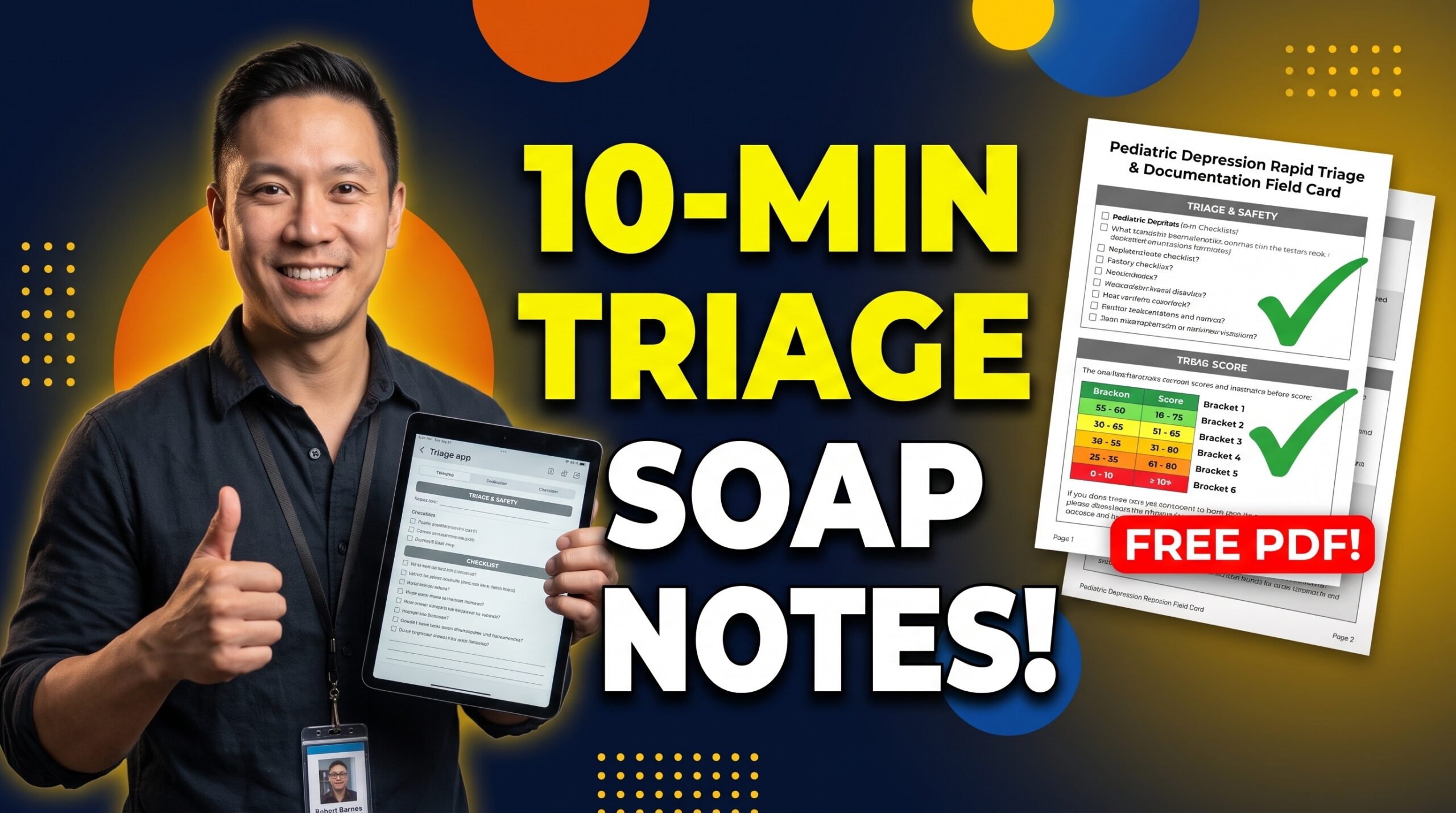
📥 Free Download: Pediatric Depression Rapid Triage & Documentation Field Card
Download the Pediatric Depression Rapid Triage & Documentation Field Card, a print-ready, high-density reference guide designed specifically for school guidance counselors, community caseworkers, and frontline clinicians. This practical desk tool provides an immediate 10-minute triage protocol, validated PHQ-A scoring brackets, acute Question 9 safety escalation pathways, and defensible SOAP/DAP phrase templates aligned with CPT code 96127 documentation standards.
Download Your Free Resources Here
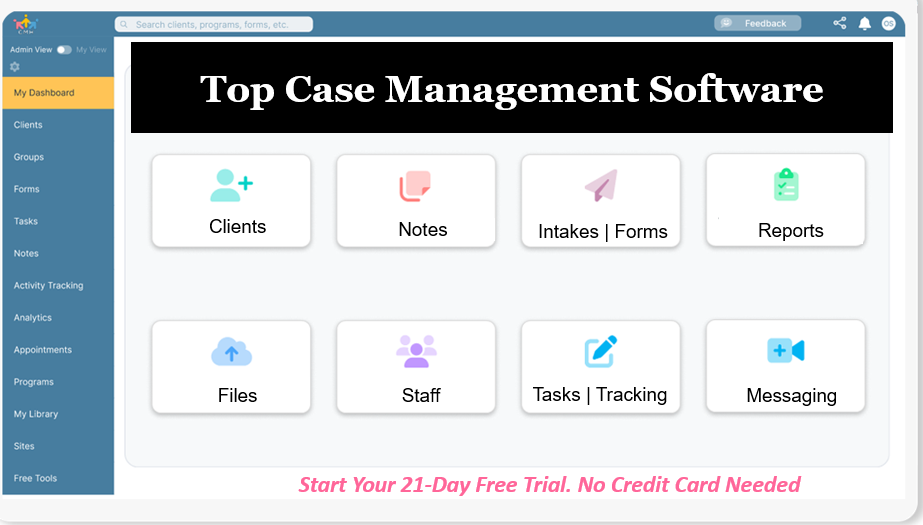
💡All-in-one Case Management Software.
Everything in one place: clients, notes, forms, appointments, reports, and outcomes.
👉 Try it Free - No credit card needed
Why Is Rapid Pediatric Depression Screening Essential in High-Volume Settings?
Youth behavioral crises rarely develop along convenient timelines. In crowded public school offices, county health clinics, and juvenile justice intake centers, practitioners must frequently make rapid, high-stakes clinical determinations with limited background information.
The primary operational obstacle in early detection is symptom masking. Children and adolescents often lack the self-reflective vocabulary to articulate internal despair or emotional numbness. Instead, depressive episodes in youth regularly manifest as recurring stomachaches, tension headaches, sudden social withdrawal, or persistent behavioral agitation.
When organizations fail to establish a rapid child mental health assessment protocol, evaluations default to subjective guesswork. This causes clinical delays, fragmented record-keeping, and missed referral windows. Learning how to effectively manage child mental health evaluations within an objective, ten-minute evaluation standard equips providers with a defensible baseline that safeguards patient welfare and supports structured care coordination across community agencies.
Which Free Pediatric Depression Screening Tools Work Best Under Strict Time Caps?
Commercial testing publishers charge steep recurring fees for printed questionnaires, placing heavy fiscal pressure on educational districts and non-profit clinics. Clinicians who know how to choose the right assessment tool can resolve this resource barrier by adopting validated, peer-reviewed public domain adolescent depression assessment forms that carry zero licensing fees.
| Screening Tool | Target Age | Item Count | Clinical Focus & Setting Fit |
| PHQ-9 (Modified for Adolescents / PHQ-A) | Ages 11 to 17 | 9 items | Directly maps DSM symptom criteria, depressive severity, and acute self-harm risk. Best for rapid individual triage. |
| Pediatric Symptom Checklist (PSC-17) | Ages 4 to 17 | 17 items | Broad multi-domain screener covering internalizing, externalizing, and attention subscales. Ideal for parent-completed intake. |
| RCADS-22 (Brief Form) | Ages 7 to 18 | 22 items | Clarifies the difference between pediatric depression and anxiety symptoms through validated concurrent scales. |
The PHQ-A serves as the primary instrument for rapid teenage evaluations. Adapted from adult guidelines on how to use the PHQ-9 questionnaire, standardized scoring PHQ-A modified for adolescents evaluates symptom frequency over the previous two weeks using a 0 to 3 scale:
- 0 to 4: Minimal or no depressive symptoms
- 5 to 9: Mild depressive symptoms
- 10 to 14: Moderate depression requiring structured clinical follow-up
- 15 to 19: Moderately severe depression indicating immediate therapy referral
- 20 to 27: Severe depression requiring urgent safety planning and medical consultation
Question 9 specifically evaluates suicidal thoughts or self-harm ideation. Any score above zero on Question 9 requires an immediate comprehensive safety assessment, regardless of the cumulative score.
For elementary-age children who may struggle with self-report forms, the PSC-17 parent version provides an objective collateral baseline. It captures changes in sleep habits, school performance, and family interactions without placing reading demands on the young patient.
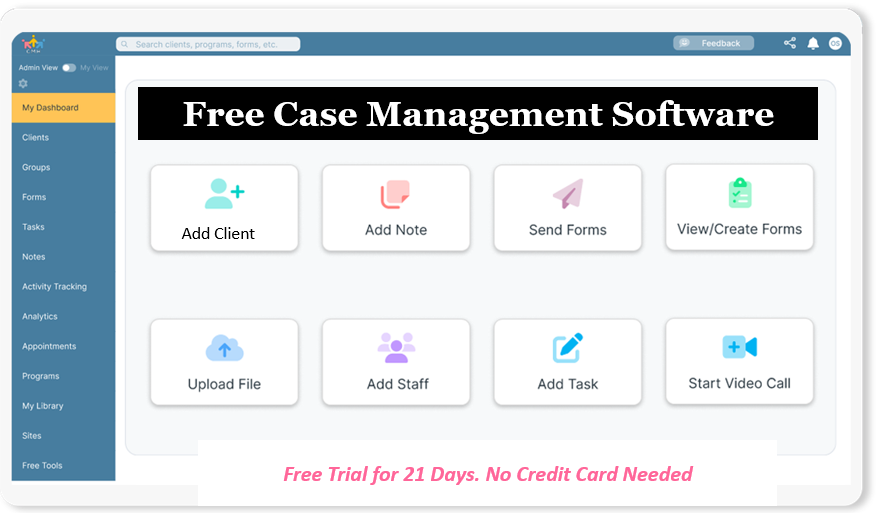
👉 Try it Free - Free Case Management System
How Do Providers Execute a 10-Minute Assessment Protocol Step-by-Step?
Conducting an accurate clinical assessment within ten minutes demands a disciplined, reproducible framework. Without a firm operational sequence, open-ended discussions can quickly derail the appointment without producing measurable diagnostic outcomes.
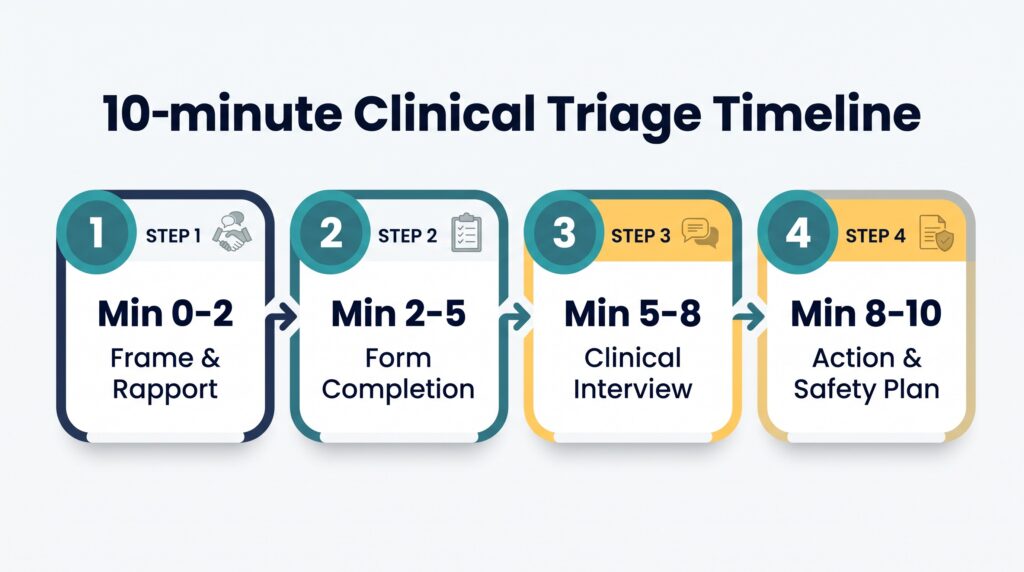
Minutes 0 to 2: Collaborative Framing and Rapport
Frame the questionnaire as a standard health check-in to lower defensive barriers. Clinicians trained to conduct therapeutic interviews often introduce the screener collaboratively:
“Just like a nurse checks your temperature and blood pressure, this short check-in helps me understand how your mind and body are dealing with everyday pressure. There are no right or wrong answers, and we review everything together.”
Clarify the boundaries of confidentiality immediately, confirming that personal answers stay between the client and provider unless there is an imminent risk of physical harm.
Minutes 2 to 5: Instrument Administration
Administer the questionnaire digitally on a tablet or on a single printed sheet. If a child has developmental challenges or reading delays, read the items aloud in a neutral, calm tone. Guide the youth to evaluate their baseline across the full preceding fourteen days rather than reacting only to immediate daily stress.
Minutes 5 to 8: Targeted Clinical Drill-Down
Tally the score and review individual responses. Pay immediate attention to functional disruptions in sleep, energy, and school attendance. Use structured pediatric behavioral health intake interview questions to evaluate real-world functional impairment:
- Academic Impact: “How difficult has it been to get out of bed and stay engaged through your morning classes?”
- Social Energy: “When friends ask you to play games or hang out, do you feel interested, or does responding feel exhausting?”
- Emotional Reactivity: “Do you find yourself getting furious or snapping at family members over minor things before you can catch yourself?”
Minutes 8 to 10: Safety Stratification and Care Planning
Verify Question 9. If suicidal thoughts are endorsed, initiate a formalized safety assessment protocol immediately. Knowing how to assess safety and risk in case management ensures that if the evaluation reflects mild to moderate distress without self-harm risk, you can agree on one practical coping step, schedule a formal follow-up within seven calendar days, and provide verified crisis resources before concluding the session.
How Can Practitioners Adapt Triage Across Schools, Rural Clinics, and Justice Facilities?
Every clinical environment introduces unique institutional constraints that require specific adjustments to the triage model.
Educational Environments
Understanding how to screen child depression in school settings requires balancing student privacy against academic schedules. Guidance counselors must complete evaluations during homerooms or study blocks without drawing unwanted peer attention. Using electronic intake forms for school guidance counselors allows students to submit check-ins securely from school computers, letting counselors prioritize urgent follow-ups before behavioral issues escalate in class.
Rural Health Centers
Clinicians managing pediatric depression assessment in rural clinics frequently serve as the only behavioral resource across multiple counties. When tertiary psychiatric specialists are located hours away, screening must focus heavily on risk stratification and longitudinal tracking. Providers should maintain standardized pediatric mental health assessment templates for case managers to document symptom severity consistently, making collaborative primary care reviews and telehealth consults straightforward.
Juvenile Justice Facilities
Conducting pediatric depression screening in juvenile justice intake involves working with guarded youth who often interpret vulnerability as a physical safety liability. Distress in these settings is frequently externalized as defiance, defiance toward authority, or emotional apathy. Clinicians must explain clearly that screening results are used to provide personal care and safety accommodations rather than to assign disciplinary sanctions.
All-in-One Case Management Software
Sign Up Today, Free
No credit card needed!
Do You Have a Team? | ||
Our best all-in-one client and top case management software simplifies everything from client intake and assessments to programs, projects, goals tracking, planning, scheduling, documentation, reporting dashboard, and progress tracking.
How Do Digital Tools Streamline Pediatric Depression Screening?
While paper assessment sheets appear cost-free initially, manual charting creates major administrative overhead. Practitioners lose hours each week tallying numerical scores by hand, manually copying results into electronic charts, and retyping diagnostic conclusions across progress records.
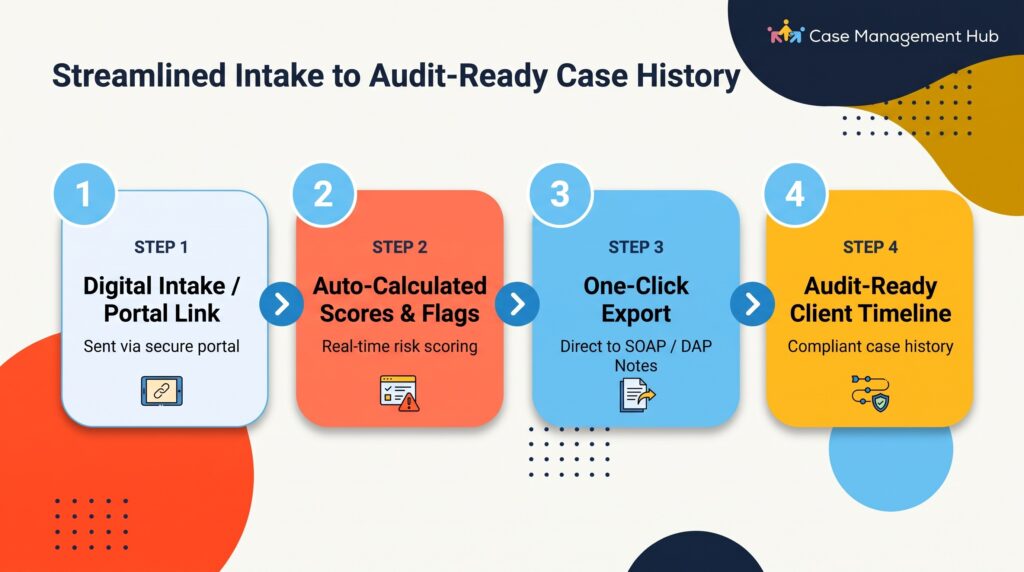
Implementing cloud based case management for community health centers replaces these fragmented administrative steps with an automated clinical pipeline. Learning how to automate case management tasks modernizes the intake sequence into four frictionless milestones:
- Pre-Visit Data Collection: Clinics use a secure client portal for pediatric mental health screening, allowing parents or guardians to complete intake questionnaires on a smartphone before arriving at the office.
- Instant Algorithmic Scoring: A modern digital child depression screener with auto scoring instantly calculates totals, determines severity brackets, and alerts staff to critical safety items before the patient enters the room.
- Integrated Clinical Notes: Instead of retyping numerical scores into clinical documentation, practitioners can export screener interpretations to soap notes directly. Understanding how to write a SOAP note that accurately incorporates standardized screening data allows providers to use pediatric dap note templates with screening integration to automatically insert objective test results into the Data field and diagnostic impressions into the Assessment section.
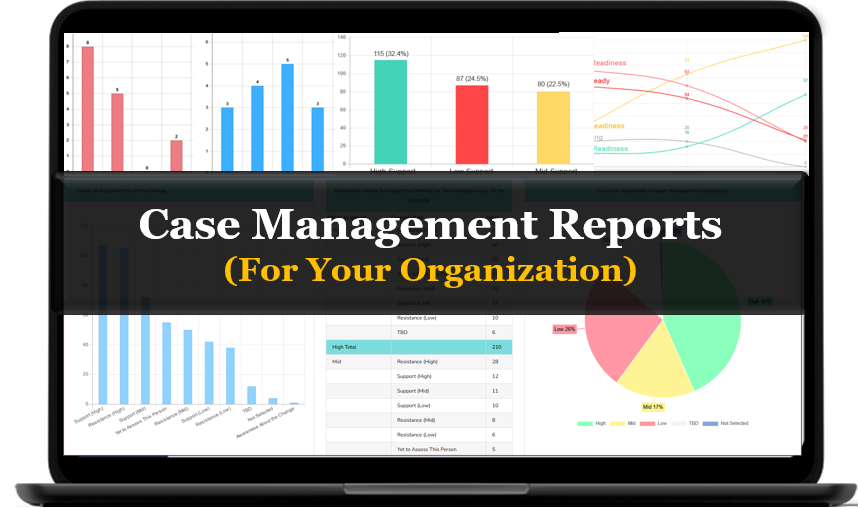
- Automated Longitudinal Tracking: Centralized software tracks repeat scores over time, generating clear progress lines that prove treatment efficacy during multi-agency reviews, case conferences, and insurance audits.
| Clinical Task | Manual Paper Workflow | Automated Digital Practice Workflow |
| Intake Distribution | Printing, photocopying, and handling physical clipboards | Sending secure, digital links via client portal ahead of visits |
| Score Computation | Manual hand addition by provider during the clinical visit | Instant automated calculation with risk category sorting |
| Risk Detection | Manual inspection of paper sheets for self-harm items | Immediate visual alert highlighting high-risk responses |
| Documentation | Retyping screening scores and notes into charts manually | Single-click export of structured scores directly into notes |
| Audit Compliance | Physical charts vulnerable to misplacement and data loss | Centralized, encrypted records with automated audit trails |
| Clinician Admin Time | 20 to 25 minutes of paperwork per assessment | Under 4 minutes of total administrative interaction time |

People Also Ask
What is the most reliable free screener for adolescent depression?
The Patient Health Questionnaire Modified for Adolescents (PHQ-A) is widely considered the gold standard for free adolescent depression screening. It contains nine direct items aligned with clinical diagnostic criteria and can be completed by a young person in under five minutes.
How does pediatric depression differ from typical adolescent moodiness?
Normal developmental moodiness fluctuates in response to daily social events and rarely disrupts a teenager’s core functioning. In contrast, pediatric depression persists for two weeks or longer and causes measurable impairment in academic performance, peer engagement, and physical sleep cycles.
Can school counselors screen students without parental consent?
Parental notification policies depend on state regulations, local school board guidelines, and whether an evaluation is universal or an individual crisis check-in. Counselors can generally conduct immediate safety triage in urgent situations, but ongoing counseling plans require formal parental consent.
How do children display depression differently than adults?
While adults frequently present with sadness and lethargy, children and teenagers often manifest depressive episodes through irritability, hostile verbal reactions, and somatic physical complaints like chronic stomachaches. Providers who look only for crying or lethargy frequently miss pediatric mood disorders.
How often should pediatric depression screenings be repeated?
For adolescents showing active mild or moderate symptoms, screening tools should be administered every two to four weeks to monitor treatment response. For general pediatric populations, annual universal screening is recommended by national medical guidelines.
What billing code covers pediatric depression screening?
Healthcare providers typically bill CPT code 96127 for brief emotional and behavioral assessments using standardized instruments. To ensure reimbursement, the clinical chart must document the instrument used, the numeric score, clinical interpretation, and an explicit action plan.
How Case Management Hub Solves Your Clinical Documentation Friction
Conducting rapid, ethical pediatric evaluations should not trap frontline clinicians in administrative paperwork. If your team is struggling with paper clipboards, missing intake records, and evening hours spent writing progress notes, Case Management Hub provides a unified, practical solution.
Case Management Hub is a HIPAA-compliant, all-in-one practice management platform built specifically for social workers, school counselors, caseworkers, and clinic teams. The platform centralizes client tracking, scheduling, notes, and assessments into one intuitive workspace.
- Access pre-loaded clinical instruments, including case management software with built in PHQ a templates and PSC-17 protocols ready for immediate use.
- Distribute HIPAA compliant pediatric intake forms online to parents and youth via a secure client portal with zero paper filing.
- Save administrative time with built-in auto-scoring that highlights elevated safety risks instantly.
- Use structured note builders to streamline pediatric behavioral health intake documentation, exporting assessment findings directly into DAP and SOAP notes.
- Collaborate securely across multi-disciplinary teams with enterprise-grade encryption and role-based permissions.
Take control of your intake workflow and give young clients your undivided attention during every session.
Start Your 21-Day Free Trial (No Credit Card Required)
Frequently Asked Questions
How does a clinician handle an adolescent who rushes through the questionnaire?
When adolescents rush through questionnaires, they often mark identical scores down a single column to finish quickly. When this occurs, review the form collaboratively with the client and ask open-ended questions about conflicting answers. For example, if a student marks zero for fatigue but reports sleeping through morning classes, invite them to describe their daily energy levels. Pairing student self-reports with parent observations on the PSC-17 provides collateral information that balances hurried answers.
What are the legal requirements when an adolescent endorses suicidal thoughts on Question 9?
Endorsement of self-harm or suicidal thoughts requires an immediate transition to a validated safety assessment, such as the Columbia-Suicide Severity Rating Scale. Clinicians must evaluate intent, feasibility, access to lethal means, and protective factors. Providers must document all risk determinations, safety plans, and notifications made to legal guardians or crisis teams. In school settings, confidential crisis notes must be stored separately from general academic transcripts to protect student privacy.
How does modern software protect student privacy under FERPA and HIPAA standards?
Modern behavioral health platforms maintain compliance by enforcing strict end-to-end encryption, multi-factor authentication, and granular role-based permissions. These administrative controls ensure that only assigned clinicians access sensitive screening data, preventing unauthorized viewing by general staff. In educational environments, software ensures student mental health assessments remain strictly partitioned from educational records, satisfying both health privacy and educational records laws.
How can rural health clinics with limited psychiatric referral networks manage positive screenings?
Rural clinics must establish standardized risk stratification tiers to allocate scarce resources effectively. Mild cases can be managed through brief behavioral interventions, school coordination, and supportive counseling. Moderate to severe presentations require warm handoffs to regional telepsychiatry networks and community crisis centers. Maintaining standardized digital intake templates ensures that clinical records are clear and comprehensive, allowing remote specialists to review cases without duplicating baseline intakes.
Can intake forms be configured to capture state-specific child welfare indicators?
Yes. Quality case management platforms allow organizations to build custom assessment templates tailored to local reporting mandates. Clinicians can integrate state child welfare screening criteria directly alongside standard depression measures. This consolidation ensures that all required regulatory, risk, and clinical indicators are captured in a single intake session, keeping records compliant for state audits without adding separate paperwork.
How do cultural differences influence how pediatric depression presents in intake sessions?
Cultural norms strongly shape how emotional suffering is perceived, labeled, and shared. In many communities, admitting to emotional sadness or mental distress carries heavy social stigma, leading young people to communicate suffering through somatic complaints or behavioral withdrawal. Clinicians must interpret assessment scores contextually, inquiring about physical comfort, school performance, and family harmony rather than focusing strictly on internal mood descriptions.
👉 Try it free today - No credit card needed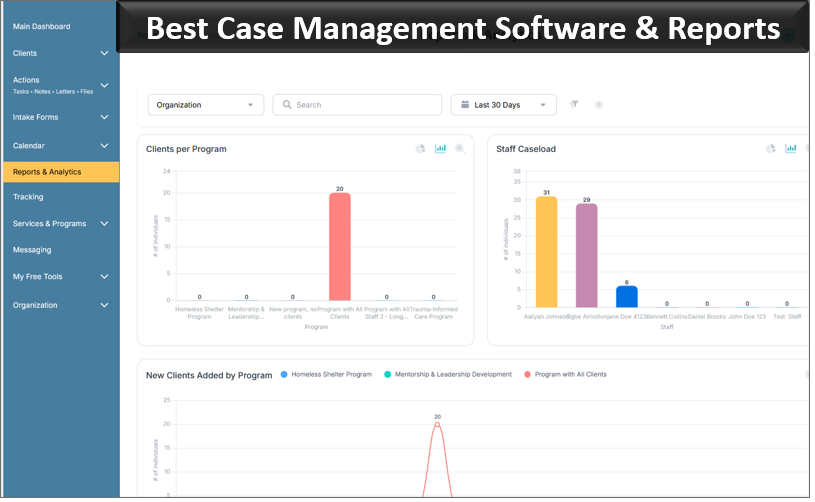
Note: Content on this website (socialworkportal.com) is copyrighted and protected under applicable copyright laws. Unauthorized reproduction, distribution, or use of any content from the website, without explicit written permission, is strictly prohibited. Read: Terms of Use.
Social Work Portal Disclaimer: Social Work Portal is not a social work agency and we do not refer social workers. This web site is provided for educational and informational purposes only and does not constitute providing medical advice or professional social and healthcare services. The information provided should not be used for diagnosing or treating a health problem or disease, and those seeking personal medical advice should consult with ... Read our full disclaimer here: Social Work Portal Disclaimer.