A Practitioner’s Guide to Holistic Treatment Planning, Assessment, and Care Delivery
Clinical depression rarely stems from a single isolated cause. While traditional biomedical paradigms frequently view major depressive disorder as a simple chemical imbalance, real-world clinical experience shows that mood disorders emerge from an intricate web of physical biology, cognitive processes, and systemic environments.
Applying the biopsychosocial model of depression enables psychologists, licensed counselors, clinical social workers, and medical providers to look beyond symptom checklists. This approach allows clinicians to formulate actionable interventions that address the complete lived experience of every client.
Let’s get started
Watch this video:
or
read the guide below.
What You Will Learn
- The fundamental pillars comprising biological, psychological, and social factors in depression
- How to complete a structured biopsychosocial assessment depression example
- The differences between a standard biomedical model and a comprehensive biopsychosocial model
- Essential searcher considerations and clinician decision-making factors for treatment selection
- Practical strategies to design a holistic treatment plan for major depressive disorder
- How modern digital tools support integrated behavioral health treatment planning and care coordination
💡All-in-one Case Management Software.
Everything in one place: clients, notes, forms, appointments, reports, and outcomes.
👉 Try it Free - No credit card needed
Why Is the Biopsychosocial Model Essential for Depression Treatment?
The biopsychosocial model, first introduced by psychiatrist George Engel in 1977, challenges the narrow assumption that disease exists purely as an isolated somatic disruption. In psychiatric care, reducing depression exclusively to neurotransmitter levels neglects key psychological and environmental factors that trigger or sustain depressive episodes.
According to data published by the World Health Organization, approximately 280 million people worldwide experience depression, making it a primary driver of disability across the globe. Furthermore, clinical studies indicate that upwards of 50% of individuals diagnosed with major depressive disorder do not achieve full remission through monotherapy such as antidepressant medications alone. When providers expand their clinical lens to incorporate emotional processing, relational stability, and socioeconomic drivers, they build a durable foundation for sustained recovery.
| Biological | Psychological | Social |
| • Neurotransmitters | • Cognitive schemas | • Housing |
| • Sleep architecture | • Attachment styles | • Isolation |
| • Chronic inflammation | • Coping strategies | • Finances |
| • Genetics & thyroid | • Emotional regulation | • Family |
Integrating these three interconnected tiers produces a detailed clinical formulation biopsychosocial approach. This diagnostic view reassures clients and their families that depression does not reflect personal weakness or moral failure, but rather represents a complex systemic response to overlapping biological vulnerabilities and severe contextual stress.
How Do Biological, Psychological, and Social Factors Interact in Major Depressive Disorder?
Understanding biological psychological and social factors in depression requires clinicians to evaluate how these variables influence each other dynamically over time.
1. Biological Foundations
Biological contributors extend far beyond basic serotonin and dopamine theories. Clinicians must account for:
- Genetic vulnerabilities and familial patterns of affective disorders
- Endocrine disruptions, including thyroid irregularities and dysregulation of the hypothalamic-pituitary-adrenal (HPA) axis
- Chronic systemic inflammation, autoimmune conditions, and microbiome imbalances
- Sleep architecture disruptions, circadian misalignment, nutritional deficits, and physical inactivity
2. Psychological Mechanisms
The psychological domain focuses on how an individual perceives, integrates, and responds to internal and external experiences:
- Cognitive schemas, automatic negative thoughts, and cognitive distortions
- Learned helplessness and external locus of control
- Emotion regulation capacities and distress tolerance
- Unresolved childhood developmental trauma, adverse childhood experiences (ACEs), and insecure attachment styles
3. Social and Environmental Realities
Social determinants of health shape day-to-day emotional resilience. Clinicians frequently uncover root stressors within:
- Severe economic hardship, food scarcity, and unstable housing
- Chronic loneliness, social alienation, and the absence of dependable social support
- Structural oppression, systemic discrimination, and workplace burnout
- Relationship distress, domestic discord, and high caregiver burdens
When a patient experiences prolonged chronic stress from unemployment (social), elevated cortisol output can disrupt neurogenesis and hippocampal volume (biological). This biological shift often increases depressive rumination and perceived helplessness (psychological), creating a self-reinforcing cycle.
👉 Try it Free - Free Case Management System
How Does the Biopsychosocial Model Compare to the Biomedical Framework?
Evaluating different diagnostic frameworks helps clinical practices select the most effective care pathway for complex mood disorders.
| Evaluation Dimension | Traditional Biomedical Model | Comprehensive Biopsychosocial Model |
| Primary Etiology Focus | Brain chemistry, genetics, somatic pathology | Dynamic interplay of biology, cognition, and environment |
| Assessment Scope | Symptom checklist matching diagnostic criteria | Comprehensive intake covering medical, psychological, and social history |
| Primary Interventions | Pharmacotherapy, somatic therapies | Combined psychotherapy, lifestyle medicine, community resources, and pharmacotherapy |
| Client Perspective | Passive recipient of medical treatment | Active, empowered partner in health and recovery |
| Documentation Demands | Basic clinical notes and diagnostic codes | Detailed psychosocial assessments, goal tracking, and multidisciplinary coordination |
| Long-Term Outcomes | Higher rates of symptom recurrence when medications stop | Greater resilience and lower relapse rates through holistic skill building |
How Do Clinicians Conduct a Biopsychosocial Assessment for Depression?
A structured biopsychosocial assessment depression example illustrates how to capture all relevant client variables during initial intake. Using standardized intake templates ensures practitioners collect comprehensive information without overburdening administrative workflows.
Phase 1: Standardized Psychiatric Intake Forms and Documentation
Intake paperwork must systematically gather:
- Medical history, current prescription regimens, family psychiatric pedigree, and substance consumption habits
- Baseline mood assessments using validated instruments such as the PHQ-9 or Beck Depression Inventory
- Social history details, including marital status, living arrangements, occupational demands, cultural considerations, and financial stressors
Phase 2: The Semi-Structured Diagnostic Interview
During the clinical interview, the practitioner reviews the gathered intake details to identify triggers and protective factors. Key exploration prompts include:
- Biological: “How has your sleep routine, energy level, or physical health changed over the past six months?”
- Psychological: “When your mood drops, what narrative do you tell yourself about your future and your self-worth?”
- Social: “Who in your immediate circle provides emotional comfort, and what everyday life pressures place the heaviest strain on you?”
Phase 3: Synthesizing the Clinical Formulation
The gathered information is condensed into a diagnostic narrative that links precipitating events, predisposing vulnerabilities, perpetuating elements, and protective strengths across all three dimensions.
What Does a Holistic Treatment Plan for Major Depressive Disorder Look Like?
A holistic treatment plan for major depressive disorder translates assessment findings into actionable, measurable interventions. Rather than relying on a generic protocol, care plans must feature tailored strategies across each domain.

Implementing Integrated Behavioral Health Treatment Planning
- Biological Stabilization: In collaboration with a primary care physician or psychiatric nurse practitioner, the clinical team rules out underlying medical conditions and establishes baseline physical health parameters.
- Evidence-Based Psychological Modalities: The clinician initiates Cognitive Behavioral Therapy (CBT), Acceptance and Commitment Therapy (ACT), or Interpersonal Psychotherapy (IPT) to address maladaptive thought loops and behavior patterns.
- Social and Environmental Restructuring: Social workers and case managers connect the individual with local support groups, job placement programs, or family counseling services to alleviate external life pressures.
Do You Have a Team? Our best all-in-one client and top case management software simplifies everything from client intake and assessments to programs, projects, goals tracking, planning, scheduling, documentation, reporting dashboard, and progress tracking.All-in-One Case Management Software
Sign Up Today, Free
No credit card needed!
What Key Factors Guide Treatment Decisions for Clinicians and Clients?
Developing an individualized treatment plan requires navigating practical, financial, and clinical decisions:
- Symptom Severity and Acute Safety: Mild depression often improves with standalone psychotherapy and lifestyle adjustments, whereas severe or treatment-resistant episodes usually require concurrent pharmacotherapy and structured support.
- Client Preferences and Values: Treatment adherence depends heavily on aligning interventions with the client’s cultural framework, personal beliefs, and recovery goals.
- Provider Collaboration: Effective care requires open channels between therapists, physicians, and case managers, making multidisciplinary coordination essential for patient safety.
- Care Continuity and Goal Tracking: Clinicians need convenient systems to track clinical goals, review assessment scores over time, and adjust treatment strategies when progress stalls.



People Also Ask
What are the three components of the biopsychosocial model?
The three components are biological factors (genetics, neurochemistry, sleep, physical illness), psychological factors (thought patterns, emotion regulation, coping skills, personal trauma), and social factors (relationships, socioeconomic status, living environments, systemic discrimination).
Who developed the biopsychosocial model?
Dr. George Engel introduced the biopsychosocial model in 1977 at the University of Rochester. He proposed the framework to expand traditional medicine beyond the narrow biomedical model by incorporating psychological and social dynamics into diagnosis and care.
How does the biopsychosocial model explain depression?
The model explains depression as an interaction between biological predispositions (like genetic vulnerability or neurotransmitter imbalances) and psychological vulnerabilities (such as negative cognitive schemas), which are triggered or intensified by social environmental stressors (like financial hardship or social isolation).
What is an example of a biological factor in depression?
A common biological factor is an inherited genetic predisposition coupled with dysregulation of neurotransmitters, abnormal circadian sleep cycles, or systemic chronic inflammation.
Can depression be cured using only psychological therapy?
For many individuals with mild to moderate depression, evidence-based psychotherapy such as Cognitive Behavioral Therapy can lead to full remission. However, moderate to severe depression often responds most reliably to combined psychological and biological treatments alongside social support systems.
Why is the biopsychosocial model important for social workers?
It gives social workers a comprehensive framework to examine how an individual interacts with their broader environment. This approach prevents clinicians from overlooking critical systemic barriers such as housing insecurity, economic strain, and family dynamics during treatment planning.
Streamlining Biopsychosocial Case Management in Modern Practice
Effectively applying the biopsychosocial framework demands thorough documentation, careful coordination between multiple providers, and attentive client monitoring. Balancing in-depth psychosocial intakes, multi-step care plans, and outcome tracking alongside everyday administrative tasks can quickly become overwhelming when relying on fragmented systems.
Dedicated case management software simplifies these clinical workflows by consolidating your primary practice tools into a single, intuitive platform. Built specifically for social workers, therapists, and case management professionals, our software provides:
- Comprehensive biopsychosocial intake templates and standardized clinical assessment tools
- Longitudinal client goal and progress tracking to evaluate treatment interventions over time
- HIPAA-compliant client portals with secure messaging and self-service appointment scheduling
- Integrated documentation storage, case notes, and automated billing workflows
Equipping your practice with tailored case management tools reduces administrative overhead, allowing you to spend more time delivering high-quality, patient-centered care.
See how easy it is to Create, Edit, and Send a form in Case Management Hub (Quick tip: These same steps work for any of our built in form templates):
Step 1:
From the sidebar, click on the Forms module, search for Basic Intake Form, then click the title to open it.
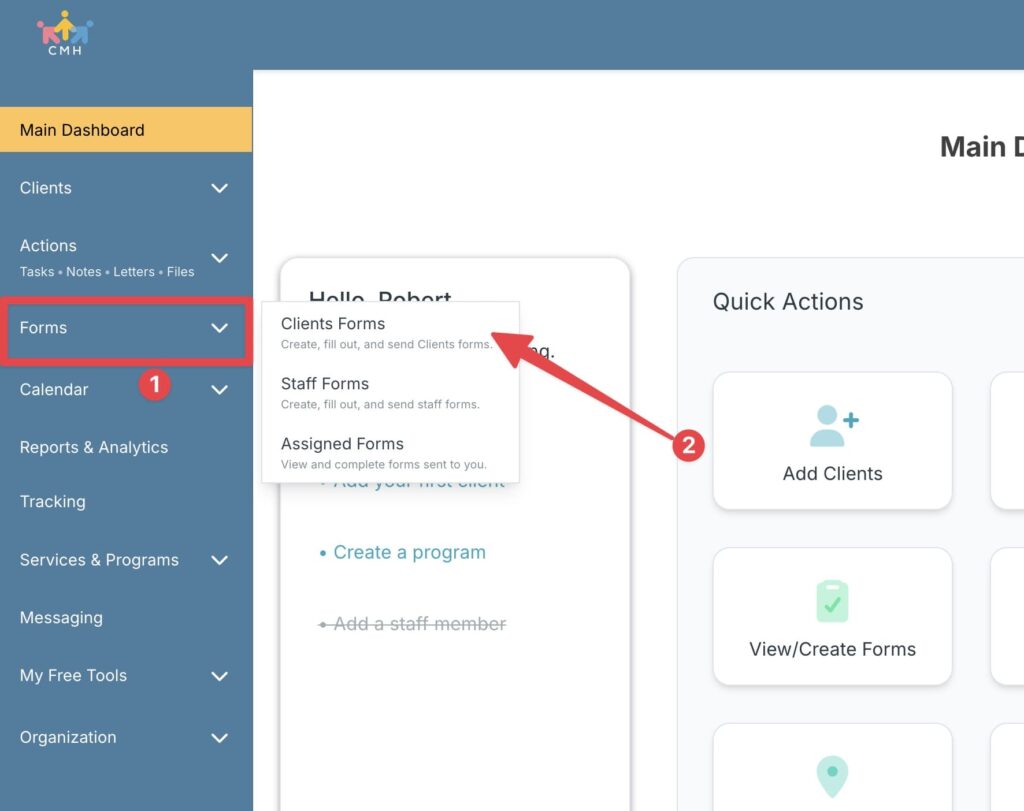
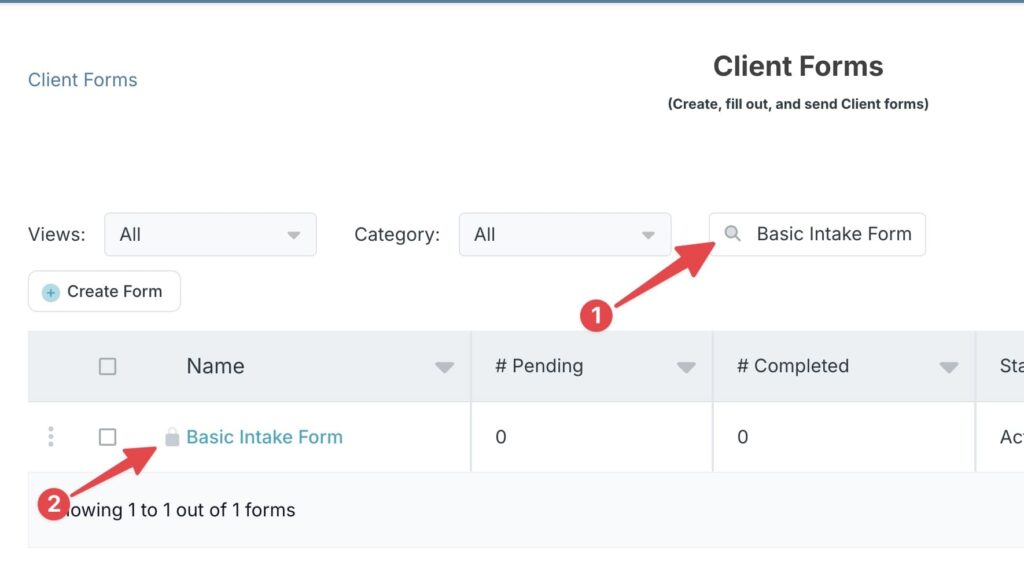
Tip: Forms with a padlock are master templates provided by Case Management Hub to help you get started. You can easily customize these to make them your own.
Step 2:
Click Edit Template to start customizing the form to your needs. Once done, click Save.
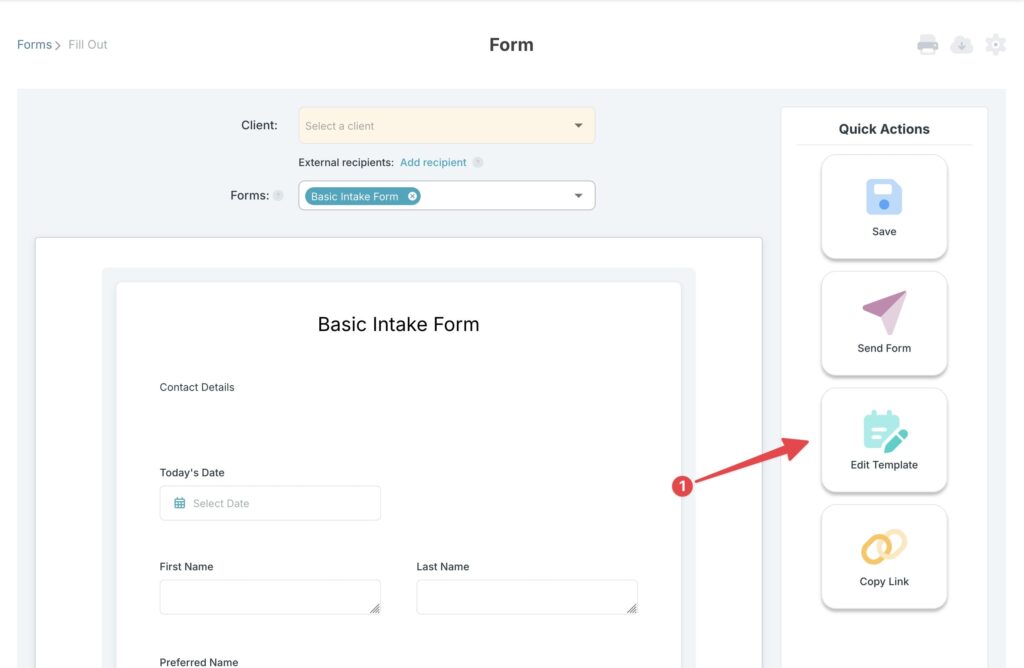
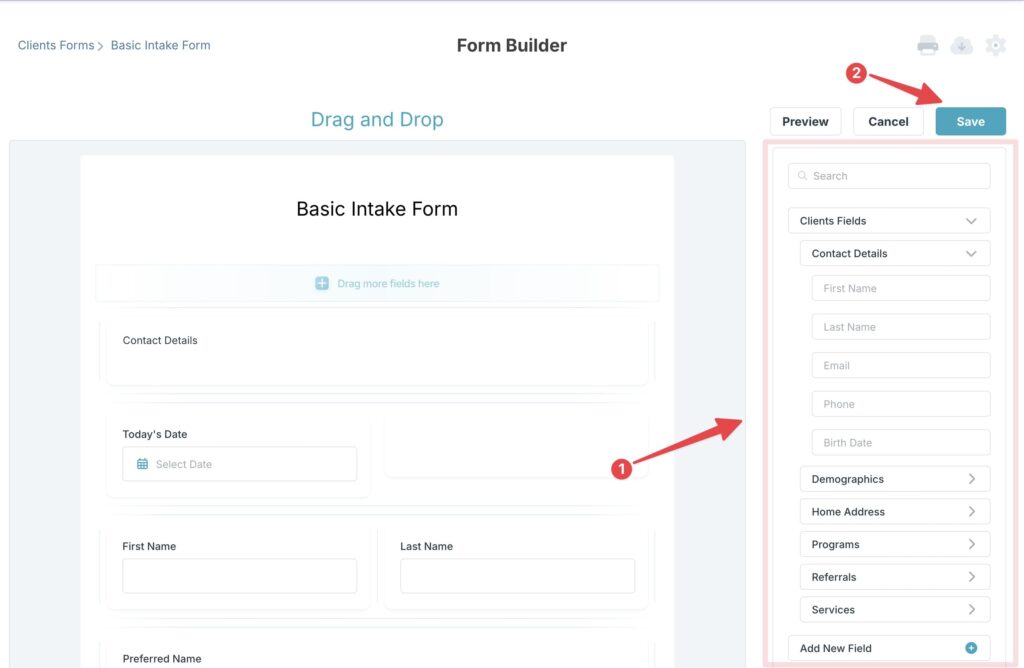
Tip: You can add new form fields using the right sidebar. Just drag them straight into your form.
Step 3:
Select a client to start filling out the form on their behalf. Once done, click Save.
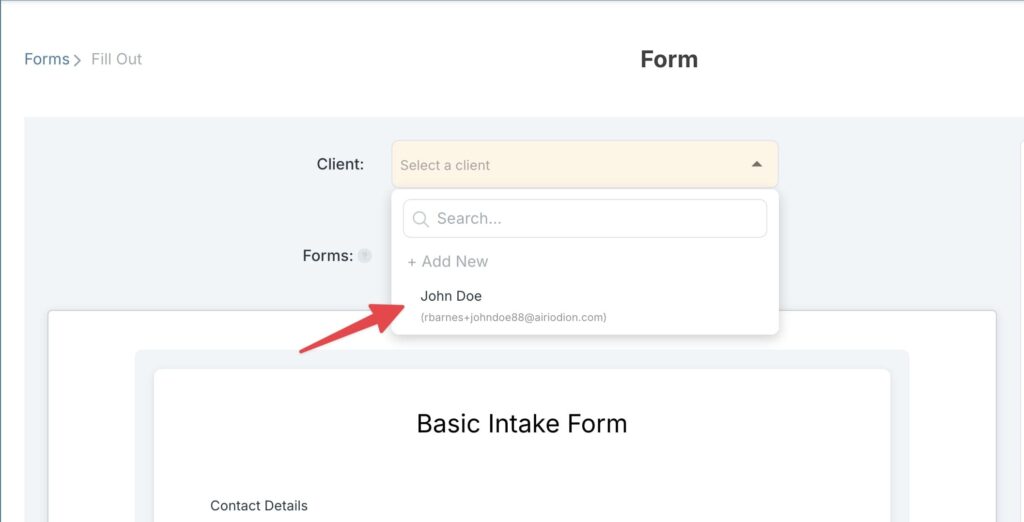
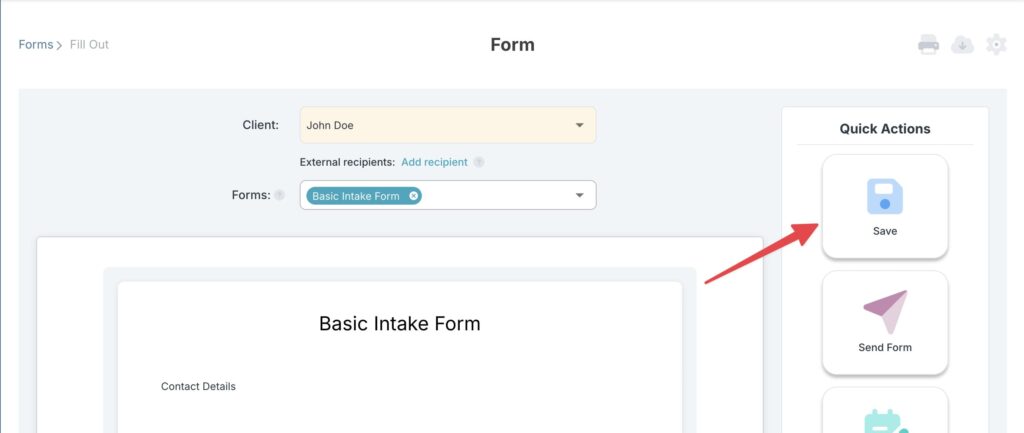
Tip: No need to re‑type your client’s data, it magically fills in the form for you, saving you time.
Step 4:
Or to send the form directly to a client, click Send Form, then select the clients. When you’re ready click Send.
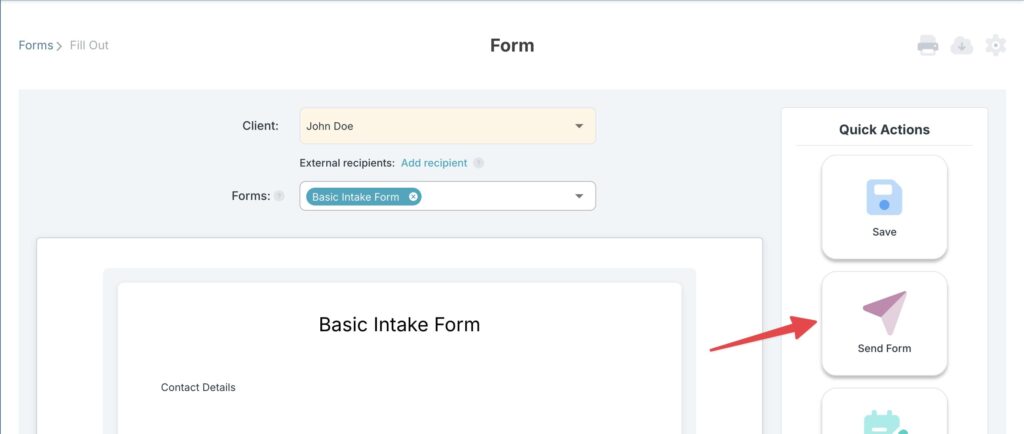
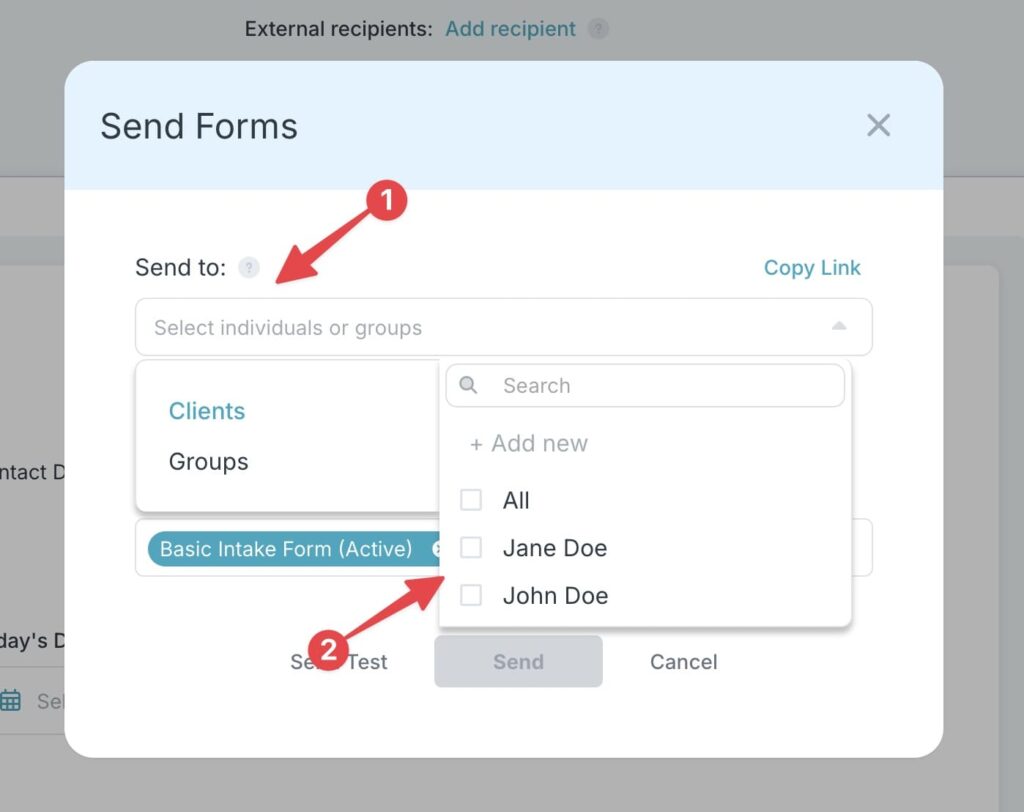
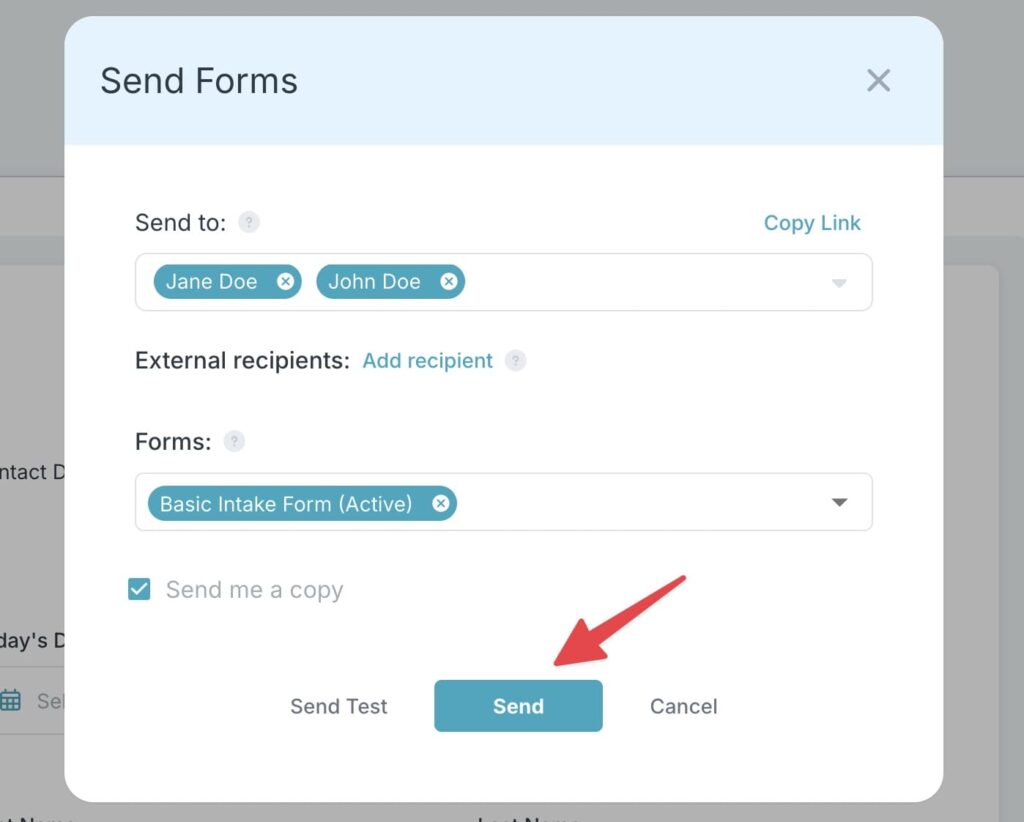
Tip: You can send the form to clients that are not yet part of Case Management Hub (External recipients) by clicking “Add recipient” and filling out their email, first name, and last name.
Step 5:
Create a public link for your form so you can easily share it with anyone. Just click Copy Link to publish your online form.
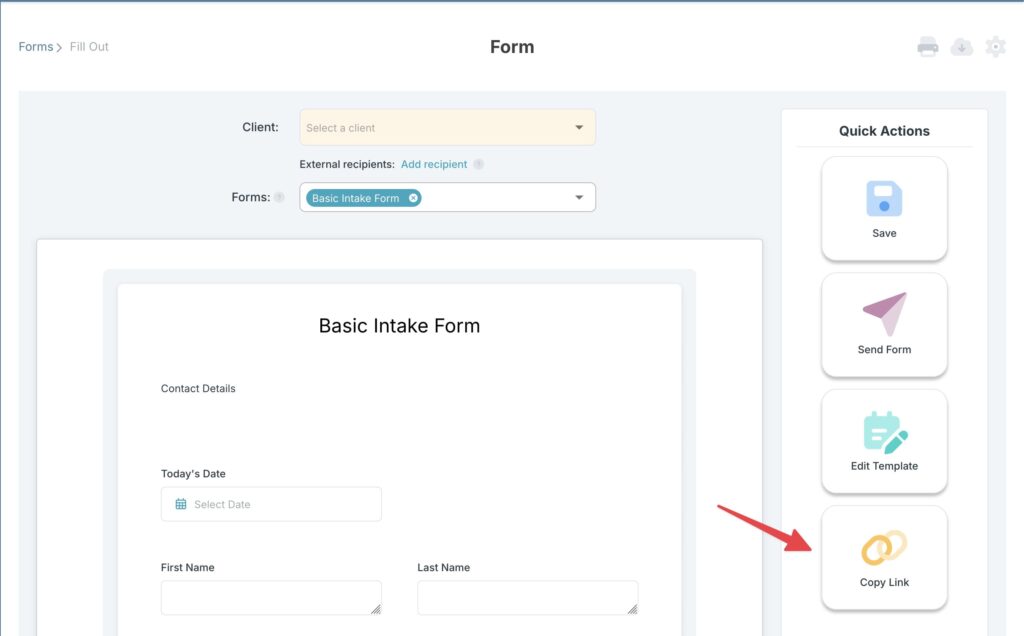
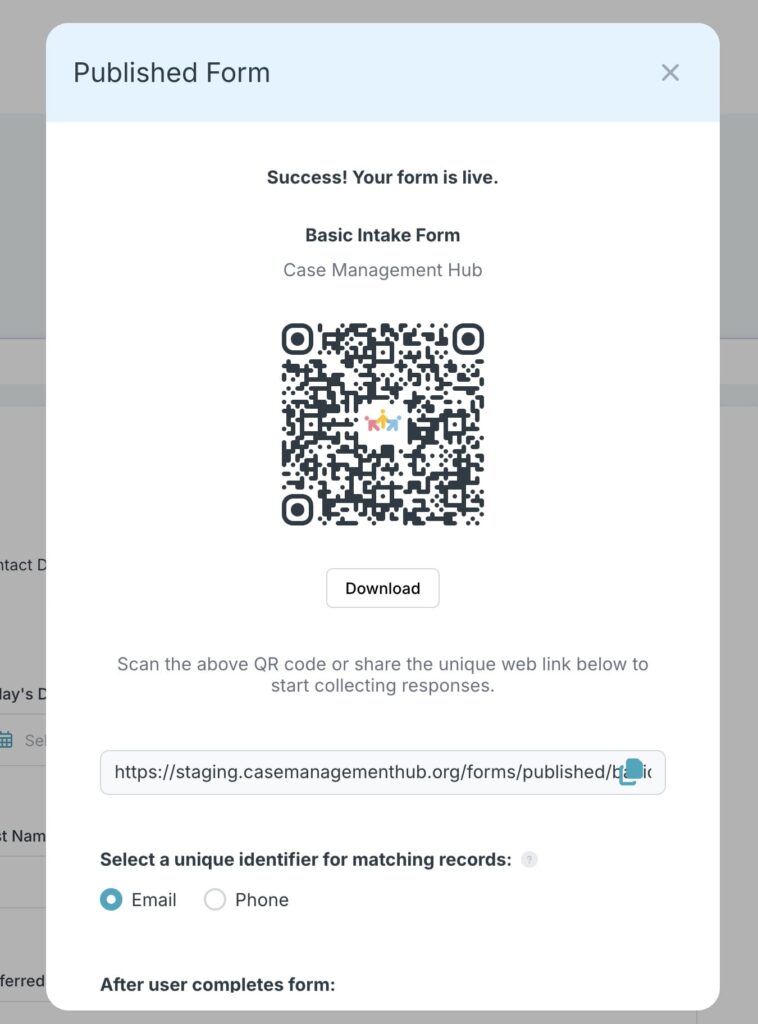
Tip: A link will automatically be created for you but you can always edit this and other form settings even after creating the online form. Just click on the gear icon in the top right corner of the form page to bring up the form settings.
Sign up for a free 21-day trial today (no credit card required) to experience how our case management software simplifies your practice workflows.
Frequently Asked Questions
What is the primary difference between a biomedical and a biopsychosocial assessment?
A biomedical assessment focuses almost exclusively on biological symptoms, physical pathology, and medication management. A biopsychosocial assessment evaluates physical health alongside cognitive habits, developmental trauma, family systems, and socioeconomic stressors to produce a complete clinical profile.
How does the biopsychosocial approach assist multidisciplinary teams?
The framework establishes a common diagnostic language across medical doctors, clinical psychologists, psychiatric nurse practitioners, and social workers. This shared context ensures each discipline contributes specialized interventions toward a unified, coordinated care plan.
How often should a biopsychosocial treatment plan be updated?
Treatment plans should generally be reviewed every 90 days, or immediately following any significant clinical transition, such as hospitalization, new medical diagnoses, or major changes in living conditions.
Can family members use the biopsychosocial model to support a loved one?
Yes. Understanding this framework helps families recognize that depression involves a combination of neurochemical vulnerabilities, cognitive patterns, and daily stressors. This perspective builds empathy, decreases stigma, and helps relatives create a more supportive home environment.
What are common barriers to implementing this model in private practice?
The most common obstacles include limited session time, inadequate reimbursement structures for interdisciplinary coordination, and cumbersome manual paperwork. Using specialized practice software with built-in biopsychosocial templates can significantly lower these administrative barriers.
Does the biopsychosocial model apply to other mental health conditions?
Yes. The model serves as an evidence-based framework across behavioral healthcare, offering valuable clinical insights for anxiety disorders, substance use disorders, bipolar disorder, PTSD, and chronic pain management.
👉 Try it free today - No credit card needed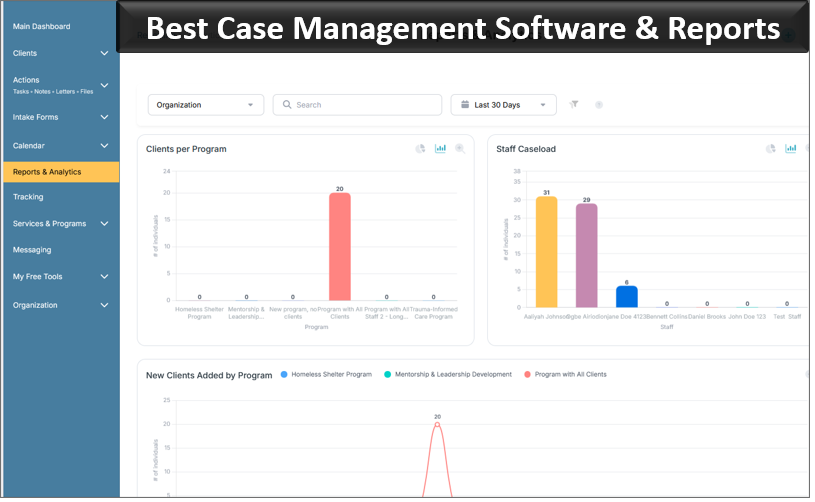
Note: Content on this website (socialworkportal.com) is copyrighted and protected under applicable copyright laws. Unauthorized reproduction, distribution, or use of any content from the website, without explicit written permission, is strictly prohibited. Read: Terms of Use.
Social Work Portal Disclaimer: Social Work Portal is not a social work agency and we do not refer social workers. This web site is provided for educational and informational purposes only and does not constitute providing medical advice or professional social and healthcare services. The information provided should not be used for diagnosing or treating a health problem or disease, and those seeking personal medical advice should consult with ... Read our full disclaimer here: Social Work Portal Disclaimer.