Master the Clinical Competencies and Interdisciplinary Language That Secure Hospital and Healthcare Roles
The hospital corridors are fast-paced, the interdisciplinary teams are demanding, and the patient needs are immediate. For new Master of Social Work (MSW) and Bachelor of Social Work (BSW) graduates, or seasoned mental health practitioners moving into healthcare, landing a role in this environment requires a specific strategy. When you sit down for a medical social work interview, the hiring manager is not just evaluating your empathy. They are assessing your ability to handle high-stakes environments, coordinate complex care, and maintain absolute compliance under pressure.
To succeed, you must translate your clinical experience into the precise terminology of the medical field. Healthcare leaders look for professionals who can hit the ground running without disrupting the delicate ecosystem of patient care.
Let’s get started
Watch this video:
or
read the guide below.
What You Will Learn in This Guide
- How to demonstrate mastery of interdisciplinary discharge planning
- Strategies to handle medical social work behavioral interview answers using the STAR method
- Techniques for discussing high-risk patient psychosocial assessments confidently
- Ways to communicate your value to cross-functional healthcare collaboration teams
- How to address modern challenges like managing social determinants of health (SDOH)
- Methods for balancing heavy clinical documentation with operational efficiency
Everything in one place: clients, notes, forms, appointments, reports, and outcomes. 👉 Try it Free - No credit card needed💡All-in-one Case Management Software.
Why Is the Hospital Interview Process Distinct From Traditional Social Work?
Hiring managers in healthcare operate under rigid regulatory and financial constraints. Unlike traditional community mental health or private practice roles, where client relationships develop over months, hospital social work requires rapid assessment and immediate action.
According to data published by the American Hospital Association, the average length of stay for an acute care hospital patient in the United States hover around 4.5 to 5 days. This brief window means your window for intervention is exceptionally tight.
| Core Operational Factor | Traditional Social Work Roles | Medical Social Work Roles |
| Engagement Length | Long-term therapeutic engagement | Rapid crisis intervention |
| Scheduling | Flexible scheduling and timelines | Strict deadlines tied to discharge |
| Practice Structure | Independent or siloed practice | Cross-functional collaboration |
| Core Focus Areas | Focus on ongoing behavioral goals | Focus on systemic acute needs |
During a hospital social work interview, decision-making factors hinge on how quickly you can evaluate a crisis. Candidates must prove they understand how psychosocial factors impact medical outcomes. If you cannot show that you can work alongside physicians, nurses, and physical therapists seamlessly, your clinical knowledge will not save your interview.
How Can You Confidently Demonstrate Expertise in Interdisciplinary Discharge Planning?
Discharge planning is the cornerstone of acute care medical social work. When a hiring manager asks about your experience with care transitions, they want to hear a structured approach. They are looking to see if you can manage complex medical case management without compromising patient safety.
To answer this effectively, frame your response around safety, efficiency, and resource allocation. Explain how you collaborate with the medical team to identify barriers to discharge early, preferably at the time of admission.
Example Answer: “In my previous hospital placement, I approached interdisciplinary discharge planning by initiating a high-risk patient psychosocial assessment within twenty-four hours of admission. By identifying a lack of familial support and poor medication compliance early, I collaborated with the attending physician and physical therapist to arrange a safe transition to a skilled nursing facility, preventing an unnecessary readmission.”
This response signals to the interviewer that you understand the financial and operational pressures of the hospital system, such as length-of-stay metrics, while prioritizing patient welfare.
👉 Try it Free - Free Case Management System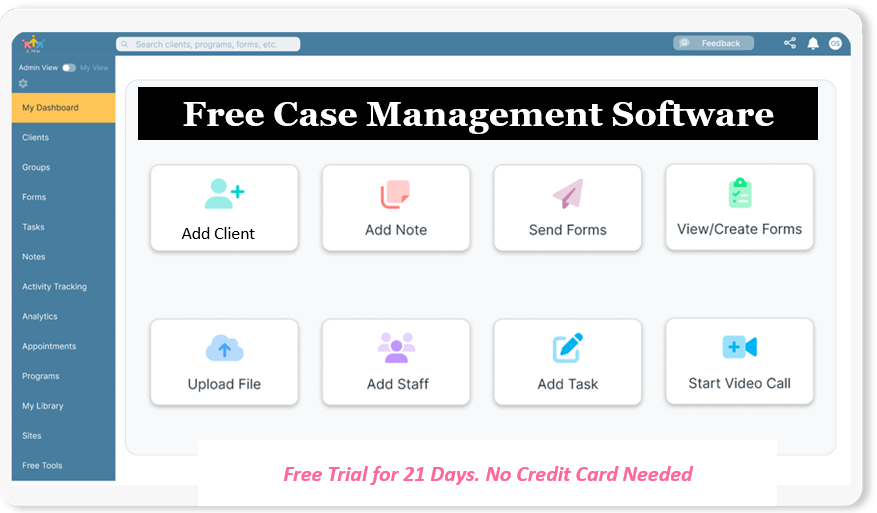
What Do Hiring Managers Look for in High-Risk Patient Psychosocial Assessments?
In a medical social work interview, you will inevitably face questions regarding crisis intervention in a hospital setting. Hiring managers want to know that you can remain calm, objective, and legally compliant when a crisis occurs.
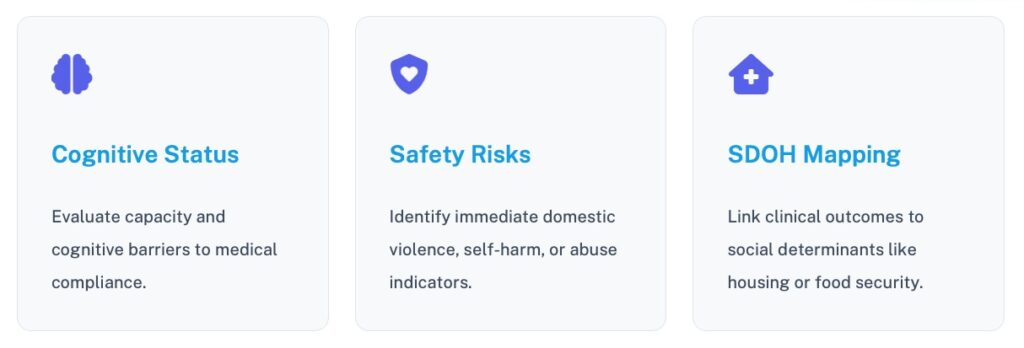
Your response must emphasize your clinical framework. Focus on how you evaluate critical factors under pressure:
- Cognitive status and capacity
- Immediate safety risks, including domestic violence or self-harm
- Social determinants of health, such as housing instability or food insecurity
- Substance use and withdrawal risks
- Insurance barriers and funding for post-acute care
Comparison of Interview Frameworks for Medical Social Work
| Metric / Step | The STAR Method | The PEARL Method |
| Best Used For | General behavioral questions and showing task completion under pressure. | High-risk clinical scenarios and complex ethical or systemic dilemmas. |
| Component 1 | Situation: Set the scene and provide necessary context. | Problem: Define the clinical crisis or systemic issue immediately. |
| Component 2 | Task: Describe your responsibility in that specific situation. | Evaluation: Explain your psychosocial assessment and clinical reasoning. |
| Component 3 | Action: Explain exactly what steps you took to address the challenge. | Action: Detail your interdisciplinary collaboration and rapid intervention. |
| Component 4 | Result: Share the positive, quantifiable outcome achieved. | Resolution: Outline the discharge or stabilization outcome for the patient. |
| Component 5 | N/A (Concludes at Result) | Learning: Reflect on the takeaway or how it shaped your practice compliance. |
| Hiring View | Demonstrates efficiency, organization, and clear execution of duties. | Demonstrates deep clinical insight, self-awareness, and continuous improvement. |
When presenting medical social work behavioral interview answers, utilize the Situation, Task, Action, and Result (STAR) method. Clearly outline the crisis, your specific assessment parameters, the interventions you coordinated, and the measurable outcome for the patient and the hospital system.
How Can You Prove Your Competency in Healthcare Compliance and HIPAA Standards?
Trust is a major currency in healthcare. A hiring manager must be completely certain that you understand healthcare compliance and HIPAA standards. A single privacy breach can result in massive financial penalties and legal liability for an institution.
When discussing documentation and data privacy, explicitly state your familiarity with electronic health records (EHR) and secure data systems. For international social work candidates or mental health practitioners moving into healthcare, this is an excellent opportunity to highlight transferable compliance skills.
Explain your commitment to maintaining accurate, concise, and timely case notes. Emphasize that your documentation protects the patient, supports the medical team’s treatment plan, and ensures the hospital meets all auditing requirements.
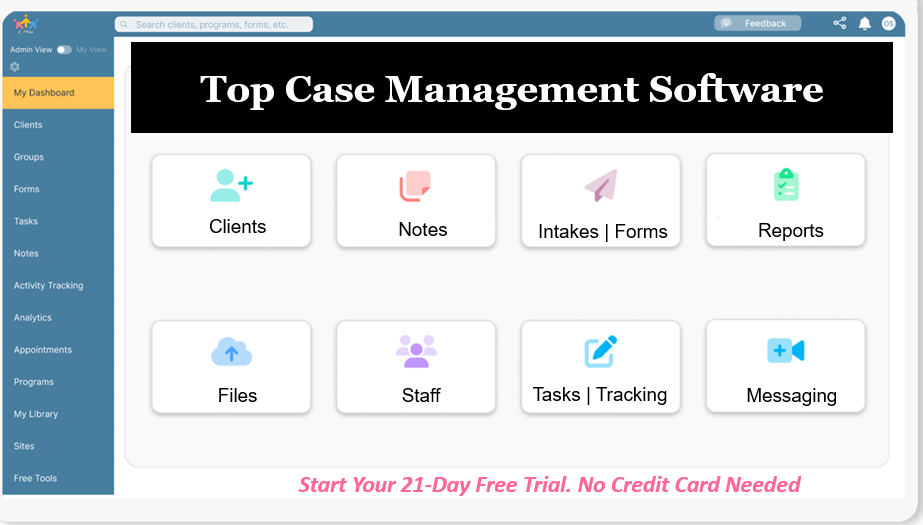
Do You Have a Team? Our best all-in-one client and top case management software simplifies everything from client intake and assessments to programs, projects, goals tracking, planning, scheduling, documentation, reporting dashboard, and progress tracking.All-in-One Case Management Software
Sign Up Today, Free
No credit card needed!
How Do You Showcase Your Ability to Manage Social Determinants of Health (SDOH)?
Modern healthcare systems focus heavily on social determinants of health—the non-medical factors affecting health outcomes. Interviewers want to know how you connect patients with community resources to ensure long-term wellness after they leave the facility.
Whether you are interviewing for hospice and palliative care social work competencies or general emergency department roles, you must highlight your resourcefulness. Discuss how you collaborate with community partners, state agencies, and home health providers. Proving you can navigate complex medical case management means showing you understand that a patient’s recovery depends heavily on their environment outside the hospital walls.
How Do You Balance Rapid Clinical Demands With Rigorous Documentation?
The sheer volume of administrative work in a medical setting catches many social workers off guard. Hiring managers frequently ask candidates how they handle heavy workloads, time tracking, and extensive reporting.
To stand out, discuss your organizational strategies. Explain how you manage your day to ensure that clinical interventions are documented immediately. Detail how you prioritize your caseload based on medical necessity and impending discharges. Showing that you view documentation as an essential part of care delivery, rather than an administrative burden, will instantly place you ahead of competing candidates.

People Also Ask
What are the most common medical social work interview questions?
The most common questions focus on discharge planning, dealing with difficult physicians, handling ethical dilemmas, conducting rapid psychosocial assessments, and managing crisis interventions in high-stress medical environments.
How do I prepare for an MSW hospital placement interview?
To prepare for an MSW hospital placement interview, focus on your adaptability, willingness to learn medical terminology, understanding of basic crisis intervention models, and your ability to work within a fast-moving interdisciplinary healthcare team.
What should a social worker wear to a hospital interview?
A social worker should wear professional, business-professional attire to a hospital interview. This includes a tailored suit, a blazer with slacks, or a professional dress, paired with closed-toe shoes suitable for walking through a clinical facility.
How do you answer behavioral interview questions in social work?
Answer behavioral questions using the STAR method: describe the Situation you faced, the Task required, the Action you took, and the ultimate Result. Focus on measurable clinical outcomes and teamwork.
What are the core hospice and palliative care social work competencies?
The core competencies include advanced care planning, grief and bereavement counseling, ethical decision-making regarding end-of-life care, pain and symptom management advocacy, and supporting families through complex emotional transitions.
Why do healthcare hiring managers look for cross-functional collaboration skills?
Hiring managers prioritize cross-functional collaboration because social workers must work smoothly alongside doctors, nurses, and therapists to coordinate care. Poor communication leads to delayed discharges, medical errors, and lower patient satisfaction scores.
Transitioning From Interview Strategy to Daily Workflow Efficiency
Acing your interview is the crucial first step, but succeeding on the floor requires the right tools. Managing complex medical case management workflows, tracking patient goals, and keeping up with compliance demands can quickly become overwhelming without proper system support.
Specialized case management software, like Case Management Hub, can transform your operational efficiency. Our all-in-one platform helps with all aspects of social work case management, allowing you to focus more on patient care and less on administrative friction.
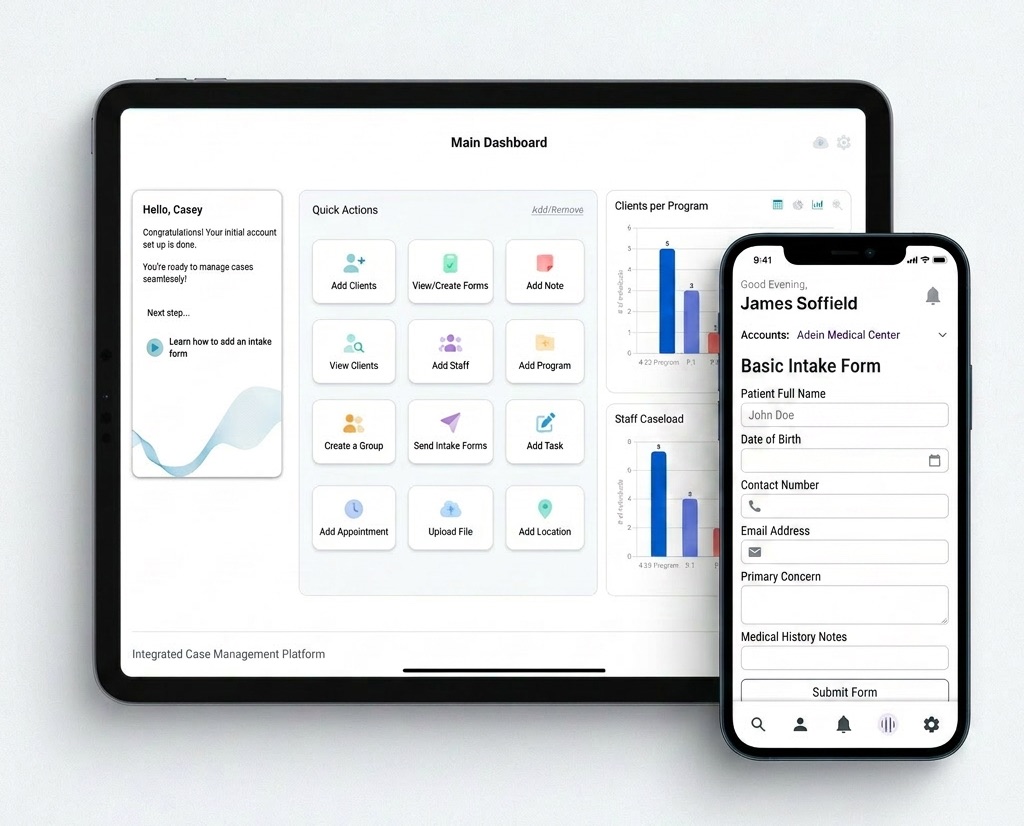
For instance, when it comes to clinical documentation, it is super simple in Case Management Hub to send a SOAP note—allowing you to transition your real-time observations into a structured, compliant medical record using this straightforward five-step workflow:
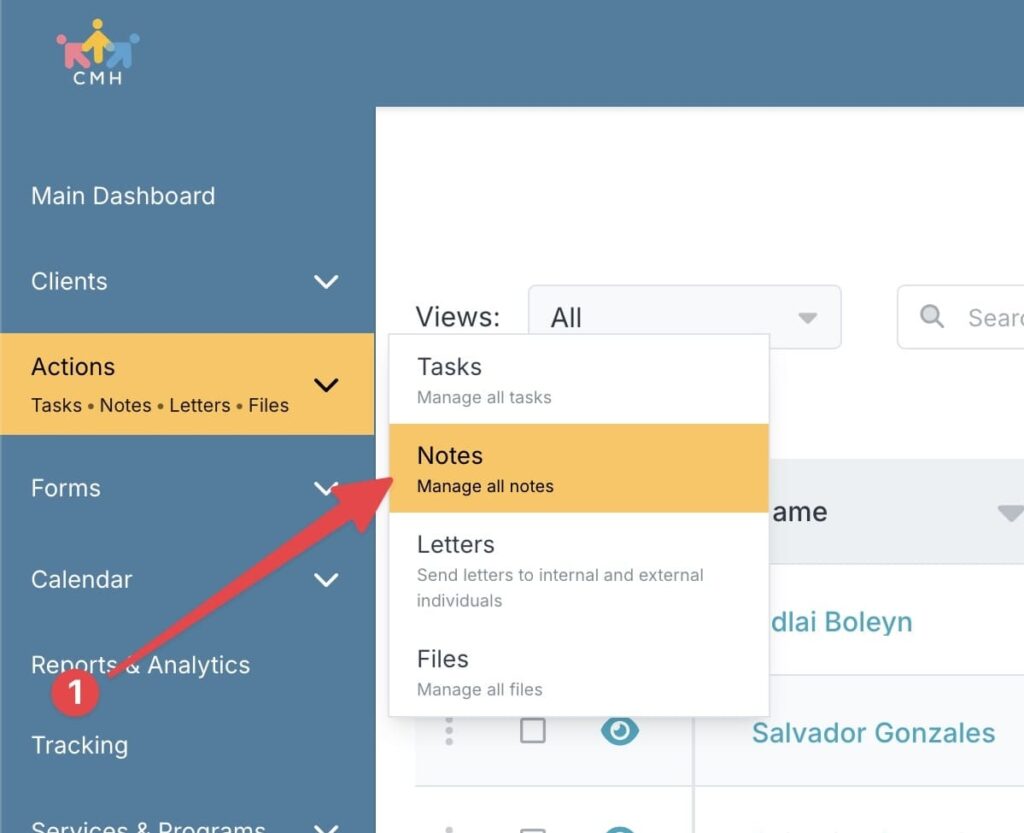
Step 1:
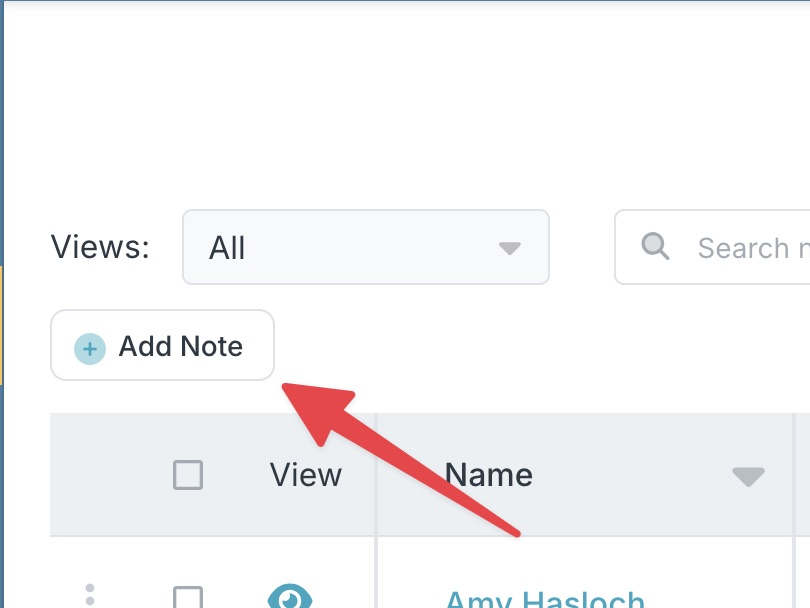
Navigate to the Notes module from the sidebar and click Add Note
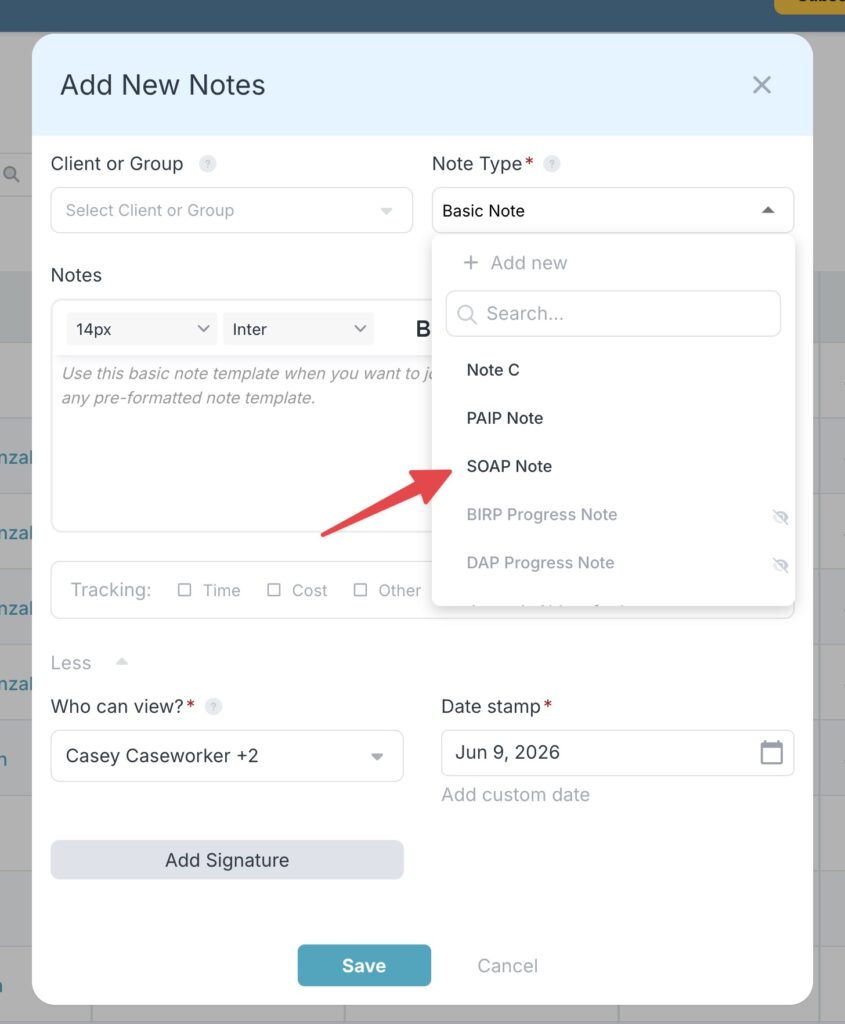
Step 2:
From the note type dropdown select the SOAP note template
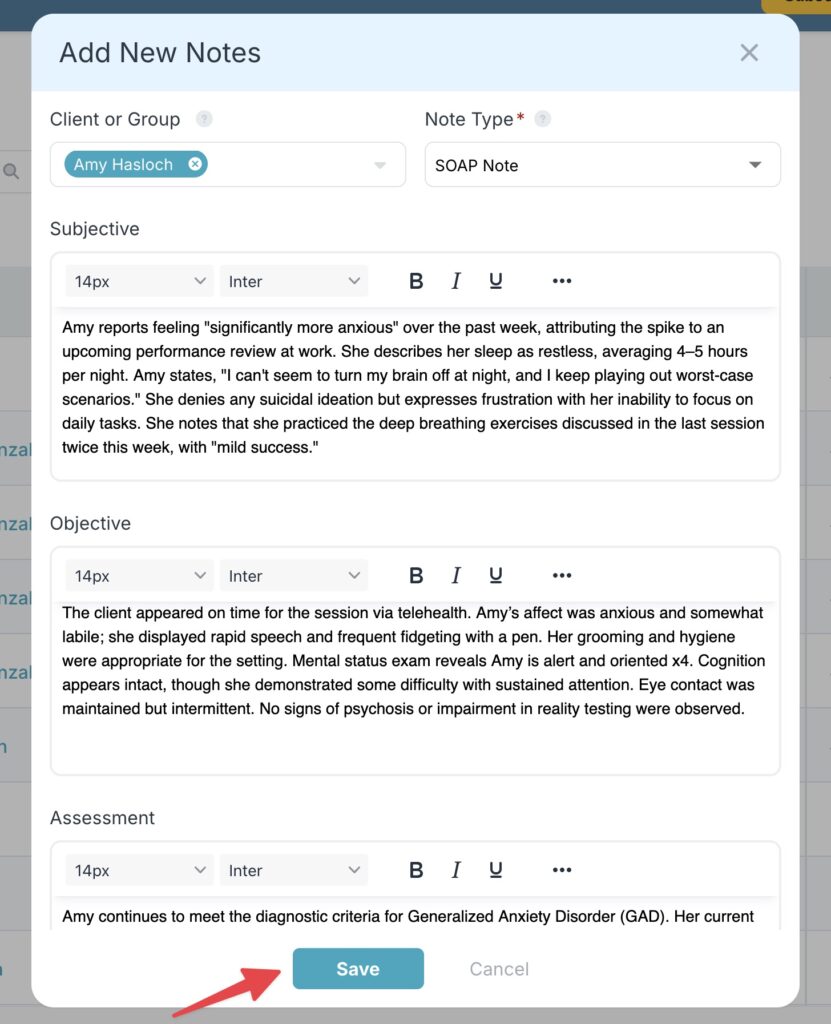
Step 3:
Add your note details to the four sections of the SOAP note, select the client, and then click save.
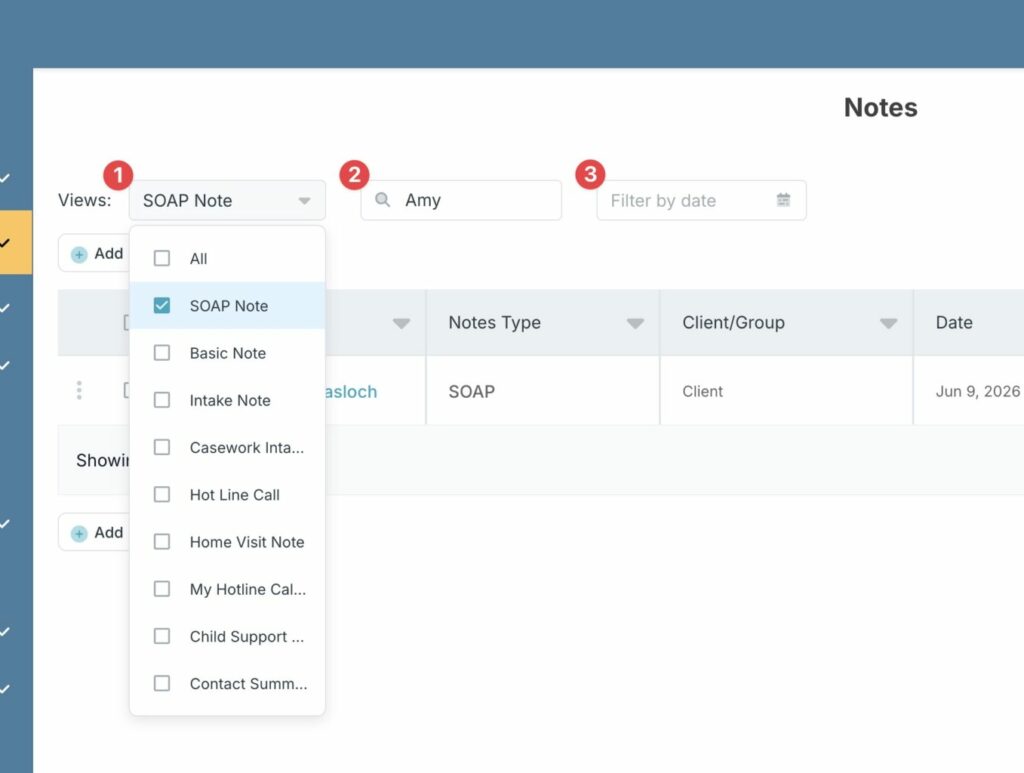
Step 4:
View, search and filter all of your client notes, including the SOAP notes in one place.
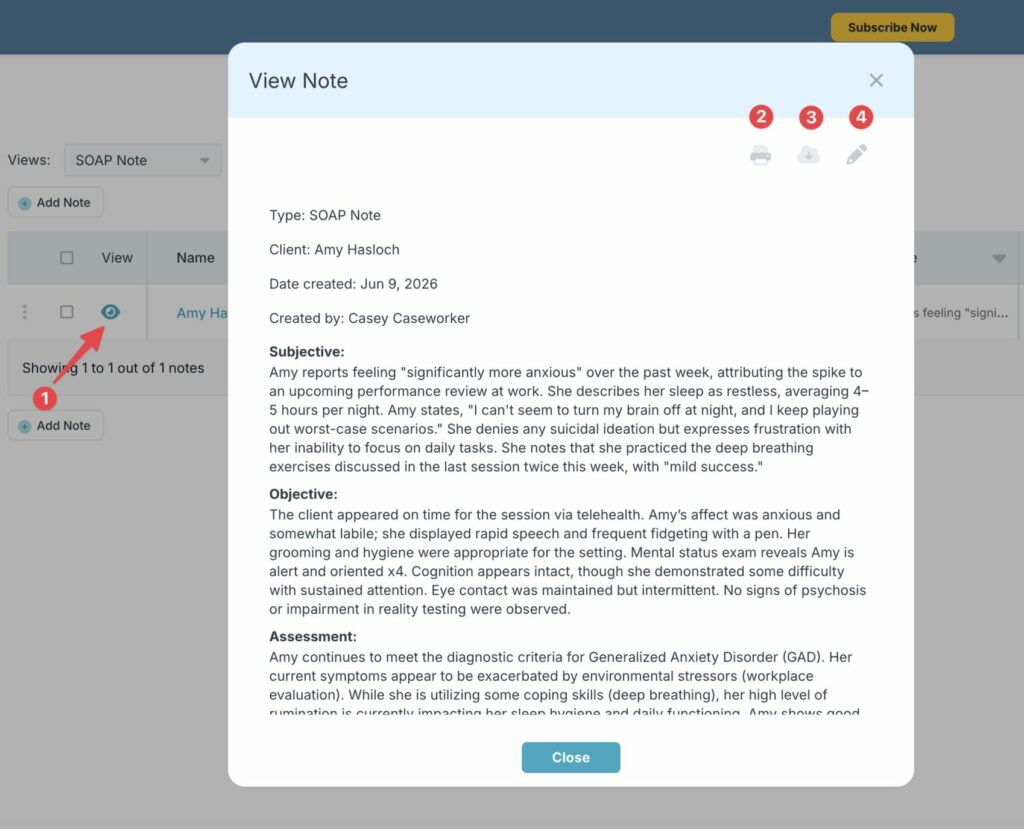
Step 5:
Click the eye icon to view or edit the details of the note
If you’re interested in improving you’re teams SOAP notes documentation, then check out our free 21-day trial today (no credit card needed).
👉 Try it Free today - No credit card needed
Frequently Asked Questions
How do I answer questions about handling conflict with a physician?
Emphasize a professional, collaborative, and patient-centered approach. Explain that you present objective clinical facts, respect the medical hierarchy, and focus entirely on what is best for the patient’s safety and continuity of care.
What is the best way for a mental health practitioner to transition into medical social work?
Highlight your transferable skills, such as crisis intervention, diagnostic assessments, and therapeutic communication. Emphasize your readiness to adapt these skills to short-term, rapid-care environments like emergency departments or inpatient floors.
How do international social work candidates prove their readiness for local healthcare systems?
Focus on your universal clinical skills, your adaptability to diverse populations, and your thorough study of local healthcare compliance regulations, including HIPAA standards and regional insurance frameworks.
What do interviewers look for when asking about a time a discharge plan failed?
They are evaluating your resilience, problem-solving skills, and accountability. Describe the systemic reasons why the plan fell through, how you immediately pivoted to secure patient safety, and what you learned to prevent future failures.
How can I explain my experience with social determinants of health during an interview?
Provide concrete examples of how you identified non-medical barriers—such as a lack of transportation or food insecurity—and successfully linked the patient to community assets to stabilize their health long-term.
How important is timekeeping and billing knowledge in a medical social work role?
It is highly important, especially in home health, hospice, or outpatient hospital settings. Demonstrating that you understand how documentation connects to hospital reimbursement and compliance makes you an incredibly valuable asset to hiring teams.
👉 Try it free today - No credit card needed
Note: Content on this website (socialworkportal.com) is copyrighted and protected under applicable copyright laws. Unauthorized reproduction, distribution, or use of any content from the website, without explicit written permission, is strictly prohibited. Read: Terms of Use.
Social Work Portal Disclaimer: Social Work Portal is not a social work agency and we do not refer social workers. This web site is provided for educational and informational purposes only and does not constitute providing medical advice or professional social and healthcare services. The information provided should not be used for diagnosing or treating a health problem or disease, and those seeking personal medical advice should consult with ... Read our full disclaimer here: Social Work Portal Disclaimer.