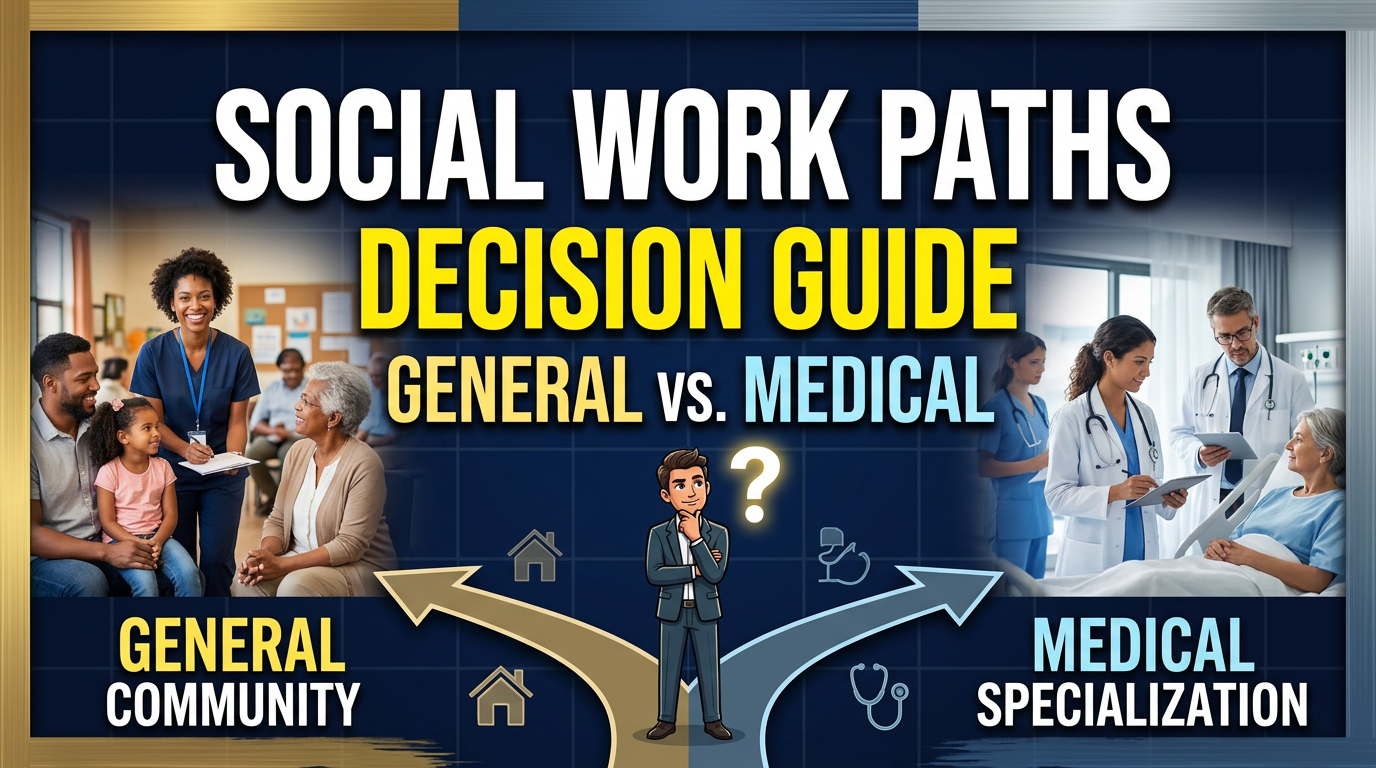
Medical Social Work vs General Social Work: How to Choose the Right Career Track
Deciding between a general social work path and a specialized healthcare trajectory shapes your professional identity, day-to-day work environment, and long-term career growth. Whether you are an undergraduate student picking a major, a graduate candidate selecting an MSW concentration, an early-career social worker evaluating a pivot, or a academic advisor guiding students, this choice defines your field experience and client population.
Both generalist and medical tracks deliver high-impact support to individuals and families, yet they require distinct skill sets, work rhythms, and administrative tools. This guide breaks down the core differences to help you choose the right path for your career goals.
Let’s get started
Watch this video:
or
read the guide below.
What You Will Learn
- The primary operational differences between generalist social work and medical specialization
- Key daily responsibilities, settings, and team dynamics for each track
- Essential decision-making factors including salary, pacing, and licensure requirements
- Growth outlooks and transition strategies for pivoting between settings
- Software and case management tools required to streamline client care in both environments
- Answers to common questions regarding field placements and degree concentrations
💡All-in-one Case Management Software.
Everything in one place: clients, notes, forms, appointments, reports, and outcomes.
👉 Try it Free - No credit card needed
What is the Difference Between Generalist and Medical Social Work?
A generalist social work path focuses on broad community-based support, case management, advocacy, and social service navigation across diverse populations. General social workers address systemic challenges like housing instability, family preservation, child welfare, and community resource coordination.
A medical social work path operates specifically within healthcare ecosystems, such as acute care hospitals, outpatient clinics, hospice facilities, and rehabilitation centers. Healthcare social workers focus on crisis intervention, complex discharge planning, medical coping strategies, and interdisciplinary care coordination alongside physicians, nurses, and allied health staff.
| Consideration | Generalist Social Work | Medical Social Work |
| Primary Work Settings | Community non-profits, government agencies, schools, child welfare offices | Hospitals, clinics, rehabilitation centers, hospice, home health agencies |
| Core Responsibilities | Resource navigation, long-term case management, family advocacy, policy support | Crisis intervention, discharge planning, interdisciplinary care coordination |
| Pacing & Environment | Steady, relational, long-term case management focus | Fast-paced, shift-based, acute patient turnaround |
| Documentation Demands | Comprehensive social histories, goal plans, service logs | Rapid clinical notes, electronic health records (EHR), strict compliance tracking |
| Licensure Focus | LSW / LMSW commonly accepted; LCSW for clinical counseling | LMSW / LCSW often required; specialized medical knowledge expected |
What Are Medical Social Worker Responsibilities Versus Generalist Social Work Job Settings?
Understanding the day-to-day realities of each role clarifies where your personality and work style fit best.
Medical Social Worker Responsibilities
Medical social workers operate at the intersection of public health, clinical care, and patient advocacy. Core duties include:
- Conducting rapid biopsychosocial assessments for newly admitted patients
- Facilitating safe, timely discharge planning to prevent hospital readmissions
- Assisting families with advance directives, end-of-life decisions, and organ donation processes
- Connecting patients with specialized resources like home health, medical equipment, and rehabilitation programs
- Collaborating daily with interdisciplinary medical teams in bed meetings and patient rounds
Generalist Social Work Job Settings
Generalist social workers work across varied environments with diverse community needs:
- Child and Family Agencies: Managing protective services, foster care placements, and reunification plans
- Community Action Non-Profits: Assisting clients with housing security, food access, and employment assistance
- Schools: Supporting student mental health, attendance intervention, and family resource connections
- Correctional & Re-entry Facilities: Guiding individuals through reintegration and community support programs
👉 Try it Free - Free Case Management System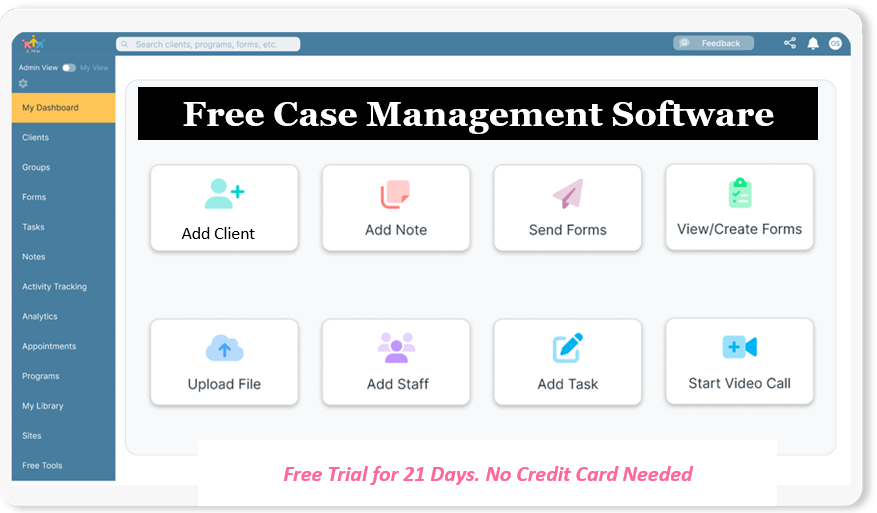
What Does the Career Outlook Show for Healthcare Social Work Career Paths?
Demand across all social work sectors remains strong, but healthcare specialties show rapid growth due to an aging population and complex health systems.
According to data from the Bureau of Labor Statistics, employment of healthcare social workers is projected to grow nearly 10 percent over the coming decade, faster than the average for all occupations. This growth reflects an increasing need for clinical coordinators to help patients navigate complex medical coverage, chronic illness management, and post-acute care options.
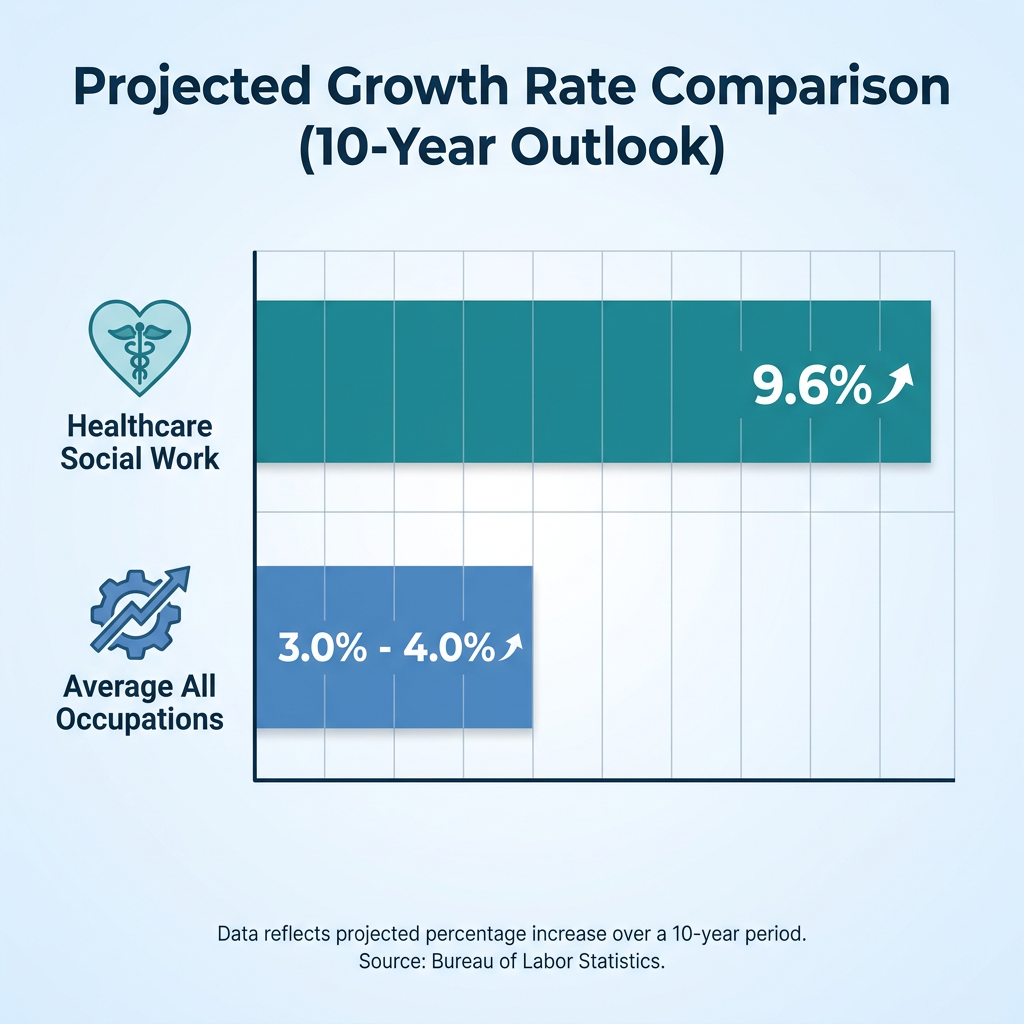
In addition to strong job security, medical social work often commands higher starting salaries compared to community generalist roles. However, it also demands high adaptability, comfort with medical terminology, and resilience in fast-paced clinical settings.
How Do You Choose an MSW Concentration and Field Placement?
If you are pursuing a Bachelor of Social Work (BSW) or Master of Social Work (MSW), your educational focus shapes your initial job prospects.
Evaluating BSW Career Track Options
Undergraduate students typically complete generalist coursework. To prepare for medical specialization later, focus on electives in health policy, gerontology, crisis intervention, and medical sociology. Choosing a healthcare-focused agency for your senior field placement provides direct exposure to clinical teams.
Choosing an MSW Concentration
Graduate programs usually ask you to select a concentration during your second year.
- Select a Clinical / Healthcare Track if: You want to work in hospitals, clinics, or mental health centers, and plan to pursue clinical licensure (LCSW).
- Select a Generalist / Macro / Advanced Practice Track if: You prefer community organizing, program management, school social work, policy advocacy, or multi-sector social service work.
Selecting a Field Placement in Social Work
Your practicum is your strongest career launchpad. If you are leaning toward healthcare, secure a placement in a hospital, outpatient clinic, VA medical center, or hospice agency. If you prefer broad community engagement, seek out placements in community action agencies, local governments, or family service centers.
Do You Have a Team? Our best all-in-one client and top case management software simplifies everything from client intake and assessments to programs, projects, goals tracking, planning, scheduling, documentation, reporting dashboard, and progress tracking.All-in-One Case Management Software
Sign Up Today, Free
No credit card needed!
How Can You Transition to Healthcare Social Work from a Generalist Background?
Pivoting from a generalist role into healthcare social work is common and highly achievable. Generalists bring valuable experience in crisis stabilization, resource navigation, and family systems work.
Steps for Pivoting from Generalist to Medical Social Work
- Build Medical Literacy: Learn common medical terminology, insurance frameworks (Medicare, Medicaid, commercial payers), and chronic disease management principles.
- Pursue Targeted Continuing Education: Complete courses focused on bioethics, hospital discharge planning, and healthcare case management.
- Highlight Transferable Skills: Frame your resume around rapid assessment, crisis stabilization, multi-agency collaboration, and electronic documentation.
- Leverage Per Diem or On-Call Roles: Many hospital social work departments hire PRN (as-needed) social workers for weekends or evening shifts, offering a practical entry point into medical settings.
What Key Decision Factors Should Guide Your Career Choice?
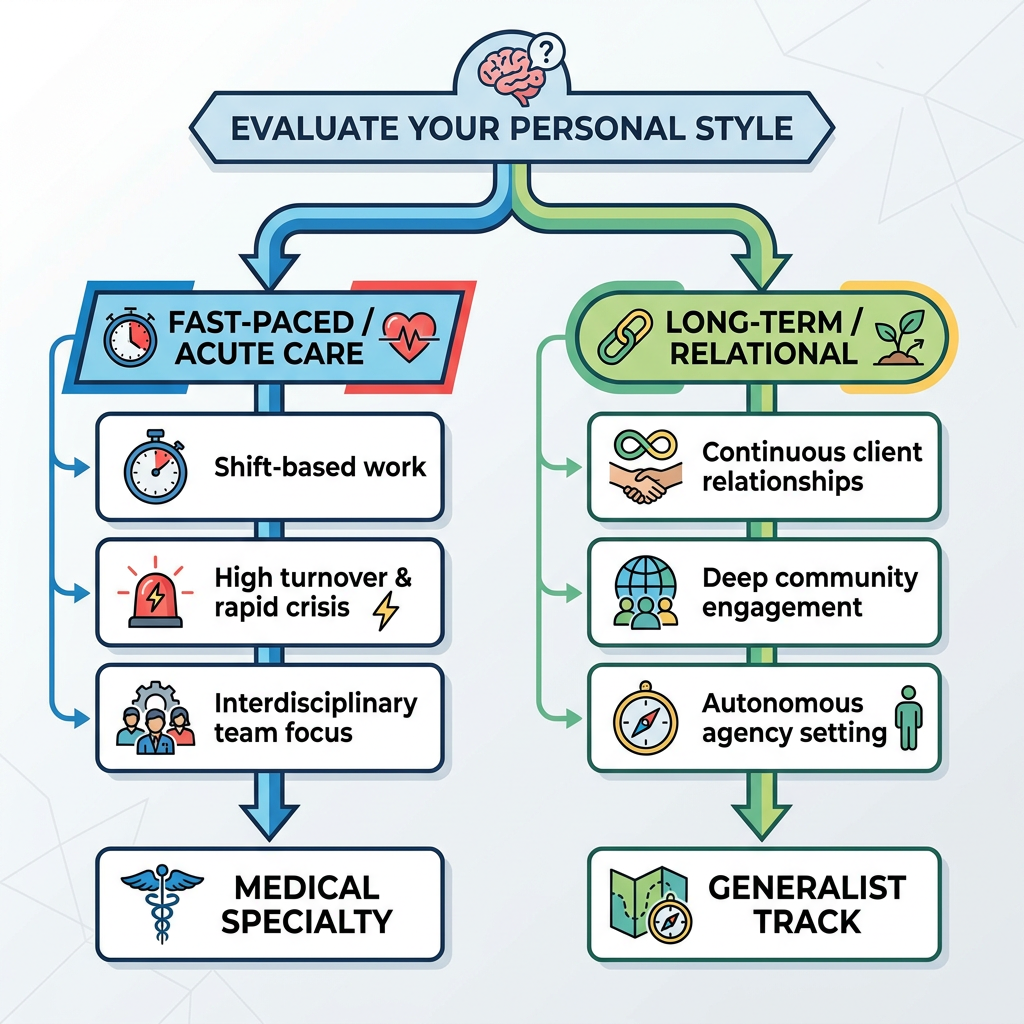
Ask yourself these practical questions to determine which track fits your personal strengths and professional goals:
Generalist Track
- Environment Pacing: Do you thrive in fast-paced environments with constant turnover (medical), or do you prefer building long-term relationships over months and years (generalist)?
- Team Dynamics: Do you want to work daily alongside medical professionals like doctors and nurses, or lead client care independently within a community agency?
- Licensure Goals: Are you aiming for an LCSW to provide clinical therapy in health settings, or are you comfortable holding an LSW/LMSW for broad program management?
- Emotional Context: Are you comfortable working around medical trauma, acute illness, and end-of-life care on a daily basis?


People Also Ask
What is the main difference between general social work and medical social work?
General social work focuses on broad community-based support, housing, family welfare, and resource navigation. Medical social work operates specifically within healthcare environments like hospitals and clinics, focusing on patient advocacy, acute crisis intervention, complex discharge planning, and interdisciplinary care.
Can a general social worker work in a hospital?
Yes. General social workers can transition into hospital environments, especially if they have strong skills in assessment, crisis intervention, and resource coordination. Obtaining healthcare-specific continuing education and learning medical terminology helps streamline this transition.
Does medical social work pay more than general social work?
On average, medical social work positions offer higher starting salaries than general community social work roles. This pay difference reflects the specialized clinical knowledge, hospital shift coverage, and complex regulatory compliance required in healthcare environments.
What degree do I need to become a medical social worker?
While some entry-level health roles accept a Bachelor of Social Work (BSW), most medical social worker positions, especially in hospitals and clinical centers, require a Master of Social Work (MSW) from an accredited program, along with state licensure (LMSW or LCSW).
How do I pick the right MSW concentration?
Choose an MSW concentration based on your target work environment. Select a clinical or healthcare concentration if you aim to work in medical systems, therapy settings, or crisis care. Select a generalist, community, or macro concentration if you prefer leadership, advocacy, school social work, or policy development.
Is hospital social work high stress?
Hospital social work can be fast-paced and high-stress due to rapid patient turnover, emergency crisis situations, and complex discharge logistics. However, many professionals find it deeply rewarding due to the strong interdisciplinary support, structured schedules, and competitive compensation.
Managing Your Practice with Modern Social Work Case Management Software
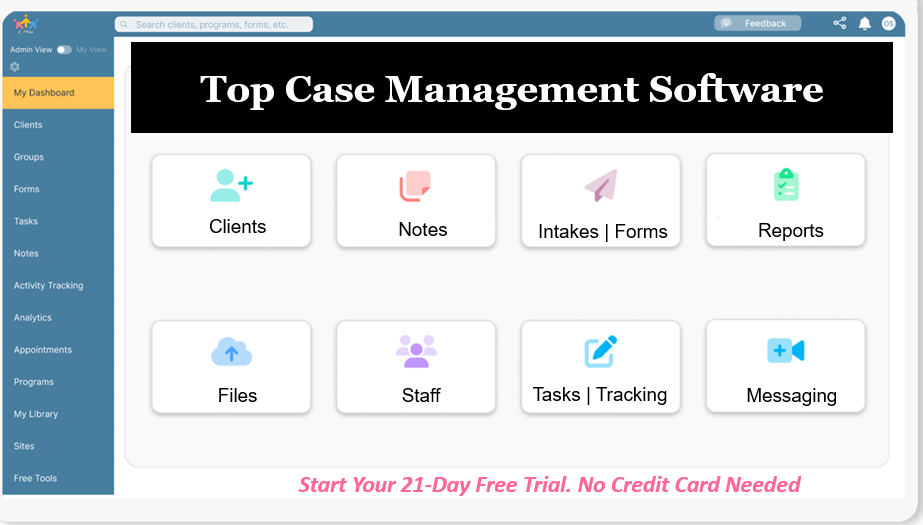
Whether you work in a high-volume medical center or manage a busy community agency, administrative efficiency directly impacts client outcomes. Modern social work client intake and case management software simplifies daily workflows so you can focus on direct care.
An all-in-one platform helps social workers:
- Streamline Operations: Manage clients, appointments, scheduling, intakes, and forms in one organized hub.
- Maintain Compliance: Store secure progress notes, documentation, and client files with built-in data privacy protections.
- Enhance Communication: Connect safely with clients using secure messaging features.
- Track Outcomes: Monitor client goals, progress tracking, timekeeping, cost tracking, and custom reporting.
See how easy it is to Create, Edit, and Send a form in Case Management Hub:
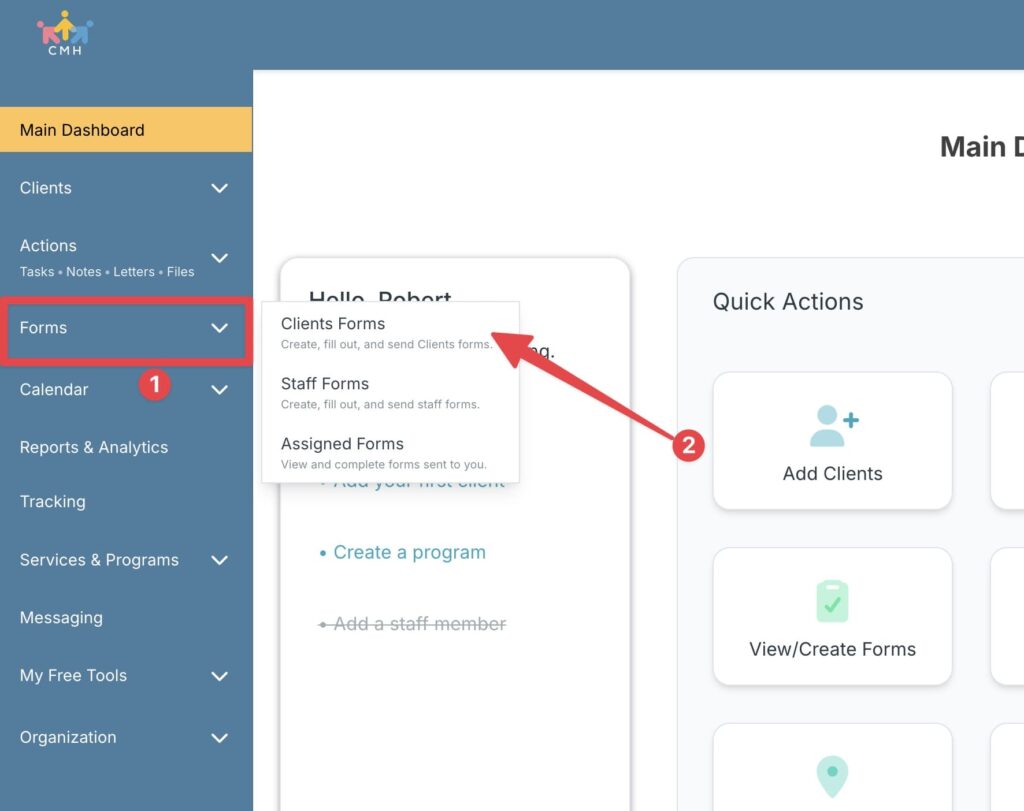
Step 1:
From the sidebar, click on the Forms module, search for Basic Intake Form, then click the title to open it.
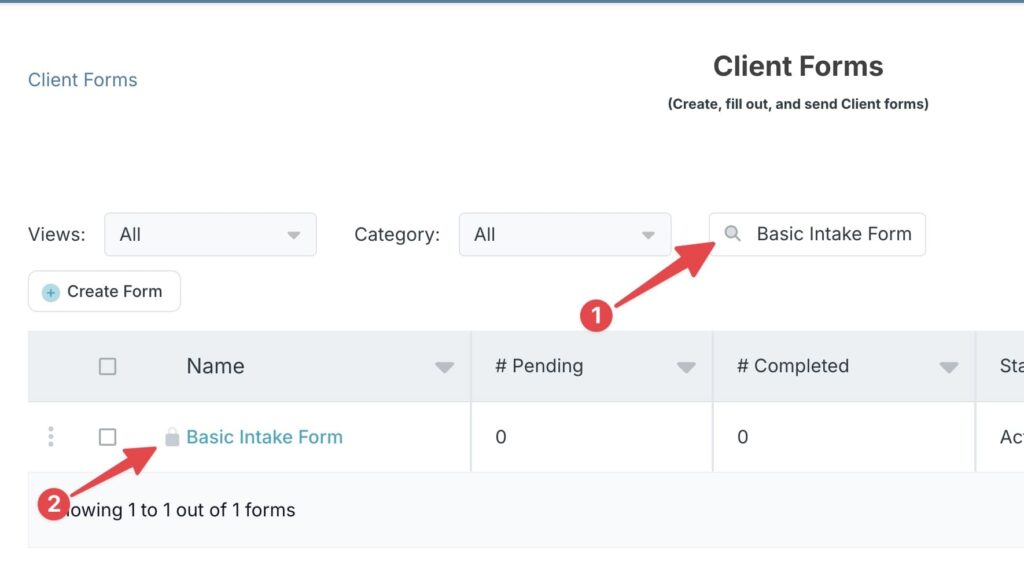
Tip: Forms with a padlock are master templates provided by Case Management Hub to help you get started. You can easily customize these to make them your own.
Step 2:
Click Edit Template to start customizing the form to your needs. Once done, click Save.
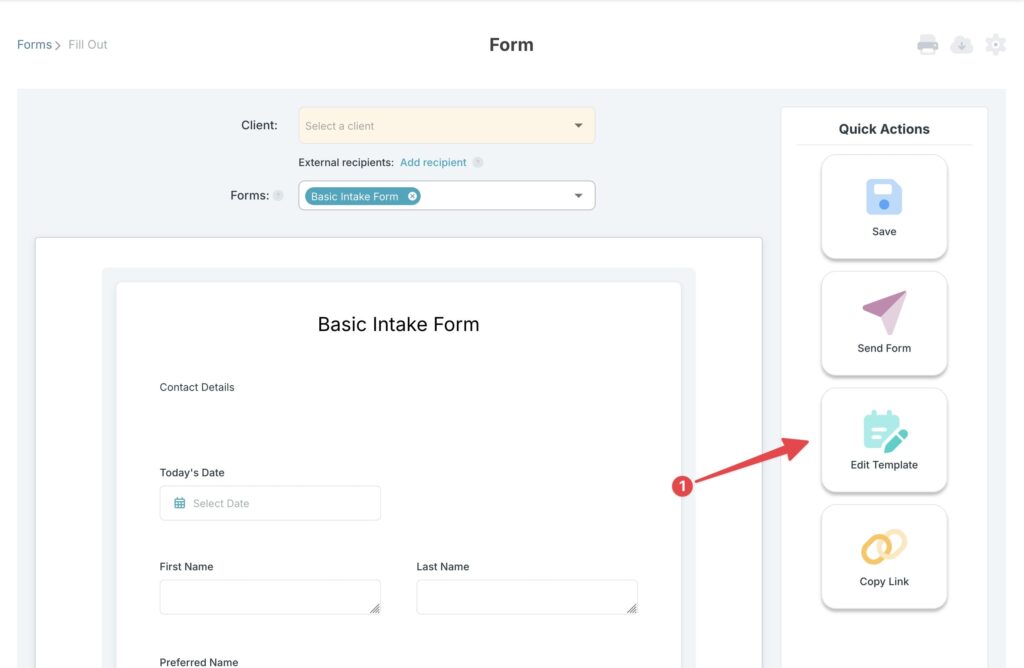
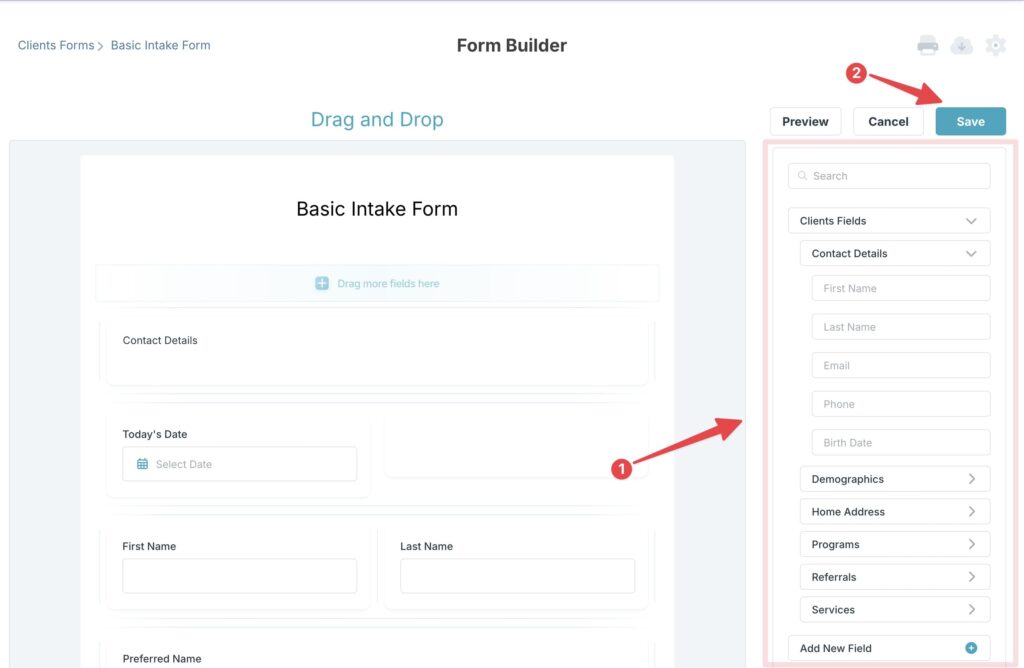
Tip: You can add new form fields using the right sidebar. Just drag them straight into your form.
Step 3:
Select a client to start filling out the form on their behalf. Once done, click Save.
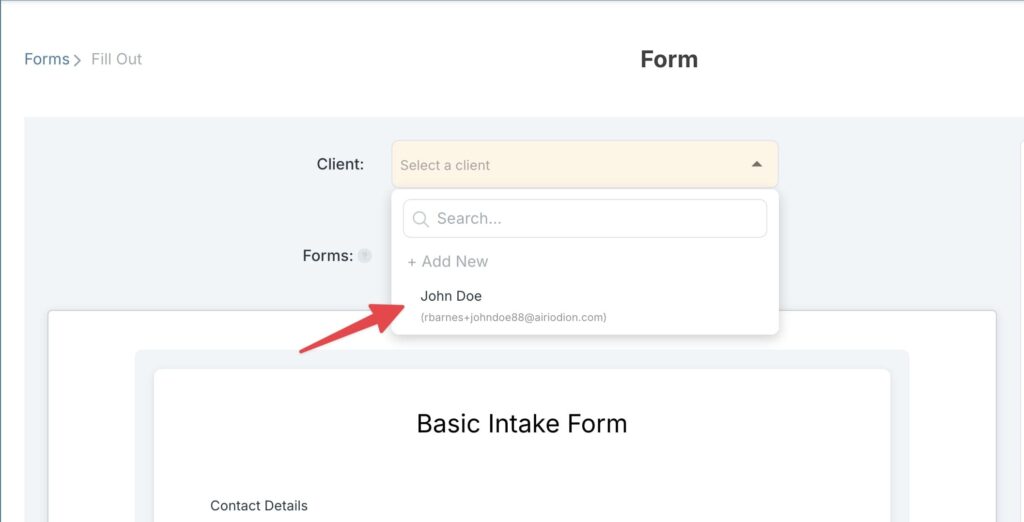
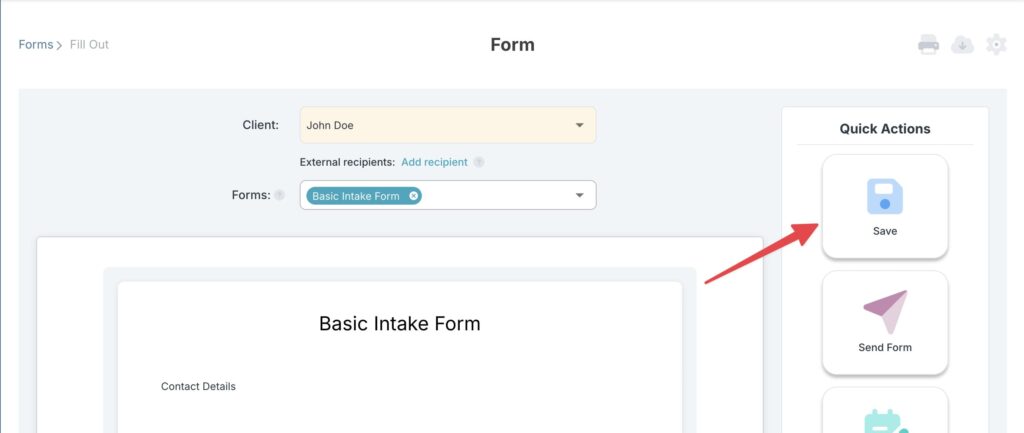
Tip: No need to re‑type your client’s data, it magically fills in the form for you, saving you time.
Step 4:
Or to send the form directly to a client, click Send Form, then select the clients. When you’re ready click Send.
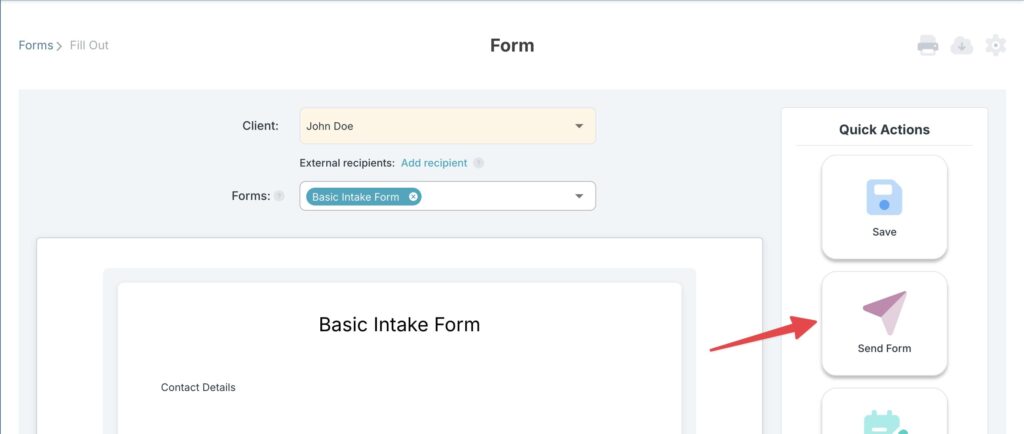
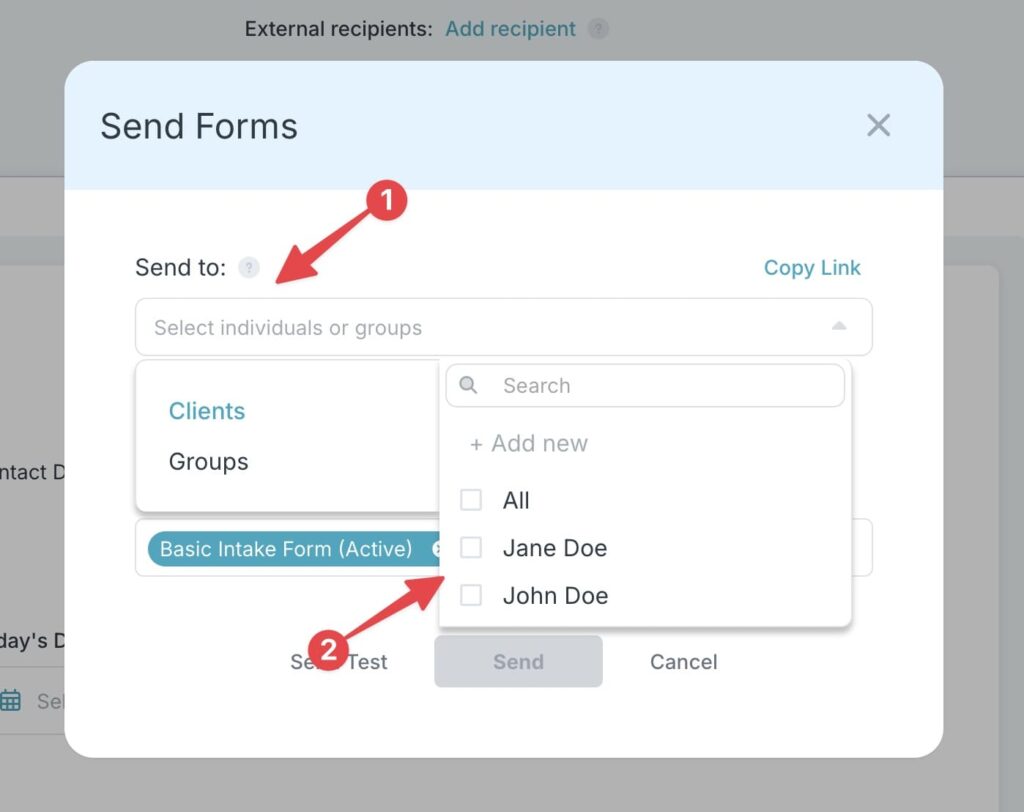
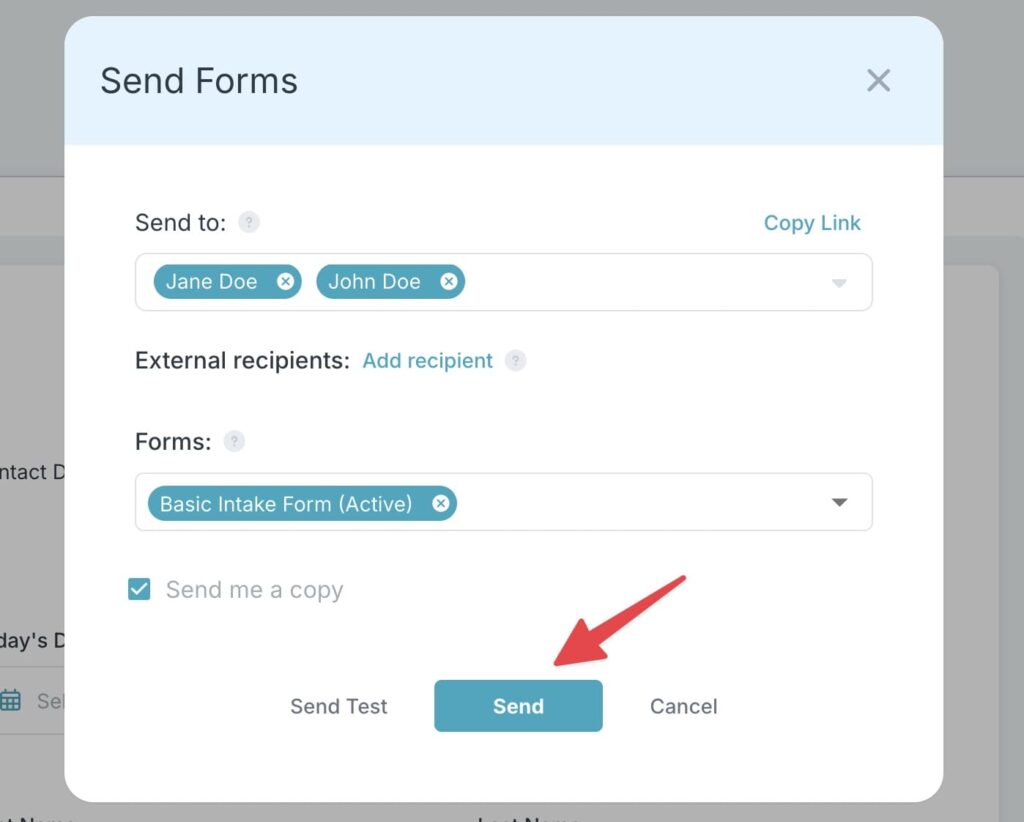
Tip: You can send the form to clients that are not yet part of Case Management Hub (External recipients) by clicking “Add recipient” and filling out their email, first name, and last name.
Step 5:
Create a public link for your form so you can easily share it with anyone. Just click Copy Link to publish your online form.
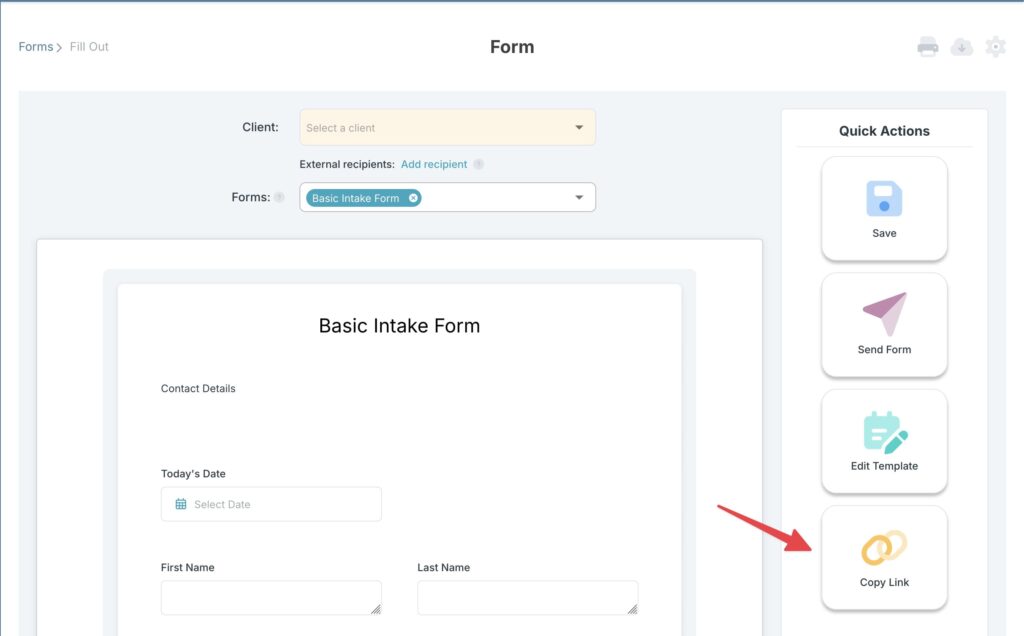
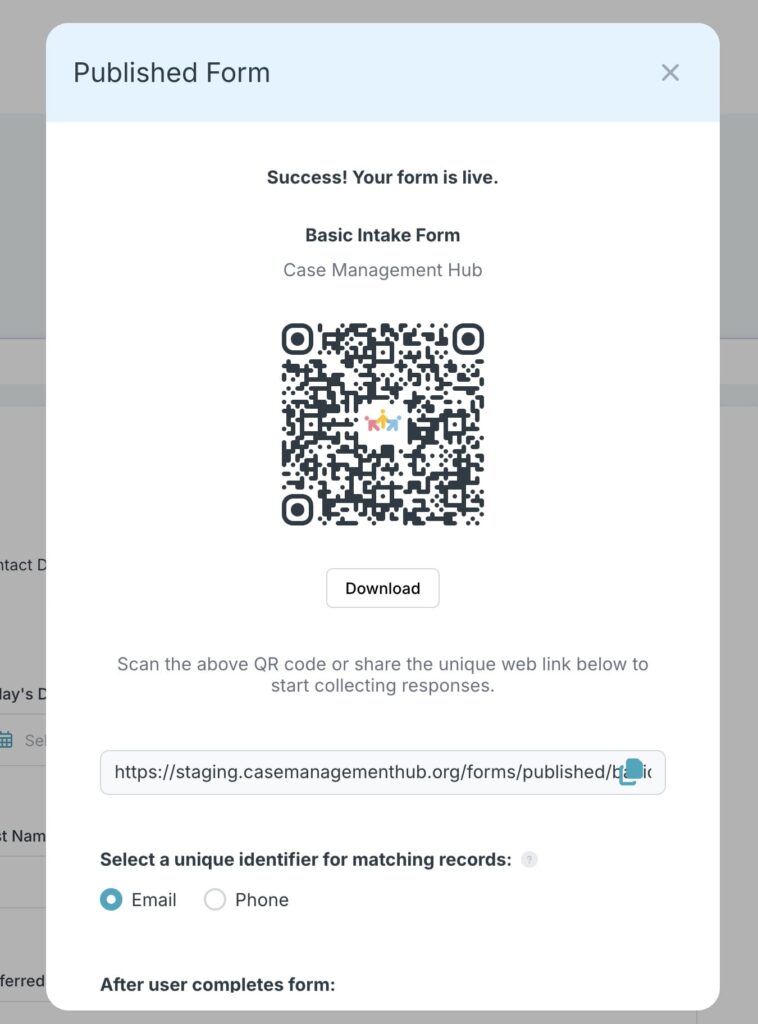
Tip: A link will automatically be created for you but you can always edit this and other form settings even after creating the online form. Just click on the gear icon in the top right corner of the form page to bring up the form settings.
To see how an all-in-one software platform supports both generalist and medical practice workflows, start your free 21-day trial of Case Management Hub today—no credit card required!
Frequently Asked Questions
Which career track offers more flexibility to change roles later?
A generalist background provides broad foundational skills across multiple client populations, making it flexible for non-profit, government, and community roles. However, medical social work experience is highly transferable to case management, insurance navigation, corporate wellness, and private clinical practice.
What certifications boost a medical social work career?
Earning specialized credentials, such as the Certified Social Worker in Health Care (C-SWHC) or Certified Hospice and Palliative Social Worker (CHP-SW) through the NASW, demonstrates advanced clinical expertise and improves career progression.
What are the biggest documentation differences between the two tracks?
Medical social work documentation relies on concise clinical notes (like SOAP or BIRP formats) entered into hospital EHR systems to meet billing and regulatory deadlines. Generalist documentation often involves detailed social histories, service plans, and long-term goal tracking logs.
Do medical social workers work weekends or on-call shifts?
Yes. Because hospitals and emergency departments operate 24/7, medical social workers frequently cover weekend rotations, evening shifts, or on-call duties for emergency admissions and crisis intervention.
How does field placement impact my job prospects after graduation?
Your field placement serves as direct work experience. Employers in specialized settings like hospitals frequently hire graduates who completed their practicum within healthcare systems, as it reduces training time on medical systems and compliance protocols.
What software tools help social workers manage documentation and client progress?
Social workers rely on specialized practice management platforms that handle secure messaging, progress note templates, goal tracking, billing, timekeeping, and intake forms. Using unified software reduces administrative burden across both community and clinical settings.
👉 Try it free today - No credit card needed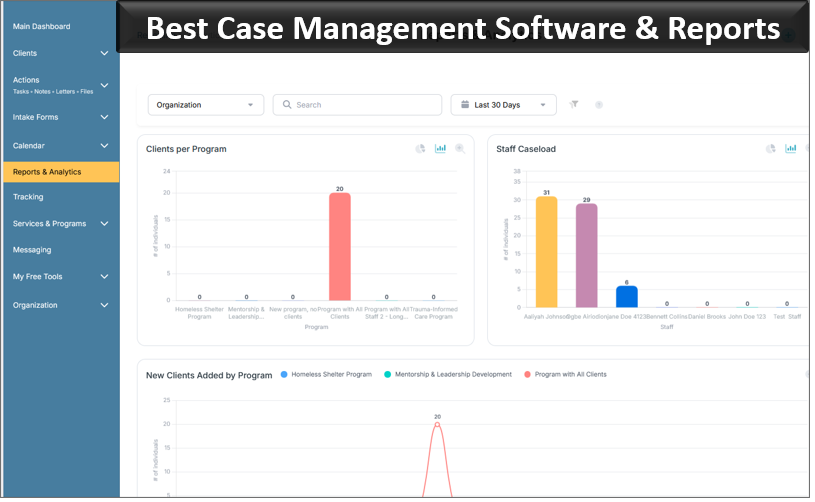
Note: Content on this website (socialworkportal.com) is copyrighted and protected under applicable copyright laws. Unauthorized reproduction, distribution, or use of any content from the website, without explicit written permission, is strictly prohibited. Read: Terms of Use.
Social Work Portal Disclaimer: Social Work Portal is not a social work agency and we do not refer social workers. This web site is provided for educational and informational purposes only and does not constitute providing medical advice or professional social and healthcare services. The information provided should not be used for diagnosing or treating a health problem or disease, and those seeking personal medical advice should consult with ... Read our full disclaimer here: Social Work Portal Disclaimer.