Master Social Work Intervention Methods & Strategies That Work
Social work is ultimately a practice of change. Every conversation, every referral, every session is aimed at helping a person, a family, or a community move from where they are to somewhere better. But change doesn’t happen by accident. It happens through intentional, well-chosen interventions.
Knowing which intervention fits which situation is one of the most important skills a social worker can develop.
This handbook breaks down the most effective social work interventions, from individual-level clinical methods to community-wide strategies, with real examples and practical guidance on how to apply them in your work.
What you’ll learn:
- The difference between micro, mezzo, and macro social work interventions
- The most widely used evidence-based intervention methods with examples
- How strength-based and trauma-informed approaches shape modern practice
- How crisis intervention fits into the broader intervention landscape
- Key factors for choosing the right intervention for your client and setting
- How case management tools support better intervention outcomes
Let’s get started
Watch this video:
or
read the guide below.
What Are Social Work Interventions and Why Do They Matter?
A social work intervention is any deliberate action a practitioner takes to help a client address a problem, build on a strength, or achieve a goal. Interventions can be a single conversation or a multi-year treatment process. They can focus on an individual’s thoughts and behaviors, a family’s communication patterns, or the policies and systems that shape an entire community’s quality of life.
What makes an intervention effective is not just the method itself, but the fit between the method, the client, and the context. A technique that works well for an adult navigating depression may be entirely wrong for a child in foster care or a neighborhood facing systemic disinvestment. That fit is what the best social workers are constantly calibrating.
💡All-in-one Case Management Software.
Everything in one place: clients, notes, forms, appointments, reports, and outcomes.
👉 Try it Free - No credit card needed
What Is the Difference Between Micro, Mezzo, and Macro Interventions?
Social work interventions are typically organized across three levels, and understanding which level you are working at clarifies both your goals and your tools.
Micro social work interventions focus on the individual or family. This is where most clinical social work happens: therapy sessions, case management, crisis response, and direct service delivery. The goal is to help a specific person or household navigate challenges and build capacity.
Mezzo social work interventions target groups and organizations. This might include facilitating a support group for caregivers, running a skills training program within a nonprofit, or working with a school to improve its response to student mental health needs. The goal is to create change at the community or organizational level that benefits multiple people at once.
Macro social work interventions address systems, policies, and communities as a whole. Advocacy, community organizing, policy analysis, and program development all fall here. The goal is structural change that improves conditions for an entire population rather than one client at a time.
Most practitioners work primarily at one level, but the strongest social workers understand all three and can recognize when a client’s individual struggle is connected to a mezzo or macro problem that also needs to be addressed.
👉 Try it Free - Free Case Management System
What Are the Most Effective Evidence-Based Social Work Intervention Methods?
Evidence-based interventions are those with consistent research support showing they produce meaningful outcomes for clients. Several stand out as particularly widely used and well-supported across social work settings.
Cognitive Behavioral Therapy (CBT)
CBT is one of the most researched interventions in mental health and social work. It works by helping clients identify and challenge unhelpful thought patterns that drive problematic emotions or behaviors. A social worker using CBT might help a client with anxiety recognize catastrophic thinking patterns and practice more balanced responses. CBT is structured, time-limited, and measurable, which makes it well-suited to settings with defined treatment goals and funder reporting requirements.
Motivational Interviewing (MI)
MI is a collaborative, client-centered method designed to strengthen a person’s own motivation for change. Rather than telling a client what to do, the practitioner uses open-ended questions, reflective listening, and affirmations to help the client articulate their own reasons for making a change. MI is especially effective in substance use treatment, health behavior change, and any situation where a client is ambivalent about moving forward.
Solution-Focused Therapy (SFT)
SFT shifts the focus from problems to possibilities. Instead of exploring the history and causes of a client’s difficulties in depth, SFT asks clients to imagine what life would look like if the problem were already solved and then works backward to identify the small, actionable steps that move toward that vision. It is particularly useful for short-term interventions and settings where caseload size limits the number of sessions available.

Trauma-Informed Interventions
Trauma-informed interventions are not a single technique but a framework that shapes how any intervention is delivered. A trauma-informed approach recognizes that many clients have experienced significant adversity and that this history affects how they engage with services, relationships, and change. Trauma-informed social workers prioritize safety, trust, transparency, and client choice in every interaction, which improves outcomes across virtually every intervention type.
All-in-One Case Management Software
Sign Up Today, Free
No credit card needed!
Do You Have a Team? | ||
Our best all-in-one client and top case management software simplifies everything from client intake and assessments to programs, projects, goals tracking, planning, scheduling, documentation, reporting dashboard, and progress tracking.
How Do Strength-Based Interventions Change the Way Social Workers Practice?
Strength-based interventions represent a fundamental shift in orientation. Rather than focusing on deficits, diagnoses, and problems, strength-based practice asks: what is already working, and how can we build on it?
In practice, this means assessing not just a client’s challenges but their resilience, skills, relationships, cultural strengths, and past successes. A strength-based social worker helping a parent involved with the child welfare system might spend as much time identifying the parent’s genuine competencies and support network as they do addressing the behaviors that led to the referral.
Research consistently supports strength-based approaches. A study on strength-based methods published in 2023 found that strength-based interventions improve client engagement and are associated with better long-term outcomes. The practical implication is that leading with strengths is a more effective clinical strategy.

What Does Crisis Intervention Look Like as a Social Work Strategy?
Crisis intervention is one of the most time-sensitive and high-stakes social work interventions. Unlike longer-term therapeutic approaches, crisis intervention operates on a compressed timeline with an immediate goal: restore safety and stabilization as quickly as possible.
The most widely used framework is the seven-stage crisis intervention model, which moves through assessing lethality, building rapport, identifying the problem, exploring feelings, generating alternatives, developing an action plan, and following up. In practice, an experienced practitioner moves through these stages fluidly rather than mechanically.
Consider a hospital social worker responding to a patient who discloses domestic violence during a routine intake. The intervention does not start with a lengthy psychosocial history. It starts with a safety assessment, a private conversation, and an immediate connection to resources. Documentation and full assessment follow once the acute risk is addressed.
Crisis intervention is also one of the social work intervention methods most dependent on institutional support. Practitioners who have a clear protocol, documented resources, and supervisory backup available are significantly more effective in crisis situations than those who are improvising alone.
🔥Still using spreadsheets for case management?
Switch to an all-in-one case management platform.
👉 Try it Free - No credit card needed
How Do Community-Level Interventions Address Systemic Problems?
Macro-level or community social work interventions address the structural conditions that shape individual outcomes. These include advocacy for policy changes, community organizing to build collective power, program development to fill service gaps, and coalition building to align resources across organizations.
A social worker in a community facing a shortage of affordable housing might intervene at the macro level by documenting the scope of the problem through data collection, convening stakeholders, advocating before a city council, and developing a coalition to pursue funding. None of those actions directly serve a single client, but they change the conditions under which thousands of clients live.
Macro interventions are often undervalued in organizations that measure success one case at a time, but they are essential to addressing the root causes of the problems social workers encounter every day at the micro level.
👉 Try this Case Management Software free today
No credit card needed
How Should Social Workers Choose the Right Intervention?
Choosing an intervention is a clinical judgment that draws on several factors.
| Factor | Questions to Ask |
| Client goals and readiness | What does the client want to change, and how ready are they? |
| Evidence base | What does research say works for this population and problem? |
| Setting and resources | What does your agency support, and what can your caseload sustain? |
| Cultural context | Is this approach appropriate and meaningful for this client’s background? |
| Time and access | How many sessions are available, and what barriers exist to engagement? |
No single intervention works for every client, and the best practitioners hold their initial choice loosely, adjusting as they learn more about what a particular person actually needs.
💡All-in-one Case Management Software.
Everything in one place: clients, notes, forms, appointments, reports, and outcomes.
👉 Try it Free - No credit card needed
How Does Case Management Software Support Social Work Interventions?
Tracking interventions effectively across a caseload requires more than good intentions. It requires organized, accessible documentation that connects assessment findings to intervention choices and measures progress over time. That is where a centralized platform makes a real difference.

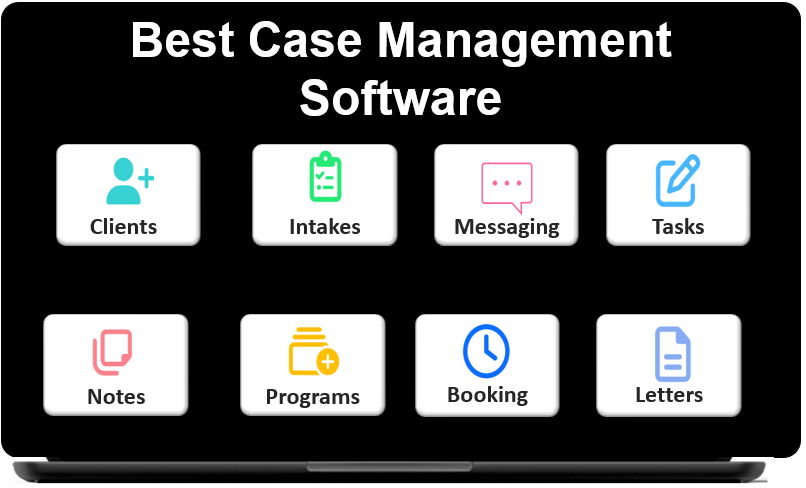
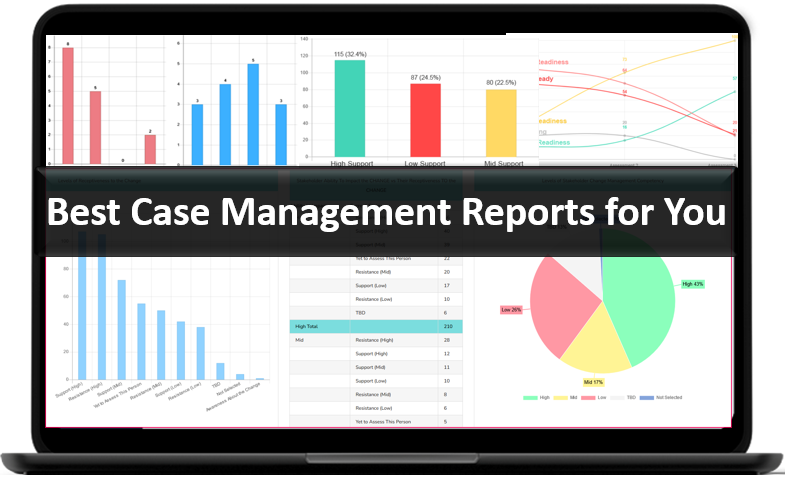
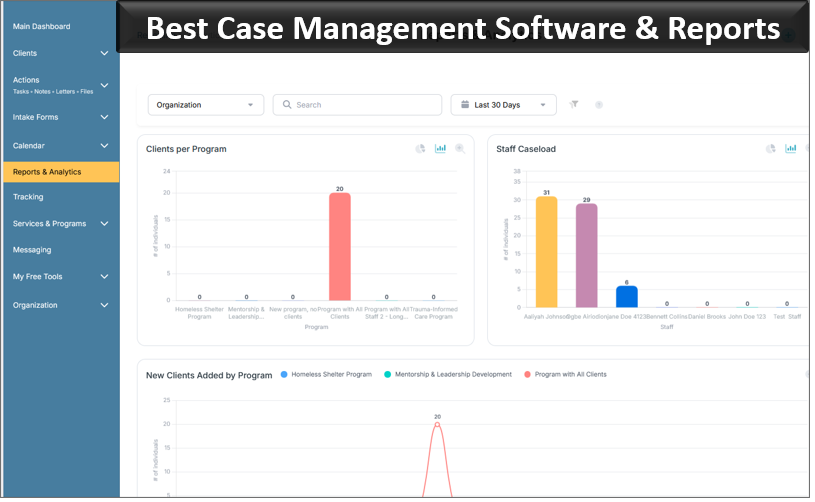
Case Management Hub gives practitioners and teams a secure place to document interventions, track client goals, record session notes, manage referrals, and run reports, all within one system designed specifically for social work practice. Explore the full platform and start a free trial.
👉 Try it Free today - No credit card needed
FAQ: Social Work Interventions
What is the most commonly used social work intervention?
Cognitive Behavioral Therapy and motivational interviewing are among the most widely used evidence-based interventions across clinical social work settings, though the right choice always depends on the client, the presenting issue, and the practice context.
What is the difference between a micro and macro social work intervention?
Micro interventions focus on individuals and families through direct service, while macro interventions target systems, policies, and communities to create structural change that benefits populations rather than single clients.
What does a trauma-informed intervention look like in practice?
It means prioritizing safety, transparency, and client choice in every interaction, regardless of the specific technique being used. It is an approach that shapes how an intervention is delivered rather than a single method.
How do social workers measure whether an intervention is working?
Through goal tracking, standardized assessment tools, session notes that document client responses, and regular review of whether outcomes are moving in the intended direction. Structured documentation is essential for this.
Can a social worker use more than one intervention approach at the same time?
Yes, and most do. A practitioner might use motivational interviewing to build engagement, CBT techniques to address thought patterns, and a strength-based lens to frame the overall relationship with the client.
What is a social work intervention plan?
A formal document that identifies the client's goals, the specific interventions to be used, who is responsible for each action, the timeline, and how progress will be measured. It connects the assessment process to the actual work of the case.
👉 Try it free today - No credit card needed
Note: Content on this website (socialworkportal.com) is copyrighted and protected under applicable copyright laws. Unauthorized reproduction, distribution, or use of any content from the website, without explicit written permission, is strictly prohibited. Read: Terms of Use.
Social Work Portal Disclaimer: Social Work Portal is not a social work agency and we do not refer social workers. This web site is provided for educational and informational purposes only and does not constitute providing medical advice or professional social and healthcare services. The information provided should not be used for diagnosing or treating a health problem or disease, and those seeking personal medical advice should consult with ... Read our full disclaimer here: Social Work Portal Disclaimer.