Everything You Need to Complete a Biopsychosocial Assessment (Interview Questions & Template)
If you want to truly understand a client, a checklist of symptoms is never going to be enough. The biopsychosocial assessment is one of the most powerful tools in social work and behavioral health practice precisely because it refuses to reduce a person to a single dimension. It looks at biology, psychology, and social context together, and in many social work settings, spirituality is added as a fourth domain, giving practitioners a genuinely comprehensive picture of who the client is and what they are navigating.
We’re going to review the best biopsychosocial assessment questions across every domain, offer a practical template you can adapt for your setting, and explain how to use the assessment process to inform strong treatment planning and intervention choices.
What you’ll learn:
- What the biopsychosocial model covers and why it matters in social work
- The best assessment questions for each domain: biological, psychological, social, and spiritual
- How to structure a biopsychosocial assessment template for clinical use
- How to use assessment findings to drive treatment planning
- Key considerations for conducting culturally responsive assessments
- How case management software can support the assessment documentation process
Let’s get started
Watch this video:
or
read the guide below.
What Is a Biopsychosocial Assessment and Why Does It Matter?
A biopsychosocial assessment is a structured clinical interview that gathers information across three core domains: biological factors, psychological factors, and social factors. It was introduced in 1977 as a direct challenge to the purely biomedical model of illness, which treated disease as a physical phenomenon divorced from psychological and social context.
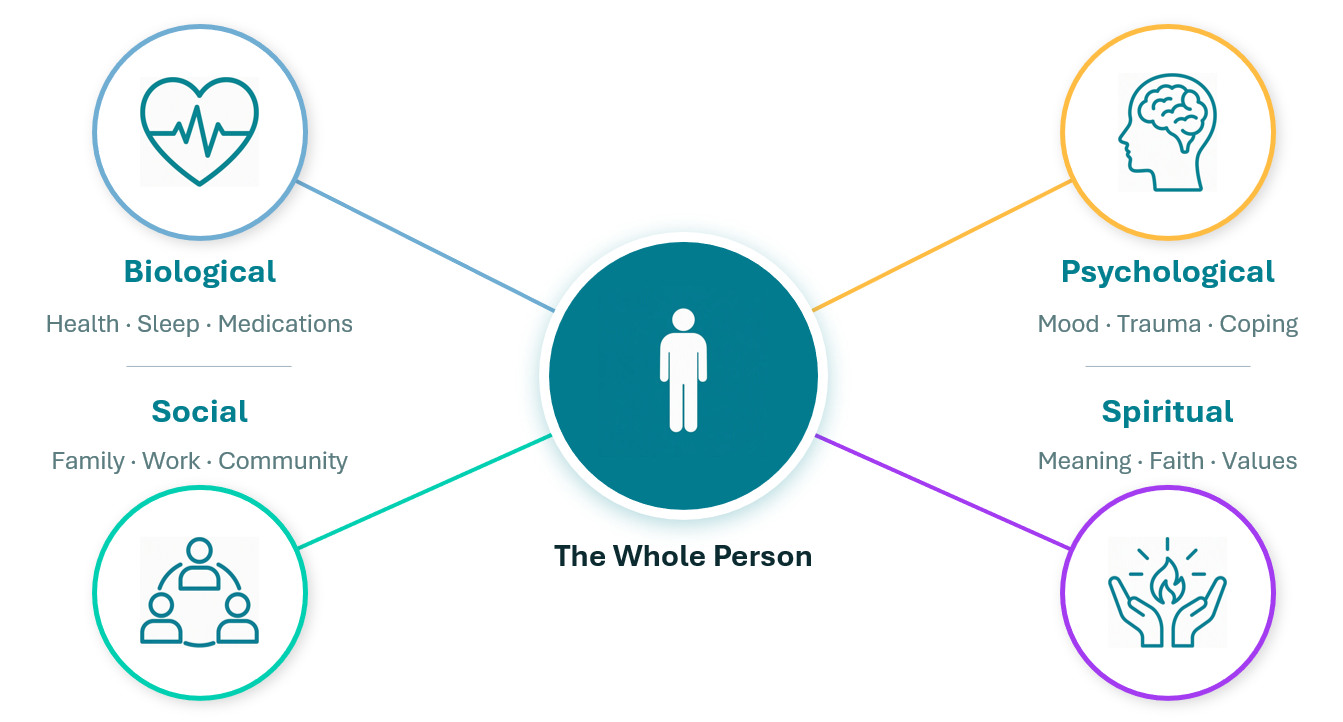
In social work, the biopsychosocial model became foundational because it aligns naturally with the profession’s person-in-environment perspective, the idea that a person cannot be understood separately from the systems and relationships that surround them. A client presenting with depression, for example, may have genetic vulnerability to mood disorders (biological), a history of trauma and negative self-talk patterns (psychological), social isolation and financial instability (social), and a fractured relationship with their faith community that once provided support (spiritual). An assessment that only captures one or two of those dimensions will produce an incomplete picture and a weaker treatment plan.
👉 Try it free today - No credit card needed
What Questions Should You Ask in the Biological Domain?
The biological domain covers physical health, medical history, neurological factors, substance use, and anything related to the body that might be influencing the client’s current situation. These questions are not about diagnosing medical conditions but about understanding how physical factors are shaping the client’s functioning and wellbeing.
Recommended biological assessment questions:
- What is your current physical health status? Do you have any diagnosed medical conditions?
- Are you currently taking any prescription medications? If so, what are they and what are they for?
- Have you experienced any recent changes in sleep, appetite, or energy levels?
- Do you have any history of head injuries, neurological conditions, or chronic pain?
- Have you used alcohol or substances recently? If so, how often and in what amounts?
- Do you have a primary care physician, and when did you last have a physical exam?
- Is there a family history of mental illness, substance use, or significant medical conditions?
- Are there any physical health concerns you feel are affecting your daily functioning or emotional wellbeing?
When asking about substance use, a non-judgmental, matter-of-fact tone is essential. Framing questions around frequency and impact rather than labeling behavior tends to elicit more honest and complete responses.
💡All-in-one Case Management Software.
Everything in one place: clients, notes, forms, appointments, reports, and outcomes.
👉 Try it Free - No credit card needed
What Questions Should You Ask in the Psychological Domain?
The psychological domain explores mental health history, emotional functioning, thought patterns, trauma history, coping strategies, and cognitive functioning. This is often the most sensitive domain to navigate, and building sufficient rapport before diving into trauma history in particular is important.
Recommended psychological assessment questions:
- Have you ever been diagnosed with a mental health condition? If so, what and when?
- Have you previously received mental health treatment, therapy, or psychiatric care?
- How would you describe your current mood on most days?
- Do you experience periods of intense anxiety, panic, or worry that interfere with daily life?
- Have you experienced any traumatic events in your life that still affect you today?
- Do you have any current thoughts of harming yourself or others?
- How do you typically cope when you are under significant stress?
- Do you notice any patterns in your thinking that feel unhelpful or hard to control?
- How is your concentration and memory functioning compared to your baseline?
The safety question around self-harm and suicidal ideation should always be asked directly. Research consistently shows that asking about suicidal ideation does not increase risk and that clients generally appreciate being asked in a caring, direct way.
👉 Try it Free - Free Case Management System
What Questions Should You Ask in the Social Domain?
The social domain covers relationships, family systems, housing, employment, finances, education, community connections, and the environmental context in which the client lives. This is where social work’s person-in-environment framework is most visible, and it is often where the most actionable information for intervention planning surfaces.
Recommended social assessment questions:
- Who are the most important people in your life right now, and what is your relationship with them like?
- What is your current living situation? Do you feel safe and stable in your housing?
- Are you currently employed or in school? How is that going?
- Are you experiencing any significant financial stress or difficulty meeting basic needs?
- Do you have a support network you can rely on during difficult times?
- How would you describe your relationships with family members?
- Have you experienced discrimination, racism, or other systemic barriers that have affected your opportunities or wellbeing?
- Are you involved in any community organizations, groups, or activities that are meaningful to you?
That second-to-last question about systemic barriers is one that many assessments omit, but it is critical for a complete social domain picture, particularly for clients from marginalized communities where structural factors are a significant driver of the issues they are presenting with.
All-in-One Case Management Software
Sign Up Today, Free
No credit card needed!
Do You Have a Team? | ||
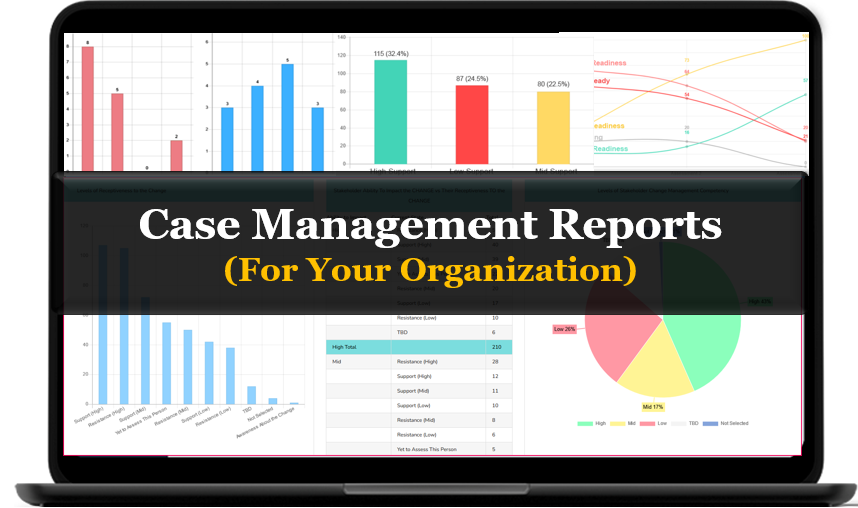
Our best all-in-one client and top case management software simplifies everything from client intake and assessments to programs, projects, goals tracking, planning, scheduling, documentation, reporting dashboard, and progress tracking.
What Questions Should You Ask in the Spiritual Domain?
The spiritual domain is sometimes folded into the social domain and sometimes treated as a separate fourth dimension, which is the biopsychosocial spiritual model increasingly used in social work and behavioral health. Spirituality in this context is broader than religion. It includes a client’s sense of meaning and purpose, their values, their connection to something larger than themselves, and the practices that sustain them.
Recommended spiritual assessment questions:
- Do you consider yourself a spiritual or religious person? If so, what role does spirituality or faith play in your life?
- Are you part of a faith community or spiritual practice that provides support or connection?
- What gives your life a sense of meaning or purpose?
- Have your spiritual or religious beliefs been a source of comfort, conflict, or both during difficult times?
- Are there any spiritual or religious considerations that should shape how we work together or the kind of support you receive?
These questions should always be offered with genuine openness. Some clients will find spiritual questions deeply relevant and welcome. Others will not identify with the framing at all. The goal is to invite the client to define what is meaningful to them, not to project a particular understanding of what spirituality means.

How Do You Structure a Biopsychosocial Assessment Template?
A practical biopsychosocial assessment template for clinical use typically follows this structure:
- Presenting Problem and Reason for Referral A brief summary of why the client is seeking services and what they identify as their primary concern.
- Biological Domain Medical history, current health status, medications, substance use, sleep and appetite, family medical and psychiatric history.
- Psychological Domain Mental health history, previous treatment, current mood and affect, trauma history, safety assessment, cognitive functioning, coping strategies.
- Social Domain Living situation, housing stability, employment and finances, family relationships, social support, community involvement, systemic and environmental factors.
- Spiritual Domain Religious or spiritual identity, faith community involvement, sources of meaning and purpose, spiritual needs or considerations for treatment.
- Strengths and Protective Factors What is working well for this client? What resources, skills, relationships, or values can treatment build on?
- Assessment Summary and Clinical Impressions A synthesis of findings across all domains, including patterns, risk factors, and protective factors.
- Preliminary Treatment Recommendations Initial thoughts on appropriate interventions, referrals, and treatment goals based on the assessment findings.
Including a dedicated strengths section is not just good social work practice. It is strategically important for treatment planning, because interventions that build on existing capacities tend to be more effective and sustainable than those focused exclusively on deficits.
🔥Still using spreadsheets for case management?
Switch to an all-in-one case management platform.
👉 Try it Free - No credit card needed
How Should Social Workers Adapt Assessments for Cultural Responsiveness?
A biopsychosocial assessment template is a starting point, not a script. Cultural responsiveness means adapting both the content and the process of the assessment to fit the client’s background, values, and communication style.
A few practical considerations:
Some clients come from cultural backgrounds where discussing mental health openly carries significant stigma, and pushing too hard into the psychological domain early can damage rapport.
Some clients’ understanding of health and illness is grounded in cultural frameworks that differ from Western biomedical models and honoring that framing rather than correcting it often leads to better engagement.
And for clients with limited English proficiency, using a qualified interpreter rather than a family member is both an ethical obligation and a practical one since family members may filter or omit sensitive information.

The best biopsychosocial assessments feel like conversations, not interrogations. The practitioner’s job is to create enough safety that the client is willing to share the full picture, which means pacing the questions, following the client’s lead, and being willing to return to sensitive areas once trust has been established.

👉 Try this Case Management Software free today
No credit card needed
How Does Case Management Software Support the Assessment Process?
A comprehensive biopsychosocial assessment generates a lot of information across multiple domains, and keeping it organized, accessible, and securely stored alongside the rest of the client’s record is where a dedicated platform makes a real difference.
Example of a Biopsychosocial Assessment Form from the Case Management Hub platform
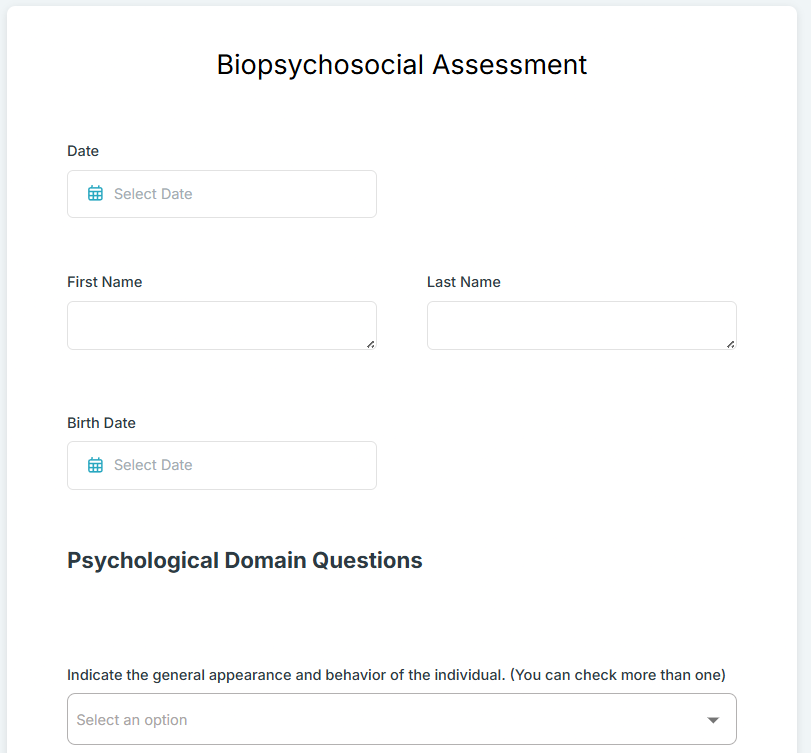
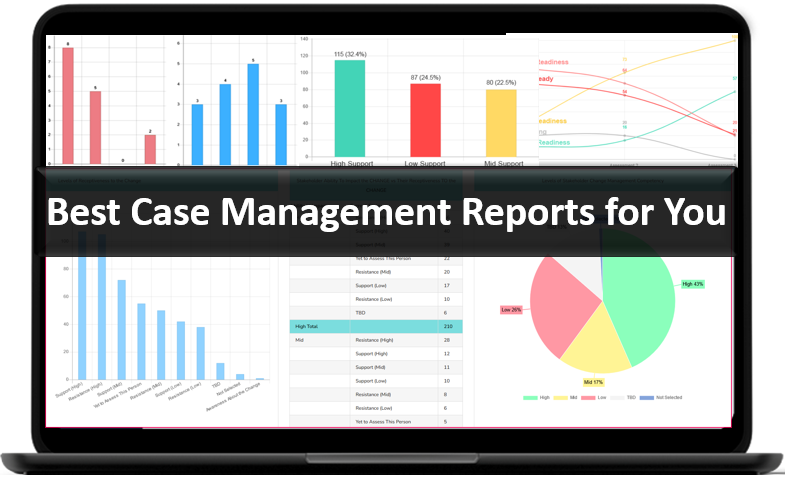
Case Management Hub gives social workers and case managers a structured, secure place to document biopsychosocial assessments, store completed templates, connect assessment findings to treatment goals, and track client progress over time, all within one HIPAA compliant platform. You can explore the full platform and start a free trial at https://www.socialworkportal.com/social-work-case-management-software/
👉 Try it Free today - No credit card needed
FAQ: Biopsychosocial Assessment Questions and Templates
What is the purpose of a biopsychosocial assessment in social work?
To gather a comprehensive picture of a client across biological, psychological, and social domains so that treatment planning, intervention choices, and referrals are grounded in the client's full context rather than a narrow snapshot of their presenting problem.
How long does a biopsychosocial assessment typically take?
Most comprehensive biopsychosocial assessments take between 60 and 90 minutes for an initial interview, though complex cases may require multiple sessions to complete. Some agencies use shorter screening versions that take 30 to 45 minutes and are followed by a more detailed assessment if indicated.
What is the difference between a biopsychosocial assessment and a psychosocial assessment?
A psychosocial assessment covers psychological and social factors but does not formally include the biological domain. A biopsychosocial assessment is more comprehensive because it explicitly incorporates physical health, medical history, and biological factors alongside the psychological and social dimensions.
Should every client receive a full biopsychosocial assessment?
Not necessarily. Some settings use shorter initial screenings and reserve the full biopsychosocial assessment for clients with complex presentations. The decision depends on the setting, the client's needs, and the agency's protocols. A full assessment is particularly valuable for clients with co-occurring mental health and substance use issues, chronic illness, or complex trauma histories.
How do you ask about trauma in a biopsychosocial assessment?
With care, directness, and without assuming. A trauma-informed approach means creating safety first, asking permission before exploring sensitive areas, and following the client's pace rather than pushing through a checklist. Something like - Many people I work with have had difficult or painful experiences in their past. Is that something you would be comfortable sharing a little about today? - gives the client control without avoiding the topic.
Can biopsychosocial assessment templates be customized for different settings?
Yes, and they should be. A template used in a substance use treatment program will look different from one used in a school social work setting or a hospital discharge planning context. The core domains stay the same, but the specific questions, level of detail, and emphasis shift based on the population served and the purpose of the assessment.